Welsummer Chicken Breed: Eggs, Traits, and Care
By Dr. Zubair Khalid, DVM, MS, PhD ·
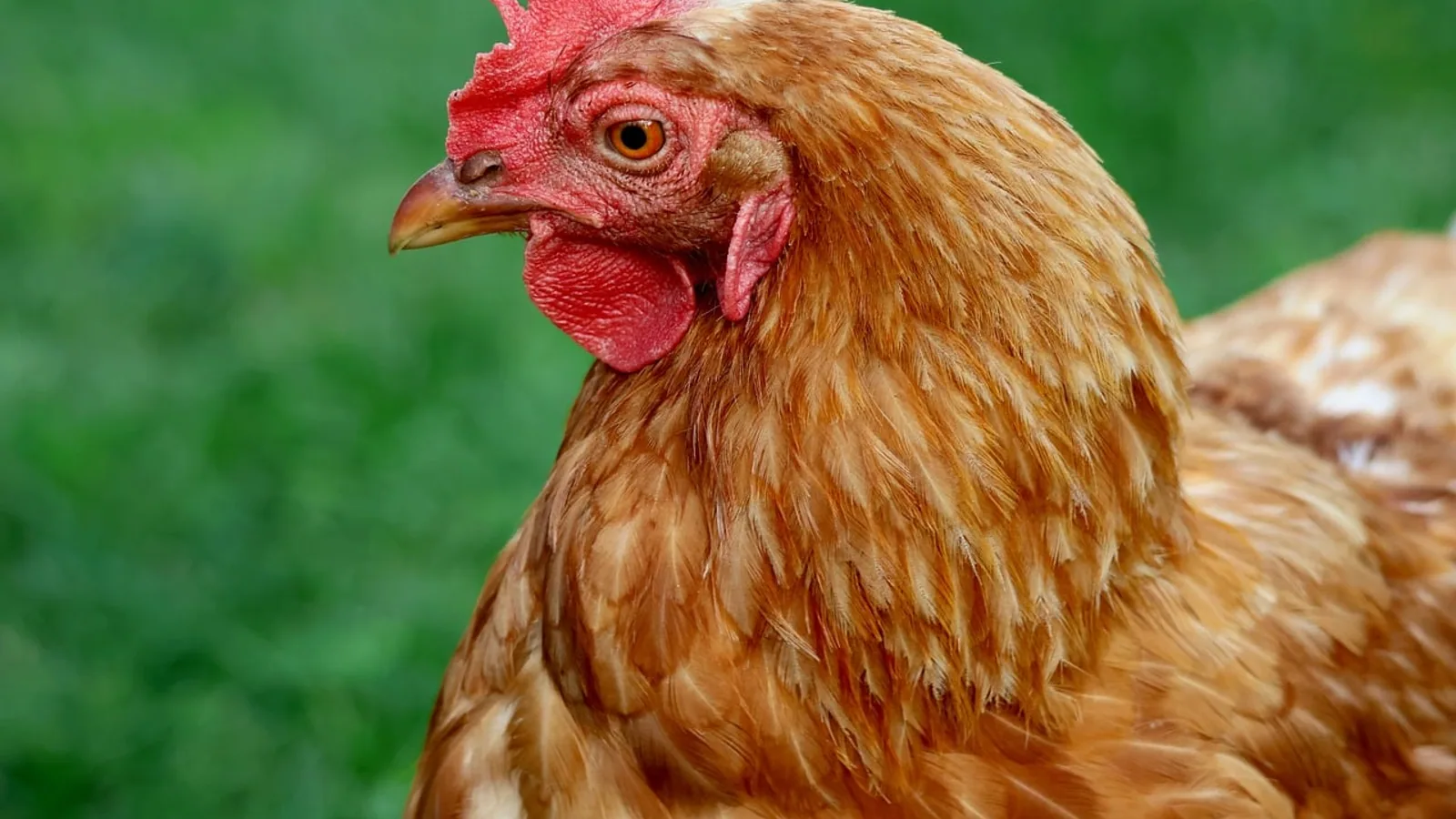
The Welsummer chicken breed is a Dutch landrace known for terracotta-brown eggs that often carry dark speckles. Hens weigh roughly 5 to 6 lb (2.3 to 2.7 kg) and roosters about 7 to 8 lb, with a single comb, clean legs, and a strong foraging drive. The breed lays an estimated 160 to 220 eggs per year. It suits keepers who want a self-sufficient, active flock bird that earns its feed through free-range foraging and produces one of the most distinctive brown eggs in backyard poultry.
This article covers the breed's history, appearance, egg biology, temperament, foraging behavior, feeding, housing, health screening, and the practical decisions a new owner faces. It also explains why Welsummer eggs vary in shade and speckling, and what that variation means for anyone selecting breeding stock.
This article is educational and is not a substitute for veterinary diagnosis or treatment.
At a Glance
| Attribute | Detail |
|---|---|
| Origin | Netherlands (Dutch landrace) |
| Primary purpose | Dual-purpose: brown table eggs and meat |
| Hen weight | About 5 to 6 lb (2.3 to 2.7 kg) |
| Rooster weight | About 7 to 8 lb |
| Annual egg production | Roughly 160 to 220 eggs per year |
| Egg color | Dark terracotta brown, frequently speckled |
| Comb type | Single |
| Leg color | Clean legs (no feathering) |
| Temperament | Active, alert, independent, strong forager |
| Foraging ability | High, suited to free-range and pasture systems |
| Cold tolerance | Good, with dry, draft-free housing |
| Heat tolerance | Moderate, needs shade and water in hot weather |
| Lifespan | Commonly 6 to 10 years with good care |
| Good with children | Generally yes, with supervision and calm handling |
| Good with other pets | Variable, depends on the individual bird and the predator risk in the yard |
The table above reflects breed-typical figures. Individual birds vary in size, laying rate, and temperament, and a veterinarian who examines your flock is the best source of advice for your specific situation.
History and Purpose of the Welsummer Chicken Breed
The Welsummer takes its name from the village of Welsum in the eastern Netherlands, where farmers kept a local landrace of brown-egg layers. The breed was shaped by practical selection rather than by a single breeder. Dutch farmers wanted a bird that could find much of its own food, lay a large brown egg, and provide a reasonable carcass when the laying years ended.
That origin explains several traits owners notice today. The Welsummer is not a heavy, slow, confinement breed. It is a working farm bird with an alert eye, a light frame for its size, and a strong urge to scratch, hunt insects, and range. The breed spread beyond the Netherlands in the early twentieth century and became popular in Britain and North America partly because of its egg color. The dark, often speckled brown shell made it easy to identify Welsummer eggs in a mixed basket, and that trait remains the main reason many keepers seek out the breed.
The Welsummer's reputation as a hardy, low-input layer also travels with it. A survey of indigenous chicken production in Fiji found that the Welsummer was the most preferred breed among the households studied, and the authors noted that households kept indigenous chickens for food and income generation [1]. That preference reflects the breed's practical profile: it produces a valuable egg, tolerates varied management, and does not demand the intensive inputs of a commercial hybrid.
Appearance and Breed Standard


The Welsummer is a medium-sized, upright bird with a confident carriage. The body is long and fairly deep, the back slopes gently from the neck to the tail, and the tail is carried at a moderate angle. The breast is full but not overly broad, which keeps the bird agile on range.
Head and Comb
The single comb is medium-sized and upright, with five to seven well-defined points. The comb, wattles, and face are red. The beak is short and slightly curved. The eyes are bright and alert, with a reddish-orange iris in most birds.
Body, Legs, and Feathering
The Welsummer has clean legs, meaning no feathers grow down the shanks or over the toes. This is a practical trait in wet or muddy conditions because clean legs collect less mud and are easier to inspect for injury, scaly leg mites, and foot problems. The legs are yellow in most color varieties, and the skin is yellow.
Plumage and Color Varieties
The best-known variety is the partridge, sometimes called the dark partridge in older texts. The rooster has a rich red neck, a dark breast, and a green-black tail. The hen is a warm brown with fine dark stippling over the body and a salmon-toned breast. Other color varieties exist, including silver duckwing and gold duckwing types, but the partridge remains the classic Welsummer look.
Feather quality matters for health as well as appearance. A well-feathered bird sheds rain, regulates body temperature, and resists sunburn on exposed skin. Owners should check the vent area, the breast, and under the wings during routine handling, because feather loss in those areas can signal mites, lice, or feather pecking before the problem becomes severe.
Body Size and Weight
Hens run about 5 to 6 lb (2.3 to 2.7 kg). Roosters are heavier at about 7 to 8 lb. That size range makes the Welsummer a true dual-purpose breed. It is large enough to produce a useful carcass but light enough to fly short distances, roost on a high perch, and move efficiently while foraging.
The Welsummer Egg Profile
The egg is the Welsummer's signature. A well-bred hen lays a dark, saturated brown egg that often shows darker speckles, spots, or blotches over the base color. The shade ranges from a warm terracotta to a deep chocolate brown, and the speckling pattern can be heavy, light, or nearly absent.
Brown Eggshell Pigment
Brown eggshell color comes from protoporphyrin IX, often abbreviated Pp IX. This pigment is deposited into the shell during its formation in the shell gland, the tubular organ at the end of the hen's reproductive tract where the shell is calcified and colored. Protoporphyrin IX is the primary pigment for brown eggshells, and research on brown-shell lines has shown that Pp IX concentrations rise in the shell gland during the hours when the shell is being completed [2].
The pigment sits within the protein phase of the shell rather than as a simple surface coating. Spectroscopic analysis of white, brown, and green chicken eggshells found that protoporphyrin IX is embedded in the protein matrix of all shell types, appearing mainly as non-fluorescent poly-aggregates in brown shells [3]. That physical arrangement helps explain why brown color can be scrubbed or rubbed off a wet egg more easily than the underlying white shell color, and why the intensity of brown is not a measure of shell thickness.
Why Welsummer Eggs Are Dark and Speckled
Several biological factors shape how dark a brown egg becomes.
Pigment production and transport. The shell gland must synthesize protoporphyrin IX and move it into the forming shell. Genes involved in Pp IX synthesis, transport, and iron handling influence how much pigment reaches the shell. Work in Rhode Island Red lines selected for light and dark brown eggs identified differences in the expression of genes such as ALAS1, SLC25A38, ABCG2, and FLVCR1 in the shell gland, all of which relate to Pp IX synthesis and movement [2]. A separate proteomic study of shell gland tissue from hens laying dark versus light brown eggs found 147 differentially expressed proteins, with pathways tied to Pp IX synthesis and transport differing between the two groups [4].
A specific transport gene variant. In a study of Lueyang black-boned chickens, a non-synonymous variant in the ABCG2 gene, which is involved in protoporphyrin transport, was significantly associated with brown eggshell color. Hens carrying the CC genotype at that locus had lower lightness values and higher yellowness values than hens with the other genotypes, meaning their eggs were darker and more saturated [5]. This is direct evidence that variation in a pigment transport gene contributes to how dark a brown egg turns out.
Hen age and laying cycle length. Darker eggs tend to come from older hens with shorter laying cycles. As a hen ages, her shell gland function and mitochondrial activity in the gland change. A study of 62-week-old brown-egg laying hens compared hens laying darker shells with hens laying lighter shells and found that egg weight, eggshell weight, protoporphyrin IX content of the shell and shell gland, and biliverdin content of the shell gland were all significantly lower in the light-shell group [6]. The same study reported reduced expression of ALAS1, coproporphyrinogen oxidase, ABCG2, and mitochondrial transcription factor A in hens laying lighter brown shells, along with lower mitochondrial DNA copy number and reduced expression of several mitochondrial genes [6]. The practical takeaway is that shell color is not fixed for life. It shifts with the hen's physiology, and a long, slow laying cycle gives the shell gland more time to deposit pigment.
Speckling as an individual trait. Speckling intensity varies from hen to hen and even from egg to egg in the same hen. The speckles are additional deposits of pigment laid down unevenly during shell formation. Because the pattern depends on the timing and distribution of pigment release in the shell gland, it behaves like a hen-specific trait. Two Welsummer hens of the same age, on the same feed, in the same coop can lay eggs with clearly different speckle patterns. Breeders who want heavy speckling select for it over generations, but no two hens produce identical markings.
Egg Quality and Pigment
Eggshell pigmentation has been linked to internal egg quality. A study across 23 traditional chicken breeds found that breed identity and eggshell pigmentation explained most of the variability in the concentration of two major egg white antimicrobial proteins, lysozyme and ovotransferrin. The authors documented a positive correlation between egg white lysozyme concentration and eggshell cuticle protoporphyrin in tinted and dark brown eggs, but not in brown, white, or blue eggs [7]. This does not mean a darker Welsummer egg is automatically more nutritious, but it does show that shell pigmentation and the egg's antimicrobial protein profile are biologically connected.
Egg Profile Table
| Egg Trait | Typical Welsummer Value |
|---|---|
| Shell color | Dark terracotta to chocolate brown |
| Speckling | Common, variable in intensity, hen-specific |
| Pigment | Protoporphyrin IX deposited in the shell gland |
| Annual production | About 160 to 220 eggs per year |
| Egg size | Medium to large |
| Shell strength | Generally good in well-nourished hens |
| Color stability over the season | Declines somewhat as the laying cycle progresses |
| Color stability with hen age | Older hens in a short cycle often lay darker eggs |
Egg size and shell strength depend heavily on nutrition, hen age, and management. A hen on a balanced layer diet with adequate calcium and vitamin D will generally produce a stronger shell than a hen on marginal feed, regardless of breed.
Temperament and Behavior
The Welsummer is alert, active, and independent. It is not a docile lap bird like some ornamental breeds, and it is not an aggressive fighter like some gamefowl. It sits in the middle: curious, quick to investigate, and usually willing to be handled if it was socialized as a chick.
Hens are typically calm with familiar people and will follow a keeper around the yard, especially if that person carries treats. Roosters are protective of the flock and can become assertive during breeding season. A rooster that shows repeated aggression toward people should be managed with caution, because a 7 to 8 lb bird with spurs can cause real injury.
The breed's behavioral profile fits what research on chicken foraging shows. Hens are capable of flexible foraging strategies and can adapt their search behavior to environmental constraints, including learning to choose by exclusion when the location of food is not directly visible [8]. A Welsummer's strong foraging drive is not random scratching. It is goal-directed searching, and it is one of the reasons the breed performs well on pasture.
Enrichment matters for behavior even in breeds that range well. Studies of environmental enrichment in chickens have found that more complex environments increase foraging and exploratory behavior and reduce fearfulness. In one study, chickens in enriched rooms foraged and moved more often than chickens in minimally enriched rooms, and they were more likely to approach a novel object or a human [9]. Another study found that social enrichment increased foraging behavior compared with physical enrichment alone [10]. For a Welsummer flock, this means that range access, scattered scratch, perches, and regular calm human contact all support normal behavior rather than being optional extras.
Foraging Ability and Self-Sufficiency
The Welsummer's foraging ability is one of its defining traits. The breed was developed on small Dutch farms where birds had to find a large share of their own food. That history shows up in the modern bird as a strong drive to scratch, hunt insects, eat seeds and greens, and cover ground.
Free-range and pasture systems reward that drive. A study of Chilean Creole and Lohmann Brown hens in a rotational free-range system found that genotype influenced apparent forage intake, with the Creole hens consuming more forage than the commercial brown hens, while egg production and egg weight did not differ between the two genotypes [11]. The lesson for Welsummer owners is that a breed with strong foraging genetics can convert pasture into body condition and egg production without sacrificing output, provided the pasture is managed and the birds are protected.
Foraging also affects the behavioral budget. Foraging is one of the most important activities in a hen's day, and hens adapt their strategies when the environment changes [8]. A Welsummer confined to a bare run with no litter, no cover, and no scatter feeding will redirect that drive into feather pecking, pacing, or aggression. Giving the flock something to work for, such as scattered grain, leaf litter, or a rotating pasture paddock, keeps behavior normal.
Self-sufficiency does not mean zero management. Even a strong forager needs a complete layer ration, clean water, grit, calcium, shelter, and predator protection. Foraging supplements the diet. It does not replace it.
Housing and Daily Care
Welsummer housing follows the same principles as housing for any medium-sized backyard flock, with a few breed-specific notes.
Coop Space and Ventilation
Provide enough indoor floor space that birds can move without crowding, and enough roost length that every bird can perch at the same time. Welsummers like to roost high, so place roosts above the level of the nest boxes and away from drafts. Ventilation should move moist air out of the coop without creating a draft at bird level. Ammonia buildup, damp litter, and condensation on walls are signs that ventilation is inadequate.
Nest Boxes and Egg Handling
Nest boxes should be dark, quiet, and lined with clean bedding. Collect eggs promptly, especially in warm weather. Handle brown eggs gently and avoid aggressive washing, because the cuticle and the pigment layer sit at the shell surface. If an egg needs cleaning, use a dry method such as fine sanding or a damp cloth rather than soaking, and refrigerate eggs after collection according to your local food safety guidance.
Predator Protection
Predators are a leading cause of flock loss. The Fiji survey identified predators and feed shortages as the biggest challenges faced by households keeping indigenous chickens, with the mongoose ranked as the most common predator followed by domestic dogs [1]. In North America, the equivalent threats are raccoons, foxes, coyotes, hawks, owls, snakes, and free-roaming dogs. A Welsummer's alertness helps, but alertness is not protection. Use hardware cloth rather than chicken wire on openings, bury an apron or skirt around the perimeter, and close the coop at dusk.
Litter and Sanitation
Keep litter dry and turn it regularly. Damp litter is linked to footpad problems and respiratory irritation. Clean waterers daily and disinfect them weekly. Remove wet bedding under drinkers promptly.
Feeding Considerations
A Welsummer hen needs a complete layer diet that matches her production level. The breed lays a large, heavily pigmented egg, and shell formation draws on calcium and phosphorus reserves.
Base Ration
Feed a balanced layer ration as the foundation of the diet. The ration should supply adequate calcium for shell formation, along with protein, energy, vitamins, and trace minerals. Do not rely on scratch grain as the main feed. Scratch is a treat and a foraging tool, not a complete diet.
Calcium and Shell Quality
Oyster shell offered free choice lets hens self-regulate calcium intake. Hens laying dark brown eggs still need the same calcium support as any layer, because shell color and shell strength are separate traits. Research on brown eggshell pigment intensity found that the shade of brown pigment was not associated with eggshell weight or thickness [12]. A dark egg is not automatically a strong egg, and a light egg is not automatically a weak one. Judge shell quality by feel and by breakage rates, not by color alone.
Forage and Supplements
Pasture, kitchen scraps, and forage add variety and support natural behavior, but they dilute the nutrient density of the ration if overfed. Keep treats to a small share of daily intake. Grit should be available to birds that eat anything beyond commercial feed, because grit helps the gizzard grind coarse material.
Water
Clean water is the most overlooked nutrient. Hens drink more in hot weather and during peak lay. Provide multiple waterers so that a single dominant bird cannot block access.
Health and Common Problems
Welsummers are generally hardy, but they face the same health problems as other backyard chickens. The breed's clean legs make some conditions easier to spot, and its active nature means it is more likely to be injured on rough ground or by predators than to develop confinement-related problems.
Parasites
External parasites include mites, lice, and fleas. Check the vent, under the wings, and around the neck during monthly handling. Scaly leg mites cause raised, crusty scales on the legs and are easier to catch early on a clean-legged breed. Internal parasites include roundworms, coccidia, and tapeworms. Signs can include weight loss, pale combs, diarrhea, and reduced laying. Fecal testing through a veterinarian gives a specific diagnosis and avoids unnecessary deworming.
Respiratory Disease
Respiratory signs in chickens include sneezing, nasal discharge, swollen eyes, and rattling breathing. Several infectious diseases cause similar signs, and some are reportable in certain regions. Isolate any bird with respiratory signs and contact a veterinarian rather than guessing at a diagnosis.
Reproductive Problems
Hens can develop egg binding, prolapse, internal laying, and reproductive tract infections. A hen that strains without producing an egg, sits puffed up, or has a swollen abdomen needs prompt veterinary attention. These conditions are emergencies, not wait-and-see problems.
Nutritional and Metabolic Problems
Calcium deficiency, vitamin deficiencies, and obesity all affect laying and general health. A hen that lays soft-shelled or thin-shelled eggs, or that stops laying abruptly, should be evaluated for nutrition, parasites, and reproductive disease.
Injuries
Welsummers on range are exposed to cuts, puncture wounds, and predator attacks. Clean minor wounds promptly, keep the bird in a quiet recovery area, and seek veterinary care for deep wounds, heavy bleeding, or suspected fractures.
Biosecurity
Practice basic biosecurity. Quarantine new birds before adding them to the flock. Limit visitors in the coop area. Wash hands and change footwear after handling birds. Report unusual die-offs or severe illness to a veterinarian.
Vaccination and Screening
Vaccination programs vary by region and by flock history. Discuss the appropriate vaccines for your area with a veterinarian. For screening, a practical baseline includes regular physical exams, fecal testing for internal parasites, and periodic checks for external parasites. A veterinarian familiar with poultry can tailor a screening schedule to your flock's age, housing, and exposure risk.
Lifespan and Long-Term Care
Welsummer hens commonly live 6 to 10 years with good care, and some live longer. Laying declines with age, and the pattern of decline matters for planning. A hen's first two laying seasons are usually her most productive. After that, production drops, and the eggs she does lay may be larger and, in some hens, darker.
Older hens need adjusted care. Watch body condition, because older birds can lose weight even when they appear to eat well. Watch for arthritis and foot problems, because a heavy-bodied bird that roosts high can injure a leg on landing. Watch for reproductive disease, which becomes more common as hens age. A senior hen that stops laying and seems uncomfortable should be examined by a veterinarian.
Roosters can live as long as hens. A rooster kept past his useful breeding years needs the same general care as any other flock bird, plus attention to temperament and to the risk of injury from spurs during handling.
Finding a Responsible Breeder or Rescue
A responsible Welsummer breeder can answer questions about the parent stock, the flock's health history, and the egg color the line produces. Ask to see the adult birds, not just the chicks. Look at the hens' body condition, the cleanliness of the housing, and the behavior of the flock. A calm, well-feathered group of adults is a better sign than a glossy website.
Ask about egg color specifically. Because shell color and speckling are heritable and hen-specific, a breeder who selects for dark, speckled eggs will produce stock that is more likely to meet your expectations. A breeder who does not select for color may still produce healthy birds, but the egg color will be more variable.
Rescue and rehoming options exist for chickens. Many backyard flocks are rehomed when owners move or lose interest. A rescued Welsummer may be older, may have an unknown laying history, and may need a quarantine period before joining your flock. That is a reasonable trade for giving a bird a good home.
Avoid breeders who will not let you see the adult flock, who cannot describe the health history, or who sell birds with obvious signs of illness. Avoid buying from crowded sale barns where birds from many sources are mixed, because that increases the risk of introducing disease.
Who Should Not Get a Welsummer
The Welsummer is not the right breed for every keeper.
Do not choose this breed if you want a calm, docile bird that sits quietly in your lap. Welsummers are active and independent, and they would rather forage than be held.
Do not choose this breed if you plan to keep birds in a small, bare, permanent confinement run. The foraging drive needs an outlet. A confined Welsummer with nothing to do is more likely to develop behavioral problems.
Do not choose this breed if you need maximum egg production per bird. Commercial hybrids outlay the Welsummer. The Welsummer's value is the egg's color and the bird's self-sufficiency, not raw volume.
Do not choose this breed if you cannot provide predator protection. An active, ranging bird is exposed to more predator risk than a confined one.
Do not choose this breed if you are not prepared for a rooster's size and temperament. A 7 to 8 lb rooster needs space and respectful handling.
Limitations and When to Contact a Veterinarian
Breed information describes tendencies, not the health of the individual bird in front of you. A veterinarian who examines your flock is the only reliable source of advice for a specific diagnosis or treatment plan.
Contact a veterinarian promptly if you see any of the following:
- A hen straining to lay an egg for more than a short period, or sitting puffed up and unresponsive
- Sudden drop in egg production across the flock
- Respiratory signs such as sneezing, nasal discharge, swollen eyes, or rattling breathing
- Bloody or persistent diarrhea
- A swollen, hot, or discolored abdomen
- A wound that is deep, bleeding heavily, or contaminated
- Sudden death of more than one bird in a short period
- Weight loss despite a normal appetite
- Lameness, reluctance to stand, or a swollen foot or leg
- Any bird that is isolated from the flock and not eating or drinking
Early veterinary contact is especially important for reproductive emergencies and for any sign of infectious disease, because both can spread quickly through a flock.
Frequently Asked Questions
What color eggs does a Welsummer lay?
Welsummer hens lay dark terracotta to chocolate brown eggs that are often speckled. The brown color comes from protoporphyrin IX deposited in the shell gland, and the speckling is an uneven extra deposit of the same pigment.
How many eggs does a Welsummer lay per year?
A Welsummer hen typically lays about 160 to 220 eggs per year. Production is highest in the first two laying seasons and declines with age.
Why are some Welsummer eggs darker than others?
Darker eggs tend to come from older hens with shorter laying cycles, and shell color also depends on how much protoporphyrin IX the shell gland produces and transports. Genetics, hen age, and the length of the laying cycle all influence the final shade.
Is speckling on Welsummer eggs inherited?
Speckling intensity varies and behaves like a hen-specific trait. Breeders can select for heavier speckling over generations, but two hens of the same age and management can still produce different patterns.
Are Welsummers good for free-range flocks?
Yes. The Welsummer has a strong foraging drive and performs well on pasture and in free-range systems. It still needs a complete layer ration, clean water, shelter, and predator protection.
Are Welsummer roosters aggressive?
Welsummer roosters are protective of the flock and can become assertive during breeding season. A rooster that repeatedly shows aggression toward people should be handled with caution because of his size and spurs.
Do Welsummers have feathered legs?
No. Welsummers have clean legs with no feathers on the shanks or toes. Clean legs are easier to inspect for mites, injuries, and foot problems.
How long do Welsummer chickens live?
Welsummer chickens commonly live 6 to 10 years with good care. Laying declines with age, and older hens need attention to body condition, foot health, and reproductive disease.
Related Articles
- Raising Chickens for Eggs: Breed Selection, Care, and Egg Production
- Chicken Breeds for Beginners: Eggs, Housing, Climate, and Flock Welfare
- Why Have My Chickens Stopped Laying Eggs?
- How Many Eggs Do Backyard Chickens Lay?
- Parasites of Poultry: Chicken Parasites in Eggs and Meat
- Calico Cat: Fascinating Facts, Personality Traits & Complete Care Guide
- ISA Brown Chicken: Breed Traits and Egg Yield
- Ameraucana Chicken: Eggs, Traits, and Care
- Brown Leghorn Chicken: Eggs, Care, and Traits
Sources
- Indigenous chicken production in Fiji Islands: knowledge, constraints and opportunities.
- Identification of crucial genes and metabolites regulating the eggshell brownness in chicken.
- Pigmentation of White, Brown, and Green Chicken Eggshells Analyzed by Reflectance, Transmittance, and Fluorescence Spectroscopy.
- iTRAQ-Based Quantitative Proteomics Identifies Potential Regulatory Proteins Involved in Chicken Eggshell Brownness.
- A non-synonymous variant of C21R in the ABCG2 gene is significantly associated with brown eggshell color of Lueyang black-boned chicken.
- Mitochondrial transcription factor A induces the declined mitochondrial biogenesis correlative with depigmentation of brown eggshell in aged laying hens.
- Concentration of egg white antimicrobial and immunomodulatory proteins is related to eggshell pigmentation across traditional chicken breeds.
- A cognitive approach to better understand foraging strategies of the adult domestic hen.
- Structuring and enriching the rearing environment in conventional broiler chicken production: effects on behavioral indicators, emotional states, and cecal microbiota composition.
- Social Enrichment Improves Affective State and Foraging Behavior Compared to Physical Enrichment, While Maintaining Growth Performance in Broiler Chickens.
- Pasture utilization, behavior, and egg quality of Chilean creole and Lohmann brown hens in a rotational free-range system.
- Effect of intensity of eggshell pigment and illuminated incubation on hatchability of brown eggs.