Serama Chicken Breed: Size, Care, and Health
By Dr. Zubair Khalid, DVM, MS, PhD ·
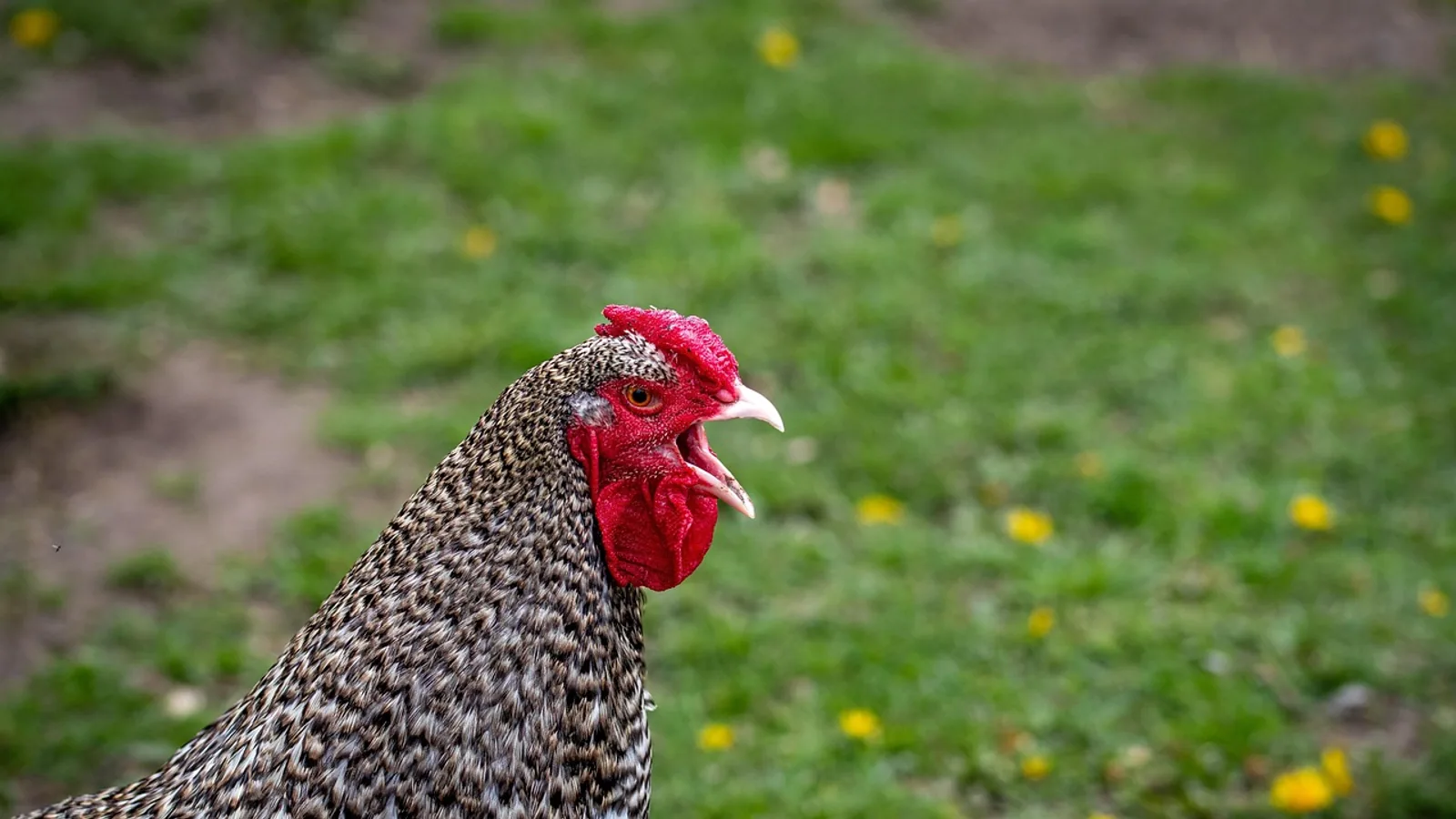
The Serama chicken is a true bantam, meaning it has no standard-sized counterpart and exists only in miniature form. The breed was developed from dwarf chicken crosses and is now kept primarily as ornamental poultry, valued for its very small body, upright posture, and confident carriage [1][2]. A mature Serama weighs a fraction of a commercial layer, and that single fact drives almost every management decision an owner will make: housing, perch height, nest box size, feed access, temperature tolerance, and breeding strategy all change when the bird itself is this small.
This profile covers the Serama breed as a distinct type rather than as a scaled-down version of a larger chicken. It gives typical adult weights in grams and kilograms, explains the housing parameters that suit a tiny bird, describes the cold-tolerance limits that make this breed a poor choice for unheated northern coops, and reviews the breeding problems that owners and breeders encounter most often. It is written for backyard keepers, veterinary students, and clinicians who see ornamental poultry in practice.
This article is educational and is not a substitute for veterinary diagnosis or treatment.
At a Glance
| Trait | Typical Serama |
|---|---|
| Type | True bantam, no standard counterpart [1][2] |
| Adult weight (hen) | Roughly 400 to 500 g (0.4 to 0.5 kg) |
| Adult weight (rooster) | Roughly 500 to 650 g (0.5 to 0.65 kg) |
| Posture | Upright, chest forward, tail high |
| Primary purpose | Ornamental, exhibition, companion |
| Cold tolerance | Low |
| Heat tolerance | Moderate to good |
| Egg size | Very small |
| Broodiness | Common in bantam lines |
| Lifespan | Often 5 to 8 years with good care |
| Handling | Calm when habituated, fragile when startled |
| Good with children | Only with close adult supervision |
Weight ranges above reflect the general size class of true bantams. Published morphometric work on small bantam breeds places roosters in the range of about 620 g and hens around 490 g for comparable miniature types [3]. The Serama sits at or below the lower end of that band, and individual birds vary with line, age, and condition [4][3].
What Makes a Serama a True Bantam
A true bantam is a chicken breed that exists only in a small form. There is no large-fowl version of the Serama, and no standard-breed hen can be bred down to produce one. This distinguishes the breed from miniaturized versions of large breeds, where a bantam counterpart exists alongside the standard bird.
The distinction matters clinically and practically. True bantams are not simply small chickens. They have their own body proportions, their own growth curves, and their own reproductive limits. Embryonic growth studies in bantam breeds show measurable differences in embryo weight between breeds that persist through hatching, and those differences are not explained by egg weight alone [5]. In other words, a bantam chick is not a scaled-down large-fowl chick. It follows a different developmental trajectory from the first days of incubation.
Genetic work on dwarf and bantam breeds supports the same conclusion. Whole-genome studies of local dwarf chicken breeds have identified selection signatures tied to body size and to the specific appearance traits that breeders selected for over many generations [6]. A separate genomic study of traditional Dutch chicken breeds found that dwarf size, or bantam type, appears among the regions of genetic differentiation that separate breeds from one another [7]. Bantam type is a heritable, selected trait, not an accident of underfeeding.
For students, the comparative point is useful. A Serama is a true bantam with dwarf-type genetics, a very small adult body, and a reproductive profile that differs from large-fowl breeds in egg size, chick vigor, and thermoregulation. Those differences are the reason this breed needs different housing and different breeding management.
History and Purpose of the Serama Breed
The Serama breed is described in the poultry literature as the result of dwarf chicken crossing, developed as a new ornamental poultry type and now popular among fanciers in Indonesia and beyond [1][2]. The breed's rise is recent rather than historical, and its popularity is driven by exhibition and hobby breeding rather than by meat or egg production.
This places the Serama within a broader pattern in poultry keeping. Ornamental and exhibition breeding has become an important reservoir of genetic diversity as commercial production narrows to a small number of high-output breeds [8]. Breeders who keep decorative birds for appearance rather than productivity maintain lines that would otherwise disappear. Population studies of local chicken breeds show that the most numerous breeds are often the ones with attractive appearance, while productive local breeds are at greater risk of extinction [8][9].
The Serama fits that pattern. It is kept because it is small, upright, and striking, not because it lays well or grows quickly. Owners should understand that the breed's purpose shapes its biology. Selection for extreme smallness and for a specific posture has consequences for body condition, egg size, and chick survival, and those consequences are the subject of the sections below.
Appearance and Conformation
The Serama is defined by three features: very small body size, an upright stance, and a high, forward-carried chest with the tail held up. The bird looks alert and vertical rather than horizontal. Even at rest, the posture reads as proud.
Morphometric studies of comparable bantam breeds use indices such as massiveness, compactness, and long-leggedness to describe body shape [3]. Small bantam breeds tend to score low on massiveness and moderate on compactness, which reflects a light, narrow body carried on relatively fine legs. Serama breeders select for a similar profile, with a short back, a full breast, and legs that are visible below the body rather than hidden by feathers.
Feathering varies by line. Some Serama carry clean legs, while others show light leg feathering. Comb type is typically small, and the head is proportioned to the body rather than to a large-fowl standard. Because the breed is exhibition-oriented, exterior faults are judged against breed standards, and studies of ornamental breeds at shows show that weight deviations, torso length, and feather distribution are among the most common faults recorded [10]. Owners who plan to show should expect to work with a breeder who tracks these traits.
Color varieties are numerous. The breed is not defined by a single plumage color, and selection pressure falls mainly on size and posture rather than on color uniformity.
Temperament and Handling
Serama chickens are typically calm and confident when they are handled regularly from a young age. They are small enough to be picked up with one hand, and many become tame companion birds. That tameness is a management advantage, because a calm bird is easier to examine, weigh, and treat.
Two cautions apply. First, the breed is fragile relative to its confidence. A startled Serama can flap hard and fall from a height that would be trivial for a larger chicken. Falls from a shoulder or a high perch can cause injury. Second, small body size means small reserves. A bird that stops eating for two days loses a meaningful fraction of its body weight quickly, and a minor illness can become serious faster than it would in a large breed.
Handling should be low to the ground, with one hand supporting the body and the other cupping the bird. Children should handle Serama only with an adult present and only while seated.
Housing the Serama Breed
Housing is where the Serama breed differs most sharply from standard backyard chickens. The general goals are the same for any flock: protection from predators, protection from drafts, a dry floor, and clean air. The specifics change because the bird is tiny.
Predator-Proofing
A Serama is small enough to be taken by predators that would ignore a full-sized hen. Hawks, owls, raccoons, foxes, snakes, rats, and even large domestic cats are realistic threats. Housing must be enclosed on all sides, including the top, with hardware cloth rather than chicken wire. Gaps larger than about 1 inch (2.5 cm) should be closed, because a small bird can pass through openings that a standard hen cannot.
Rats deserve specific mention. A rat can kill a Serama, and rats will enter a coop through openings as small as a few centimeters. Feed storage and coop flooring should be checked for rodent access.
Draft-Free and Dry
Drafts are a serious problem for a bird with limited body mass. A Serama loses heat quickly in moving air, and a damp coop compounds the problem. Housing should be dry, with bedding that stays dry, and ventilation that moves air above the birds rather than across them. High vents and low intake vents on opposite walls create airflow without a direct draft at bird level.
Wet bedding should be removed promptly. Damp litter is a respiratory and foot-health risk for any chicken, and for a Serama the chilling risk is added on top.
Warmth and Cold Tolerance
The Serama breed has limited cold tolerance. A small body has a high surface-area-to-volume ratio, which means heat loss is rapid relative to heat production. A Serama that is wet, in a draft, or on cold ground in freezing weather is at real risk of hypothermia.
Owners in cold climates should plan for supplemental heat in the coop or, better, plan to house Serama in a heated or insulated space during winter. The birds should not be expected to tolerate the same conditions as a large dual-purpose breed. Frostbite risk to comb and wattles is higher in small, thinly feathered birds, and a heated or well-insulated coop reduces that risk.
Heat is generally less of a problem, but a Serama still needs shade and cool water in summer. A small bird can overheat in a closed, unventilated coop just as a large one can.
Perch and Nest Dimensions
Perches and nest boxes should match the bird. A perch that is too high invites falls and injuries. A perch that is too thick is hard for small feet to grip.
Practical dimensions for a Serama flock:
- Perch height: 6 to 12 inches (15 to 30 cm) above the floor, with a ramp or low step for birds that struggle to fly up.
- Perch diameter: roughly 0.5 to 1 inch (1.3 to 2.5 cm), so the toes wrap around it.
- Nest box: about 6 by 6 inches (15 by 15 cm) for a single hen, with a low lip to keep eggs from rolling out.
- Floor space: allow generous space per bird, because small birds still need room to move, dust bathe, and avoid each other.
- Feeder and waterer height: raised slightly so feed is not scratched into bedding, but low enough that a small bird can reach comfortably.
Nest boxes should be at or near floor level for Serama. A hen that has to fly up to a high box risks injury and may refuse to use it.
Flooring and Bedding
Fine shavings or similar soft bedding work well. Large, coarse bedding can be awkward for small feet. The floor should be solid rather than wire, because wire flooring damages small feet and offers no insulation.
Feeding Considerations
A Serama needs a complete poultry diet formulated for its life stage. The breed is small, but it is not a different species, and its nutritional requirements follow the same general principles as other chickens. The practical difference is scale.
A Serama eats far less than a standard hen, so feed waste matters more. Feeders should be sized so that the bird can reach the feed without climbing into it, and spilled feed should be cleaned up to avoid attracting rodents. Fresh water should be available at all times, and waterers should be shallow enough that a small bird can drink without wetting its feathers.
Growing chicks need a starter diet appropriate to their age, and the transition to a grower or layer diet should follow the same schedule used for other chickens. A study of poultry chick growth across breed types found that diet composition has a measurable effect on growth performance in the first weeks of life [11]. That finding applies to Serama chicks as well: early nutrition matters, and a chick that falls behind in the first month is harder to bring back.
Owners should avoid free-feeding treats that dilute the complete diet. A Serama's total daily intake is small, so a handful of scratch or table scraps can displace a large share of its balanced nutrition.
Breeding Challenges in the Serama Breed
Breeding Serama chickens is more difficult than breeding large-fowl breeds, and the difficulties are predictable. They fall into four categories: small egg size, chick fragility, inbreeding depression, and thermoregulation.
Small Egg Size
Serama hens lay very small eggs. Small eggs mean small chicks, and small chicks have less reserve to draw on during the first days after hatch. Comparative work on bantam breeds shows that egg weight differs significantly between breeds and that embryo weight differences between breeds persist beyond what egg weight alone would predict [5]. A Serama chick starts life with a smaller energy buffer than a large-fowl chick, and that buffer is used up quickly.
Published data on small bantam breeds place mean egg weight around 34 g in one Italian bantam line [12]. Serama eggs are generally at or below the low end of that range. Owners should not expect a Serama egg to behave like a standard egg in the incubator, and they should not expect a Serama hen to produce the volume of eggs a production breed would.
Chick Fragility
Serama chicks are fragile. They chill quickly, they tire quickly, and they are easily trampled or lost in a brooder designed for larger chicks. Brooder temperature, bedding, and draft control all need to be managed more carefully than they would be for a standard breed.
Chicks should be kept on a surface that gives good footing and stays dry. Waterers must be shallow, because a Serama chick can drown in a waterer that would be safe for a large-fowl chick. Feed should be accessible without climbing, and the brooder should be checked several times a day during the first week.
Inbreeding Depression
Inbreeding is a real risk in any breed with a small population, and the Serama is no exception. Population studies of local chicken breeds show that small populations carry measurable predicted inbreeding rates, and that the least numerous breeds carry the highest risk [9]. Genetic work on rare dwarf breeds has linked low population size and declining reproductive capacity to conservation risk [6].
For Serama breeders, the practical implication is that unrelated or distantly related stock should be introduced when possible, and that records should be kept so that pairings can be planned rather than repeated. A closed line bred for many generations without outcrossing will tend to lose fertility, hatchability, and chick vigor.
Thermoregulation
Small body size makes temperature regulation harder for both chicks and adults. A Serama chick loses heat faster than a large-fowl chick, and an adult Serama loses heat faster than a standard hen. This affects brooding, transport, and winter housing.
Breeders should plan to brood Serama chicks in a controlled space, to avoid chilling during transport, and to provide warmth for adults in cold weather. A hen that is setting on eggs in cold conditions may struggle to keep both herself and her chicks warm.
Summary Table: Size, Housing, Temperature, and Breeding
| Parameter | Serama Value or Need |
|---|---|
| Adult weight, hen | Roughly 400 to 500 g (0.4 to 0.5 kg) |
| Adult weight, rooster | Roughly 500 to 650 g (0.5 to 0.65 kg) |
| Comparable bantam reference | Roosters about 620 g, hens about 490 g in a similar small breed [3] |
| Perch height | 6 to 12 inches (15 to 30 cm) |
| Perch diameter | 0.5 to 1 inch (1.3 to 2.5 cm) |
| Nest box size | About 6 by 6 inches (15 by 15 cm), at or near floor level |
| Predator protection | Fully enclosed, hardware cloth, gaps under 1 inch (2.5 cm) |
| Draft protection | High and low vents, no airflow at bird level |
| Cold tolerance | Low, supplemental heat often needed in winter |
| Heat tolerance | Moderate, shade and cool water required |
| Egg size | Very small, generally below 34 g [12] |
| Chick risk | Rapid chilling, drowning, trampling |
| Genetic risk | Inbreeding depression in small populations [6][9] |
Health Problems and Screening
Serama chickens are not disease-free, and no breed is. Owners should expect the same categories of health problems that affect other backyard chickens, with a few breed-specific twists.
Respiratory Disease
Respiratory disease is common in backyard flocks, and small breeds are not exempt. Coop air quality matters. A study of layer housing environments identified ammonia production and other microbial functions in the housing environment as relevant to bird health [13]. Ammonia buildup in a closed, poorly ventilated coop irritates the respiratory tract. For a Serama, which is often housed in a small, tightly built coop, ventilation is a specific concern.
Signs to watch for include sneezing, nasal discharge, rattled breathing, and reduced activity. Any of these warrants a veterinary examination.
Reproductive and Egg-Related Problems
Small hens can develop reproductive problems including egg binding, soft-shelled eggs, and reproductive tract infections. A Serama hen that strains without producing an egg, sits fluffed and inactive, or stops eating should be seen promptly. Small body size means a reproductive problem can become critical faster than it would in a large hen.
Parasites
External parasites such as mites and lice, and internal parasites such as worms, affect backyard poultry. Regular examination of the vent area, feathers, and perch underside helps detect external parasites early. Fecal testing can identify internal parasites.
Injury
Injury is a leading practical concern in this breed. Falls, predator attacks, and crushing by larger flockmates are all realistic. Serama should not be housed with large-fowl chickens, because even a well-meaning large hen can injure a Serama by stepping on it or by competing at the feeder.
Screening and Preventive Care
A reasonable preventive plan for a Serama flock includes:
- A veterinary examination when new birds are introduced.
- Fecal parasite testing at a schedule set by the veterinarian.
- Regular weight checks, because small birds lose weight quickly and a scale catches problems early.
- Inspection of the vent, feet, and feathers at each handling.
- Review of coop ventilation and bedding at least weekly.
Vaccination and medication decisions should be made with a veterinarian who knows the flock and the local disease situation. Doses and products are not interchangeable between breeds, and pharmacokinetic work in bantam chickens has shown that drug behavior can differ between bantam and large-fowl hens [14]. That finding supports the general principle that bantam birds should be treated as a distinct group when medications are considered.
Lifespan and Long-Term Care
Serama chickens can live for several years with good care. Lifespan depends on genetics, housing, nutrition, and disease exposure. Because the breed is small and often kept as a companion, many owners keep individual birds well into old age.
Long-term care priorities are steady nutrition, dry and draft-free housing, protection from predators, and regular veterinary checkups. Older Serama may develop arthritis, reduced mobility, and reproductive problems, and their housing may need to be adjusted so that they do not have to fly up to perches or nests.
Finding a Responsible Breeder or Rescue
A responsible Serama breeder will provide records of the bird's age, line, and health history, and will be willing to answer questions about the bird's parents. Breeders who track inbreeding and who outcross periodically are more likely to produce vigorous chicks.
Buyers should ask:
- How old is the bird, and what has it been fed?
- Has the bird been examined by a veterinarian?
- What is the bird's weight, and how does it compare with the breeder's other birds?
- Are the parents related, and how is the line managed?
- What housing has the bird been kept in?
Rescue options exist for poultry, and some Serama end up in shelters or with breed-specific rescue groups. A rescued Serama should be examined by a veterinarian before it is introduced to an existing flock.
Who Should Not Get a Serama
The Serama breed is not a good fit for every household. It is a poor choice for owners who want a cold-hardy flock that can live in an unheated northern coop without supplemental heat. It is a poor choice for households with free-roaming dogs or cats that have not been trained around poultry. It is a poor choice for owners who want a high egg yield or a meat bird.
It is also a poor choice for households with young children who cannot be supervised during handling, because the bird is fragile and a fall can cause injury.
Owners who want a calm, small, ornamental bird and who are willing to provide warm, predator-proof housing and careful handling will find the breed rewarding. Owners who want a low-maintenance backyard layer should look at a standard dual-purpose breed instead.
Limitations and When to Contact a Veterinarian
This article describes the Serama breed in general terms. Individual birds vary, and a veterinarian who examines the bird in person is the only reliable source of diagnosis and treatment advice.
Contact a veterinarian promptly if a Serama shows any of the following:
- Refusal to eat for more than 24 hours.
- Labored breathing, sneezing, or nasal discharge.
- Straining without producing an egg, or a hen that sits fluffed and inactive.
- Sudden weight loss, which in a small bird can be rapid and severe.
- Lameness, reluctance to stand, or a visible injury.
- A drop in body temperature, shivering, or a bird that feels cold to the touch.
- Any wound from a predator, even a small one.
- Diarrhea lasting more than a day.
A Serama has limited reserves. A problem that would be minor in a large hen can become an emergency in a small one, and early veterinary contact is the safest approach.
Frequently Asked Questions
How much does a Serama chicken weigh?
Most adult Serama hens weigh roughly 400 to 500 g (0.4 to 0.5 kg), and roosters weigh roughly 500 to 650 g (0.5 to 0.65 kg). Comparable small bantam breeds have been measured at about 620 g for roosters and 490 g for hens, which places the Serama at or below that band [3].
Is the Serama a true bantam?
Yes. The Serama is a true bantam, meaning it exists only in a small form and has no standard-sized counterpart. It was developed from dwarf chicken crosses and is kept as ornamental poultry [1][2].
Can Serama chickens survive cold winters?
The breed has limited cold tolerance because of its very small body size. Serama need dry, draft-free housing and often need supplemental heat in freezing weather. They should not be expected to tolerate the same conditions as a large dual-purpose breed.
What size nest box does a Serama need?
A nest box of about 6 by 6 inches (15 by 15 cm) placed at or near floor level suits a Serama hen. High nest boxes increase the risk of injury and may be refused.
Why are Serama chicks so hard to raise?
Serama chicks are fragile because they are very small. They chill quickly, tire quickly, and can drown in waterers that would be safe for larger chicks. Brooder temperature, bedding, and waterer depth all need careful management.
Do Serama hens lay many eggs?
No. Serama hens lay very small eggs and are not a productive layer breed. Mean egg weight in a comparable small bantam line was about 34 g, and Serama eggs are generally at or below that range [12].
Is inbreeding a problem in Serama chickens?
Inbreeding is a real risk in any breed with a small population. Studies of local chicken breeds show that small populations carry measurable predicted inbreeding rates and that the least numerous breeds are at highest risk [6][9]. Breeders should outcross periodically and keep records.
Can Serama chickens live with large chickens?
Serama should not be housed with large-fowl chickens. Even a calm large hen can injure a Serama by stepping on it or by competing at the feeder, and the size difference makes accidental trauma likely.
Related Articles
- Hairless Cat: Care, Health, and Breed Guide
- Rabbit Breeds: A Veterinary Guide to Size, Temperament, and Health Considerations
- Raising Chickens for Eggs: Breed Selection, Care, and Egg Production
- Cat Breeds: How to Choose a Cat by Care Needs, Health, and History
- Norwegian Forest Cat: Breed Guide, Health, and Care Tips
- Dog Breeds: Health Guide and Care Tips for Popular Types
- King Shepherd: Breed Traits, Size, and Health Risks
- Malaysian Seramas: Care for Tiny Chickens
Sources
- Penerapan Analytical Network Process Dalam Menentukan Ras Ayam Serama Simple Additive Weighting (SAW)
- Penerapan Metode Analytical Hierarchy Process (AHP) dalam Menentukan Ras Ayam Serama
- Morphological and morphometric characterization of Bulgarian local chicken breed - Southwest Bulgarian dzinka
- Comparative study on the exterior of Bulgarian bantam chicken breeds
- Growth of Bantam breeds of poultry. I. Embryonic.
- Kinglet in the Poultry Court of Russia: Whole-Genome Insights into Ancestry, Genetic Variability, Selection Footprints and Candidate Genes in a Unique Local Chicken Breed Relative to Other Bantam/Dwarf Breeds
- Genomic insight into the influence of selection, crossbreeding, and geography on population structure in poultry
- Bulgaria as a part of the world’s poultry genetic resources - Bulgarian chicken breeds
- Population status and distribution of Bulgarian indigenous chicken breeds
- Deviations of exterior characters from breedingDeviations of exterior characters from breeding standards of chicken - part II: miniature and ornamental breeds standards of chicken - part II: miniature and ornamental breeds
- Effect of Different Poultry Diets on Growth Performance of Poultry Chicks: A Case Study from a Poultry Farm
- Phenotypic and genetic characterization of the Italian bantam chicken breed Mericanel della Brianza
- Novel Insights into Metagenomic-Assembled Genomes from Layer Chicken Housing Environment.
- Pharmacokinetics and Egg Residues of Oral Meloxicam in Bantam Cochin Chickens