Malaysian Seramas: Care for Tiny Chickens
By Dr. Zubair Khalid, DVM, MS, PhD ·
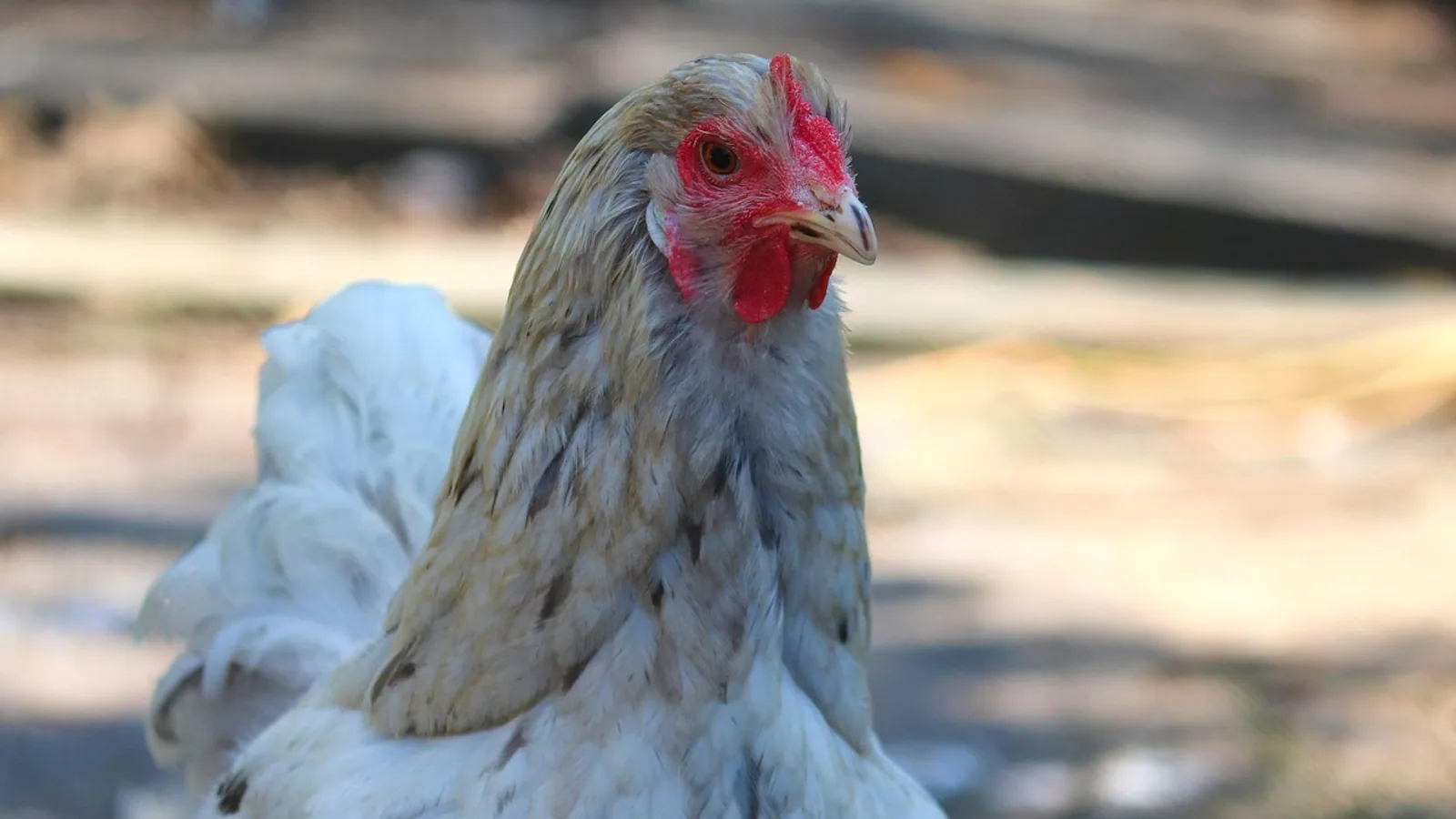
Malaysian Seramas are among the smallest chickens in the world. A healthy adult frequently weighs less than 500 g, and many breeders select for birds that stay well under that mark. The breed originated in Malaysia, where fanciers bred compact, upright chickens with a proud chest, short back, and wings carried low. Seramas are kept almost entirely as exhibition and companion birds. They are confident, alert, and unusually tame when handled from a young age, which makes them popular with families and hobbyists who want a chicken that behaves more like a small pet than a farm animal.
Their tiny body size is also their greatest vulnerability. A Serama has a very high surface-area-to-volume ratio, meaning it loses body heat quickly relative to the amount of tissue it carries. Cold, damp air, and drafts that would barely bother a standard hen can push a Serama into hypothermia within hours. They need warm, dry, draft-free housing, small feeders and drinkers, and a diet built around crumble or mash rather than standard pellets. This article covers the breed standard, the daily care that keeps Seramas healthy, the health problems they are prone to, and a practical care checklist.
This article is educational and is not a substitute for veterinary diagnosis or treatment.
At a Glance
| Trait | Typical Serama |
|---|---|
| Adult weight | Often under 500 g, with many exhibition birds smaller |
| Height | Very small, upright stance with a puffed chest |
| Plumage | Wide range of colors and patterns |
| Temperament | Confident, alert, tame with handling |
| Energy level | Active, busy foragers in a safe enclosure |
| Grooming | Minimal, routine feather and foot checks |
| Good with children | Often yes with calm, supervised handling |
| Good with other pets | Depends on the individual predator or housemate |
| Lifespan | Long for a chicken when housed correctly |
The table reflects general breed character. Individual birds vary, and a veterinarian who examines your flock is the best judge of any single bird's condition.
History and Purpose of the Malaysian Serama
The Serama was developed in Malaysia through selection for small size, an upright carriage, and a bold, almost regal presence. Breeders wanted a chicken that looked larger than it was, with a full chest, wings angled downward, and a tail held high. The result is a bird that reads as miniature but carries itself like a much bigger rooster.
The breed belongs to the broad family of bantam and dwarf chickens. Genetic work on dwarf and bantam breeds shows that small body size in chickens is not a single trait but a package of genetic changes shaped by generations of selection for a specific appearance [1]. That research on rare local dwarf breeds found that strong selection for appearance over many generations produces genetic divergence between breeds and can reduce reproductive capacity when populations stay small [1]. This matters for Serama keepers because the breed is often maintained in small, closely related flocks. Genetic diversity within a breed supports disease resistance and preserves unique breed characteristics, and low population size is a recognized risk to long-term breed health [1].
Other small and local chicken breeds studied around the world show the same pattern. The Tukong, a small rumpless breed from Indonesia, has hens averaging roughly 1,140 g and roosters around 1,434 g, with lower egg weights and clutch sizes than larger local breeds [2]. The Kadaknath of India is another small-bodied native breed, with hens around 1,200 g at 40 weeks and small eggs of about 42 to 45 g [3]. These comparisons are useful because they show what "small breed" means in poultry science. The Serama sits at the extreme low end of that range, which is why its management differs from ordinary backyard chickens.
Appearance and the Breed Standard


Serama fanciers judge birds on a combination of size, carriage, and feather quality. The classic look is a very small chicken standing tall, chest forward, head up, and wings dropped so they nearly touch the ground. The tail is full and angled upward. The legs are short and clean. Feather color is open to many varieties, and breeders often specialize in a single pattern.
Breed standards and care needs do not always point in the same direction. Exhibition selection rewards the smallest, most upright birds, while those same birds are the most fragile in cool or drafty conditions. The table below separates what a judge looks for from what the bird needs to stay healthy.
| Feature | Breed standard emphasis | Care need |
|---|---|---|
| Body size | As small as possible within the standard | Small size means fast heat loss, so warm housing matters more than for larger breeds |
| Carriage | Upright, chest forward, wings low | Upright birds expose more of the body to air movement, so drafts are a real risk |
| Feathering | Full, well-shaped plumage | Dense feathering helps, but wet or soiled feathers lose insulating value |
| Legs | Short and clean | Short legs and small feet are prone to cold, wet flooring and foot injuries |
| Temperament | Bold and alert | Bold birds still need protection from predators and from larger flock mates |
| Reproduction | Selection for show traits | Heavy selection for appearance can reduce reproductive capacity in small populations [1] |
The takeaway is simple. A bird bred to be as small and upright as possible needs more environmental protection, not less.
Temperament and Behavior
Seramas are confident and curious. They often approach their keepers, especially when raised with regular handling. Many owners describe them as friendly without being clingy. Roosters can be assertive for their size, and a Serama rooster may attempt to dominate a flock even when every other bird outweighs him several times over.
That confidence creates two practical problems. First, a Serama rooster housed with much larger hens can be injured during mating. Second, a bold Serama is more likely to wander into danger because it does not read size differences the way a larger breed does. Housing Seramas separately or with other bantams is usually safer than mixing them with standard breeds.
Seramas are active foragers when given a safe space. They scratch, dust bathe, and explore. Their small size means they can slip through gaps that would stop a normal hen, so enclosure security needs to be checked at Serama scale rather than chicken scale.
Housing: Temperature, Drafts, and Space
Housing is the single most important factor in Serama health. The breed's small body mass means it cools quickly. A standard coop that keeps large hens comfortable in cool weather can leave Seramas chilled. In cool climates, Seramas generally need heated housing or indoor accommodation, and many keepers bring them into a garage, mudroom, or indoor pen during cold snaps.
Aim to keep the coop above roughly 15°C (about 59°F) whenever possible. Below that, monitor birds closely for signs of chilling. The combination of cold and damp is worse than cold alone, because wet feathers lose their insulating loft. Drafts are the third element. Even in a warm coop, air blowing directly across a Serama pulls heat off the body fast. Block direct airflow at bird height while keeping ventilation above the birds so ammonia and moisture can escape.
Ventilation and warmth pull in opposite directions, and the solution is a coop design that separates the two. Fresh air should enter high and exit high, away from where birds sit. The area where Seramas roost or huddle should be draft-free. Bedding should stay dry. Damp bedding under a small bird is a direct route to hypothermia.
Space needs are modest in absolute terms because the birds are tiny, but they still need room to move, dust bathe, and get away from flock mates. Crowding raises humidity and ammonia, which irritates the respiratory tract. Small birds with small airways are less tolerant of poor air quality than large ones.
Indoor and Garage Housing
Many Serama keepers use indoor pens during winter. A dog crate, a large plastic tub with a wire lid, or a dedicated indoor brooder-style pen can work if it provides warmth, dryness, and airflow. Heat lamps, ceramic heat emitters, and safe radiant heaters are common choices. Whatever heat source you use, secure it so it cannot be knocked over and set bedding on fire. Small birds flutter and can startle a heat lamp loose.
Indoor housing also means indoor waste. Plan for daily bedding changes and good room ventilation. Ammonia from a small indoor pen builds up quickly in a closed room.
Outdoor Housing in Warm Climates
In warm, dry climates, Seramas can live outdoors year-round in a secure, well-ventilated coop with a covered run. Shade matters as much as warmth in hot weather. Small birds overheat quickly too, because their high surface-area-to-volume ratio works against them in both directions. Provide deep shade, cool water, and airflow during hot spells.
Feeding Malaysian Seramas
Feeding is where Serama care diverges most from ordinary chicken keeping. Standard pellets are simply too large for many Seramas to swallow comfortably. Small crumble or mash is the practical choice. Crumble breaks down further in the beak, and mash is easy for a tiny bird to pick up.
Beyond particle size, the nutritional logic is the same as for any chicken. Growing birds, laying hens, and maintenance birds have different needs. A laying Serama hen puts a large egg relative to her body size, and that output draws on her calcium and energy reserves. Body weight and egg characteristics are linked in chickens. Research on White Leghorn hens found that live body weight influenced egg length and shell index, meaning a hen's size affects the physical properties of the eggs she lays [4]. In a bird as small as a Serama, the margin between adequate and inadequate nutrition is narrow.
Practical feeding points:
- Use small crumble or mash rather than standard pellets.
- Provide grit so the bird can process food in the gizzard.
- Offer a calcium source separately for laying hens, so each bird can regulate her own intake.
- Keep feeders small and shallow. Seramas can struggle to reach into deep feeders, and they can tip over large ones.
- Keep water shallow and easy to reach. A small bird can drown in a deep waterer, so use a shallow dish or a waterer with a narrow lip.
- Watch body condition rather than relying on feed volume. A Serama that stops eating loses weight fast.
Small feeders and drinkers are not just convenient. They reduce waste, keep feed dry, and lower the risk of a bird getting wet or chilled while eating and drinking.
Common Health Problems in Seramas
Seramas are hardy when housed correctly and fragile when they are not. Most of the serious problems owners encounter trace back to temperature, air quality, or the mechanics of being very small.
Hypothermia
Hypothermia is the leading environmental risk. A Serama's small body mass and large surface area mean heat loss outpaces heat production quickly in cold, damp, or drafty conditions. Signs include huddling, fluffed feathers, inactivity, cold feet, and a reluctance to move toward food or water. A chilled bird may become unresponsive. Warm the bird gradually, provide a dry, draft-free space, and contact a veterinarian if the bird does not recover quickly. Do not use sudden high heat, which can burn small skin.
Prevention is straightforward. Keep the coop above roughly 15°C, block drafts, keep bedding dry, and bring birds indoors during cold snaps.
Egg Binding in Tiny Hens
Egg binding occurs when a hen cannot pass an egg. Small hens are at higher risk because the egg is large relative to the diameter of the reproductive tract. A Serama hen laying an egg that would be unremarkable in a larger breed is passing a proportionally much larger object. Signs include straining, sitting hunched, tail pumping, reduced appetite, and a swollen or tense abdomen. Egg binding can become life-threatening, and a bird showing these signs needs veterinary attention rather than home remedies.
Because body weight and egg characteristics are linked in chickens [4], a small hen's body condition and nutrition matter for reproductive health. Keep laying hens in good condition, provide adequate calcium, and avoid sudden stress that can disrupt laying.
Respiratory Infections
Respiratory disease in small flocks is often tied to poor ventilation. Ammonia, dust, and high humidity irritate the airway, and a small bird has less reserve to fight off infection. Signs include sneezing, nasal discharge, rattling or labored breathing, swollen eyes, and reduced activity. Some respiratory pathogens spread quickly through a flock, so isolate a sick bird and contact a veterinarian for diagnosis and treatment. Improving ventilation and reducing bedding moisture are the first management steps.
Parasites
External parasites such as mites and lice, and internal parasites such as worms, affect chickens of all sizes. Small birds have less tolerance for the blood loss and irritation that heavy parasite loads cause. Routine checks of the vent, under the wings, and around the neck help catch infestations early. Keep bedding clean, treat the flock according to veterinary advice, and quarantine new birds before adding them to the group.
Other Concerns
Small size also increases the risk of injury from larger flock mates, predators, and handling. A Serama can be seriously hurt by a child who squeezes too hard or by a dog that treats it as a toy. Foot problems from wet or rough flooring are common in short-legged birds. Watch for limping, swelling, or sores on the feet.
Screening and Veterinary Care
Routine veterinary care for a small flock focuses on a few practical items. A veterinarian can perform a physical examination, check body condition, examine the vent and feet, and look for external parasites. Fecal testing can identify internal parasites. For a laying hen with reproductive signs, a veterinarian may recommend imaging or other diagnostics to evaluate the reproductive tract.
There is no single screening panel specific to Seramas. The useful approach is a baseline examination when you acquire birds, then examinations whenever a bird shows signs of illness. Because small birds decline quickly, early veterinary contact matters more than it does for larger breeds.
Lifespan
Chickens can live for many years with good care, and Seramas are no exception when they are kept warm, dry, well fed, and protected from predators and larger flock mates. The main threats to a long life are environmental (cold, damp, poor ventilation), reproductive (egg binding), and traumatic (predators, larger birds, rough handling). Address those and a Serama can be a long-lived companion.
Grooming and Routine Care
Seramas need little grooming, but routine checks catch problems early. Once a week, check the following:
- Feathers for mites, lice, and damage.
- Feet for sores, swelling, and caked bedding.
- Vent area for cleanliness and signs of parasites.
- Eyes and nostrils for discharge.
- Body condition by feeling the breastbone.
- Beak and nails for overgrowth.
Keep bedding dry and clean. Trim nails if they become overgrown. Provide a dust bath area so birds can manage external parasites and condition their feathers.
Exercise and Enrichment
Seramas are active birds and benefit from space to move, scratch, and dust bathe. In a secure run, they will forage and explore. Add perches at a height they can reach, low dust bath boxes, and a few hiding spots so subordinate birds can get away from flock mates. Rotate simple enrichment items such as safe hanging greens or shallow trays of loose material for scratching.
Supervised outdoor time gives Seramas natural light and foraging opportunities. Keep them in a covered, predator-proof area. Hawks, raccoons, foxes, snakes, and neighborhood cats all take small chickens, and a Serama is small enough that a determined predator can carry it off through surprisingly small openings.
Finding a Responsible Breeder or Rescue
Because Seramas are a specialty breed, most birds come from breeders rather than hatcheries. A responsible breeder will:
- Show you the parent birds and the housing conditions.
- Provide health and vaccination history where applicable.
- Let you see birds of different ages, not just the smallest show birds.
- Answer questions about temperature sensitivity and feeding.
- Be honest about any known health problems in the line.
Genetic diversity matters in small breeds. Research on rare dwarf breeds found that low population size and declining reproductive capacity are real risks, and that genetic diversity supports disease resistance and breed preservation [1]. Ask breeders how they manage genetic diversity, whether they bring in unrelated birds, and how they track breeding lines.
Rescues and rehoming groups sometimes have Seramas or Serama crosses. A rescue bird may come with unknown history, so plan a veterinary examination and a quarantine period before introducing it to your flock.
Who Should Not Get a Serama
Seramas are not the right choice for every household. Consider another breed or a different pet if any of the following apply:
- You cannot provide warm, dry, draft-free housing in a cool climate.
- You want a bird that can live outdoors year-round without heated shelter in a cold region.
- You have young children who cannot handle a very small, fragile bird gently.
- You have dogs, cats, or other pets that cannot be reliably kept away from the birds.
- You want to house them with large standard-breed chickens.
- You are not prepared to check on birds daily and act quickly when one looks unwell.
Seramas reward attentive keepers. They punish neglect quickly because they have little reserve.
Care Checklist for Malaysian Seramas
Use this checklist as a daily and seasonal routine.
Daily
- Check that the coop temperature is above roughly 15°C in cool weather.
- Confirm bedding is dry and there are no drafts at bird height.
- Provide fresh small crumble or mash and clean, shallow water.
- Observe each bird for activity, appetite, and normal droppings.
- Check for signs of chilling: huddling, fluffed feathers, cold feet.
Weekly
- Inspect feathers, vent, feet, eyes, and nostrils.
- Check for mites, lice, and other external parasites.
- Clean and refill feeders and waterers.
- Assess body condition by feeling the breastbone.
- Check enclosure security at Serama scale for gaps and weak points.
Monthly and Seasonal
- Replace or refresh bedding deeply and check for moisture buildup.
- Review ventilation so fresh air enters and exits high, away from birds.
- Test heat sources before cold weather arrives and secure them against tipping.
- Plan indoor housing for cold snaps.
- Review parasite control with your veterinarian.
- Quarantine any new bird before adding it to the flock.
- Schedule a veterinary examination for any bird showing illness signs.
Limitations and When to Contact a Veterinarian
This article describes general care for the breed. Individual birds vary, and a veterinarian who examines your flock is the best source of advice for your situation.
Contact a veterinarian promptly if you see any of the following:
- A bird that is cold, unresponsive, or unable to stand.
- Straining, tail pumping, or a swollen abdomen in a laying hen, which can indicate egg binding.
- Labored breathing, rattling, sneezing, or nasal discharge.
- A bird that stops eating or drinking.
- Sudden weight loss or a sharp drop in activity.
- Lameness, swelling, or open sores on the feet.
- Heavy parasite loads or signs of anemia such as pale combs.
- Any injury from a predator or a larger flock mate.
- Multiple birds in the flock becoming ill at the same time.
Small birds decline faster than large ones. When in doubt, call your veterinarian early rather than waiting to see whether the bird improves.
Frequently Asked Questions
How cold is too cold for a Malaysian Serama?
Keep the coop above roughly 15°C (about 59°F) whenever possible. Below that, watch closely for chilling, and bring birds indoors during cold snaps.
Can Seramas eat standard chicken pellets?
Standard pellets are often too large for a Serama to swallow comfortably. Use small crumble or mash instead.
Why do Seramas get cold so easily?
Their very small body mass gives them a high surface-area-to-volume ratio, so they lose heat quickly. Cold, damp air, and drafts make it worse.
What are the most common health problems in Seramas?
Hypothermia, egg binding in hens, respiratory infections from poor ventilation, and parasites are the main concerns.
Do Seramas need heated housing?
In cool climates, yes. Many keepers use heated coops or bring Seramas indoors during cold weather.
Can Seramas live with large chickens?
It is risky. Larger hens and roosters can injure a Serama during mating or by simple size difference. Housing them separately or with other bantams is safer.
How do I know if a Serama hen is egg bound?
Signs include straining, sitting hunched, tail pumping, reduced appetite, and a swollen or tense abdomen. This is a veterinary emergency.
Are Seramas good pets for children?
They can be, with calm, supervised handling. Their small size makes them fragile, so young children should not handle them without close adult supervision.
Related Articles
- Small Dogs: Top 10 Breeds, Care Tips & Health Secrets for Tiny Companions
- Silkie Chicken Care Guide
- Bantam Chicken Care Guide
- Bumblefoot in Chickens: Surgical Drainage and Wound Care Protocol
- Raising Chickens for Eggs: Breed Selection, Care, and Egg Production
- Chicken Scratch Bacteria: Pathogens, Infection Risk, and Wound Care
- Serama Chicken Breed: Size, Care, and Health
Further Reading
- Genetic assessment and candidate genes identification for breed-specific characteristics of Qingyuan partridge chicken based on runs of homozygosity
- The sex impact on the technological and chemical characteristics of meat derived from the Polish native chicken breed
Sources
- Kinglet in the Poultry Court of Russia: Whole-Genome Insights into Ancestry, Genetic Variability, Selection Footprints and Candidate Genes in a Unique Local Chicken Breed Relative to Other Bantam/Dwarf Breeds
- Characteristics of production, reproduction, and sperm quality in Tukong, a rumpless chicken breed from Indonesia
- Kadaknath: a popular native chicken breed of India with unique black colour characteristics
- Association of Different Body Sizes and Egg Quality Characteristics in White Leghorn Chicken Breed of South Africa