Peafowl Prices: What Affects Cost and Care Needs
By Dr. Zubair Khalid, DVM, MS, PhD ·
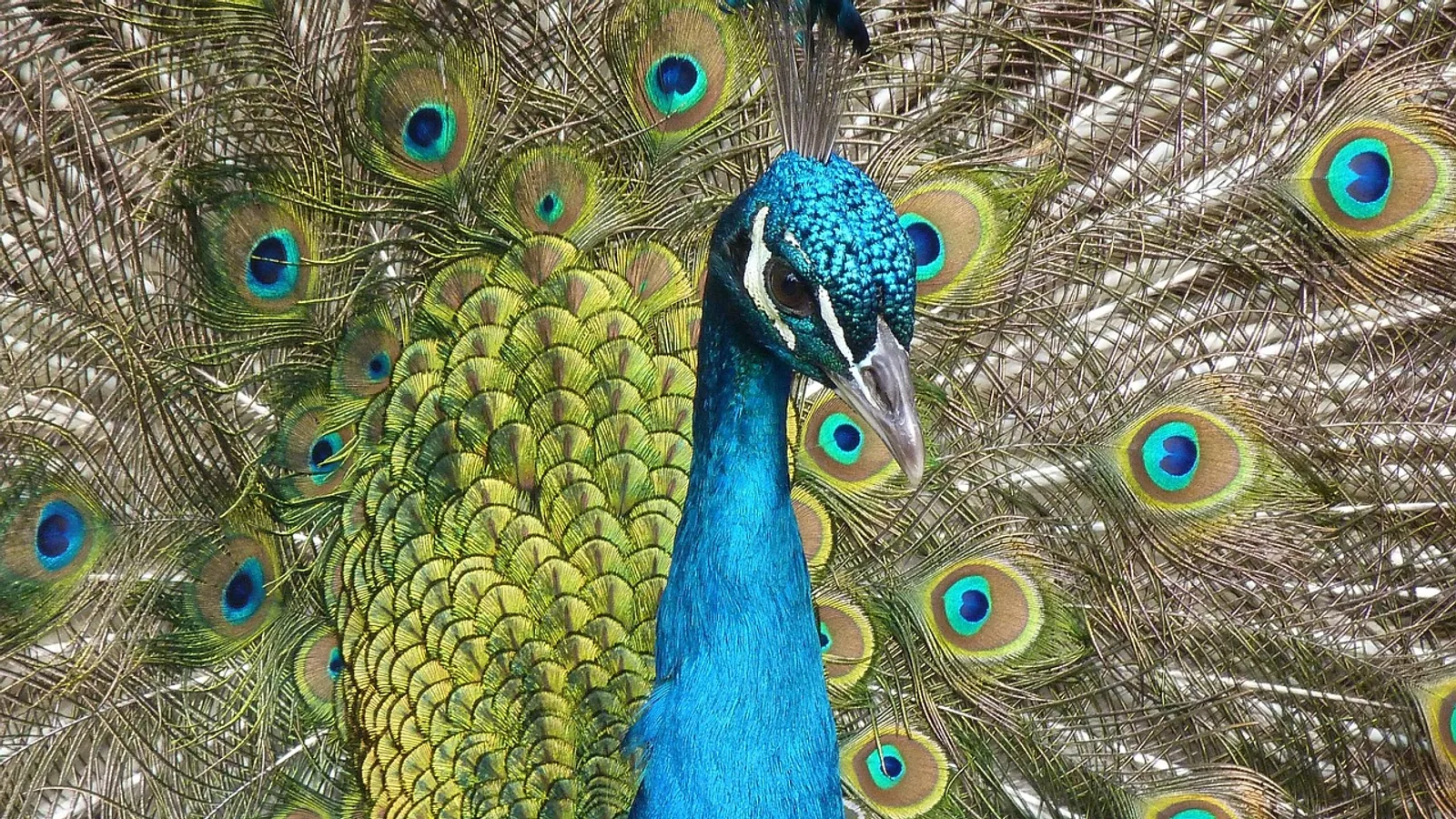
The single biggest driver of peafowl prices is not the bird's size or age but its genetics: species, color morph, and sex together set the baseline, and age and provenance then move the number up or down. As a rule of thumb, buy the plainest healthy bird you can legally house, because the rare color morphs cost several times more and demand the same feed, shelter, and veterinary attention as an Indian blue.
Peafowl prices in the United States commonly run from roughly $50 for a straight-run Indian blue chick to well over $1,000 for a proven adult of a rare morph, with most beginner purchases landing in the $150 to $400 range for a sexed young bird. Those figures are market observations, not guarantees, and they shift with season, region, and how many breeders are active locally. What does not shift is the care bill, and that is where most new owners get surprised.
This article is educational and is not a substitute for veterinary diagnosis or treatment.
Why Peafowl Cost More Than Chickens
Peafowl are not chickens with longer tails. They are large, long-lived, semi-arboreal birds that need vertical space, serious predator protection, and a decade or more of commitment. An Indian blue peafowl can live 15 to 20 years in captivity, and a green peafowl even longer, which means the purchase price is a small fraction of lifetime cost.
Two species dominate the market. The Indian blue peafowl (Pavo cristatus) is the common, hardy, domesticated species and the source of nearly all color morphs sold to backyard keepers. The green peafowl (Pavo muticus) is endangered in the wild, and conservation programs have focused on captive breeding to support reintroduction [1]. That status matters to buyers for two reasons. First, green peafowl are rarer and more expensive. Second, hybridization between the two species is real and documented. Genomic work has found recent hybridization and introgression between blue and green peafowl, including hybrid green peafowl in zoo samples carrying 16 to 34 percent blue peafowl genomic content [2]. If you intend to keep green peafowl for conservation purposes, purebred status is a genuine issue, and researchers have recommended purebred identification before any release of captive green peafowl into the wild [2].
For a backyard keeper who simply wants peafowl on the property, the Indian blue and its color morphs are the practical choice. They are the birds whose prices you will actually see advertised.
The Four Variables That Set Peafowl Prices

_male.jpg)
Species
Indian blue peafowl are the volume product. They breed readily in captivity, and supply is steady, so prices stay moderate. Green peafowl are the specialty product. They are harder to source, harder to breed, and their endangered status adds paperwork and ethical weight. Expect green peafowl prices to sit well above Indian blue prices at every age and sex, and expect far fewer sellers.
Color Morph
Color morphs are the biggest single multiplier in the hobby. The wild-type Indian blue is the baseline. White, pied, black-shoulder, cameo, and purple are the morphs most often traded in the US, and each carries its own price premium based on how many breeders produce it and how striking it looks.
These morphs are not random. They follow Mendelian inheritance, meaning a specific morph appears only when the right genes combine. Some combinations are rare because they require two recessive traits at once, or because the visual result is only expressed in one sex. The leucistic plumage of the white peafowl, for example, has a defined genetic basis that researchers have now mapped at the molecular level [2]. When a morph depends on a rare gene combination, supply stays low and price stays high, regardless of how many total peafowl are bred each year.
Black-shoulder is a useful example of how inheritance shapes price. It is a well-established morph with a steady following, so it sits above wild-type but below the rarest combinations. Cameo and purple tend to be scarcer in most markets. A bird that combines two morphs, such as a white-eyed pied or a purple black-shoulder, can command a premium because the breeder had to plan the pairing deliberately.
Age
Age changes price in a predictable direction. Chicks are cheapest because they are unsexed, fragile, and carry no proven breeding value. Yearlings cost more because they have survived the risky first months. Adults cost the most because they are sexed, often proven breeders, and their color morph is fully visible.
The trade-off is real. A chick at $50 sounds like a bargain until you account for brooder heat, starter feed, and the possibility that you raised a male when you wanted a hen. An adult at $400 removes that uncertainty but costs eight times as much up front. Most first-time buyers are best served by a sexed yearling, which balances price against predictability.
Sex
Peahens are usually cheaper than peacocks in the pet market, because a single male can service several hens and most buyers want the train. In the breeding market the math flips. A proven peahen of a rare morph can cost more than a peacock of the same morph, because she is the limiting factor in producing more of that morph.
Sex also determines noise. The loud breeding call is a peacock behavior, and it is the single most common reason neighbors complain. If you buy an unsexed chick hoping for a quiet bird, understand that roughly half of them will grow into a calling male.
Peafowl Price Table by Morph, Age, and Sex
The bands below reflect typical US market ranges for healthy, privately sold birds. They are not quotes, not guarantees, and not tied to any seller. Rare morphs and proven breeders can exceed these bands, and distressed or unregistered stock can fall below them.
| Morph | Age and Sex | Typical Price Band (USD) |
|---|---|---|
| Indian blue (wild-type) | Chick, unsexed | $50 to $100 |
| Indian blue (wild-type) | Yearling, sexed pair | $150 to $300 |
| Indian blue (wild-type) | Adult, proven pair | $300 to $500 |
| White (leucistic) | Chick, unsexed | $100 to $200 |
| White (leucistic) | Yearling, sexed | $250 to $450 |
| White (leucistic) | Adult, proven pair | $500 to $900 |
| Pied | Chick, unsexed | $75 to $150 |
| Pied | Yearling, sexed | $200 to $400 |
| Pied | Adult, proven pair | $400 to $750 |
| Black-shoulder | Chick, unsexed | $100 to $200 |
| Black-shoulder | Yearling, sexed | $250 to $500 |
| Black-shoulder | Adult, proven pair | $500 to $900 |
| Cameo | Chick, unsexed | $150 to $300 |
| Cameo | Yearling, sexed | $350 to $600 |
| Cameo | Adult, proven pair | $600 to $1,100 |
| Purple | Chick, unsexed | $150 to $300 |
| Purple | Yearling, sexed | $350 to $650 |
| Purple | Adult, proven pair | $650 to $1,200 |
| Green peafowl | Any age, sexed | $800 to $2,500+ |
| Multi-morph combination | Adult, proven pair | $1,000 to $2,500+ |
Treat the top rows as the realistic entry point and the bottom rows as the collector tier. A buyer who wants one nice pair for a rural property rarely needs to go past the Indian blue or pied rows.
What the Purchase Price Does Not Cover
The bird is the cheap part. Housing, fencing, feed, and veterinary care over a 15-year lifespan will dwarf any of the numbers above. Budget for the setup before you budget for the bird.
Shelter Space
Peafowl need shelter with enough room to move without crowding. A working figure is 8 to 10 square feet per bird inside the shelter, with additional covered run space beyond that. Peafowl are large birds, and cramming them into a chicken coop invites injury and disease. They also want high perches. In the wild they roost off the ground, and captive birds that cannot perch high will roost on roofs, fences, and vehicles instead.
Predator Proofing
Peafowl are ground-roosting targets for foxes, coyotes, raccoons, and free-roaming dogs if they cannot get high enough. A predator-proof shelter means a solid roof, buried or skirted wire, and a latch that a raccoon cannot open. This is not optional equipment. It is the difference between keeping peafowl and feeding wildlife.
Legal Status and Permits
This is the step most buyers skip, and it is the one that can end the project after the money is spent. Many jurisdictions require permits to keep peafowl, and some ban free-ranging birds outright. Local zoning, homeowner association rules, and municipal animal ordinances all apply, and they vary enormously from one town to the next.
Before you pay a deposit, call your city or county animal control office and your zoning department. Ask three specific questions. Is a permit required to keep peafowl on this property? Is free-ranging allowed, or must the birds be confined? Are there any exotic or non-poultry animal restrictions that cover peafowl? Get the answer in writing if you can. A seller who has kept peafowl for years in a neighboring county is not evidence that your property is legal.
Noise Ordinances
The peacock's breeding call is loud and carries a long distance. It is seasonal, tied to breeding, and not something you can train away. Many municipalities have noise ordinances that a peacock call can trigger, and neighbors who did not know you were keeping peafowl may file complaints. If you live on a small lot or near close neighbors, a peacock is a genuine risk. A pair of peahens avoids the call entirely, which is one reason some buyers choose hens only.
Health and Care Costs Owners Underestimate
Peafowl are hardy compared with many ornamental birds, but they are not disease-proof, and several conditions are documented specifically in this species.
Skeletal and Nutritional Problems
Captive-bred green peafowl frequently develop skeletal deformities, and this is a recognized bottleneck in conservation breeding programs [1]. The work points to diet rather than anatomy. Wild peafowl consume plants from the genus Pistacia, while captive birds typically receive a standardized diet dominated by Glycine. Captive-bred birds show significantly reduced gut levels of metabolites that regulate bone turnover, including quercetin, taurine, urolithin A, and luteolin, and these metabolites are modulated by gut bacteria including Escherichia and Staphylococcus [1]. The practical takeaway for owners is that diet quality during growth affects bone development, and a cheap, generic feed ration is a false economy.
Skeletal disease is not limited to green peafowl. A captive five-year-old female Indian blue peafowl in California developed fatal tracheal collapse with abnormal bone formation in the tracheal cartilage, alongside osteopenia in the leg bones [3]. The case was unusual, but it shows that bone and cartilage health in captive peafowl can fail in ways owners would never predict from the outside.
Parasites and Infectious Disease
Peafowl are susceptible to histomonosis (blackhead disease), a protozoal infection that causes necrotizing typhlitis and hepatitis. A case in Greece involved two peafowl, aged four and eight months, from a free-range farm that housed multiple avian species. Both birds showed depression, anorexia, and apathy in the week before death, and postmortem examination found enlarged livers with necrotic lesions and distended caeca with ulceration and peritonitis [4]. Mixing peafowl with other poultry species raises this risk, and free-ranging on shared ground raises it further.
Peafowl also carry zoonotic potential. A survey of captive wildlife at a bird park in China found Blastocystis in 13.73 percent of fecal samples across 25 percent of species tested, including peafowl, with zoonotic subtypes ST1, ST3, ST5, and ST27 detected [5]. This is a reason to practice good hygiene around birds and their droppings, particularly with children and immunocompromised people in the household.
Avian influenza surveillance has also detected the virus in peafowl. An H6N2 strain was isolated from a healthy green peafowl at a wildlife park in China, and the isolate replicated efficiently in the lungs of infected mice [6]. This supports routine biosecurity and periodic surveillance rather than complacency.
Coronaviruses have been detected in captive peafowl as well. A study of captive birds in a Brazilian zoological park found coronavirus RNA in black-shouldered peafowl, with a sequence that clustered separately from samples previously described in England [7]. The finding is a reminder that captive collections can harbor viruses that are not obvious from appearance alone.
The Practical Care Budget
Veterinary care for peafowl is not the same as for a chicken. Avian veterinarians who treat peafowl are not available everywhere, and a single diagnostic workup can cost more than the bird. Owners should identify a poultry or avian veterinarian before purchase, not after a bird gets sick. Routine costs to plan for include fecal testing, deworming as directed by a veterinarian, and a necropsy if a bird dies unexpectedly, which is how several of the conditions above are actually diagnosed.
Worked Scenarios
Scenario one: a rural property, one pair for display. A buyer with five acres and no close neighbors wants one pair of Indian blue peafowl. A sexed yearling pair runs $150 to $300. Shelter at 8 to 10 square feet per bird, a predator-proof run, and high perches add several hundred dollars in materials. Total first-year outlay is modest, and the main ongoing risk is the peacock's breeding call, which is unlikely to bother anyone at that distance.
Scenario two: a suburban lot with a homeowners association. A buyer with a quarter-acre wants a white peacock for appearance. The bird itself may cost $250 to $450 as a sexed yearling, but the permit question and the noise ordinance question come first. If the association bans poultry or the town requires a permit that is not granted for small lots, the project stops regardless of price. A pair of peahens is the lower-risk alternative if the goal is birds on the property rather than a train.
Scenario three: a small breeder targeting a rare morph. A buyer wants to produce cameo or purple birds. The entry cost is a proven pair at $600 to $1,200, plus the genetics knowledge to plan pairings, since these morphs follow Mendelian inheritance and some combinations require specific carrier status. This tier rewards patience and record-keeping far more than it rewards spending.
Scenario four: a conservation-minded buyer considering green peafowl. Green peafowl prices start around $800 and climb quickly. Beyond cost, the buyer faces the hybridization problem. Documented blue peafowl genomic content in hybrid green peafowl means purebred status cannot be assumed from appearance [2]. Anyone buying green peafowl for conservation should expect to verify provenance and should not plan to release birds without purebred identification [2].
Common Mix-Ups
Confusing the purchase price with the cost of ownership. The bird is the smallest line item. Shelter, fencing, feed, and veterinary care dominate.
Assuming a chick is a bargain. Unsexed chicks are cheap because the outcome is uncertain. If you need a hen, a sexed yearling is often cheaper in real terms.
Buying before checking the law. Permits, free-ranging bans, and noise ordinances are local and enforceable. A verbal assurance from a seller does not protect you.
Treating color morphs as cosmetic only. Morphs follow Mendelian inheritance, and rare combinations are rare because the genetics are restrictive. Paying a premium does not make the bird easier to keep.
Mixing peafowl with other poultry without thinking about disease. Blackhead disease has killed peafowl on mixed free-range farms [4], and captive collections have tested positive for Blastocystis, avian influenza, and coronavirus [5][6][7].
Skipping the high perches. Peafowl roost off the ground. A shelter without high perches will be ignored in favor of your roof.
Limitations and When to Contact a Veterinarian
This article covers market ranges and general care considerations. It cannot tell you what a specific bird is worth, whether your property is legal for peafowl, or what is wrong with a bird that looks unwell.
Contact a veterinarian promptly if a peafowl shows open-mouth breathing, lethargy, drooping wings, or a sudden change in posture, since these were the presenting signs in a fatal tracheal case [3]. Seek veterinary attention for depression, anorexia, or apathy, especially in young birds on mixed-species farms, because these signs preceded death in documented blackhead cases [4]. Any bird with diarrhea, weight loss, or a swollen abdomen should be examined, and any unexpected death warrants a necropsy so that the cause is known rather than guessed.
Find an avian or poultry veterinarian before you buy peafowl. Not every practice treats them, and the conditions described here are diagnosed by postmortem examination and laboratory testing, not by looking at the bird.
Frequently Asked Questions
How much do peafowl cost?
Most Indian blue peafowl sell for $50 to $500 depending on age and sex, while rare color morphs and green peafowl run from several hundred to over $1,000. Prices vary by region, season, and local supply.
Are white peafowl more expensive than blue peafowl?
Yes, white peafowl typically cost two to three times more than wild-type Indian blue peafowl at the same age and sex. The white plumage has a defined genetic basis, and supply is smaller than for the common blue.
Do peafowl need a permit?
Many jurisdictions require permits to keep peafowl, and some prohibit free-ranging birds. Requirements are set locally, so check with your city or county animal control and zoning office before buying.
Are peafowl noisy?
Peacocks produce a loud breeding call that carries a long distance and can trigger noise complaints. Peahens do not make this call, so a hen-only group is quieter.
How much space do peafowl need?
Plan for 8 to 10 square feet per bird inside the shelter, with additional run space and high perches. Peafowl roost off the ground and need vertical space as much as floor space.
Can peafowl live with chickens?
They can share ground, but mixing species raises disease risk. Blackhead disease has killed peafowl on mixed free-range farms, and captive peafowl have tested positive for several infectious agents, so biosecurity matters.
Related Articles
- How Much Does a Vet Visit Cost? Why Prices Vary
- How Much Does a Dog Wellness Exam Cost? A Price Breakdown
- How Much Does a Vet Prescription Cost? Price Comparison Tips
- How Much Does an Emergency Vet Visit Cost? A Price Breakdown
- Koi Fish Price Guide: Factors Influencing Cost and Where to Buy
- How Much Does a Vet Blood Test Cost? Price Guide for Dogs and Cats
- Bengal Cat Price Guide and Ownership Costs
- Dog Calorie Calculator: Daily kcal Needs by Weight
- Cochin Hen: Breed Profile and Care Needs
Sources
- Deficiency of Natural Plant-Derived Gut Metabolites Is a Potential Cause of Skeletal Deformities in Captive-Bred Green Peafowl (Pavo muticus).
- Genomic evidence for hybridization and introgression between blue peafowl and endangered green peafowl and molecular foundation of leucistic plumage of blue peafowl.
- Fatal tracheal collapse and ossification in an osteopenic captive Indian blue peafowl in California.
- Case of fatal Histomonas meleagridis infection (blackhead disease) in two peafowl (Pavo cristatus) in Greece.
- Molecular characterization and subtype analysis of Blastocystis sp. in captive wildlife in Henan, China.
- Phylogenetic and pathogenic analysis of a novel H6N2 avian influenza virus isolated from a green peafowl in a wildlife park.
- Genetically diverse coronaviruses in captive bird populations in a Brazilian zoological park.