Bantam Chicken Care Guide
By Dr. Zubair Khalid, DVM, MS, PhD ·
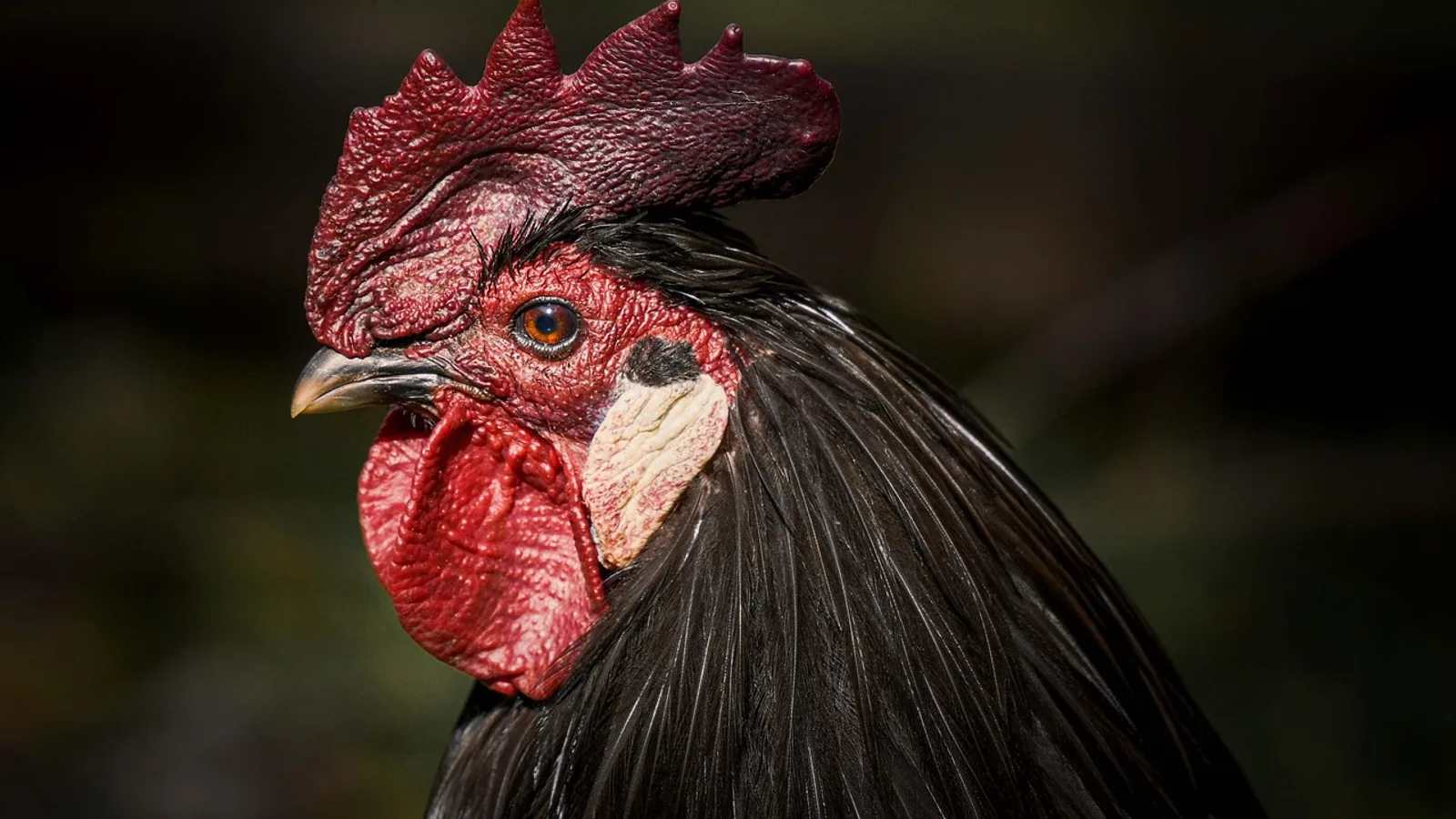
Key Takeaways
- Bantam chickens require a balanced diet with specific protein percentages: 20-24% for growers and 16-18% for layers, supplemented with adequate calcium (3-4%) and grit for digestion.
- Biosecurity is paramount, necessitating a 30-day quarantine for new birds and limiting contact with wild birds and rodents to prevent transmission of diseases like avian influenza (H5N8, H3N3) and Newcastle disease (NDV).
- Vaccination against Marek's disease and Newcastle disease is recommended, with genotype-matched ND vaccines demonstrating improved field protection.
- Bantams are susceptible to coccidiosis, with rapid diagnosis achievable via multiplex RAA-CRISPR assays, and treatment options including herbal anticoccidials and orthodox drugs like diclazuril.
- Zoonotic pathogens like Campylobacter jejuni pose a risk, and emerging alternatives to antibiotics, such as antimicrobial peptides (AMPs) and bacteriophages, are being developed for poultry.
- Due to their smaller size, bantams are more vulnerable to predation, requiring secure enclosures with covered runs, and are also more susceptible to temperature extremes, necessitating appropriate shelter and supplemental heat or shade.
Bantam chickens are miniature versions of standard chicken breeds, prized for their small size, docile temperament, and ornamental value. Whether kept as pets, for egg production, or as part of a backyard flock, bantams require specialized care to thrive. This comprehensive veterinary guide covers everything from housing and nutrition to health management and family suitability, integrating recent scientific findings and authoritative veterinary guidelines.
Quick Q&A
Question: What is the best feed for bantam chickens?
Answer: Bantams require a balanced diet with 16-18% protein for layers and 20-24% for growers. Offer a complete commercial feed formulated for small breeds or mix standard poultry feed with additional grains. Ensure constant access to fresh water and avoid overfeeding to prevent obesity.
Why Bantam Chickens?
Bantams are ideal for small spaces, families with children, and novice keepers. Their reduced size (typically 1/4 to 1/3 the weight of standard chickens) makes them manageable, and many breeds are calm and friendly.
Small Size and Space Requirements
Bantams require less horizontal space. A minimum of 2-3 square feet per bird inside the coop and 8-10 square feet per bird in an outdoor run is recommended, though more is always better. Vertical space for perching is also important. According to the AVMA Guidelines for Poultry Housing, adequate ventilation and protection from predators are essential. Bantams are more vulnerable to predation due to their size, so secure enclosures and covered runs are strongly advised.
Eggs: Quantity and Quality
Bantam hens lay smaller eggs than standard breeds, but the eggs are rich and flavorful. Many bantam breeds lay 150-200 eggs per year. Their eggs are prized by gourmet cooks and are often more nutritious per gram. Studies have shown that supplementing layers with probiotics and synbiotics can improve egg weight, shell quality, and feed conversion ratio (FCR). Quercetin, a flavonoid found in certain fruits and vegetables, has also been reported to improve egg production in aging hens.
Suitability for Families and Children
Bantams are generally friendly and less intimidating for children. Their gentle nature makes them excellent educational pets. The AVA Pet Ownership Guidelines emphasize the importance of supervised interaction between children and poultry to prevent injury and disease transmission. Always practice good hand hygiene after handling bantams or their eggs to reduce risk of Campylobacter or Salmonella infection.
Housing and Husbandry
Coop Design and Bedding
The coop should be dry, draft-free, and well-ventilated. Use absorbent bedding such as pine shavings or straw, and clean regularly to reduce ammonia build-up. Perches should be low and rounded to accommodate small feet. Nest boxes should be placed at a low height (12-18 inches) and lined with soft material.
Temperature and Climate
Bantams are cold-hardy but can suffer in extreme conditions. Provide supplemental heat in severe winter weather if temperatures drop below freezing for extended periods. In hot climates, ensure shade and ample water to prevent heat stress. The Merck Veterinary Manual notes that bantams have a higher surface-area-to-volume ratio making them more susceptible to heat loss, meaning they may require additional insulation in winter.
Biosecurity
Biosecurity is critical to prevent disease introduction. Quarantine new birds for at least 30 days. Limiting contact with wild birds and rodents reduces risks of avian influenza (H5N8, H3N3) and Newcastle disease (NDV). Vaccinate against Marek's disease and Newcastle disease as recommended by a veterinarian. Genotype-matched Newcastle disease vaccines have shown improved protection in the field.
Nutrition and Feeding
Diet Formulation
Bantams need a well-balanced ration. Commercial feed for small breeds or standard layer feed supplemented with cracked corn, oats, or millet works. Ensure adequate calcium for egg-laying hens (3-4% calcium) and grit for digestion. Protein levels should be adjusted based on life stage: 20-24% for growing chicks, 16-18% for layers, and 14-16% for non-layers.
Feed Additives and Supplements
Natural feed additives can enhance health and performance. Mountain celery powder has been shown to reduce hepatic lipogenesis and improve antioxidant status in broilers, potentially applicable to bantams. Prebiotics and probiotics improve gut health, reduce mortality, and may lower the need for antibiotics. Antimicrobial peptides (AMPs) are emerging alternatives to antibiotics to combat multidrug-resistant bacteria in poultry.
Water Quality
Clean, fresh water must always be available. Change water daily and clean drinkers frequently to prevent biofilm and bacterial contamination.
Health and Disease Prevention
Common Diseases in Bantams
Bantams are susceptible to the same diseases as standard chickens but may be more vulnerable due to size. Key diseases include:
- Coccidiosis, caused by Eimeria species. Diagnosis using multiplex RAA-CRISPR assays allows rapid species identification. Herbal anticoccidials (e.g., Cocci00) and orthodox drugs (diclazuril, amprolium) are effective.
- Campylobacteriosis, Campylobacter jejuni is a zoonotic pathogen. Post-transcriptional modifications play a role in host immune response. Phage-based products are under development as alternatives to antibiotics.
- Newcastle Disease, highly contagious; vaccination with genotype-matched vaccines reduces shedding.
- Avian Influenza, H5N8 and H3N3 strains have zoonotic potential. Biosecurity and surveillance are essential.
- Marek's Disease, a viral neoplastic disease; genetic resistance can be identified through genomic signatures.
- Parasites, external mites (e.g., Dermanyssus gallinae) can be treated with essential oils like caryophyllene oxide from Toona sinensis. Internal parasites such as Cryptosporidium (affecting bursa) require diagnosis and management.
Vaccination Schedule
Consult a veterinarian for a program tailored to your region. Core vaccines often include:
- Newcastle disease (live or recombinant) at day-old and booster at 2-3 weeks.
- Marek's disease (in ovo or day-old)
- Infectious bronchitis (IBV), recombinant vaccines protect against circulating strains.
- Fowl pox (if endemic)
Antibiotic Stewardship
Overuse of antibiotics promotes multidrug resistance (MDR). Studies in Nigerian poultry farms found high MDR in E. coli and Proteus mirabilis, with resistance to meropenem and cephalosporins. Alternatives such as AMPs (TeBi1, TeRu4) and bacteriophages offer promising solutions. Always follow withdrawal periods to prevent residues in eggs.
Flea and Tick Control
Fluralaner (oral) has shown efficacy against pyrethroid-resistant Triatoma infestans in chicken hosts, providing a novel approach for vector control. This is especially relevant in regions where Chagas disease vectors are present (Central/South America).
Breeding and Broodiness
Bantam hens are often excellent broodies and mothers. Their small size makes them ideal for hatching eggs from other breeds. Ensure a clean, quiet nesting area. Fertility is generally high; research on chicken spermatogenesis reveals unique Sertoli cell adaptations supporting high sperm density. For breeding, provide optimal nutrition and minimize stress.
Family Suitability and Children
Bantams can be safe and educational for children when supervised. Teach children to approach birds calmly, avoid sudden movements, and wash hands after contact. The CVMA and AVA recommend that children under five avoid direct contact with poultry due to risk of salmonellosis. Older children can participate in feeding, egg collection, and health checks.
Summary
Bantam chickens offer a rewarding experience for backyard poultry keepers. Their small size, manageable egg production, and gentle temperament make them suitable for families with limited space. By following evidence-based husbandry practices, implementing biosecurity measures, and consulting veterinary guidance, keepers can ensure the health and wellbeing of their bantam flock while minimizing risks of zoonotic disease.
Related Clinical & Scientific Guides
- Avian Emergency and Critical Care: Triage, Stabilization, and Supportive Therapy
- Avian Cardiology: Heart Disease Diagnosis and Management in Birds
- Avian Biosecurity for Small Flocks: Preventing Disease Introduction and Spread
References
Demirsoy E, Parkin TI, Mihalynuk SE, et al. Efficacy and safety evaluation of AI-identified antimicrobial peptides targeting APEC in broilers. J Anim Sci Biotechnol. 2026. Ibanga IA, Ekong US, Akan OD, et al. Antibiotic resistance in chicken gut bacteria: a study on some Nigerian poultry farms. BMC Microbiol. 2026. Imtiaz H, Liu R, Li QH, et al. Reduction in microbiota-derived SCFAs contributes to pathogenesis of pulmonary arterial hypertension. Respir Res. 2026. Guo L, Cui K, Yang Y, et al. Field-deployable multiplex RAA-CRISPR/Cas12a platform for detection of seven Eimeria species in chickens. Poult Sci. 2026. Abedi M, Hassanzadeh M, Bashashati M, et al. Comparative efficacy of three mismatched enterotropic ND vaccines against genotype VII challenge. Trop Anim Health Prod. 2026. Bedair NM, Sakr MA, Mourad A, et al. Genetic characterization of HPAI H5N8 from Egyptian poultry farms reveals zoonotic potential. Arch Virol. 2025. Wang Q, Qu Y, Sun Y, et al. NDV hijacks chicken RBCs as dissemination vehicles. Vet Res. 2025. Xu G, Gu Z, Wang Z, et al. Unique Sertoli cell adaptations support enhanced spermatogenesis in chickens. J Anim Sci Biotechnol. 2025. Hao M, Xie Y, Li C. Integrating transcriptome and metabolome reveals sex-dependent meat quality regulation in Xiaoxiang chickens. BMC Genomics. 2025. Chen J, Hu C, Wang Y, et al. Succinic acid-driven gut-fat axis orchestrates abdominal fat deposition in chickens. J Anim Sci Biotechnol. 2025. Alidadiani G, Zendehdel M, Mahdavi K. Central administration of CNP modulates food consumption in broilers. Vet Res Commun. 2025. Rocha-Bazán M, Alvedro A, Vázquez-Cañás C, et al. Treatment of chickens with fluralaner induced mortality in pyrethroid-resistant Triatoma infestans. Parasit Vectors. 2025. Song M, Liang J, Wang S, et al. E627V mutation in PB2 promotes mammalian adaptation of H10N3 AIV. Vet Res. 2025. Obi CF, Aneru GE, Okpala MI, et al. Comparative efficacy of herbal and orthodox anticoccidial drugs in broilers infected with mixed Eimeria. Trop Anim Health Prod. 2025. Zhao Y, Wang Y, Ren Y, et al. Direct RNA sequencing reveals chicken post-transcriptional modifications in response to Campylobacter jejuni. BMC Genomics. 2025. Satomura H, Kimura Y, Nakamura M, et al. Efficacy of modified technique for 1 cm core needle biopsy using 2 cm cutting length. Abdom Radiol. 2025. Mahmoud MAM, Said AEA, Abd-Elhafeez HH, et al. Maize stover burning exposure and health risk in broilers. BMC Vet Res. 2025. Fan W, Cao K, Wang D, et al. Caryophyllene oxide from Toona sinensis essential oil shows insecticidal activity against poultry red mite. Vet Parasitol. 2025. Zhang C, Zhao C, Huang J, et al. Emergence of a novel reassortant H3N3 AIV with enhanced pathogenicity and transmissibility in chickens. Vet Res. 2025. Kwon DH, Gim GM, Yum SY, et al. Cas9-expressing cattle using PiggyBac transposon system. BMC Genomics. 2025. Lin L, Feng K, Shao G, et al. Construction and efficacy of recombinant QX-like IBV vaccine strain. Virus Genes. 2025. Xin C, Zhou J, Chen Y, et al. Quantitative fluorescent detection of tetracycline in animal-derived foods using quantum dots. Appl Microbiol Biotechnol. 2024. Wei S, Amevor FK, Du X, et al. Quercetin mitigates iron-induced cell death in chicken granulosa cell. J Anim Sci Biotechnol. 2024. Amoia CF, Chengula AA, Hakizimana JN, et al. Development of a genotype-matched ND DNA vaccine adjuvanted with IL-28b. Vet Res Commun. 2024. Tam A, Contreras K, Fall F, et al. Development of CEUS-guided HIFU system for coagulation of liver. J Trauma Acute Care Surg. 2025. Campbell ZA, Njiru N, Mhone AL, et al. Gender-responsive design of bacteriophage products for chicken keepers in Kenya. Viruses. 2023. Morillas Pérez J, Mechó Meca S, Caballero Galindo G, et al. Validation of augmented reality-assisted vascular puncture. J Vasc Access. 2024. Wu G, Xu S, Zhang W, et al. Arih2 gene influences immune response and tissue development in chicken. Biosci Rep. 2019. Liu L, Yi J, Ray WK, et al. Fasting differentially alters the hypothalamic proteome of anorexic vs obese chicken lines. Nutr Diabetes. 2019. Cui Z, Song D, Qi M, et al. Revisiting infectivity and pathogenicity of Cryptosporidium avium. Parasit Vectors. 2018. Yan L, Hu J, Lei J, et al. Novel protein chip for detection of antibodies against IBV. BMC Vet Res. 2018. Xu L, He Y, Ding Y, et al. Genetic assessment of inbred chicken lines indicates genomic signatures of resistance to Marek's disease. J Anim Sci Biotechnol. 2018. Ahmadipour B, Hassanpour H, Khajali F. Evaluation of hepatic lipogenesis and antioxidant status of broilers fed mountain celery. BMC Vet Res. 2018. Chang KW, Tseng YT, Chen YC, et al. Stage-dependent piRNAs in chicken implicated roles in modulating male germ cell development. BMC Genomics. 2018. Ren GJ, Fan XC, Liu TL, et al. Genome-wide analysis of differentially expressed profiles during Cryptosporidium baileyi infection. BMC Genomics. 2018. Sabra M, Dimitrov KM, Goraichuk IV, et al. Phylogenetic assessment of pigeon-derived virulent NDV in Eastern Europe, Asia, and Africa. BMC Vet Res. 2017. Tang SGH, Sieo CC, Ramasamy K, et al. Performance and serum parameters of laying hens fed prebiotic, probiotic and synbiotic. BMC Vet Res. 2017. Qumar S, Majid M, Kumar N, et al. Genome dynamics of MDR Helicobacter pullorum from broiler and free-range chickens in India. Appl Environ Microbiol. 2017. Sanchez-de-Toledo J, Villaverde I. Advanced low-cost ultrasound-guided vascular access simulation: chicken breast model. Pediatr Emerg Care. 2017. Zhao SG, Shilkrut M, Speers C, et al. Development and validation of novel platform-independent metastasis signature in breast cancer. PLoS One. 2015.