Cuckoo Maran Chicken: Eggs, Temperament, Care
By Dr. Zubair Khalid, DVM, MS, PhD ·
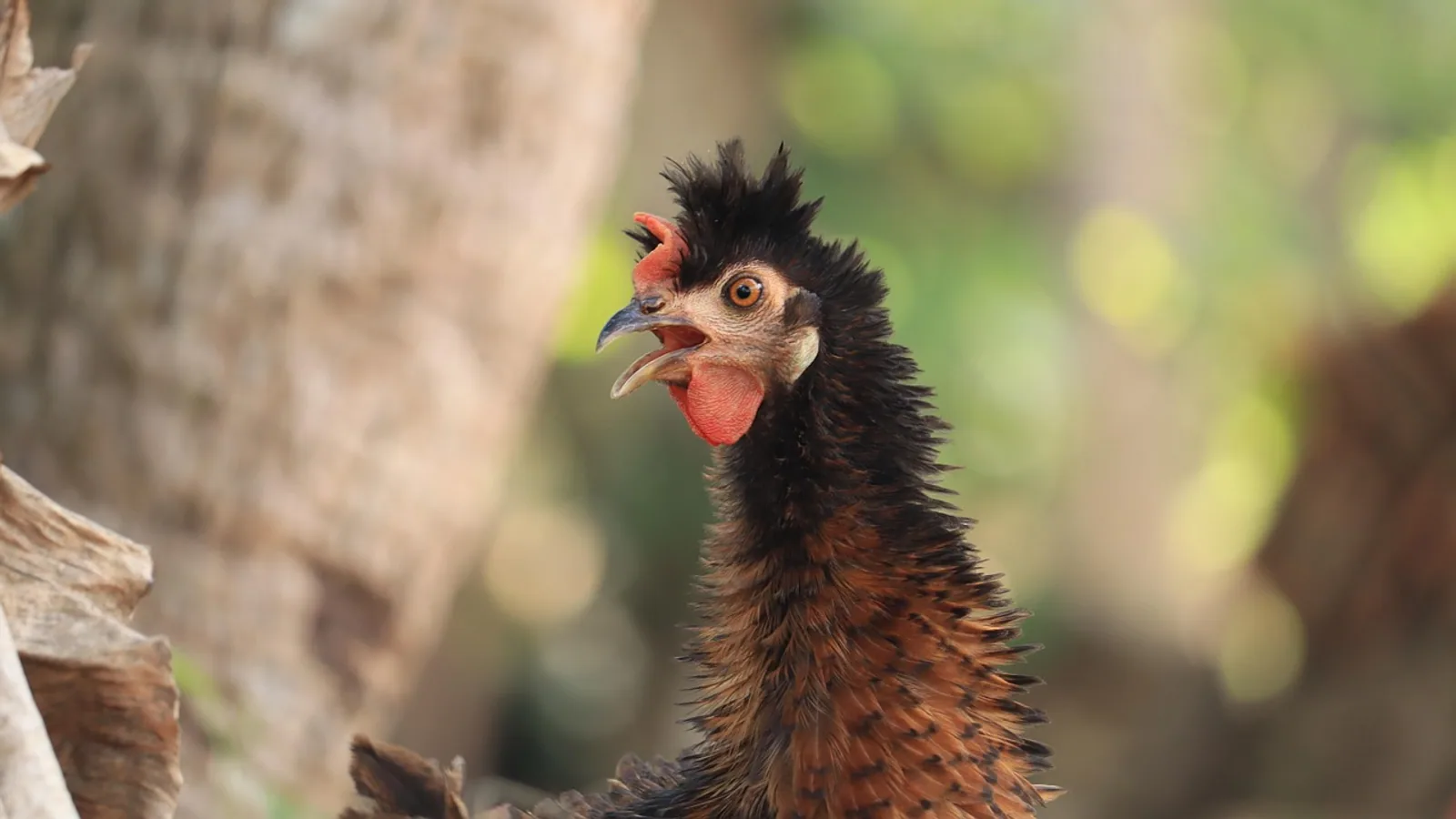
The Cuckoo Maran is a dual-purpose French breed kept for two reasons. It produces a respectable number of large brown eggs, and it carries a barred plumage that makes it one of the more visually distinctive backyard birds. The cuckoo Maran chicken breed is not the same as the Black Copper Maran. Both belong to the Marans family, both lay dark brown eggs, and both are medium-weight dual-purpose birds, but they differ in plumage and in how dark the eggs tend to run. The cuckoo Maran hen is a calm, cold-hardy layer that suits a mixed backyard flock. The rooster is heavier but generally manageable. This guide covers breed history, the genetics behind cuckoo barring, egg color, temperament, feeding, housing, and the health problems owners should watch for.
This article is educational and is not a substitute for veterinary diagnosis or treatment.
At a Glance
| Trait | Cuckoo Maran |
|---|---|
| Origin | France (Marans region) |
| Primary use | Dual purpose (eggs and meat) |
| Hen weight | Approximately 2.7 to 3.2 kg |
| Rooster weight | Approximately 3.6 to 4.0 kg |
| Plumage | Cuckoo barring (white and black transverse bars) |
| Egg color | Dark brown |
| Eggs per year | Roughly 150 to 200 |
| Temperament | Calm, docile, occasionally broody |
| Broodiness | Moderate |
| Cold hardiness | Good |
| Heat tolerance | Moderate |
| Lifespan | 6 to 8 years with good care |
| Good with children | Generally yes, with supervision |
| Good with other pets | Usually, with proper introductions |
Weight figures are typical adult ranges for the breed. Individual birds vary with genetics, diet, and management.
History and Purpose of the Cuckoo Maran
The Marans breed takes its name from the town of Marans in western France, a port region where local birds were crossed with imported stock over many decades. The result was a hardy, dual-purpose chicken that laid eggs with unusually dark brown shells. French breeders developed several plumage varieties within the breed, including the cuckoo pattern that gives this bird its name.
The breed standard in France and the breed standard in the United States are not identical. French standards tend to be stricter about egg shell color and about the specific shade of dark brown expected from a Marans. American standards, as applied by breed clubs and shows, place more emphasis on body type and plumage pattern and are generally more permissive about the exact depth of egg color. This matters to owners because a bird sold as a Marans in the United States may lay eggs that are brown but not deeply dark. The genetic work on barred plumage in chickens has been done largely in other breeds, but the underlying mechanism is the same across barred varieties.
Barred plumage in chickens is a well-studied trait. The sex-linked barring gene was first identified in 1908 and produces the alternating white and black bars seen in adult plumage [1]. The gene sits on the Z chromosome, which is why barring is described as sex-linked. Genetic mapping work placed the causal region on the distal long arm of chromosome Z, within a small interval containing several candidate genes including MTAP and CDKN2B [1]. Later work confirmed that the barred plumage gene is CDKN2A [2]. A separate study on White Leghorn crosses found that segregation of the barred pattern followed a Z-linked inheritance model and that one specific SNP in CDKN2A was useful for identifying the barring gene in that population [3].
The practical consequence for owners is straightforward. Because barring is Z-linked, a cuckoo Maran rooster passes the barring gene to all of his daughters but only to some of his sons. This is the basis of the "sex-linked" chick sexing method used in some crosses. A cuckoo Maran hen has one Z chromosome and one W chromosome, so she can only carry one copy of the barring gene. A rooster has two Z chromosomes and can carry one or two copies, which affects how dark his barring appears. In barred roosters, the depth of the barring pattern correlates with the barring genotype, and non-deeply barred roosters were homozygous for the barring gene in about 98 percent of cases in one population study [3].
Appearance and the Genetics of Cuckoo Barring
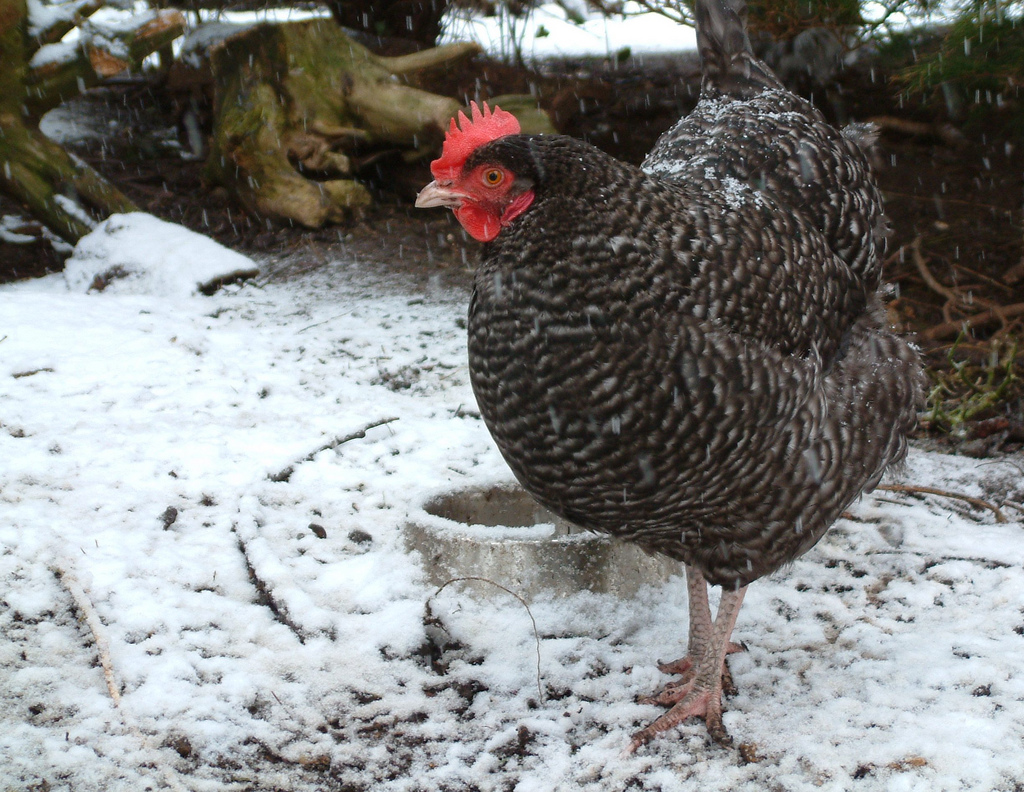

The cuckoo pattern is a transverse barring of white and black across each feather. The bars run across the feather rather than along it, giving the bird a finely striped, almost speckled look from a distance. Hens and roosters both show the pattern, but roosters are often lighter overall because their barring is wider and the black bars are narrower.
Plumage color in chickens is controlled mainly by genetics rather than environment [4]. Several genes interact to produce barred patterns, and the relationships between them are complex. Work on the Silver Campine, another barred breed, showed that the barred pattern depends on homozygosity at several loci, including the birchen allele at the E locus, a eumelanin restrictor, and a feather pattern arranging gene [5]. The barred pattern also interacts with other color genes. In one study, the recessive white gene TYR had an epistatic effect on barred plumage, and barred plumage in turn had an epistatic effect on black plumage [2]. This means a bird can carry the barring gene and still appear mostly white or mostly black depending on what other color genes it carries.
The E locus, which controls the distribution of black and red pigment, is central to plumage color. The melanocortin 1 receptor gene (MC1R) shows a significant correlation with different alleles at the E locus across breeds [6]. Red-brown coloration is also influenced by multiple genes of small effect rather than a single major gene, including CREBBP and WDR24 [7]. For a cuckoo Maran, the visible result is a bird with a black and white barred pattern, a single comb, red earlobes, and clean or lightly feathered legs depending on the line.
Chick down color in barred breeds is distinctive. Barred chicks hatch with a dark head spot and dark stripes, which is one of the traits breeders use to identify the pattern early. The chick down phenotype in barred breeds depends on the interaction of several genes, not just the barring gene itself [5].
Egg Production and the Dark Brown Shell
The Marans is best known for egg color. The dark brown shell is produced by protoporphyrin IX, a pigment deposited in the outer layer of the shell as the egg moves through the oviduct. The pigment is laid down late in shell formation, which is why the color sits on the surface and can be rubbed or scratched off. A freshly laid Marans egg is darkest. Handling, washing, and time can lighten the appearance.
The cuckoo Maran hen typically lays eggs that are brown but less intensely dark than the Black Copper Maran. This is a common point of confusion for buyers. A cuckoo Maran chicken breed bird can lay a good dark brown egg, but the deepest, chocolate-colored shells are more characteristic of the Black Copper variety. Owners who want the darkest possible eggs should understand this distinction before choosing a variety.
Laying rate for the breed is moderate. A cuckoo Maran hen usually produces roughly 150 to 200 eggs per year, with the higher end in well-managed flocks and the lower end in birds that go broody or slow down in winter. Production drops in the short days of winter unless supplemental lighting is used. The breed is not a high-output commercial layer. It is a dual-purpose bird that lays well enough to be useful and heavy enough to dress out as a table bird.
Egg size is large to extra large. The first eggs from a young hen are smaller, and shell color often deepens as the hen matures through her first laying cycle.
What Affects Egg Color
Several factors influence how dark a Marans egg appears.
- Genetics. Individual hens vary, and some lines are selected for darker shells than others.
- Age. A hen's first eggs are often the darkest. Color tends to lighten over the laying cycle.
- Stress and health. Illness, heat stress, and poor nutrition can reduce pigment deposition.
- Handling. Washing eggs removes the bloom and can dull the surface color.
- Time. Prolonged storage fades the visible shade.
Temperament and Behavior
The cuckoo Maran is generally a calm, docile bird. Hens are not aggressive toward flock mates and usually integrate well into a mixed flock with adequate space. Roosters are protective but typically not highly aggressive toward people, though individual temperament varies and any rooster should be handled with caution around small children.
The breed is active enough to forage well but not flighty. Cuckoo Marans chickens tolerate confinement and do well in both free-range and run-based systems. They are cold-hardy, which makes them a good choice for northern climates. Heat tolerance is moderate. In hot weather, birds need shade and cool water, and egg production may drop.
Broodiness is moderate. Some cuckoo Maran hens go broody and will sit on a clutch, while others rarely do. A broody hen stops laying, which affects annual egg numbers. Owners who want chicks can use broodiness to their advantage. Owners who want maximum egg production may need to break broody hens.
Temperament notes for the breed:
- Hens are calm and rarely bully flock mates.
- Roosters are alert and protective.
- Birds are curious and will forage actively when given space.
- Handling tolerance varies and improves with regular, gentle contact from a young age.
- The breed is not known for feather pecking or cannibalism when housed at appropriate density.
Housing and Space Needs
Cuckoo Marans are medium-heavy birds, so they need adequate space and sturdy housing. Crowding increases the risk of feather pecking, respiratory disease, and parasite buildup. As a general rule, allow enough floor space per bird that they can move freely, reach feed and water without competition, and dust bathe. Provide one nest box for roughly every four to five hens.
Roosts should be wide enough for the birds to sit comfortably and high enough that droppings fall clear of the litter. Ventilation matters more than warmth in most climates. Ammonia buildup in a closed coop irritates the respiratory tract and predisposes birds to disease. Good airflow at the top of the coop, with no direct drafts at roost level, is the goal.
Because the breed is cold-hardy, supplemental heat is usually unnecessary for healthy adult birds in most US climates. The bigger risk in winter is moisture and poor ventilation, not cold. In summer, shade and cool water are essential.
Feeding and Nutrition
Cuckoo Marans chickens do well on a standard complete poultry ration. The exact formulation depends on age and purpose.
- Chicks need a starter ration appropriate for their age.
- Growing birds move to a grower ration.
- Laying hens need a layer ration with adequate calcium for shell formation.
- Birds kept for meat may be fed a higher-protein ration during the finishing period.
Free-choice calcium in the form of crushed oyster shell helps laying hens meet their calcium needs, especially when shell quality declines. Clean water must be available at all times. A hen that is not drinking well will not eat well and will not lay well.
Treats and scratch grains should be limited. They dilute the nutrient balance of a complete ration and can reduce egg production and shell quality if overfed. Kitchen scraps are not a substitute for a balanced diet.
Body condition matters. A cuckoo Maran hen that is too thin will slow or stop laying. A hen that is too heavy may develop reproductive problems. Weigh or handle birds periodically to assess condition, and adjust feed quantity accordingly.
Grooming and Routine Care
The cuckoo Maran is a low-grooming breed. It does not need bathing under normal conditions. The main routine care tasks are:
- Inspect birds regularly for external parasites, especially around the vent, under the wings, and at the base of the tail.
- Check feet and legs for scaly leg mite and for injuries.
- Trim overgrown spurs on roosters if they interfere with walking or mating.
- Keep the coop dry and clean to reduce parasite and disease pressure.
- Provide a dust bathing area so birds can manage external parasites themselves.
Feather condition is a useful health indicator. A dull, ragged, or patchy coat can signal parasites, poor nutrition, or underlying disease. Molting is normal and seasonal, and hens typically stop laying while regrowing feathers.
Health Watch List
Backyard poultry are exposed to a range of infectious and parasitic problems. The cuckoo Maran has no breed-specific immunity to these, so management is the main defense. The following are the most relevant watch items.
Marek's Disease
Marek's disease is a viral disease of chickens caused by a herpesvirus. It is one of the most common and economically significant diseases in backyard and commercial flocks. The virus spreads readily through feather dust and dander, and it can persist in the environment for a long time. Clinical signs vary and can include paralysis, weight loss, and tumors in internal organs. There is no treatment. Vaccination of day-old chicks is the standard control measure, and vaccinated birds can still become infected but are far less likely to develop tumors. Owners should ask their hatchery or breeder whether chicks were vaccinated and should practice good biosecurity when introducing new birds.
External Parasites
External parasites are a constant concern in backyard flocks. The most common are:
- Poultry mites, including the northern fowl mite, which feeds on blood and causes anemia, reduced laying, and irritation.
- Scaly leg mite, which burrows under the leg scales and causes crusting and lameness.
- Lice, which feed on feathers and skin debris.
- Ticks, which can transmit other pathogens.
Inspection should be routine, not reactive. Part the feathers and look at the skin, especially around the vent. Mites may appear as tiny dark specks or as a grayish moving mass. Scaly leg mite produces a raised, crusty appearance on the legs. Treatment depends on the parasite and should be discussed with a veterinarian, because some products are not approved for use in laying hens and withdrawal periods matter for egg safety.
Internal Parasites
Roundworms, cecal worms, and tapeworms are common in birds with access to soil. Signs include weight loss, pale combs, diarrhea, and reduced laying. Fecal testing can identify the parasite, and treatment should be guided by a veterinarian who can advise on products and egg withdrawal.
Respiratory Disease
Respiratory infections spread quickly in crowded, poorly ventilated coops. Signs include sneezing, nasal discharge, rattling sounds, and swollen eyes. Several different pathogens cause similar signs, and some are chronic and incurable in a flock. Good ventilation, low stocking density, and quarantine of new birds reduce risk.
Reproductive Problems
Laying hens can develop egg binding, prolapse, and internal laying. These are more common in heavy breeds and in hens that are over-conditioned or fed poorly balanced diets. A hen that strains without producing an egg, or that has a swollen abdomen and stops laying, needs veterinary attention.
Nutritional and Metabolic Issues
Calcium deficiency, vitamin deficiencies, and obesity are all management-related problems. A complete ration and free-choice calcium prevent most of them.
Lifespan and Long-Term Care
A well-cared-for cuckoo Maran can live 6 to 8 years. Laying declines with age, and most hens lay best in their first two to three years. Older hens may stop laying entirely but can still be kept as flock members. Long-term care focuses on nutrition, parasite control, and regular observation for changes in behavior or appearance.
Finding a Responsible Breeder or Rescue
Responsible sourcing reduces the risk of inherited problems and disease introduction.
- Ask whether chicks were vaccinated for Marek's disease.
- Ask about the health history of the parent flock.
- Ask whether the breeder tests for common diseases or has had outbreaks.
- Visit if possible and observe the condition of adult birds.
- Avoid birds from crowded, dirty environments.
- Consider rescue and rehoming for adult birds, but quarantine any new bird before introducing it to your flock.
Quarantine means keeping a new bird separate for a period long enough to observe for signs of illness, with separate feed, water, and equipment, and washing hands between groups. The exact duration should be discussed with a veterinarian based on the flock's risk profile.
Who Should Not Get a Cuckoo Maran
The breed is not right for every owner. Consider another breed or a different species if any of the following apply.
- You need maximum egg output. Commercial hybrids outlay the Marans.
- You cannot provide adequate space and ventilation.
- You are not prepared to handle a rooster safely, or your local ordinances prohibit roosters.
- You cannot commit to routine parasite checks and veterinary care.
- You expect a guaranteed deep chocolate egg from every hen. Cuckoo Marans often lay brown eggs that are less dark than Black Copper Marans.
- You have very young children who will handle birds unsupervised.
Limitations and When to Contact a Veterinarian
This article covers general breed information. Individual birds vary, and a veterinarian who examines your flock can give advice specific to your situation.
Contact a veterinarian promptly if you see any of the following.
- Sudden death in one or more birds.
- Paralysis, weakness, or inability to stand.
- Labored breathing, sneezing, or discharge from the eyes or nostrils.
- A hen straining to lay for more than a short period, or a prolapse.
- A swollen, distended, or painful abdomen.
- Significant weight loss despite normal eating.
- Pale comb or wattles, which can indicate anemia from parasites or other disease.
- Visible external parasites that do not respond to treatment.
- Diarrhea lasting more than a day or two.
- Any bird that separates itself from the flock and stops eating.
Early veterinary involvement improves outcomes for many flock problems and protects the rest of the birds.
Frequently Asked Questions
What color eggs does a Cuckoo Maran lay?
A Cuckoo Maran hen lays brown eggs. The color comes from protoporphyrin IX deposited on the shell surface. The eggs are typically less intensely dark than those of a Black Copper Maran.
How many eggs does a Cuckoo Maran lay per year?
Most Cuckoo Maran hens lay roughly 150 to 200 eggs per year. Production drops in winter and during broodiness or molting.
Is the Cuckoo Maran the same as the Black Copper Maran?
No. Both are Marans, but they are different varieties. The Cuckoo Maran has barred plumage, while the Black Copper Maran has black plumage with copper highlights. Egg color also tends to be darker in the Black Copper variety.
What is cuckoo barring in chickens?
Cuckoo barring is a plumage pattern of alternating white and black bars across each feather. It is controlled by a sex-linked gene on the Z chromosome, and the barred plumage gene has been identified as CDKN2A [2][1].
How much does a Cuckoo Maran hen weigh?
A Cuckoo Maran hen typically weighs about 2.7 to 3.2 kg as an adult. Roosters are heavier, usually around 3.6 to 4.0 kg.
Are Cuckoo Marans good with children?
They are generally calm and docile, which makes them a reasonable choice for families. Young children should always be supervised around chickens, and roosters should be handled with caution.
Do Cuckoo Marans go broody?
Broodiness is moderate in the breed. Some hens sit on clutches and stop laying, while others rarely go broody. A broody hen can be used to hatch chicks or can be managed to resume laying.
What health problems should I watch for in Cuckoo Marans?
The main concerns are Marek's disease, external parasites such as mites and lice, internal parasites, respiratory infections, and reproductive problems in laying hens. Routine inspection and good coop management reduce risk.
Related Articles
- Coccidiosis in Laying Hens and Egg Production: Impact and Management
- Egg Binding in Hens: Signs and What to Do
- Do You Need a Rooster for Hens to Lay Eggs?
- Raising Chickens for Eggs: Breed Selection, Care, and Egg Production
- Lighting Programs for Laying Hens: Optimizing Egg Production
- Protein Requirements for Laying Hens: Meeting Egg Production Demands
- Black Copper Maran: Eggs and Breed Guide
- Cinnamon Queen Chicken: Eggs, Temperament, Care
- Araucana Hen Eggs: Blue Egg Genetics and Care
Sources
- Genetic mapping of the sex-linked barring gene in the chicken.
- Genetic basis of chicken plumage color in artificial population of complex epistasis.
- Isolation and fixation of the sex-linked barring feather gene from white leghorn for chick sexing.
- Effects of MTAP and PMEL gene polymorphisms on plumage color variation in chickens.
- Inheritance of the barred plumage pattern of the Silver Campine Fowl, together with its relationship to other patterned fowl.
- Association between polymorphism in the melanocortin 1 receptor gene and E locus plumage color phenotype.
- CREBBP and WDR 24 Identified as Candidate Genes for Quantitative Variation in Red-Brown Plumage Colouration in the Chicken.