Chicken Ascites: Water Belly Causes and Care
By Dr. Zubair Khalid, DVM, MS, PhD ·
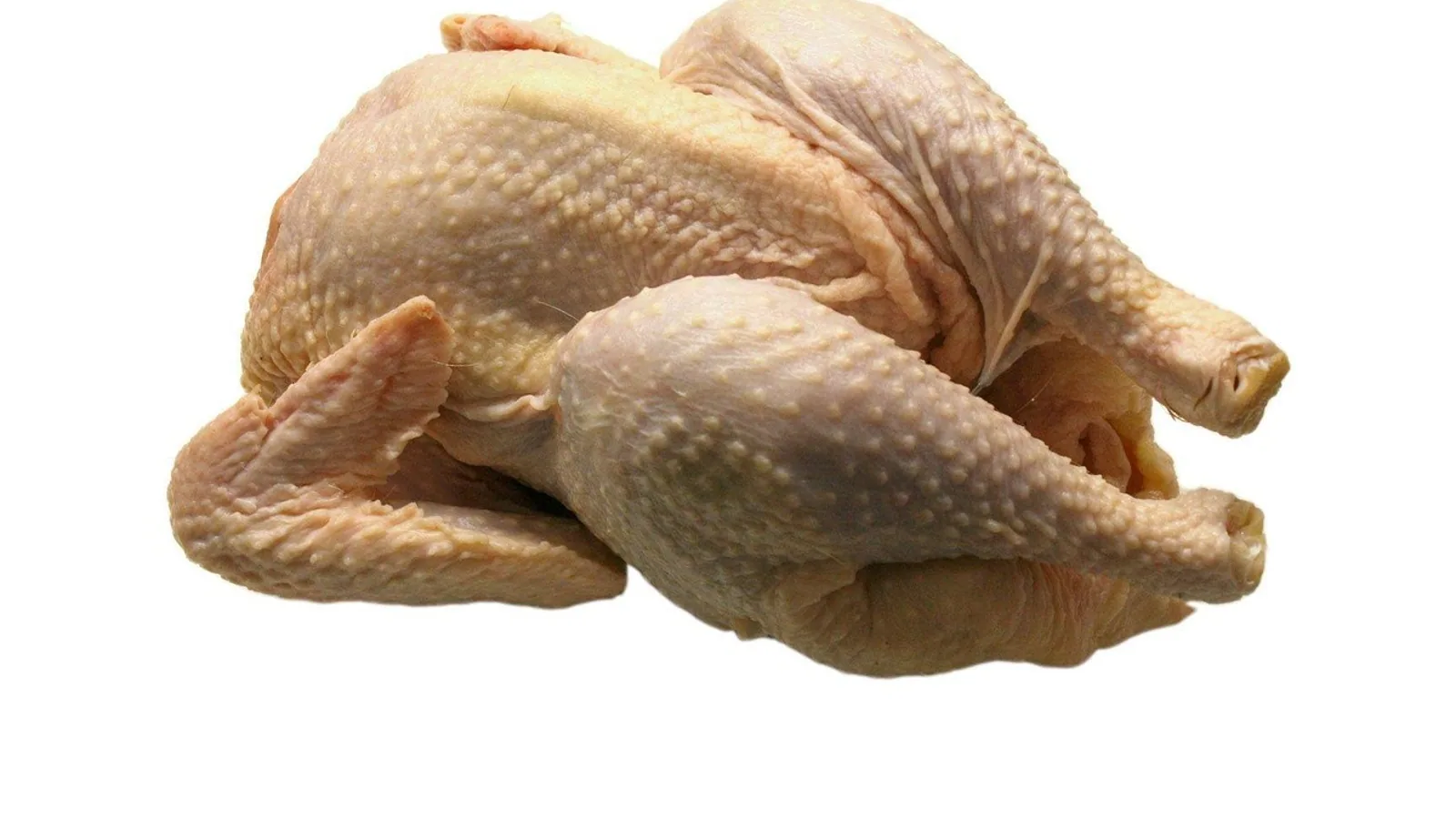
Chicken ascites, often called water belly in chickens, is a metabolic disease in which fluid collects in the abdominal cavity because the heart can no longer keep up with the demands placed on it. The Merck Veterinary Manual describes ascites syndrome as a condition of fast-growing meat-type chickens in which pulmonary hypertension leads to right-sided heart failure and leakage of fluid into the abdomen [1].
The term waterbelly chickens refers to the same problem. The bird's belly becomes swollen and squishy, breathing turns labored, and the comb and wattles may look dusky. Ascites is not an infection you can treat with a course of antibiotics. It is the visible endpoint of a chain of events that starts in the lungs and ends in the heart, and it is one of the most studied welfare and economic problems in commercial broiler production [2][3].
This article explains the pathophysiology in plain language, lists the risk factors that push a flock toward an outbreak, and gives management steps that target the underlying cause rather than the fluid itself.
What Ascites Means in a Chicken
Ascites is the medical term for free fluid in the peritoneal cavity, the space that holds the intestines, liver, and other abdominal organs. In poultry, this fluid is usually a clear, straw-colored transudate. It accumulates when pressure inside the blood vessels of the liver and gut rises enough that plasma leaks out into the abdomen faster than the lymphatic system can drain it.
In broiler chickens, that pressure rise traces back to the heart, not the abdomen. The right ventricle pumps blood into the lungs. When the lungs resist that flow, the right ventricle must work harder, and the whole system backs up. The Merck Veterinary Manual frames ascites syndrome in poultry as a disease of pulmonary hypertension with right ventricular failure as the central event [1]. Modern research uses the same framing, describing broiler ascites syndrome as a pulmonary arterial hypertension disorder with strong similarities to the human disease of the same name [4].
The Mechanism: From Rapid Growth to Fluid in the Belly
The core problem is a mismatch between oxygen supply and oxygen demand. Fast-growing broilers have an enormous metabolic rate, and their hearts, lungs, and blood vessels are pushed to their limits. When oxygen delivery falls short, the pulmonary arteries constrict, pressure rises, and the right side of the heart fails.
Step 1: Rapid Growth Outpaces the Cardiopulmonary System
Selection for rapid weight gain has produced birds that add muscle faster than their heart and lung capacity can support. Ascites syndrome is described as a nutritional and metabolic disease of fast-growing commercial broilers, and it is closely tied to relative hypoxia, meaning the tissues need more oxygen than the system can deliver [5][6]. The heart is one of the main target organs, and the right ventricle is the chamber that suffers first [7].
Step 2: Hypoxia Triggers Pulmonary Vasoconstriction
When the lungs do not get enough oxygen, the small arteries inside them tighten. This is a normal reflex that redirects blood to better-ventilated areas, but in a broiler with a high demand for oxygen, it becomes harmful. Prolonged exposure to a low-oxygen state induces pulmonary vasoconstriction, which raises pulmonary artery pressure [8]. Hypoxia-inducible factor 1 alpha, a transcription factor that senses oxygen levels, is central to this response and is directly linked to pulmonary hypertension in broilers [5].
Step 3: Pulmonary Artery Remodeling
Sustained high pressure changes the walls of the pulmonary arteries. The endothelium, the smooth muscle layer, and the connective tissue all remodel, and the vessels become stiffer and narrower. This is called pulmonary artery remodeling, and it is a key step in the development of ascites [9][8]. Remodeling involves endothelial dysfunction, abnormal proliferation of smooth muscle cells, and vascular fibrosis [8]. Once the vessels have remodeled, the pressure problem becomes self-sustaining.
Step 4: Right Ventricular Hypertrophy
The right ventricle responds to the increased resistance the way any muscle responds to resistance training. It thickens. Researchers measure this with the right ventricle to total ventricle ratio, or RV/TV. A rising RV/TV ratio is a standard marker of pulmonary hypertension in broilers, and it is used across studies as a proxy for disease severity [10][11][12]. Histopathology of the right ventricle in ascitic broilers shows disoriented myocardial cells and blood cells deposited between the muscle fibers, which is consistent with right heart failure [7].
Step 5: Valvular Insufficiency and Congestion
As the right ventricle dilates and its wall thickens, the valve between the right atrium and right ventricle can no longer close properly. Blood flows backward instead of forward. Pressure builds in the veins that drain the liver and intestines. Fluid leaks from those vessels into the abdominal cavity. At the same time, the failing heart cannot deliver enough blood to the kidneys, so the body retains sodium and water. The renin-angiotensin system, a hormone cascade that controls blood pressure and fluid balance, is involved in this process in broilers with cold-induced pulmonary hypertension [13].
Step 6: Fluid Accumulates in the Abdomen
The result is the swollen belly that gives water belly in chickens its name. The fluid is not the disease. It is the final common pathway of a heart that has failed under the pressure of a lung problem that started with rapid growth and inadequate oxygen.
The following diagram shows this sequence as a linear mechanism.
flowchart TD
    A[Rapid growth and high oxygen demand] --> B[Relative hypoxia]
    B --> C[Pulmonary vasoconstriction]
    C --> D[Pulmonary artery remodeling]
    D --> E[Rising pulmonary artery pressure]
    E --> F[Right ventricular hypertrophy]
    F --> G[Valvular insufficiency]
    G --> H[Venous congestion in liver and gut]
    H --> I[Fluid leaks into abdomen]
    I --> J[Water belly and labored breathing]
Risk Factors for Chicken Ascites
Ascites is multifactorial. No single trigger causes it in every flock, and the disease is influenced by genetics as well as environment and management. Whole genome resequencing has identified 28 regions of the chicken genome as potential quantitative trait loci for ascites, and one region on chromosome 28 shows an epistatic interaction with a region on chromosome 2 [3]. This means susceptibility is partly inherited, which is why some lines and some individuals within a line are more prone to the disease.
The environmental and nutritional risk factors are the ones a keeper can actually control.
Cold Temperatures
Cold is one of the most reliable ways to induce ascites experimentally. Chicks exposed to a temperature that drops by 4 degrees Celsius per day from day 11 until it reaches 15 degrees Celsius, then held at 10 to 15 degrees Celsius, develop higher ascites-related mortality, elevated red blood cell counts, and right ventricular hypertrophy [14]. Cold stress increases the metabolic rate, which increases oxygen demand, and it also causes blood to shunt away from the lungs. The result is the same hypoxia-driven cascade described above.
High Altitude
At altitude, the air contains less oxygen per breath. Broilers raised at 2100 meters under cold stress show pulmonary hypertension and ascites mortality that respond to dietary intervention [12]. Altitude and cold together are a particularly strong combination because both reduce oxygen availability and increase demand.
High-Energy Feed and Fast Growth Rate
Diets that push maximum weight gain also push maximum oxygen demand. A study of barley processing in broiler diets found that chicks fed roasted barley, which slowed growth, had lower weight gain than control and germinated barley groups, and the authors linked processing and growth rate to the occurrence of ascites syndrome [15]. The relationship is direct. Faster growth means more muscle mass to oxygenate, and the cardiopulmonary system has to keep up.
Poor Ventilation
Ventilation removes moisture, heat, and waste gases and brings in fresh air. When ventilation is inadequate, ammonia and carbon dioxide rise, oxygen falls, and the air quality itself becomes a hypoxic stressor. The Merck Veterinary Manual lists poor ventilation among the environmental contributors to ascites in poultry [1].
Male Sex
Male broilers grow faster and larger than females, and they have higher oxygen demand. Many ascites studies use only male chicks because the sex is more susceptible [16][14][12]. The genetic study of ascites quantitative trait loci found that some of the identified regions were specific to one or both genders, which supports a real biological difference between males and females in susceptibility [3].
Dietary Sodium
High sodium in feed or water increases blood volume and blood pressure, which adds to the workload on the pulmonary circulation. Adding 0.2 percent sodium chloride to drinking water is a standard method for inducing ascites in broiler research [17]. A separate study used 0.12 percent sodium in drinking water from day 7, then increased it to 0.24 percent on day 14, and produced a significant rise in the RV/TV ratio by day 21 [11]. Sodium is a controllable risk factor, and it is one reason commercial diets are formulated with tight sodium specifications.
Table of Risk Factors and Mitigation Measures
| Risk Factor | Why It Matters | Mitigation Measure |
|---|---|---|
| Cold temperatures | Raises metabolic rate and oxygen demand, shunts blood from lungs | Hold brooding and grow-out temperatures within the recommended range for the age and line |
| High altitude | Lower oxygen partial pressure in inspired air | Increase ventilation, slow growth, and consider sodium butyrate or other supported interventions under veterinary guidance [12] |
| High-energy feed | Drives fast growth and high oxygen demand | Use a lower-energy starter and consider controlled early growth [15] |
| Fast growth rate | Muscle mass grows faster than heart and lung capacity | Slow early growth through feed restriction or lower-nutrient starter diets |
| Poor ventilation | Raises ammonia and carbon dioxide, lowers oxygen | Increase air exchange and monitor litter moisture and air quality [1] |
| Male sex | Higher growth rate and oxygen demand than females | Expect higher risk in male flocks and manage growth and environment more conservatively [3] |
| High dietary sodium | Expands blood volume and raises pressure | Keep sodium within formulated specifications and avoid high-sodium water sources [17][11] |
| Genetic susceptibility | Inherited differences in pulmonary vascular response | Select slower-growing lines or strains with lower ascites susceptibility where available [3] |
Management of Ascites in a Flock
There is no treatment that reverses pulmonary artery remodeling once it is established. Management is prevention, and it works by reducing oxygen demand and improving oxygen supply. The Merck Veterinary Manual approach to ascites syndrome in poultry is built on the same principle [1].
Slow Early Growth
The single most effective lever is growth rate in the first two to three weeks. A slower start gives the heart and lungs time to develop before the body demands peak oxygen delivery. Feed restriction, lower-energy starter diets, and alternative feed ingredients that reduce growth rate are all used in commercial settings. The barley study showed that a processing method that slowed growth reduced the occurrence of ascites syndrome, while a method that increased growth raised it [15].
Restrict Feed
Controlled feed restriction in early life is a standard commercial strategy. The goal is not to starve the birds but to keep them on a growth curve that the cardiopulmonary system can support. Restriction is usually relaxed after the first two to three weeks, once the heart and lungs have had time to mature.
Improve Ventilation
Ventilation must be adequate from day one. Minimum ventilation rates, air inlets that mix incoming air before it hits the birds, and regular monitoring of ammonia and carbon dioxide are all part of a basic broiler house setup. In backyard settings, this means opening vents, using fans, and avoiding overcrowding. The Merck Veterinary Manual identifies poor ventilation as a contributor to ascites [1].
Control Temperature
Cold stress is a major trigger. Brooding temperatures must be correct for the age of the chicks, and the transition to lower temperatures should be gradual. The experimental cold-stress model drops the temperature by 4 degrees Celsius per day, which is far faster than any real management program should allow [14]. A steady, age-appropriate temperature curve prevents the metabolic spike that cold causes.
Reduce Sodium in the Diet
Sodium should be kept within the formulated specification for the age and line. High-sodium water sources, such as some well water, can add to dietary sodium without the keeper realizing it. Water testing is a reasonable step when ascites appears in a flock with no other obvious trigger. The research models that induce ascites with sodium chloride in drinking water show how sensitive the pulmonary circulation is to sodium load [17][11].
Consider Supported Dietary Interventions
Several dietary additives have been studied for their effect on ascites-related parameters under experimental conditions. Omega-3 fatty acids from fish oil and pioglitazone, a synthetic PPAR gamma ligand, both reduced the RV/TV ratio in cold-stressed broilers compared with the positive control group [10]. Diets containing sumac extract, Syrian mesquite extract, L-arginine, captopril, and vitamin E have been shown to modulate ascites-related gene expression and reduce packed cell volume, ventricle volumes, and systolic blood pressure in cold-stressed broilers [16]. Encapsulated sodium butyrate and combinations of sodium butyrate forms reduced the RV/TV ratio and ascites mortality in broilers under cold stress at high altitude [12]. These are experimental findings, and any decision to use a supplement should be made with a veterinarian who knows the flock.
Ascites as a Welfare and Economic Concern
Ascites is not a minor condition. It causes poor growth, a significant increase in the rate of broiler deaths, and serious economic losses to the poultry industry [6]. The Merck Veterinary Manual notes that ascites syndrome is a major cause of mortality and condemnation in broiler production [1]. The disease also imposes a welfare cost. Affected birds are in respiratory distress, they cannot move normally, and they often die or require culling.
The economic impact is felt at every level. Feed conversion worsens because affected birds eat but do not grow efficiently. Mortality removes birds from the flock. Carcass condemnation at processing removes value from birds that reach the plant. The genetic study of ascites quantitative trait loci describes ascites as a hypertensive, multifactorial, multigene trait that imposes significant economic losses on the broiler industry [3]. The microbiota study notes that ascites syndrome seriously affects the growth and development of broiler chickens and that the disease alters cecal microbial diversity and composition, which may further impact growth rate [17].
For backyard keepers, the welfare concern is the same even if the economics are different. A bird with water belly is suffering, and the humane response is to address the underlying management problems and to euthanize birds that are in distress.
How Ascites Is Diagnosed
Diagnosis in a live bird is based on the clinical picture. A swollen, fluid-filled abdomen, labored breathing, dusky comb and wattles, and a history of rapid growth or cold stress are the classic findings. The Merck Veterinary Manual describes the postmortem findings as a distended abdomen with clear or straw-colored fluid, an enlarged and flabby heart with a thickened right ventricle, and congested liver and lungs [1].
At necropsy, the RV/TV ratio is the standard measure. A ratio above the normal range indicates right ventricular hypertrophy and supports a diagnosis of pulmonary hypertension [10][11][12]. Histopathology of the right ventricle shows disoriented myocardial cells and blood cells deposited between the muscle fibers, consistent with right heart failure [7]. Blood gas analysis in ascitic broilers shows abnormalities in oxygenation and acid-base status [18].
Ascites is a clinical diagnosis supported by necropsy findings. There is no blood test that confirms it in a live bird.
Limitations and When to Contact a Veterinarian
This article is educational and is not a substitute for veterinary diagnosis or treatment. Ascites is a complex metabolic disease, and individual cases need a veterinarian who can examine the bird, review the flock history, and assess the environment.
Contact a veterinarian promptly if you see any of the following:
- A bird with a swollen, fluid-filled abdomen that is new or getting worse
- Labored breathing, open-mouth breathing, or a dusky comb or wattles
- A sudden increase in deaths in a flock, especially in fast-growing birds
- Multiple birds in the same pen showing the same signs
- Birds that are unable to stand or move to feed and water
- Any suspicion of ascites in a flock where the cause is not obvious
A veterinarian can help you identify the specific risk factors in your setup, adjust growth and environment management, and decide when euthanasia is the humane choice.
Frequently Asked Questions
What is chicken ascites?
Chicken ascites is a metabolic disease in which fluid collects in the abdominal cavity because of right-sided heart failure driven by pulmonary hypertension. It is most common in fast-growing broiler chickens [1].
What causes water belly in chickens?
Water belly in chickens is caused by a chain of events that starts with rapid growth and high oxygen demand, leads to pulmonary vasoconstriction and pulmonary artery remodeling, and ends in right ventricular failure and fluid leakage into the abdomen [8][5].
Is ascites contagious?
No. Ascites is a metabolic and cardiovascular disease, not an infectious one. It does not spread from bird to bird, but multiple birds in a flock can develop it at the same time because they share the same environment and genetics [1].
Can ascites be treated?
There is no treatment that reverses the heart and lung changes once they are established. Management focuses on prevention through slower early growth, better ventilation, temperature control, and reduced dietary sodium [1].
Why do male broilers get ascites more often?
Male broilers grow faster and larger than females and have higher oxygen demand. Many experimental studies use only male chicks because they are more susceptible to ascites [16][14][12].
Does cold weather cause ascites?
Cold weather is a major trigger. Cold stress raises metabolic rate and oxygen demand and causes blood to shunt away from the lungs, which drives the pulmonary hypertension cascade [14].
Can I prevent ascites in my backyard flock?
Yes, to a large extent. Slow early growth, restrict feed in the first weeks, improve ventilation, control temperature, and keep dietary sodium within specification. These steps reduce oxygen demand and improve oxygen supply [15][1].
Is ascites a welfare problem?
Yes. Ascites causes respiratory distress, poor mobility, and death. It is recognized as a welfare and economic concern in broiler production, and affected birds should be assessed by a veterinarian for humane euthanasia if they are suffering [3][6][1].
Related Articles
- Why Is My Dog having swollen belly? Ascites GDV and Cushings Disease
- Dog Skin Rash on Belly: Causes and Home Care
- Cat Swollen Belly Causes
- Fire Belly Toad Care Guide
- Chicken Diarrhea Causes
- Broiler Ascites Risk and Flock Observation
- Ascites in Pets: Causes and Diagnostic Steps
- Yellow Belly Turtle Care: Habitat and Diet
- Pot Belly Pigs: Care Guide for Owners
Sources
- Ascites Syndrome in Poultry - Poultry - Merck Veterinary Manual
- In silico characterization of the OSBPL6 gene and its potential role in ascites syndrome in broiler chickens.
- Identification and validation of quantitative trait loci for ascites syndrome in broiler chickens using whole genome resequencing.
- Broiler Ascites Syndrome as a Potential Spontaneous Animal Model for Human Pulmonary Arterial Hypertension: A Narrative Review.
- The relativity analysis of hypoxia inducible factor-1α in pulmonary arterial hypertension (ascites syndrome) in broilers: a review.
- Underlying mechanism of Qiling Jiaogulan Powder in the treatment of broiler ascites syndrome.
- Changes in the Expression of MIF and Other Key Enzymes of Energy Metabolism in the Myocardia of Broiler Chickens with Ascites Syndrome.
- Mechanism of pulmonary arterial vascular cell dysfunction in pulmonary hypertension in broiler chickens.
- Dysregulated expression of microRNAs and mRNAs in pulmonary artery remodeling in ascites syndrome in broiler chickens.
- Peroxisome proliferator-activated receptor gamma (PPARγ) activation: a potential treatment for ascites syndrome in broiler chickens.
- The effect of acetylosalicylic acid and berberis on ascites syndrome parameters in broiler chickens.
- Effects of Sodium Butyrate Forms on Carcass Performance, Pulmonary Hypertension, Metabolic Health and Oxidative-Inflammatory Responses in Broiler Chickens Under Cold Stress at High Altitude.
- Brain renin-angiotensin system in broiler chickens with cold-induced pulmonary hypertension.
- Eucalyptus globulus essential oil alleviates cold-induced ascites and physiological disturbances in broiler chickens.
- Effect of barley processing and enzyme supplementation on broiler performance, gut morphometry, and the occurrence of ascites syndrome in broiler chickens.
- Diets containing phytobiotics, l-arginine, vitamin E and captopril modulate ascites syndrome-related genes expression in broiler chickens exposed to low ambient temperature.
- Effect of Ascites Syndrome on Diversity of Cecal Microbiota of Broiler Chickens.
- Integrated analysis of DNA methylation and transcriptome profiles in broiler heart and lung tissues reveals epigenetic regulatory mechanisms underlying ascites syndrome.