Red-Eared Slider Turtle Care Guide
By Dr. Zubair Khalid, DVM, MS, PhD ·
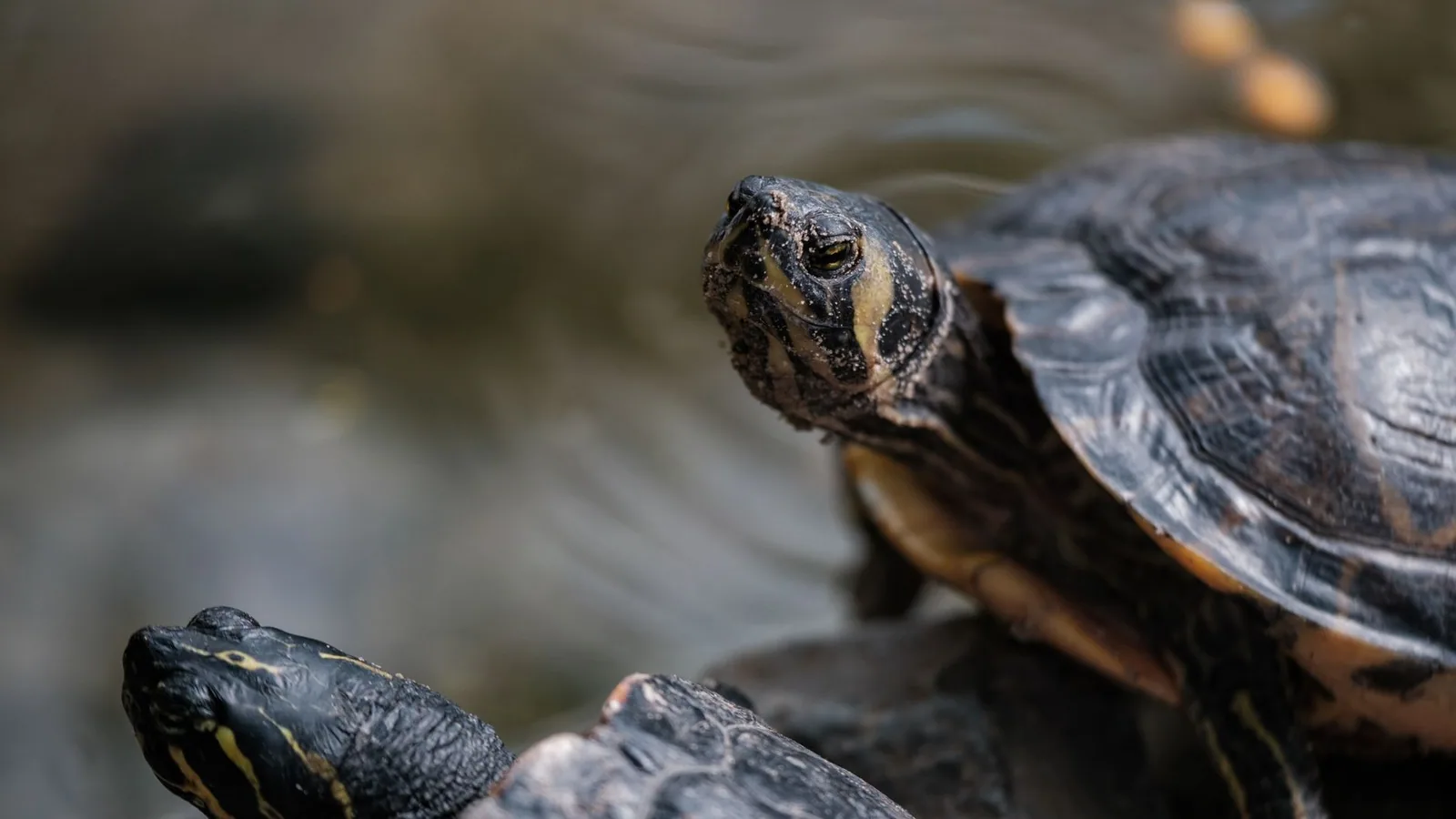
The red-eared slider (Trachemys scripta elegans) is one of the most commonly kept aquatic turtles worldwide. Despite their popularity, many captive sliders suffer from preventable health problems due to inadequate husbandry. This comprehensive veterinary guide synthesizes evidence-based recommendations from the Association of Reptilian and Amphibian Veterinarians (ARAV), the Merck Veterinary Manual, VCA Animal Hospitals, and ReptiFiles to provide detailed guidance on tank and water setup, basking, filtration, diet, and shell health. Whether you are a new owner or an experienced keeper, following these best practices will help ensure a long, healthy life for your turtle.
Key Takeaways
- Red-Eared Sliders (Trachemys scripta elegans) are semi-aquatic chelonians requiring large habitats: follow the 10 gallons of water per inch of shell rule (minimum 75–120 gallons for adult females).
- Water filtration must be oversized (rated for 2–3× the tank volume) with water temperature maintained at 74°F–78°F (23°C–26°C) using a submersible titanium heater with a protective guard.
- A dry, easily accessible basking platform must provide a thermal gradient of 85°F–90°F (29°C–32°C) alongside a dedicated full-spectrum 10.0 UVB bulb to enable Vitamin D3 synthesis and calcium metabolism.
- Feed an omnivorous life-stage diet: juveniles require higher protein (commercial pellets, insects), while adults require 70%–80% dark leafy greens (dandelion greens, romaine, aquatic plants) to prevent kidney disease and obesity.
- Practice strict hand hygiene after handling turtles or cleaning tank water, as aquatic reptiles are recognized asymptomatic carriers of Salmonella bacteria.
Quick Q&A
Question: How often should I change the water in my red-eared slider tank?
Answer: Partial water changes of 25-50% should be performed weekly, and the entire tank should be thoroughly cleaned at least once per month. The frequency depends on tank size, bioload, and filtration efficiency. Overstocked tanks or inadequate biological filtration may require more frequent changes to maintain water quality.
Tank and Water Setup
Enclosure Size and Configuration
Red-eared sliders grow rapidly and may reach a carapace length of 25-30 cm (10-12 inches) as adults. The Merck Veterinary Manual recommends a minimum tank capacity of 40 gallons (151 litres) for a single adult slider, with an additional 10-20 gallons (38-76 litres) per additional turtle. Larger enclosures are always preferable, as they provide better water quality stability and allow for natural swimming behaviours.
The water depth should be at least 1.5 times the turtle’s carapace length, ensuring the turtle can right itself if flipped. A basking platform or area must be easily accessible, with a gentle ramp or slope to allow the turtle to climb out of the water.
Water Temperature and Heating
Water temperature should be maintained between 24-28°C (75-82°F) for adults, and slightly warmer (26-28°C, 79-82°F) for juveniles. Submersible aquarium heaters are recommended; always use a thermostat to prevent overheating. Water temperature should be monitored daily with a reliable aquarium thermometer.
Water Quality Parameters
Poor water quality is a leading cause of illness in aquatic turtles. According to VCA Animal Hospitals, key water parameters to monitor include:
- Ammonia: 0 ppm (toxic at any level)
- Nitrite: 0 ppm
- Nitrate: < 40 ppm
- pH: 6.5-8.0
- Chlorine/Chloramine: 0 ppm (use a dechlorinator for tap water)
Weekly testing using a liquid test kit (not strips) is recommended. High ammonia or nitrite levels indicate inadequate biological filtration or overstocking.
Substrate and Decor
A bare-bottom tank is easiest to clean and reduces the risk of accidental ingestion of loose substrates. If substrate is desired, use large, smooth river stones (too large to swallow) or reptile-safe sand (for adults). Avoid small gravel, crushed coral, or shells, as these can cause gastrointestinal impaction.
Decor such as driftwood, artificial plants, and rock caves should be stable and free of sharp edges. Ensure all items are thoroughly rinsed before placement.
Basking and Thermoregulation
Basking Platform Requirements
Red-eared sliders are ectothermic and require a dry basking area to thermoregulate, digest food, and absorb UVB for vitamin D3 synthesis. The basking platform should be positioned so that the turtle can fully emerge from the water and dry off completely. Materials such as reptile-grade plastic, cork bark, or commercially available basking docks are suitable.
Basking Temperature and Lighting
The basking surface temperature should be 32-35°C (90-95°F) measured at the shell surface with an infrared temperature gun. Ambient air temperature in the tank should be 26-29°C (78-85°F).
Two types of lighting are essential:
- UVB lamp: Provides ultraviolet B radiation (290-320 nm) necessary for vitamin D3 production and calcium metabolism. Use a linear fluorescent UVB bulb (5-10% UVB) or a mercury vapor bulb that also emits heat. Replace UVB bulbs every 6-12 months, as output diminishes over time.
- Basking heat lamp: A white or halogen bulb that creates a warm basking spot. Do not use red or blue bulbs at night; a ceramic heat emitter can be used for supplemental heat without light.
Photoperiod (day length) should be 12-14 hours of light per day, with a consistent night cycle.
Importance of Thermoregulation
Access to a proper temperature gradient allows the turtle to raise its core body temperature after feeding, enhancing metabolic function. Without adequate basking, sliders are prone to respiratory infections, poor digestion, and shell disease (e.g., shell rot). According to the ARAV, metabolic bone disease (MBD) is a common sequela of insufficient UVB exposure.
Filtration and Water Quality
Filtration Systems
Aquatic turtles are messy eaters and produce a high bioload. A robust filtration system is critical. The ReptiFiles evidence-based husbandry guide recommends a filter rated for at least 2-3 times the tank volume (e.g., a 100-gallon filter for a 40-gallon tank). Types of filters include:
- Canister filters: The most effective option for turtle tanks. Provide mechanical, biological, and chemical filtration.
- Internal power filters: Suitable for smaller tanks but require frequent media changes.
- Sponge filters: Useful for biological filtration but do not handle large debris.
Avoid under-gravel filters, as they are difficult to clean and become clogged with turtle waste.
Water Change Protocols
Even with excellent filtration, partial water changes are necessary to remove dissolved waste and nitrates. Perform a 25-50% water change weekly plus a complete tank deep clean monthly. During deep cleaning, remove all decor, scrub the tank with a reptile-safe disinfectant (e.g., dilute chlorhexidine), and rinse thoroughly before refilling.
Dechlorination and Additives
Always treat tap water with a dechlorinator that removes chlorine, chloramine, and heavy metals. The CFIA (Canadian Food Inspection Agency) and many municipal water authorities recommend testing for copper and lead if using private well water. Avoid using distilled or reverse osmosis water, as it lacks essential minerals.
Diet and Nutrition
Feeding Schedule and Portion Size
Juvenile red-eared sliders (carapace length < 8 cm / 3 inches) should be fed once daily as much as they can consume in 15-20 minutes. Adults (over 8 cm) can be fed every other day or 4-5 times per week. The Merck Veterinary Manual advises that overfeeding leads to obesity and hepatic lipidosis.
Diet Composition
A balanced diet for red-eared sliders consists of:
- Commercial pellets: High-quality, turtle-specific pellets should form the staple (approx. 50% of the diet). Look for brands with a calcium-to-phosphorus ratio of 2:1 and adequate vitamin D3.
- Protein sources: Offer live or frozen prey such as feeder fish (guppies, minnows), earthworms, crickets, and ghost shrimp. Avoid wild-caught insects due to pesticide exposure.
- Leafy greens: Dark, leafy greens (dandelion greens, collard greens, mustard greens, turnip greens) should be offered regularly. Iceberg lettuce has no nutritional value.
- Occasional treats: Fruits (berries, melon) and vegetables (carrots, squash) in small amounts.
Calcium and Vitamin Supplementation
All turtles require calcium supplementation. The ARAV recommends dusting food with a calcium powder (with or without vitamin D3) 3-4 times per week for juveniles and 1-2 times per week for adults. A multivitamin supplement designed for reptiles can be used once weekly. A cuttlebone can also be placed in the tank for self-supplementation.
Common Dietary Errors
- Feeding solely pellets: Leads to nutritional imbalances.
- Overfeeding protein: Causes rapid growth shell deformities and renal disease.
- Feeding raw meat: Insufficient calcium; can cause thiamine deficiency and bacterial contamination.
- Feeding dog or cat food: Completely inappropriate; contains excessive protein and fat.
Shell Health and Disease Prevention
Normal Shell Appearance
A healthy red-eared slider shell should be smooth, hard, and free of cracks, pits, or soft spots. The scutes should not lift, separate, or produce foul odor. Shedding of scutes is normal during growth; do not forcibly remove them.
Common Shell Conditions
- Shell Rot (Septicemic Cutaneous Ulcerative Disease, SCUD): Caused by bacteria (e.g., Aeromonas, Pseudomonas, Citrobacter) or fungi. Presents as pitted areas, soft spots, or foul-smelling discharge. Requires veterinary attention, debridement, and systemic antibiotics or antifungals.
- Metabolic Bone Disease (MBD): Results from inadequate UVB or dietary calcium. Shell becomes soft, deformed, and pyramidal. Treatment includes UVB correction, calcium supplementation, and veterinary care.
- Pyramiding: Abnormal upward growth of scutes due to too rapid growth (excess protein) or improper humidity. Prevented by balanced diet and proper husbandry.
- Trauma: Cracks or fractures from falls, bites, or rough decor. Clean with diluted povidone-iodine and apply a veterinary-approved sealant if needed.
Shell Care Recommendations
- Inspect the shell visually at least weekly.
- Clean the shell with a soft toothbrush and water only if debris accumulates. Avoid soaps, oils, or shell conditioners.
- Provide a cuttlebone or calcium block in the tank for self-maintenance.
- If the turtle is housed outdoors in regions where hibernation is natural (e.g., parts of Europe, Canada, Australia), consult a veterinarian before allowing brumation. In North America, indoor housing is generally recommended to avoid temperature extremes.
Quarantine and Veterinary Care
New turtles should be quarantined for at least 30-60 days in a separate enclosure to monitor for illness. According to the AVMA, annual wellness examinations with a reptile-specialist veterinarian (often referred to as a veterinary surgeon in Commonwealth countries) are recommended for early detection of disease. Parasitic infections (e.g., roundworms, flagellates) are common in wild-caught sliders and require fecal examination and antiparasitic therapy.
Regional Considerations
- North America: Ensure water source dechlorination. In the US, be aware of invasive species concerns; never release pet turtles into the wild.
- Europe: The EFSA (European Food Safety Authority) recommends avoiding raw offal in diets due to potential vitamin A toxicity. Sliders are subject to EU regulations concerning invasive alien species.
- Canada: The CVMA emphasizes that turtles can carry Salmonella; always wash hands after handling tank water.
- Australia: Red-eared sliders are declared a pest in many states (e.g., Queensland); ownership may be restricted. Always check state legislation.
Summary
Providing optimal care for a red-eared slider requires a holistic approach encompassing proper tank sizing, water quality management, effective filtration, nutritional balance, and dedicated attention to shell health. Husbandry errors are the primary cause of disease and premature death in captive sliders. By adhering to the evidence-based guidelines from the ARAV, Merck Veterinary Manual, VCA Animal Hospitals, and ReptiFiles, keepers can prevent most health issues and enjoy decades of companionship with these fascinating reptiles.
Related Clinical & Scientific Guides
- Signs of Illness in Reptiles and When to See a Vet
- Turtle Tank Water Quality: Maintaining a Healthy Aquatic Environment
- Milk Snake Care Guide
References
Merck Veterinary Manual. “Exotic and Laboratory Animals: Turtles and Tortoises.” merckvetmanual.com. Accessed 2025.
VCA Animal Hospitals. “Red-Eared Slider Care.” vcahospitals.com. Accessed 2025.
Association of Reptilian and Amphibian Veterinarians (ARAV). “Basic Care of Aquatic Turtles.” arav.org. Accessed 2025.
Canadian Food Inspection Agency (CFIA). “Pet Reptiles and Salmonella.” inspection.gc.ca. Accessed 2025.
American Veterinary Medical Association (AVMA). “Care of Pet Turtles.” avma.org. Accessed 2025.
Canadian Veterinary Medical Association (CVMA). “Position Statement on Reptiles as Pets.” canadianveterinarians.net. Accessed 2025.
ReptiFiles. “Red-Eared Slider Care Guide.” reptifiles.com. Accessed 2025.