Best Spices for Chickens: Safe Herbs and Amounts
By Dr. Zubair Khalid, DVM, MS, PhD ·
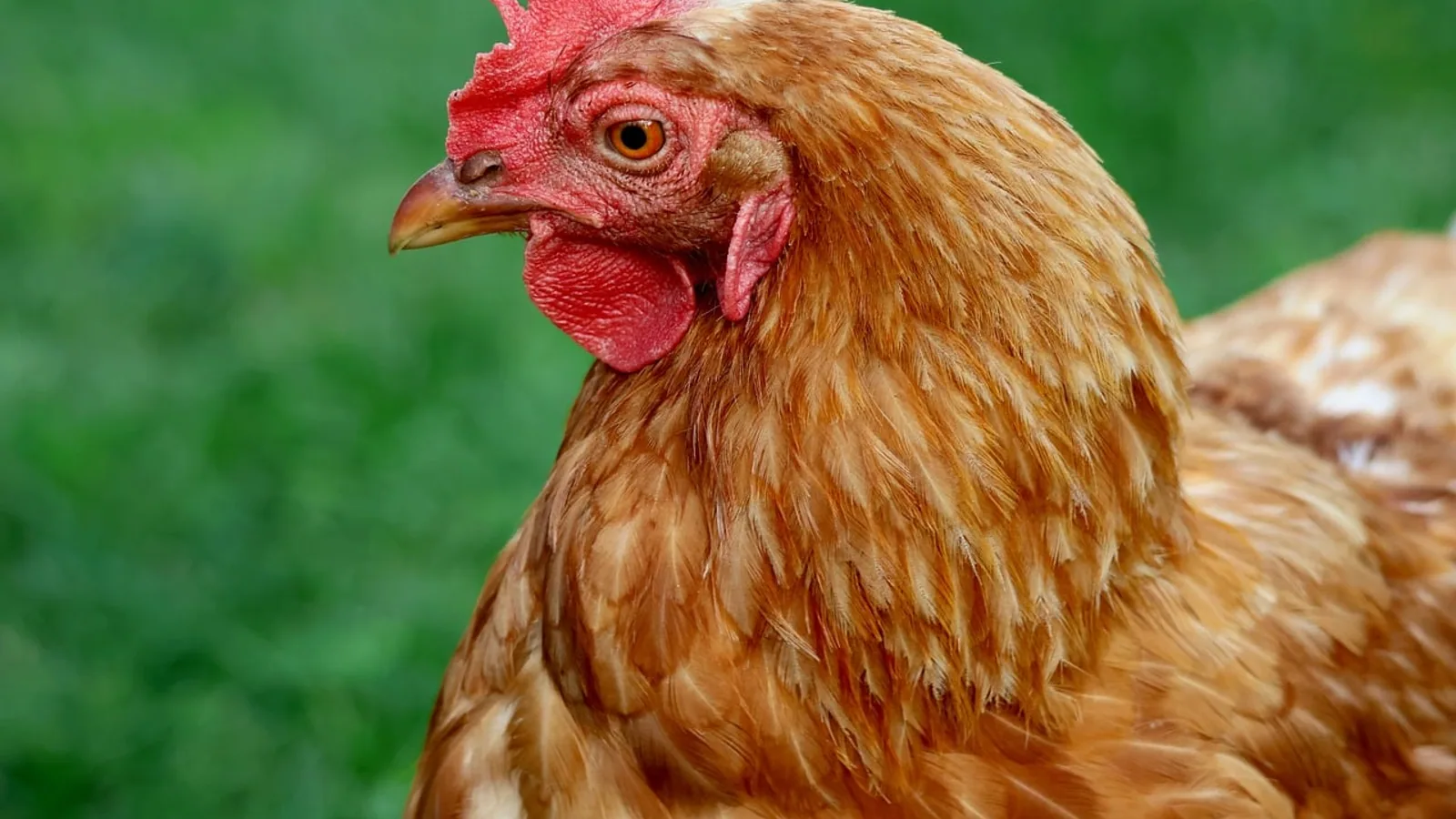
The best spices for chickens are oregano, garlic, turmeric, cinnamon, and ginger, used in small, measured amounts. Oregano is the most studied and is typically offered at 1 to 2 percent of the total feed. Turmeric is commonly used at 0.5 to 1 percent of feed. Garlic should stay at low levels because high doses can damage red blood cells and cause anemia. Cinnamon and ginger are used in very small amounts, usually a pinch per bird or a fraction of a percent in feed. Spices are not a substitute for veterinary care, and most of the research behind these numbers comes from small broiler studies that have not been repeated in backyard flocks.
This guide explains what each spice does, how much to use, what the evidence actually shows, and which kitchen ingredients can seriously harm a chicken.
At a Glance: Safe Spice Cheat Sheet
| Spice | Typical feed inclusion | Rough amount per adult bird per day | Evidence level | Main caution |
|---|---|---|---|---|
| Oregano | 1 to 2 percent of feed | About 1 to 2 g in a 100 g daily ration | Moderate in broilers, limited in layers | Very high doses may reduce feed intake |
| Garlic | Low levels only, well under 1 percent of feed | A small pinch, roughly 0.1 to 0.2 g | Low to moderate, mixed results | High doses can cause anemia |
| Turmeric | 0.5 to 1 percent of feed | About 0.5 to 1 g in a 100 g ration | Moderate in broilers | Stains skin, feathers, and equipment |
| Cinnamon | Small amounts, well under 0.5 percent | A small pinch | Low | Strong flavor, can reduce intake |
| Ginger | Small amounts, often 0.5 percent or less | A small pinch | Low | Concentrated extracts are not the same as powder |
Treat this table as a starting framework, not a prescription. Every flock is different, and a veterinarian who knows your birds should guide any change.
Why Owners Add Spices to Chicken Feed
Spices and herbs belong to a broad category called phytogenic feed additives, or phytobiotics. These are plant-derived compounds added to feed for their antimicrobial, antioxidant, immune-modulating, and growth-promoting properties [1][2]. After the widespread ban on antibiotic growth promoters in commercial poultry production, researchers and producers looked for natural alternatives, and plant compounds became a major area of study [3].
The active ingredients in spices include essential oils, polyphenols, terpenoids, and flavonoids [2]. These compounds can influence gut morphology, intestinal integrity, the balance of gut bacteria, antioxidant capacity, and immune function in broilers [1]. Herbal additives can also shift the fatty acid profile of chicken meat, raising polyunsaturated and monounsaturated fats and lowering saturated fats, while the antioxidants in the herbs help prevent those fats from oxidizing [4].
For backyard flock owners, the appeal is simple. Spices are inexpensive, easy to find, and fit the idea of a natural flock management routine. The catch is that most of the supporting research was done in commercial broiler houses, not in small backyard coops, and the results are not always consistent. One review of phytogenic additives noted contradictory findings across studies and concluded that more work is needed to pin down appropriate inclusion levels and mechanisms of action [5].
How Spices Are Used in Poultry Research
Understanding the study designs helps you judge how much weight to give each recommendation.
Most trials use broiler chickens, the fast-growing meat birds raised for slaughter. Researchers mix a set percentage of a dried, ground spice into a complete commercial ration and measure body weight gain, feed conversion, blood parameters, and immune markers over a few weeks [6][7]. A typical design assigns a few hundred day-old chicks to several treatment groups and compares each spice group against an unsupplemented control [6].
Laying hen studies exist but are fewer. One trial in older laying hens tested three herbal mixes, including a blend of garlic, artichoke, ginger, and shallot, against a high-energy challenge diet designed to trigger fatty liver hemorrhagic syndrome [8]. That study looked at egg production, blood variables, and liver lesions rather than growth.
A few studies use ducks or other species. A trial in Muscovy ducks fed 4 percent Elsholtzia cypriani herb powder found increased feed intake, a higher thymus index, higher glutathione peroxidase activity, and lower malondialdehyde, a marker of oxidative stress [9]. That is a different species and a much higher inclusion rate than anything recommended for chickens.
The practical takeaway is that dose ranges from broiler research give you a reasonable starting point, but they do not guarantee the same result in a small mixed-age backyard flock.
Oregano: The Best-Studied Spice for Chickens
Oregano is the spice most often recommended for chickens, and it has the strongest research base of the common kitchen spices.
What Oregano Does
Oregano contains essential oils, particularly carvacrol and thymol, that show antimicrobial and antioxidant activity. In the broader phytobiotic literature, oregano-type plant compounds are studied for their effects on gut bacteria, intestinal integrity, and immune response [1][2]. The general mechanism is that plant essential oils can disrupt bacterial cell membranes, modulate the gut microbial community, and reduce oxidative stress in the intestinal tract [1].
Safe Amount for Oregano
The commonly cited range is 1 to 2 percent of the total feed by weight.
For a backyard hen eating roughly 100 to 120 grams of feed per day, 1 to 2 percent works out to about 1 to 2 grams of dried oregano per day. That is roughly a half teaspoon to a full teaspoon of dried oregano leaf. For a small bantam, scale down to about half that.
Start at the low end, around 1 percent, for the first two weeks. Watch feed intake and droppings. If everything looks normal, you can hold at that level or move toward 2 percent.
Evidence Quality for Oregano
Evidence is moderate for broilers and weak for backyard flocks. Oregano and oregano-derived essential oils appear frequently in phytobiotic reviews as gut health enhancers [1][2]. The results are generally positive but not uniform, and the review literature explicitly notes that findings across phytogenic studies are inconsistent [5]. No large trial has tested oregano in small backyard flocks under typical coop conditions.
Garlic: Useful but Easy to Overdo
Garlic is popular in backyard flocks, and it appears in laying hen research, but it carries a real risk that owners often underestimate.
What Garlic Does
Garlic contains organosulfur compounds with antimicrobial and antioxidant properties. It shows up in herbal blends tested for immune modulation and gut health in poultry [10][8]. A laying hen study that included garlic in a four-herb mix (garlic, artichoke, ginger, and shallot) evaluated the blend for preventing fatty liver hemorrhagic syndrome, a serious metabolic liver condition in older hens [8].
The Anemia Risk
Garlic in high doses can damage red blood cells and cause anemia in chickens. The organosulfur compounds responsible for garlic's smell are the same compounds linked to oxidative damage to red blood cells when intake is excessive. This is the single most important reason to keep garlic doses low.
Because of this risk, garlic should stay well under 1 percent of feed. For a typical adult hen, that means a small pinch, roughly 0.1 to 0.2 grams of dried garlic powder per day. Do not feed garlic cloves freely, do not use garlic in the drinking water at strong concentrations for extended periods, and do not combine multiple garlic products.
Evidence Quality for Garlic
Evidence is low to moderate and mixed. Garlic appears in combination herbal products rather than as a standalone tested spice in most poultry trials [8]. The anemia concern is well established in veterinary toxicology and is the reason garlic is treated as a spice to use sparingly rather than a daily staple.
Turmeric: Antioxidant Support With Strong Staining
Turmeric is one of the most studied spices in broiler nutrition, and it is generally well tolerated at moderate doses.
What Turmeric Does
Turmeric's main active compound is curcumin, a polyphenol with antioxidant and anti-inflammatory activity. In a broiler trial, turmeric powder was fed at 0.5 percent of the diet alone and in combination with black pepper and coriander [6]. The turmeric-only group showed improved cumulative feed conversion compared with the unsupplemented control, and the combination groups showed increased serum total protein and decreased serum glucose [6].
Turmeric also appears in a laying hen study as part of a four-herb mix (turmeric, fumitory, green tea, and milk thistle) tested against fatty liver hemorrhagic syndrome [8].
Safe Amount for Turmeric
The standard range is 0.5 to 1 percent of feed. The broiler trial used 0.5 percent [6]. For a hen eating about 100 grams of feed daily, 0.5 percent is about 0.5 grams, or roughly a quarter teaspoon of ground turmeric.
Turmeric is fat-soluble, and its absorption improves when paired with a small amount of fat and with black pepper. The broiler study that combined turmeric with black pepper and coriander found the strongest effects in the combination groups [6].
Evidence Quality for Turmeric
Evidence is moderate for broilers. The 0.5 percent dose has direct trial support for feed conversion [6]. Evidence in laying hens is limited to combination products [8]. There is no trial data on turmeric in backyard flocks.
Practical Caution
Turmeric stains. It will turn light-colored feathers, skin, feeders, and hands yellow. Use a dedicated measuring spoon and expect some discoloration.
Cinnamon: Small Amounts Only
Cinnamon is often recommended for its antimicrobial properties, but the evidence in chickens is thin and the safe margin is narrow.
What Cinnamon Does
Cinnamon contains cinnamaldehyde, an essential oil compound with antimicrobial activity. It fits the general phytobiotic category of plant compounds that can influence gut bacteria and oxidative status [2][5].
Safe Amount for Cinnamon
Use small amounts, well under 0.5 percent of feed. For a single adult hen, that is a small pinch, no more than about 0.1 to 0.2 grams of ground cinnamon per day. Cinnamon is a strong flavor, and too much can reduce feed intake, which is the opposite of what you want.
Never use cinnamon essential oil. Concentrated essential oils are far more potent than ground spice and can irritate the mouth, throat, and digestive tract.
Evidence Quality for Cinnamon
Evidence is low. Cinnamon appears in general phytobiotic reviews but is not the focus of the broiler trials in this body of work [2][5]. Treat cinnamon as a minor additive with a small safe margin rather than a proven performer.
Ginger: Gentle Support in Small Doses
Ginger is a mild spice that appears mostly in combination products in poultry research.
What Ginger Does
Ginger contains gingerols and related compounds with antioxidant and anti-inflammatory activity. It is grouped with other phytogenic additives studied for gut health, immune modulation, and stress mitigation in broilers [1][11]. Ginger appears in a laying hen herbal mix alongside garlic, artichoke, and shallot, tested for fatty liver hemorrhagic syndrome prevention [8].
Safe Amount for Ginger
Use small amounts, often 0.5 percent of feed or less. For an adult hen, that is a pinch, roughly 0.1 to 0.5 grams of ground dried ginger per day. Fresh ginger can be offered in tiny slivers, but dried ground ginger is easier to measure consistently.
Evidence Quality for Ginger
Evidence is low. Ginger's poultry research presence is almost entirely within multi-herb blends [8]. There is no standalone dose-response trial in backyard chickens.
Other Herbs With Poultry Research Support
Several herbs outside the classic spice rack have meaningful poultry research behind them. They are worth knowing about because they show up in commercial phytogenic products.
Black Pepper and Coriander
A broiler trial tested 0.5 percent black pepper, 0.5 percent turmeric, and 2 percent coriander seed, alone and in combinations [6]. Black pepper alone, coriander alone, and the black pepper plus coriander combination all produced higher body weight gain over five weeks compared with the control. The black pepper, turmeric, and coriander combination also improved feed conversion [6]. This is one of the clearer demonstrations that spice combinations can outperform single spices.
Coriander, Fenugreek, and Anise
A separate broiler trial fed 3 percent coriander, a 50/50 coriander and fenugreek blend, and a 50/50 coriander and green anise blend [7]. The coriander plus anise group had the greatest body weight and organ weight, and the highest lymphocyte count. The coriander plus fenugreek group also had elevated lymphocytes compared with the control [7]. Note that 3 percent is a much higher inclusion rate than the spice doses recommended for home use.
Green Tea and Mulberry Leaf
Green tea and mulberry leaf powders change the chicken gut microbiota. Mulberry leaf increased the relative abundance of Bacteroides, Prevotella, and Megamonas, while green tea powder increased a potentially pathogenic genus called Gallibacterium [12]. That last finding is a caution. Not every plant additive improves the gut community, and the authors concluded that herbs should be evaluated for animal health effects before being adopted as feed additives [12].
Herbal Blends and Immune Function
Combination herbal products are common in the research. A Chinese herbal mixture fed to broiler breeders at 1,000 mg/kg increased laying rate and reduced feed conversion ratio, and all doses raised serum antioxidant and immune markers [13]. A separate herbal immunomodulator study in broilers found the best body weight gain at 2 percent inclusion, with improved humoral immune response across supplemented groups [14]. A probiotic plus herb combination (milk thistle, nettle, and dandelion) improved early and late growth and raised innate immune markers in broilers [15].
These studies support the general idea that plant compounds can influence poultry health. They do not translate directly into a home recipe, because the products tested are proprietary blends with unknown exact composition.
Spices and Herbs to Avoid Entirely
Some kitchen ingredients are dangerous for chickens. Keep these out of the feed and out of reach.
Onion
Onion, like garlic, contains organosulfur compounds that can damage red blood cells. Onion is more potent than garlic in this regard. Do not feed raw, cooked, or powdered onion to chickens. Do not feed table scraps containing onion.
Avocado
Avocado, particularly the leaves, bark, skin, and pit, contains persin, which is toxic to birds. Do not offer avocado in any form.
Chocolate
Chocolate contains theobromine and caffeine, both of which are toxic to birds. Even small amounts can cause serious problems. Keep all chocolate away from the coop.
High-Salt Spices and Seasoning Blends
Salt is dangerous for chickens, and commercial seasoning blends often contain high sodium levels plus onion and garlic powder. Do not feed seasoned salt, garlic salt, onion salt, taco seasoning, or similar products. Use plain, single-ingredient ground spices only.
Essential Oils
Concentrated essential oils are not interchangeable with dried ground spices. They are far more potent, and dosing errors are easy. Unless a specific product is formulated and labeled for poultry and recommended by your veterinarian, do not add essential oils to drinking water or feed.
How to Add Spices to Your Flock's Feed
Follow these steps to introduce any spice safely.
- Confirm the spice is plain and single-ingredient. Check the label for added salt, onion, garlic salt, or anti-caking agents.
- Start with one spice at a time. Do not introduce five new spices in the same week. If a bird reacts badly, you need to know which ingredient caused it.
- Begin at the low end of the range. For oregano, start at 1 percent. For turmeric, start at 0.5 percent. For garlic, cinnamon, and ginger, start with a pinch per bird.
- Mix thoroughly into a small batch of feed first. Spices settle and clump. Mix the spice into a small amount of feed, then blend that into the full batch so every bird gets a consistent dose.
- Offer the spiced feed alongside plain feed for the first few days if you are unsure. This lets birds self-select and reduces the chance that a strong flavor puts them off eating.
- Watch feed intake, water intake, droppings, and behavior for the first week. A drop in feed intake is the earliest sign that a spice is too strong or unpalatable.
- Keep a simple log. Note the spice, the amount, the date started, and any changes you observe. This makes it much easier to identify problems and to discuss the routine with your veterinarian.
- Reassess after two to four weeks. If you see no benefit and no problem, there is no reason to continue. If you see a problem, stop the spice immediately.
Equipment and Supplies
You do not need special equipment, but a few inexpensive items make the process safer and more consistent.
- A digital kitchen scale that reads in grams. Volume measures like "a pinch" are imprecise. A scale lets you weigh spice and feed accurately.
- A dedicated set of measuring spoons used only for flock supplements, so you do not cross-contaminate human food with higher doses.
- A small mixing bucket for pre-blending spice into a portion of feed.
- Airtight containers for storing ground spices away from heat, light, and moisture. Ground spices lose potency over months.
- A notebook or phone note for your flock log.
Choose plain ground spices from the grocery store spice aisle. There is no need to buy specialty poultry products unless your veterinarian recommends one.
Common Mistakes Owners Make
Using too much garlic. This is the most frequent and most serious error. Garlic is not a "more is better" spice. High doses cause anemia.
Confusing dried spice with essential oil. A drop of oregano essential oil is not the same as a teaspoon of dried oregano. Essential oils are concentrated and easy to overdose.
Feeding seasoned blends. Garlic salt, onion powder, and seasoning mixes contain ingredients that are harmful to chickens.
Expecting a cure. Spices support general health at best. They do not treat infections, parasites, or respiratory disease.
Changing everything at once. Introducing multiple spices, a new feed, and a new supplement in the same week makes it impossible to know what helped or hurt.
Ignoring a drop in egg production or feed intake. These are early warning signs. Stop the supplement and reassess.
Assuming broiler results apply to layers. Most spice research is in fast-growing meat birds. Laying hens, older birds, and bantams may respond differently.
Welfare and Safety Points
Spices are a minor part of flock care. The basics matter far more.
Clean water, a balanced commercial ration, adequate space, protection from predators and weather, and prompt attention to sick birds do more for flock health than any spice. Phytogenic additives are studied as gut health enhancers and antibiotic alternatives in commercial production [1][3], but they work alongside good management, not instead of it.
Watch for signs of illness in any bird receiving a new supplement. Listlessness, ruffled feathers, reduced eating or drinking, changes in droppings, and drops in egg production all warrant stopping the supplement and evaluating the bird.
Some additives can reduce immune competence if given in excessive amounts, and researchers have called for better data on tolerance levels and optimal doses for the additives most likely to replace antibiotics in poultry diets [10]. That is a direct warning against pushing doses higher than the ranges described here.
Limitations and When to Contact a Veterinarian
This article is educational and is not a substitute for veterinary diagnosis or treatment.
Contact a veterinarian promptly if you see any of the following.
- A bird stops eating or drinking for more than a day
- Sudden drop in egg production across the flock
- Pale combs, weakness, or lethargy, which can suggest anemia
- Bloody, watery, or unusually colored droppings
- Labored breathing, sneezing, or discharge from the eyes or nostrils
- Swelling of the face, joints, or abdomen
- Sudden deaths in the flock
- Any bird that does not improve within 24 to 48 hours of supportive care
Bring your flock log with you. Knowing exactly what you fed, how much, and for how long helps your veterinarian narrow down the cause.
Spices are not a substitute for veterinary care. If you suspect a disease or parasite problem, do not try to treat it with kitchen spices. Get a diagnosis first.
Frequently Asked Questions
What is the single best spice for chickens?
Oregano has the strongest research support and the widest safe dose range, typically 1 to 2 percent of feed. It is the most reasonable first spice to try.
How much garlic can I give my chickens?
Keep garlic well under 1 percent of feed, which is roughly a small pinch of dried powder per adult bird per day. High doses can cause anemia.
Can I put spices in my chickens' drinking water?
Dried ground spices do not dissolve well in water and can clog drinkers. Mix them into feed instead. Do not add essential oils to drinking water.
Is turmeric safe for chickens every day?
Turmeric at 0.5 to 1 percent of feed is generally well tolerated and has broiler trial support at 0.5 percent. Expect yellow staining on feathers, skin, and equipment.
Can spices replace antibiotics or dewormers?
No. Spices are studied as gut health and immune support additives, not as treatments for infection or parasites. Sick birds need a veterinary diagnosis.
Why did my hens stop eating after I added a spice?
A strong flavor or an excessive dose can reduce feed intake. Stop the spice, offer plain feed, and reintroduce at a much lower level if you want to try again.
Are onion powder and garlic powder safe for chickens?
Onion powder is not safe. Garlic powder is safe only in very small amounts. Both contain organosulfur compounds that can damage red blood cells at high doses.
How long should I feed a spice before judging results?
Give it two to four weeks at a consistent dose while watching feed intake, droppings, behavior, and egg production. If you see no benefit and no problem, there is no reason to continue.
Related Articles
- Can Dogs Eat Salami? Spice Toxicity and Pancreatitis
- Chicken Run Design and Materials: A Practical Guide for Safe Enclosures
- Chicken Coop Plants: Safe and Beneficial Flora for Coop and Run
- How to Calculate the Amount of RNA for Reverse Transcription
- How to Calculate the Amount of DNA for a PCR Reaction
- Dog Urinating Small Amounts Frequently: Causes and When to Worry
- Can Dogs Have Ginger? Safe Amounts and Risks
- Is Cinnamon Bad for Dogs? Safe Amounts
- Aspirin for Dogs: Dosage, Risks, and Safe Use
Sources
- Phytobiotics in poultry: revolutionizing broiler chicken nutrition with plant-derived gut health enhancers.
- Assessing the potential of phytogenic feed additives: A comprehensive review on their effectiveness as a potent dietary enhancement for nonruminant in swine and poultry.
- Alternatives to antibiotics for organic poultry production: types, modes of action and impacts on bird's health and production.
- The Impact of Herbal Additives for Poultry Feed on the Fatty Acid Profile of Meat.
- Phytogenic Feed Additives in Poultry: Achievements, Prospective and Challenges.
- Effects of black pepper (piper nigrum), turmeric powder (curcuma longa) and coriander seeds (coriandrum sativum) and their combinations as feed additives on growth performance, carcass traits, some blood parameters and humoral immune response of broiler chickens.
- The effect of spices Coriandrum sativum L., Trigonella foenum-graecum L., Pimpinella anisum L., and their combinations on growth performance, carcass trait, and hematobiochemical parameters in broiler chicken.
- Application of various mixtures of medicinal herbs in the diet of laying hens: Evaluating preventive approach of fatty liver syndrome.
- Dietary supplementation with herbal powder of Elsholtzia cypriani improves immune function in Muscovy ducks by activating endogenous antioxidant system and modulating gut microbiota.
- Immunomodulatory Effects of Natural Feed Additives for Meat Chickens.
- The role of phytogenic feed additives in stress mitigation in broiler chickens.
- Effect of green tea and mulberry leaf powders on the gut microbiota of chicken.
- Dietary Chinese herbal mixture supplementation improves production performance by regulating reproductive hormones, antioxidant capacity, immunity, and intestinal health of broiler breeders.
- Effect of dietary supplementation of herbal immuno-modulator on growth performance, immune response and serum biochemical indices of broiler chickens.
- Enhancing growth performance and innate immunity in broiler chickens through combined probiotic and herbal supplementation.