Do Betta Fish Mate? Breeding Facts for Owners
By Dr. Zubair Khalid, DVM, MS, PhD ·
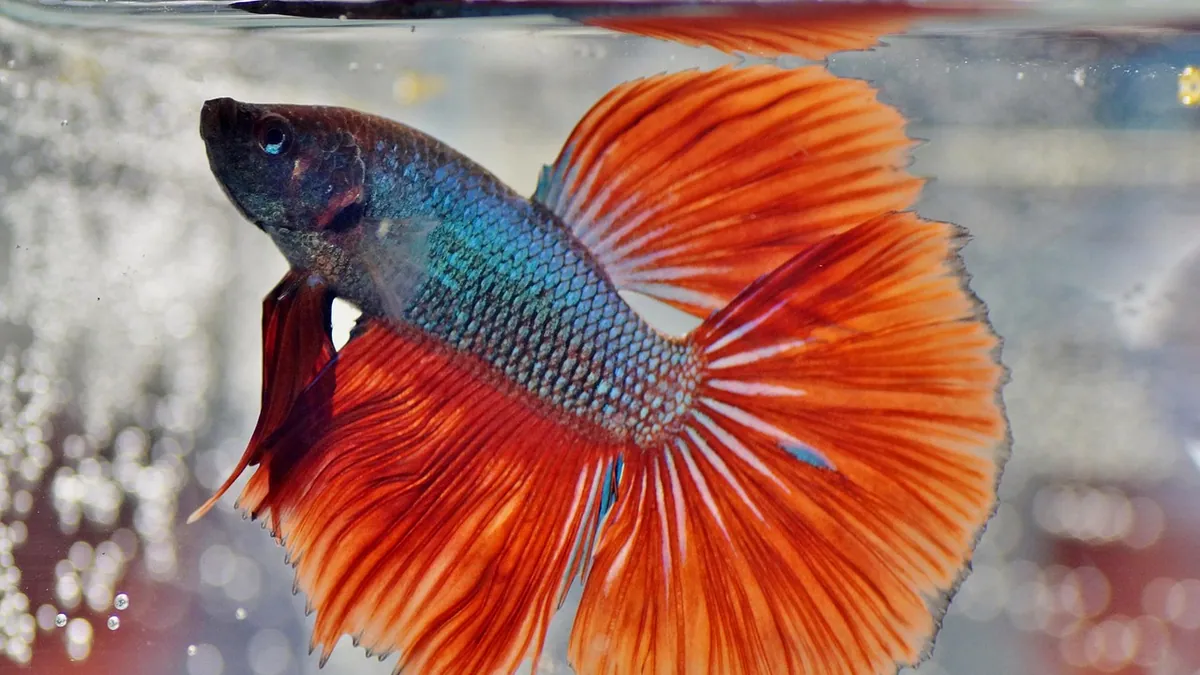
Do betta fish mate? Yes, they can, but only when a male and female are in breeding condition and the environment supports it. In home aquariums, most bettas never breed because the conditions are not right or because the owner keeps them safely separated. This article is educational and is not a substitute for veterinary diagnosis or treatment.
Quick Answer
- Betta fish mate through a courtship ritual that ends with the female releasing eggs and the male fertilizing them, usually under a bubble nest.
- A male builds a bubble nest at the water surface before spawning, and he guards the eggs and fry afterward.
- Breeding requires a conditioned pair, warm clean water, live or frozen foods, and a separate grow-out setup for the fry.
- The male often attacks the female after spawning, so the female must be removed right away.
- Most owners should not breed bettas casually because raising fry is expensive, time-consuming, and hard on the fish.
How Do Betta Fish Mate? The Spawning Process
Betta breeding starts long before the fish touch each other. A male in breeding condition builds a bubble nest, a cluster of mucus-coated bubbles at the water surface. He may build one even without a female present. When a receptive female is introduced, the male courts her with flaring, chasing, and display behavior.
If the female is ready, she approaches the nest. The pair performs a series of embraces, where the male wraps his body around the female and squeezes eggs from her. He fertilizes the eggs as they fall, then collects them and places them in the bubble nest. This embrace repeats until the female is spent. The male tends the nest and the eggs, and he may become aggressive toward the female once spawning ends.
Spawning behavior in fish is often triggered by specific environmental cues, including water conditions, food availability, and daylight [1]. For tropical species like bettas, daylight matters less because tropical regions have fairly constant day length year round [1]. Nutrition and water quality matter more.
Betta Fish Breeding Step by Step
Breeding bettas is not a matter of putting a male and female together and waiting. Here is what the process actually involves.
Step 1: Condition the Pair Separately
Feed both fish high-quality live or frozen foods for one to two weeks. Good nutrition supports egg production in the female and nest-building in the male. Keep them in separate tanks where they can see each other but not touch. This visual contact encourages courtship without injury.
Step 2: Set Up the Breeding Tank
Use a bare-bottom tank of at least 5 to 10 gallons with a tight lid. Bettas jump. Keep the water warm, clean, and shallow enough that the male can reach the surface easily. Add a gentle sponge filter and a few floating plants or a piece of Indian almond leaf to help the male anchor his nest. Avoid strong current, which destroys bubble nests.
Step 3: Introduce the Female Safely
Place the female in a clear cup or jar inside the breeding tank so the pair can see each other without contact. Let them interact this way for a day or two. Watch the male for nest building and the female for vertical bars on her body and a rounded belly. These are signs she is ready.
Step 4: Release and Observe
Release the female when both fish show readiness. Stay close. Courtship can look rough, with chasing and flaring. If the male attacks the female relentlessly, separate them. Spawning usually happens within a day or two if conditions are right.
Step 5: Remove the Female
Once spawning ends and the female is hiding or exhausted, remove her immediately. The male guards the nest and may kill her if she stays.
Step 6: Raise the Fry
Betta fry are tiny and need infusoria or specialized fry food at first. They grow at different rates and often need to be separated as they mature. This stage lasts weeks to months and requires daily feeding, water changes, and monitoring.
Breeding Readiness Checklist
| Item | Why It Matters | Ready When |
|---|---|---|
| Male condition | Supports nest building and fertility | Bright color, active, building bubbles |
| Female condition | Supports egg production | Rounded belly, vertical bars, receptive posture |
| Water temperature | Triggers spawning behavior | Warm, stable, within tropical range |
| Water quality | Prevents stress and disease | Ammonia and nitrite at zero |
| Food | Fuels reproduction | Live or frozen foods offered daily |
| Separate grow-out tank | Houses fry after hatching | Cycled, warm, ready before spawning |
| Sponge filter | Gentle filtration for fry | Running and mature |
| Time commitment | Fry need daily care | Several weeks free |
Signs Something Is Wrong During Breeding
Breeding stresses fish, and problems show up fast. Watch for these signs.
- The female has torn fins, missing scales, or hides constantly. The male is too aggressive. Remove her.
- The male stops tending the nest and the eggs turn white or fuzzy. The eggs are dead or fungus has set in.
- Either fish gasps at the surface or floats oddly. Water quality or temperature is off.
- The female looks thin, pale, or lethargic after spawning. She needs rest and recovery in her own tank.
- Fry die off in large numbers. Feeding, water quality, or temperature is likely wrong.
A fish that stops eating after breeding may be stressed or sick. See Betta Fish Not Eating for guidance.
Common Mistakes Owners Make
Many breeding attempts fail because of avoidable errors.
- Leaving the pair together after spawning. This is the most common cause of female death.
- Breeding fish that are too young or too small. Wait until both are fully mature and in good body condition.
- Using a tank that is too small or too deep. The male needs surface access and space to build.
- Skipping conditioning. Poor nutrition means few eggs and weak fry.
- No plan for the fry. A single spawn can produce dozens to hundreds of babies.
- Breeding pet-store bettas without knowing their history. Many are already stressed or carry disease.
- Assuming breeding is easy because the fish are "just fish." It is not.
Setup Details That Matter for Health
The breeding tank is not the same as a normal betta tank. Here is what matters.
Water. Keep it warm and clean. Test ammonia and nitrite daily during spawning. Even small spikes harm eggs and fry.
Filtration. Use a sponge filter with gentle flow. Strong current ruins bubble nests and tires the fish.
Cover. Bettas jump, especially during courtship. A tight lid is required.
Plants and cover. Floating plants and Indian almond leaves give the male anchor points and give the female hiding spots.
Lighting. Moderate light helps the pair see each other and supports plant health. Avoid bright light that stresses the fish.
Separate housing. Every betta needs its own space. Males cannot live together, and a male and female should only be together for spawning. For tank mate options, see Best Betta Fish Tank Mates.
Quarantine. New fish should be quarantined before any breeding attempt. This protects both fish and any future fry.
Should You Breed Your Betta?
Most owners should not. Breeding bettas is a serious project with real costs and risks. The female can be injured or killed. The fry need daily care for weeks. You need multiple tanks, heaters, filters, and a plan for every fish you produce. Many pet stores will not take extra bettas, and releasing them into the wild is illegal and harmful.
If you want to enjoy bettas, focus on excellent care instead. A single betta in a well-maintained tank can live for years. See How Long Do Betta Fish Live? Lifespan Guide and the Complete Betta Fish Care Guide for the basics.
Limitations and When to Contact a Veterinarian
Home breeding attempts cannot guarantee the health of the fish or the fry. Individual cases need a veterinarian, especially for injured or sick fish.
Contact an aquatic veterinarian the same day if:
- The female has open wounds, torn fins, or is lying on her side.
- Either fish stops eating for more than a day or two.
- You see white spots, fuzzy patches, or red streaks on the body.
- The fish gasps at the surface or floats without control.
Seek emergency care now if:
- The female is being actively attacked and cannot escape.
- A fish is bleeding or has a prolapsed organ.
- The fish is unresponsive and not moving gills.
Schedule a routine visit if you plan to breed and want to confirm both fish are healthy first. A veterinarian can check for parasites, infections, and body condition before you commit.
Frequently Asked Questions
Can a male and female betta live together?
No. They should only be together for spawning, and even then only under close supervision. After spawning, the male becomes aggressive and can kill the female.
How long does betta spawning take?
Spawning itself can take a few hours, but the full process from introduction to egg release often takes one to two days. Courtship may begin within hours if both fish are ready.
Do bettas need a bubble nest to breed?
A bubble nest is a strong sign the male is ready, but it is not strictly required for spawning. Some males spawn without a nest, though the eggs are more vulnerable without one.
How many babies do bettas have?
A single spawn can produce dozens to hundreds of fry, depending on the size and health of the female. Most of these will not survive without careful feeding and clean water.
Is betta breeding cruel?
It can be stressful and risky for the fish, especially the female. Responsible breeding requires preparation, space, and a plan for every fry. Casual breeding often harms the fish and adds to the number of bettas without homes.
Related Articles
- Best Betta Fish Tank Mates
- How Long Do Betta Fish Live? Lifespan Guide
- Betta Fish Not Eating
- Complete Betta Fish Care Guide
- Common Betta Fish Diseases and How to Treat Them
- Betta Fish Tank Setup for Beginners
- Betta Fish Eggs: Do They Lay Eggs and Can They Eat Them?
- Do Betta Fish Interact With You? Bonding Explained
- Do Betta Fish Fight? Why and How to Prevent It
- Betta Fish Natural Habitat and Behavior: Beyond the Bowl
- Ornamental Fish Breeding and Hatchery Management
References
- Breeding and Reproduction of Fish - All Other Pets. Merck Veterinary Manual.