Do Goldfish Mate? Breeding and Koi Crosses
By Dr. Zubair Khalid, DVM, MS, PhD ·
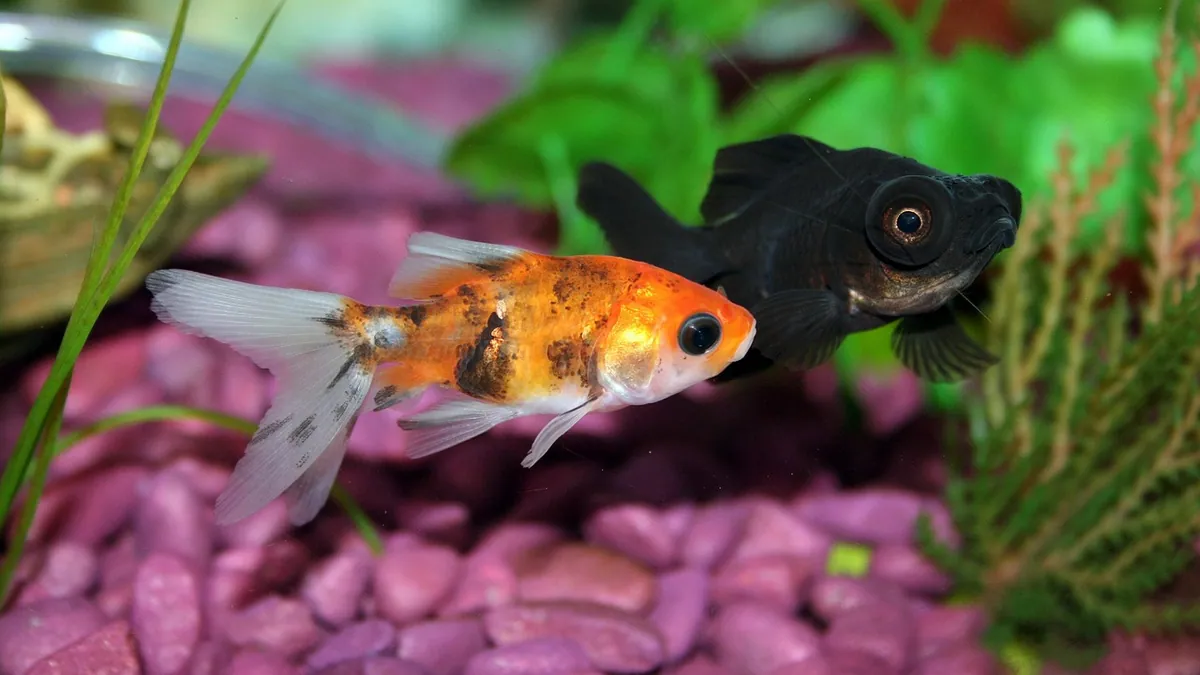
Yes, goldfish mate. They are egg-laying fish that spawn in groups, usually in spring when water warms and daylight lengthens. You will not see a goldfish "pregnancy," because females release eggs into the water and males release sperm over them. This article is educational and is not a substitute for veterinary diagnosis or treatment.
Quick Answer
- Goldfish breed by external fertilization. The female scatters sticky eggs on plants or spawning material, and males release sperm to fertilize them in the water [1][2].
- Spawning is triggered mainly by warming water, longer daylight, and good nutrition, which is why spring is the peak season for goldfish and koi [1].
- Goldfish and koi are different species, but they belong to the same family (Cyprinidae) and can sometimes hybridize. The offspring are usually sterile or have mixed traits.
- A single female goldfish can release hundreds to thousands of eggs, and adults will eat eggs and fry if you do not separate them.
- Most owners do not need to intervene. Breeding happens on its own when the environment supports it, and the main job is keeping water quality stable.
How Do Goldfish Mate? The Spawning Process
Goldfish do not court in pairs the way some cichlids do. They spawn in groups, often with one female chased by one or more males. The males nudge the female's belly and vent area, which encourages her to release eggs. As the eggs drift down, males release sperm (milt) to fertilize them [2].
The eggs are adhesive and stick to plants, spawning mops, or pond liner. They hatch in a few days depending on temperature. The adults have no parental instinct. In fact, they will eat eggs and newly hatched fry, so survival in a community tank or pond is usually low without help.
Hormones and pheromones drive this behavior. A hormone called 11-ketotestosterone affects spawning behavior in both males and females, and hormonal pheromones released in the water help synchronize males and females so they spawn at the same time [2]. This is why you may notice a sudden change in behavior across the whole group.
Do Goldfish and Koi Mate?
This is one of the most common questions from pond owners. Goldfish (Carassius auratus) and koi (Cyprinus carpio) are both in the minnow family, Cyprinidae, and they share similar spawning triggers and behavior [1]. Because they are closely related, they can occasionally produce hybrid offspring.
Those hybrids are sometimes called "koi-goldfish" crosses. They usually do not look like either parent. Many are sterile or have reduced fertility, and their body shape and color can be unpredictable. If you keep goldfish and koi together in a pond, you may see mixed spawning activity, but successful hybridization is not guaranteed.
For most backyard ponds, the bigger concern is not hybridization. It is the stress and injury that spawning causes. Males chase females hard, and females can be pushed into walls, rocks, or pond edges. Torn fins, scale loss, and exhaustion are common during heavy spawning.
Step-by-Step: What to Do When Your Goldfish Spawn
1. Confirm you have males and females
Mature males often develop small white bumps called breeding tubercles on the gill covers and pectoral fins. Females tend to look rounder, especially when full of eggs. Sexing fish can be difficult, and some fish are not obvious until spawning begins [1].
2. Watch for the triggers
Goldfish and koi are temperate and cold-water fish, so they respond strongly to seasonal changes in daylight and water temperature [1]. In an indoor tank, a gradual temperature rise and longer light hours can trigger spawning. In a pond, spring warming does it naturally.
3. Provide spawning material
If you want eggs to survive, give the female somewhere to scatter them. A spawning mop, dense plants, or a separate breeding tank works well. Without cover, most eggs get eaten.
4. Separate the adults after spawning
Once spawning stops, move adults away from the eggs. This is the single most effective way to improve fry survival. Adults do not care for young, and they will eat them.
5. Keep water quality stable
Spawning fouls water quickly. Eggs, milt, and waste raise ammonia and lower oxygen. Test water daily during spawning season and do partial water changes with dechlorinated water.
6. Feed the fry correctly
Newly hatched fry live on their yolk sac for a short time. After that, they need tiny foods like infusoria, then baby brine shrimp. Poor nutrition is a major reason fry die in the first two weeks [1].
If you are new to goldfish keeping, start with the Goldfish Care Guide: Tank Size, Diet, and Lifespan before you try breeding. Breeding healthy fish starts with healthy adults.
Spawning Season Checklist and Comparison
| Item | Goldfish | Koi |
|---|---|---|
| Peak season | Spring, when water warms | Spring, when water warms |
| Main triggers | Temperature, daylight, nutrition [1] | Temperature, daylight, nutrition [1] |
| Spawning style | Group spawning, egg scatterers | Group spawning, egg scatterers |
| Egg care | None, adults eat eggs | None, adults eat eggs |
| Cross-breeding | Possible with koi, hybrids often sterile | Possible with goldfish, hybrids often sterile |
| Main risk | Chasing injuries, water fouling | Chasing injuries, water fouling |
Seasonal checklist
- Test water temperature weekly as spring approaches.
- Increase daylight gradually if fish are indoors.
- Feed a varied, high-quality diet before and during spawning season.
- Add spawning mops or plants if you want eggs to survive.
- Check fins, scales, and vent areas daily for damage.
- Be ready to separate males from females if chasing gets severe.
- Have a grow-out tank ready if you plan to raise fry.
Signs Something Is Wrong
Spawning itself is normal, but it can go badly. Watch for these problems.
Injuries from chasing
Males can be relentless. Females may show torn fins, missing scales, red patches, or open wounds. If a female is trapped in a corner or pinned against a wall, separate her immediately. Wounds can become infected, and a veterinarian may need to prescribe treatment.
Water quality crashes
A heavy spawn releases a lot of organic waste. Ammonia and nitrite can spike, and oxygen can drop. Fish may gasp at the surface, hang near filters, or become lethargic. Do a partial water change and increase aeration.
Egg binding or bloating
A female that looks swollen but never releases eggs may be egg-bound. This can be serious. Do not squeeze her abdomen. Contact a veterinarian who treats fish.
Fungus on eggs
Dead eggs turn white and grow fungus, which can spread to healthy eggs. Remove dead eggs if you can, or add spawning material you can easily pull out and clean.
Sudden deaths
If multiple fish die during or after spawning, treat it as urgent. Check water parameters first, then contact a veterinarian. Spawning stress can unmask underlying disease.
If you keep other species, the Coral Reef Fish: Species Selection and Compatibility for Marine Aquariums article explains how compatibility and behavior affect breeding in marine setups, which works differently from goldfish.
Common Mistakes Owners Make
Assuming goldfish need a mate to breed
They do not pair up. Goldfish spawn in groups, and a single male and female in good condition can produce eggs. In a pond with many fish, spawning happens as a group event [2].
Leaving adults with the eggs
This is the most common reason owners see "no babies." Adults eat eggs and fry. If you want survivors, separate them.
Overfeeding during spawning
More food means more waste. Feed normal amounts and remove uneaten food. Overfeeding during spawning season can crash water quality fast.
Ignoring water temperature
Goldfish and koi are cold-water fish, and their breeding is tied to seasonal temperature and daylight changes [1]. If you keep them warm year-round, they may not spawn at all, or they may spawn unpredictably.
Mixing goldfish and koi without a plan
Cross-breeding is possible, but the offspring are unpredictable and often sterile. More importantly, koi get much larger than goldfish and can outcompete them for food and space. Think carefully before housing them together.
Treating spawning as a disease
Spawning behavior looks dramatic. Chasing, nudging, and splashing are normal. Do not medicate fish just because they are spawning. Only treat actual injuries or infections.
Supplies and Setup That Matter for Health
Tank or pond size
Goldfish need more space than most people think, especially when breeding. Crowding increases stress, aggression, and water quality problems. See the Goldfish Tank Size Guide for specifics. If you keep koi, remember they need far more volume than goldfish.
Filtration and aeration
Spawning increases waste and lowers oxygen. A filter rated above your tank volume and an air stone or two can make a real difference. In ponds, aeration is critical in spring when spawning and warming water both reduce oxygen.
Spawning material
Spawning mops, hornwort, or floating plants give eggs somewhere to stick. They also give fry cover. Make sure any plant material is clean and free of pests.
Water test kit
You need to test ammonia, nitrite, nitrate, pH, and temperature. Guessing is not good enough during spawning season. Test daily when fish are actively spawning.
Grow-out tank
If you plan to raise fry, set up a separate tank with a sponge filter. Fry are tiny and get sucked into power filters. A bare-bottom tank is easier to clean.
Nutrition
Good nutrition supports egg quality and sperm health. Feed a varied diet with quality pellets, plus frozen or live foods. For koi, the Koi Fish Nutrition: Feeding Schedules, Diet Types, and Seasonal Adjustments article covers seasonal feeding in detail.
Quarantine space
New fish can carry disease. Always quarantine new arrivals before adding them to a breeding group. A sick fish in a spawning pond can infect the whole population.
Limitations and When to Contact a Veterinarian
Breeding goldfish is usually low-risk, but you cannot manage every problem at home. Individual cases need a veterinarian, especially when fish stop eating, develop wounds, or show breathing trouble.
Contact a veterinarian same day if you see:
- Open wounds, red ulcers, or fuzzy white patches on the body
- A female that is swollen, lethargic, and not releasing eggs
- Fish gasping at the surface despite good aeration
- Multiple fish with clamped fins, isolation, or loss of appetite
- Sudden deaths in the pond or tank
Treat as an emergency now if:
- Several fish die within hours
- Fish are lying on their sides or upside down
- Water tests show dangerous ammonia or nitrite levels and fish are in distress
Schedule a routine visit if:
- You plan to breed and want a health check first
- Fish have chronic fin damage or recurring infections
- You are unsure whether your setup supports breeding
A veterinarian who treats fish can assess body condition, check for parasites or infection, and help you decide whether to continue breeding. Doses for any medication are calculated by the veterinarian based on the fish's weight and health, so never guess at a treatment.
Frequently Asked Questions
How can I tell if my goldfish are mating?
You will see chasing, nudging, and splashing, often with one female followed by one or more males. The female releases eggs and the males release milt over them. This is group spawning, not pairing.
Do goldfish need a male and female to reproduce?
Yes, goldfish reproduce sexually, so you need at least one male and one female. However, they do not form pairs. In a group, multiple males may chase a single female at the same time.
Can goldfish and koi have babies together?
They can occasionally produce hybrid offspring because they are closely related. The hybrids often have mixed traits and may be sterile. Successful crosses are not guaranteed even when both species spawn together.
What do I do with goldfish eggs?
If you want them to hatch, move the eggs or the adults. Eggs stick to plants and spawning mops, so you can move the material to a separate tank. Keep the water clean and warm, and expect fry in a few days.
Will my goldfish breed in a tank?
They can, but tanks are less reliable than ponds because temperature and daylight are more controlled. A gradual temperature rise, longer light hours, and good nutrition improve the odds. Crowding and poor water quality reduce them.
How many eggs does a goldfish lay?
A mature female can release hundreds to thousands of eggs in a single spawn. Most will be eaten by adults if you leave them together. Only a small number typically survive to adulthood without intervention.
Related Articles
- Goldfish Types and Varieties Guide
- Coral Reef Fish: Species Selection and Compatibility for Marine Aquariums
- Koi Fish Nutrition: Feeding Schedules, Diet Types, and Seasonal Adjustments
- Goldfish Care Guide: Tank Size, Diet, and Lifespan
- Goldfish Tank Size Guide
- Do Goldfish Lay Eggs? Breeding and Egg Care
- Why Goldfish Chase Each Other: Spawning or Aggression?
- Is My Goldfish Pregnant? Signs and What to Do
- Ornamental Fish Breeding and Hatchery Management
References
- Breeding and Reproduction of Fish - All Other Pets. Merck Veterinary Manual.
- Environmental and Physiological Regulation of Reproduction in the Goldfish: Gonadal Development, Maturation, and Spawning Behavior: A Review. Animals : an open access journal from MDPI, 2026.