Do Betta Fish Recognize Their Owners?
By Dr. Zubair Khalid, DVM, MS, PhD ·
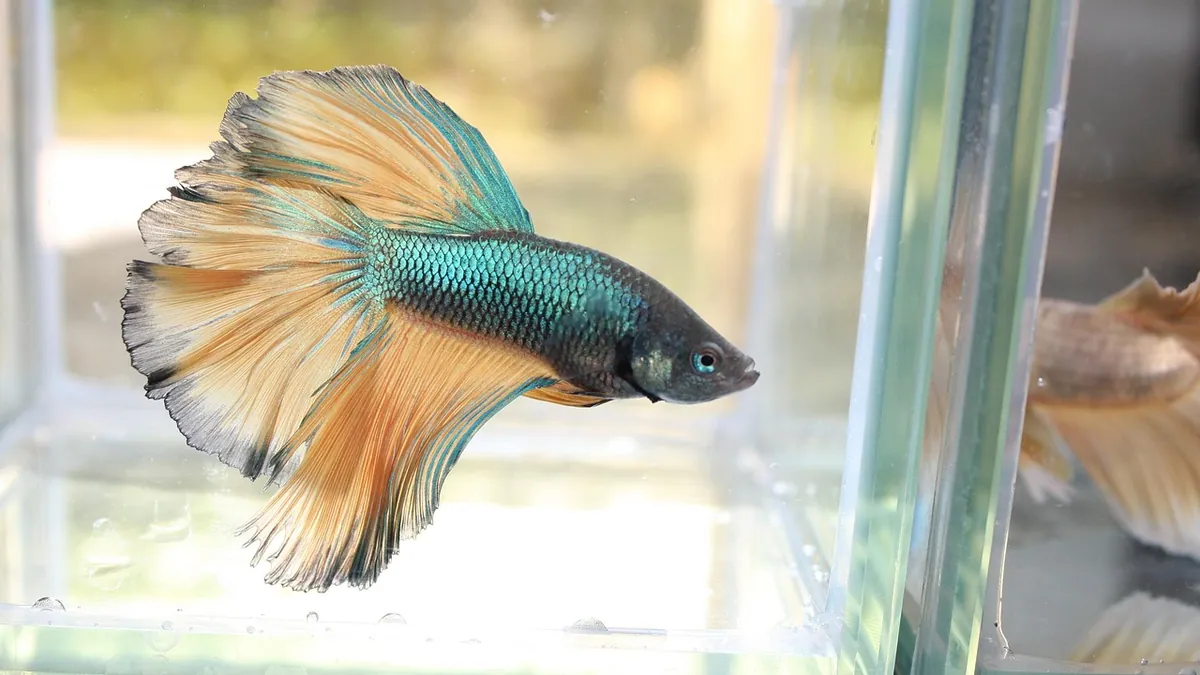
Betta fish can learn to recognize the person who feeds them, but this is a learned association, not affection in the human sense. Your betta links your face, your approach, and your hand at the tank with food and safety. So yes, a betta can respond to you specifically, and the response is real even if the emotion behind it is not.
This article is educational and is not a substitute for veterinary diagnosis or treatment.
Quick Answer
- Bettas can learn to connect a specific person with feeding time, so they may swim to the front of the tank when you walk by.
- This is a trained association, not proof that your fish loves you or misses you when you leave.
- Bettas have a memory that lasts well beyond the old "three second" myth, and they can keep learning new cues over time.
- Strong, consistent responses to you are a good sign your fish is healthy, alert, and comfortable in its tank.
- If a betta that used to greet you suddenly hides or stops eating, treat that as a health concern, not a personality change.
Do Betta Fish Recognize Their Owners? What the Science Says
Fish are not simple reflex machines. Research on fish cognition suggests that most fish likely have conscious vision, meaning they process what they see in a way that supports learning and memory [1]. That matters for your betta, because recognizing you depends on vision, memory, and learning working together.
Some fish can do far more than that. Cleaner fish (Labroides dimidiatus) can recognize their own face in a mirror, a capacity tied to self-recognition that was long thought to belong only to humans and a few mammals [2]. Your betta is not a cleaner fish, and no one has shown that bettas pass a mirror test. The point is that fish brains are capable of more sophisticated recognition than most owners assume.
What your betta is most likely doing is learning to tell you apart from other people and from background events. That is a form of individual recognition, and it has been documented in other fish species. Zebrafish show a preference for familiar fish over strangers, but only when the two groups are close enough to be distinguished, which tells us that distance and clarity affect whether a fish shows recognition at all [3].
That last detail is useful for you. If your betta does not seem to notice you from across the room but perks up when you stand right at the glass, that fits the science. Recognition is easier up close.
Do Betta Fish Care About Their Owners?
Not in the way a dog or cat does. There is no evidence that bettas form emotional bonds with people the way social mammals do. What you are seeing is anticipation. Your fish has learned that a certain person predicts food, and anticipation looks a lot like excitement.
That does not make the behavior meaningless. A betta that swims toward you, flares gently, or follows your finger is showing curiosity and a working memory. Those are signs of a fish that feels secure in its environment.
Do Betta Fish Miss Their Owners?
No. Bettas do not have a concept of you being gone. What can happen is that a change in routine causes stress. If you leave for a week and a stranger feeds your fish, your betta may act differently when you return, but that reflects disrupted routine and possibly poor water quality from overfeeding, not loneliness.
Betta Fish Memory: How Long Does It Last?
The idea that bettas forget everything in three seconds is false. Fish learn and retain associations, and the stickleback work shows that fish can hold onto a learned link between a cue and a reward [4]. In practical terms, your betta can remember your feeding routine for weeks or longer, especially if you repeat it daily.
Memory also cuts both ways. A betta can learn that a net means being moved, and it may hide when it sees one for a long time afterward. That is why calm, predictable handling matters.
Betta Fish Behavior With Owner: What Is Normal
Normal, healthy responses to you include:
- Swimming to the front of the tank when you approach, especially near feeding time.
- Following your finger or your face along the glass.
- Flaring at you, which can be a greeting, a challenge, or simple excitement.
- Resting in a favorite spot and then becoming active when you come near.
- Eating readily from your hand or from a feeding ring.
These behaviors show that your betta has learned your patterns. They are also a rough health check. A betta that greets you every morning and suddenly stops is telling you something changed.
Medical Causes to Rule Out Before You Blame Behavior
If your betta's response to you changes, assume a health or water problem first. Fish cannot tell you they feel bad, so behavior is the signal.
Common causes of a betta that hides, stops greeting you, or stops eating include:
- Poor water quality, especially rising ammonia or nitrite, or a pH swing.
- Temperature that is too cold or unstable. Bettas are tropical fish and need steady warmth.
- Fin rot, body fungus, velvet, or other infections that cause lethargy and appetite loss.
- Swim bladder problems that make swimming and hovering uncomfortable.
- Constipation or bloat from overfeeding.
- Stress from a new tank mate, a tank move, or constant tapping on the glass.
If your betta stops eating, that alone deserves attention. See Betta Fish Not Eating for a step by step checklist. If you see spots, frayed fins, or color loss, review Common Betta Fish Diseases and How to Treat Them.
When Owner Recognition Becomes a Problem
A betta that is excited to see you is fine. Problems start when the behavior tips into chronic stress.
Watch for these patterns:
- Constant glass surfing along the front of the tank, even when you are not there.
- Flaring at its own reflection for hours because the tank walls act like a mirror.
- Hiding every time you approach, which suggests something about your presence has become scary.
- Refusing food when you are nearby but eating when you are away.
- Gasping at the surface, which points to water quality or oxygen problems, not personality.
A betta that only responds to you and ignores everything else may simply be under-stimulated. A bare tank with no plants, no cover, and no places to explore gives a fish nothing to do but watch you.
How to Build Real Interaction and Enrichment
You can strengthen the bond-like behavior you enjoy without pretending it is something it is not. The goal is a calm, curious fish that learns your routine and stays healthy.
Step 1: Set a Predictable Routine
Feed at the same times each day. Bettas learn schedules well, and a steady routine makes your presence predictable and safe. Feed a measured amount, remove what is not eaten, and avoid the urge to feed every time your fish swims up to you.
Step 2: Use Your Face and Voice as Cues
Spend a minute or two at the tank before feeding. Let your betta see your face and hear your voice. Over time, your fish may start responding to you before the food appears. This is the same kind of cue learning seen in other fish, where a signal becomes linked to a reward [4].
Step 3: Train Simple Behaviors
Bettas can learn to follow a target, such as the tip of a clean pipette or a finger outside the glass. Move the target slowly, reward with a single pellet when your fish follows, and keep sessions under two minutes. Short, frequent sessions work better than long ones.
Step 4: Fix the Environment First
No amount of interaction makes up for a poor tank. A betta needs warm, clean, filtered water, a tank large enough to swim in, and live or soft plants to rest on. Give your fish cover and open swimming space. A comfortable betta is a responsive betta.
Step 5: Add Mental and Physical Enrichment
Rotate a few tank-safe items, such as a new hide or a floating log, every couple of weeks. Let your betta hunt live or frozen foods occasionally instead of only pellets. Enrichment reduces glass surfing and gives your fish something to do besides watching you.
If you are adding tank mates, choose carefully. Bettas are territorial, and the wrong companion causes constant stress. See Best Betta Fish Tank Mates before you buy anything.
Step 6: Keep Water Quality Stable
Test your water regularly and change part of it on a schedule. Stable water is the single biggest factor in how your betta looks and acts. If you are new to betta keeping, start with the Complete Betta Fish Care Guide.
What Not to Do
- Do not tap the glass to get a reaction. It is loud and stressful underwater.
- Do not punish your betta. Fish do not learn from punishment the way mammals do, and stress makes behavior worse.
- Do not assume your fish is "sad" or "lonely" and add tank mates to fix it. That often backfires.
- Do not overfeed to reward a greeting. Overfeeding causes bloat, constipation, and water quality crashes.
- Do not believe the three second memory myth. It leads owners to skip enrichment that fish clearly benefit from.
- Do not handle your betta out of water. It damages the slime coat and causes severe stress.
When to Involve a Veterinarian or Behavior Professional
Call an aquatic veterinarian or a certified behavior professional if:
- Your betta stops eating for more than two days.
- You see white spots, red streaks, fuzzy patches, or fin edges that are eroding.
- Your fish is gasping at the surface, listing to one side, or unable to stay upright.
- Your betta hides constantly and no longer responds to feeding.
- Water tests are normal but behavior keeps getting worse.
For a fish that is suddenly unresponsive, floating oddly, or showing open wounds, treat it as urgent and contact an aquatic vet the same day. For a slow decline in appetite or activity, a routine visit with water test results in hand is the right first step.
Limitations and When to Contact a Veterinarian
This article cannot tell you what is wrong with your specific fish. Bettas hide illness well, and many behavior changes that look emotional are actually medical. A veterinarian who treats fish can examine your betta, review your water parameters, and decide whether treatment is needed.
Contact a veterinarian the same day if your betta is gasping, bleeding, or unable to swim normally. Treat sudden appetite loss, rapid breathing, or a swollen body as urgent. Schedule a routine visit if you notice a gradual change in activity, color, or fin condition over several days. If you are not sure whether the problem is medical or behavioral, assume medical first and get help.
Frequently Asked Questions
Can a betta tell me apart from other people?
Often, yes. Bettas learn to link a specific person with feeding and routine, so they may respond more strongly to the person who usually cares for them. This is learned recognition, not proof of affection.
Will my betta be fine if I go on vacation?
Yes, as long as someone feeds it correctly and keeps the water clean. Bettas do not grieve your absence, but they do react to routine changes and to overfeeding by a well meaning pet sitter. Leave written feeding instructions and pre-measured portions.
Does flaring at me mean my betta hates me?
No. Flaring is a display, and it can mean excitement, a challenge, or a reaction to your reflection on the glass. If your betta flares constantly and seems stressed, check the lighting and background to reduce mirror-like reflections.
Can I teach my betta tricks?
Yes. Bettas can learn to follow a target, swim through a hoop, or come to a specific spot for food. Keep sessions short, reward with tiny amounts of food, and stop if your fish loses interest.
Is a betta a good fish for a child who wants a pet that recognizes them?
It can be, with adult supervision. A betta will learn to respond to a consistent caregiver, which is rewarding for a child. An adult still needs to handle feeding, water changes, and health checks, since bettas are fragile and easy to overfeed.
Related Articles
- Betta Fish Not Eating
- Best Betta Fish Tank Mates
- How Long Do Betta Fish Live? Lifespan Guide
- Complete Betta Fish Care Guide
- Common Betta Fish Diseases and How to Treat Them
- Betta Fish Care: Dropsy kidney failure bloat diagnosis guide
- Do Betta Fish Interact With You? Bonding Explained
- How to Tell If Your Betta Fish Is Happy and Thriving
- Betta Fish Natural Habitat and Behavior: Beyond the Bowl
References
- Conscious vision in fish. The Behavioral and brain sciences, 2026.
- Cleaner fish recognize self in a mirror via self-face recognition like humans. Proceedings of the National Academy of Sciences of the United States of America, 2023.
- Familiarity preferences in zebrafish (Danio rerio) depend on shoal proximity. Journal of fish biology, 2025.
- No evidence for individual recognition in threespine or ninespine sticklebacks (Gasterosteus aculeatus or Pungitius pungitius). Royal Society open science, 2020.