30 Gallon Fish Tank (and 29 Gallon): Best Fish and Setup
By Dr. Zubair Khalid, DVM, MS, PhD ·
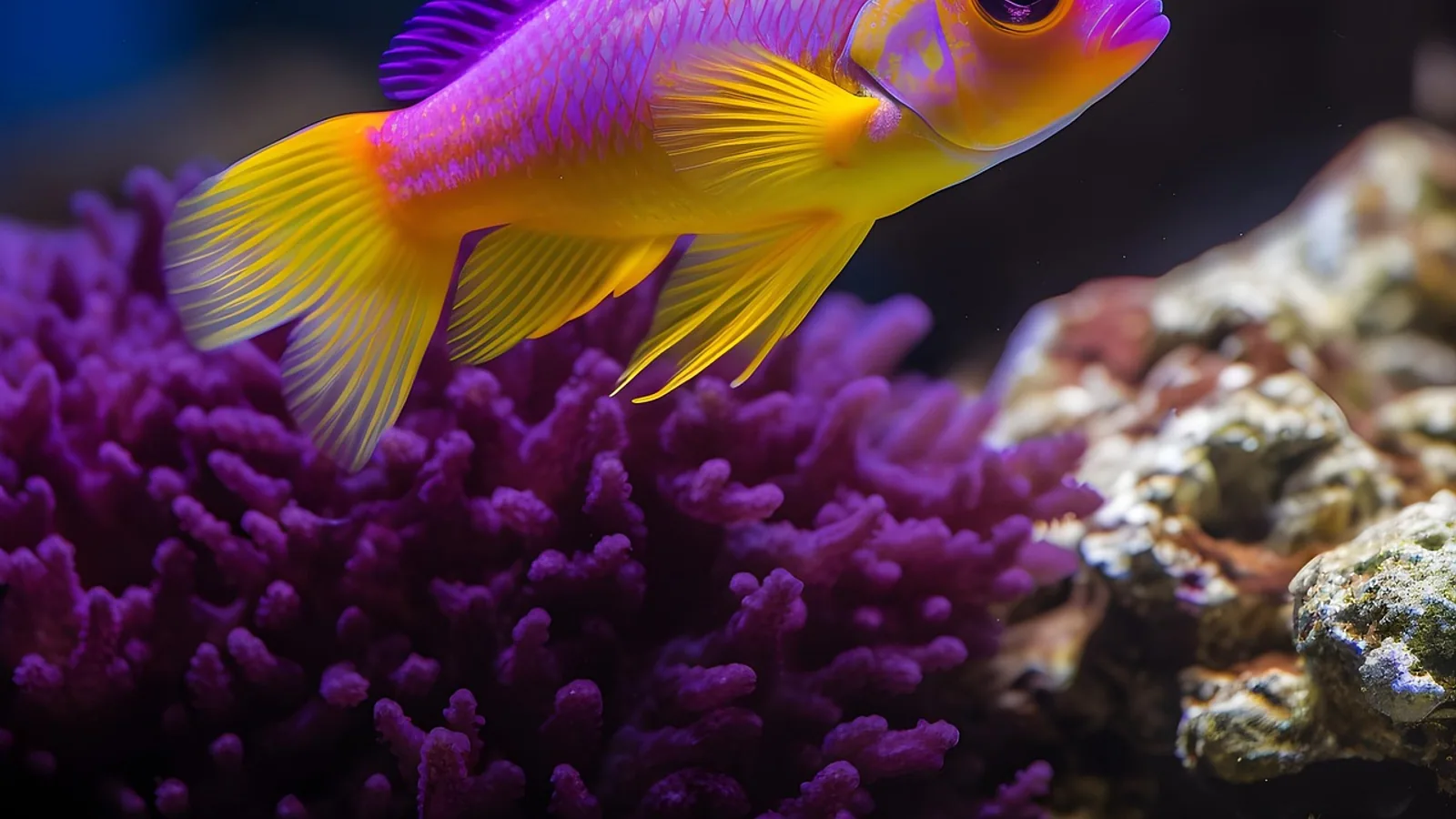
A 30 gallon fish tank is one of the most useful sizes a freshwater hobbyist can own. It is large enough to hold a real community, stable enough that water chemistry does not swing every time you feed, and small enough to fit in a living room without dominating it. The 29 gallon aquarium, its near-twin, shares almost all of the same advantages and is often sold as a complete kit with a hood and light. This article explains what fish actually work in these tanks, how to set one up from scratch, how much weight you are putting on your floor, how much filtration turnover you need, and how to maintain the system so the fish stay healthy for years.
This article is educational and is not a substitute for veterinary diagnosis or treatment.
At a Glance: The 30 Gallon Setup Checklist
| Step | What to do | Key number |
|---|---|---|
| 1. Choose the spot | Level, out of direct sun, near an outlet, on a stand rated for the load | Plan for roughly 300 to 350 lb total |
| 2. Confirm the floor | Run the tank across floor joists, not with them | 10 lb per gallon rule of thumb |
| 3. Set the stand | Use a stand built for aquariums, not furniture | Level within 1/8 inch |
| 4. Add substrate | Rinse gravel or sand before it goes in | 1 to 2 inches deep |
| 5. Install equipment | Filter, heater, thermometer, light | Filter turnover 4 to 6 times per hour |
| 6. Fill and dechlorinate | Treat all water before it touches the tank | Match temperature to within 2 degrees F |
| 7. Cycle the tank | Run the nitrogen cycle before adding fish | 2 to 6 weeks, test daily |
| 8. Stock slowly | Add a few fish at a time, weeks apart | Never more than 25 percent of the planned load at once |
| 9. Maintain | Weekly partial water change and filter rinse | 25 to 30 percent weekly |
Why the 30 and 29 Gallon Size Works So Well
The 30 gallon fish tank and the 29 gallon aquarium sit at a sweet spot in the hobby. A 10 gallon tank is unforgiving. A single missed water change or one overfeeding event can push ammonia into a range that harms fish. A 55 gallon tank is more stable still, but it needs a bigger stand, more floor space, and much more water to change each week.
The 29 gallon aquarium is usually sold as a taller, narrower tank (often 30 inches long, 12 inches deep, and 18 inches tall), while a standard 30 gallon is often wider and shorter (about 36 inches long, 12 inches deep, and 16 inches tall). The difference matters for fish. A wider footprint gives bottom dwellers and territorial species more horizontal room. A taller tank gives angelfish and other vertically oriented species more swimming height. Both hold essentially the same volume of water, so the stocking and maintenance advice overlaps almost completely.
Water quality is the reason size matters at all. Ammonia and nitrite are the two compounds that hurt fish most in a new or overcrowded tank, and a larger water volume dilutes them. The nitrogen cycle converts toxic ammonia to nitrite and then to less toxic nitrate, and a properly managed tank keeps ammonia and nitrite below harmful thresholds [1]. A 30 gallon tank gives you more buffer before a spike becomes dangerous.
What Fish for a 30 Gallon Tank: Stocking Plans That Work
The question "what fish for a 30 gallon tank" has more than one good answer. The right plan depends on whether you want a busy community, a single showpiece, a breeding pair, or a livebearer colony. Below are four plans that fit the tank honestly, with the caveats that matter.
Plan 1: The Classic Community Tank
A community tank mixes peaceful species that occupy different parts of the water column. A workable 30 gallon stocking plan looks like this:
- One small school of midwater fish, such as 8 to 10 neon tetras or 8 to 10 harlequin rasboras
- One school of bottom-oriented fish, such as 6 to 8 corydoras catfish
- One centerpiece fish, such as a single dwarf gourami or a single betta (not both)
- Optional: 4 to 6 otocinclus catfish once the tank is well established and growing algae
This plan keeps every species in a group, which matters for schooling fish. Tetras and rasboras kept alone or in pairs show more stress behavior than fish kept in proper schools. The behavior literature on ornamental fish makes clear that social and environmental conditions shape welfare, and that species-appropriate grouping is part of good care [2].
The key rule for community stocking is to add fish in stages. Add the first school, wait two to three weeks, test, then add the next group. This gives the filter bacteria time to grow to match the new waste load.
Plan 2: The Single Angelfish Community (With Caveats)
Angelfish are the most requested centerpiece fish for a 30 gallon tank, and they can work, but only with clear caveats.
Angelfish are Amazonian cichlids that grow tall and can reach 6 inches in body length with fins extending well beyond that. A 29 gallon aquarium is tall enough for one adult angelfish. A 30 gallon standard is shorter and a poorer fit for a full-grown adult. The honest recommendation is one angelfish, not a pair, in a 29 gallon, and a pair only in a 30 gallon long with careful management.
Angelfish behavior has been studied in detail, and the research shows they are social, cognitively capable fish with complex reproductive and feeding behavior [2]. That cuts both ways. A single angelfish can become aggressive toward tankmates, especially smaller fish it can fit in its mouth. Angelfish also pair off and spawn, and a spawning pair will defend a territory aggressively against everything else in the tank.
If you want an angelfish community, build it like this:
- One angelfish as the centerpiece
- A school of 8 to 10 larger tetras, such as black skirt tetras or bleeding heart tetras, that are too big to be eaten
- 6 to 8 corydoras for the bottom
- Skip small shrimp and small nano fish, which become food
Do not add a second angelfish unless you have a confirmed pair and a plan for what happens when they spawn. Two unrelated angelfish in a 30 gallon often fight.
Plan 3: The Dwarf Cichlid Pair
A single pair of dwarf cichlids is one of the best uses of a 30 gallon tank. Species like the cockatoo cichlid, the German blue ram, and the Bolivian ram stay under 3 inches and use the bottom and midwater.
The advantage of a pair is that you get natural behavior, including courtship and spawning, without the aggression problems of a larger cichlid. The disadvantage is that a spawning pair will claim a territory, usually a cave or a flat rock, and chase tankmates away from it.
A good dwarf cichlid setup:
- One pair of dwarf cichlids
- 8 to 10 small tetras or rasboras as dither fish, which reduce cichlid shyness
- 6 corydoras for cleanup
- Plenty of caves, driftwood, and plants to break sight lines
Rams prefer warmer water than most community fish, around 82 to 86 degrees F, so plan tankmates accordingly. Cockatoo cichlids are more flexible and tolerate standard tropical temperatures.
Plan 4: Livebearers and Population Control
Guppies, mollies, platies, and swordtails are the classic livebearers. They are hardy, colorful, and easy to breed, which is exactly the problem. A single pair can become 50 fish in a few months.
Mollies are a good example of why livebearers need planning. According to the PetMD molly care sheet, mollies are livebearers that breed readily in home aquariums, and females can store sperm and produce multiple broods from a single mating [3]. That means removing the male does not stop the population from growing.
Population control options:
- Keep only males. Male livebearers are easy to identify by the gonopodium, a modified anal fin. A tank of six male guppies or platies has no breeding at all.
- Keep a predator. A single angelfish or a pair of dwarf cichlids will eat most fry, which naturally limits the population.
- Sell or rehome. Local fish stores often take healthy young livebearers.
- Separate sexes. Keep males and females in different tanks.
Do not rely on "the fish will sort it out." Uncontrolled livebearer populations crash water quality and stress every fish in the tank.
Stocking Density: What the Science Says
Stocking density is the single most misunderstood part of aquarium keeping. The old "one inch of fish per gallon" rule is a rough starting point at best and misleading at worst, because it ignores fish mass, waste output, activity level, and territory needs.
The research is consistent on one point: higher stocking density increases stress. Studies on common carp show that high stocking density reduces growth, suppresses immune responses, and increases oxidative stress markers [4]. Work on mahseer fry found that the lowest density tested produced the highest weight gain, the best feed conversion, and the lowest cortisol levels, a direct measure of stress [5]. Similar patterns appear in gilthead sea bream and rainbow trout, where high density raises stress hormones and lowers immune function [6][7].
Aquarium fish are not aquaculture fish, but the biology is the same. A crowded tank produces more ammonia, more stress, more disease, and shorter fish lives. The practical translation for a 30 gallon tank:
- Keep total adult fish length well under the old inch-per-gallon rule
- Stock the tank in layers, not just by length
- Leave open swimming space, not just hiding spots
- Add fish slowly and watch ammonia and nitrite for two weeks after each addition
A tank that looks slightly understocked is a tank that stays healthy. A tank that looks full is a tank that is already in trouble.
30 Gallon Aquarium Setup: Step by Step
A 30 gallon aquarium setup done properly takes four to six weeks before the first fish goes in. Skipping steps is the most common reason new tanks fail.
Step 1: Choose the Location
Pick a spot that is level, out of direct sunlight, and close to a grounded outlet. Direct sun grows algae and heats the tank unpredictably. A spot near a heating vent or a window that gets cold in winter makes the heater work harder.
Step 2: Check the Floor and Stand
This is the step most people skip, and it is the one that causes the most expensive failures.
A 30 gallon tank holds 30 gallons of water. Water weighs about 8.34 pounds per gallon, so the water alone is roughly 250 pounds. Add 30 to 50 pounds of gravel, rock, and driftwood, plus the tank itself at 30 to 40 pounds, plus a filter and heater, and you are at roughly 320 to 350 pounds total. Some setups with heavy rockwork exceed 400 pounds.
That load is spread over the footprint of the stand, not the tank. A 36 inch by 12 inch stand spreads the weight over about 3 square feet. That works out to roughly 100 to 120 pounds per square foot. Most residential floors handle this fine when the tank runs perpendicular to the floor joists, meaning the tank crosses several joists instead of sitting between two of them.
Run the tank across the joists, not parallel to them. If you are unsure about your floor, especially in an older home or on an upper level, consult a structural professional before filling the tank.
The stand itself must be built for aquariums. A dresser or a bookshelf will sag, twist, or collapse. Look for a stand rated for the tank's full weight, with a flat top and no wobble. Check level with a spirit level in both directions. A tank that is off level by more than about 1/8 inch puts uneven stress on the silicone seams and can leak.
Step 3: Add Substrate
Rinse gravel or sand in a bucket until the water runs clear. Pour it in at a depth of 1 to 2 inches. Deeper substrate can go anaerobic and release hydrogen sulfide, which smells like rotten eggs and is toxic.
Sand suits corydoras and most bottom dwellers because it does not damage their barbels. Gravel suits plants that need root anchoring. A mix works if you cap the soil or plant substrate with sand or fine gravel.
Step 4: Install Equipment
You need four pieces of hardware at minimum:
- A filter rated for at least 30 gallons, ideally rated for 40 to 50
- A heater sized for the tank volume and the room temperature
- A thermometer, placed at the opposite end of the tank from the heater
- A light, ideally on a timer
If you want live plants, choose a light with the right spectrum and intensity for the species you plan to grow. Low-light plants like java fern, anubias, and cryptocoryne do well under basic LED fixtures.
Step 5: Fill and Dechlorinate
Fill the tank with water that matches the tank temperature within about 2 degrees F. Treat all water with a dechlorinator before it goes in, or dose the tank as you fill. Chlorine and chloramine in municipal water kill fish and harm filter bacteria.
Step 6: Cycle the Tank
The nitrogen cycle is the process that converts toxic ammonia into less toxic nitrate. It takes two to six weeks to establish in a new tank.
How to cycle:
- Add an ammonia source. This can be a pinch of fish food, a piece of raw shrimp, or a bottled ammonia product dosed to about 2 ppm.
- Test ammonia, nitrite, and nitrate every day or two.
- Watch for ammonia to fall and nitrite to rise, then nitrite to fall and nitrate to rise.
- When ammonia and nitrite both read zero within 24 hours of adding ammonia, the tank is cycled.
- Do a large water change to bring nitrate down before adding fish.
Research on aquarium water quality confirms that ammonia and nitrite stay below harmful thresholds when the nitrogen cycle is working and the tank is not overstocked [1]. Photosynthetic bacteria and aquatic plants can also help maintain water quality by taking up nitrogen compounds directly [8].
Step 7: Add Fish Slowly
Add the first group of fish. Quarantine new fish for two to four weeks in a separate tank if you can. This prevents introducing disease to your main tank.
Feed lightly for the first week. Test ammonia and nitrite every other day. If either rises above zero, do a 30 percent water change and reduce feeding.
Wait two to three weeks between additions. This gives the filter bacteria time to grow to match the new waste load.
Filtration Turnover: How Much Is Enough
Filtration turnover is the number of times per hour the filter moves the entire tank volume through the filter media. For a 30 gallon tank, aim for 4 to 6 times per hour, which is 120 to 180 gallons per hour of actual flow.
Filter manufacturers rate their products at the pump's maximum output with no media and no head height. Real flow is usually 40 to 60 percent of the rated number. A filter rated at 200 gallons per hour might deliver 100 to 120 gallons per hour in a real tank. That is why you should buy a filter rated for a tank one size larger than yours.
Three filter types work well on a 30 gallon tank:
- Hang-on-back (HOB) power filter. Easy to maintain, good flow, cheap. Best for community tanks.
- Canister filter. More media volume, better mechanical and biological filtration, quieter. Best for tanks with heavy stocking or messy fish.
- Sponge filter driven by an air pump. Gentle flow, ideal for fry tanks and betta tanks. Not enough flow for a busy community.
A filter does three jobs: mechanical filtration (traps particles), biological filtration (hosts the bacteria that convert ammonia and nitrite), and chemical filtration (activated carbon or similar media removes colors and odors). The biological job is the most important. Never replace all the filter media at once, because that throws away the bacteria colony. Rinse media in tank water, not tap water, and replace only one piece at a time.
Water quality monitoring systems for aquariums can track temperature, pH, and total dissolved solids, though a basic liquid test kit remains the most reliable tool for most hobbyists [9][10]. A basic liquid test kit for ammonia, nitrite, nitrate, and pH is still the most reliable tool for a hobbyist. Test weekly.
Heating, Temperature, and Water Chemistry
Most tropical community fish do well at 75 to 80 degrees F. Dwarf cichlids like German blue rams need warmer water, around 82 to 86 degrees F. Goldfish and other coldwater species need the opposite, and should not be kept in a heated tropical tank.
Use a heater rated at roughly 3 to 5 watts per gallon for a tank kept in a normal room. For a 30 gallon tank, that is 90 to 150 watts. Place the heater where water flows past it, not in a dead corner.
Temperature stability matters more than the exact number. A tank that swings 5 degrees every day stresses fish. A quality heater with a thermostat holds temperature within 1 to 2 degrees.
pH is the other parameter that matters. Most community fish tolerate pH 6.5 to 7.8. Do not chase a specific pH number with chemicals. Stable pH at 7.4 is better than pH bouncing between 6.8 and 7.6. If your tap water is very hard or very soft, choose fish that match it.
Plants, Decor, and Environmental Enrichment
Environmental enrichment is not decoration. It changes fish behavior for the better. The angelfish behavior review specifically recommends enrichment as part of good welfare for ornamental fish, including structure, plants, and appropriate tankmates [2].
What to include:
- Live or artificial plants. Live plants take up nitrogen compounds and provide cover. Research on submerged aquatic plants such as Hydrilla and Vallisneria shows they can take up nitrogen compounds and influence water quality in aquarium systems [1].
- Driftwood. Provides cover, releases tannins that lower pH slightly, and gives surface area for biofilm that some fish graze on.
- Caves and rocks. Essential for cichlids, catfish, and any fish that wants to hide. Break sight lines to reduce aggression.
- A dark background. Reduces stress and makes fish colors pop.
Avoid plastic plants with sharp edges, which tear fins. Avoid painted gravel and cheap resin ornaments that can leach compounds into the water.
Maintenance: The Weekly and Monthly Routine
A 30 gallon tank stays healthy with a simple routine.
Weekly:
- Change 25 to 30 percent of the water. Use a gravel vacuum to remove debris from the substrate.
- Test ammonia, nitrite, nitrate, and pH.
- Rinse filter media in removed tank water if flow has slowed.
- Check the thermometer against the heater setting.
- Remove dead leaves and uneaten food.
Monthly:
- Clean the glass inside with an algae pad.
- Check all equipment for wear, especially heater cords and filter seals.
- Inspect fish for signs of disease: clamped fins, spots, labored breathing, loss of appetite.
Every three to six months:
- Replace activated carbon if you use it.
- Replace filter media one piece at a time, never all at once.
- Check the stand for water damage or loosening.
Routine husbandry matters for more than appearance. Research on aquarium microbiomes shows that partial water changes and substrate cleaning coincide with improved microbial balance, while neglected systems develop blooms of opportunistic pathogens like Pseudomonas and lose their nitrifying bacteria [11]. A clean tank is a biologically stable tank.
Common Mistakes and Troubleshooting
New Tank Syndrome
Ammonia and nitrite spike in a new tank before the filter bacteria establish. The fix is patience and water changes, not chemicals. Test daily, change 30 percent of the water when either reads above zero, and feed lightly.
Overfeeding
Uneaten food decays and produces ammonia. Feed only what the fish eat in two minutes, once or twice a day. Remove anything left after five minutes.
Overstocking
Too many fish for the filter to handle. Symptoms include rising nitrate, cloudy water, and fish gasping at the surface. The fix is to rehome fish or upgrade filtration, not to add more chemicals.
Algae Blooms
Algae grows when light, nutrients, or both are excessive. Reduce light to 6 to 8 hours per day, keep nitrate under control with water changes, and add live plants that compete for nutrients.
Cloudy Water
Bacterial blooms cause milky water in new tanks. They usually clear on their own in a few days. Green water is an algae bloom, treated with light reduction and water changes. Never use antibiotics or algaecides in a display tank without veterinary guidance.
Disease Outbreaks
White spot disease (ich), fin rot, and columnaris are the most common aquarium diseases. Most are triggered by stress from poor water quality, overcrowding, or temperature swings. Isolate affected fish in a hospital tank, correct water quality, and consult a veterinarian with aquatic experience before using medication. Many aquarium medications are not approved for food fish and some are toxic to invertebrates and plants.
Welfare and Safety Points
Fish are animals with welfare needs, and the aquarium hobby has a responsibility to meet them. The behavior review on ornamental fish makes the case that understanding natural behavior improves welfare and reduces disease [2]. Practical welfare points for a 30 gallon tank:
- Give every species the group size and space it needs.
- Provide structure and cover so fish can hide when they want to.
- Keep water quality stable and within the range the species evolved for.
- Feed a species-appropriate diet.
- Quarantine new fish to prevent disease introduction.
- Never release aquarium fish into the wild. It is illegal in many US states and harms native ecosystems.
Your local exotic or aquatic veterinarian can diagnose and treat fish disease properly.
Limitations and When to Contact a Veterinarian
This article covers general aquarium setup and husbandry. It cannot diagnose or treat a specific fish in a specific tank. Individual cases need a veterinarian with aquatic experience.
Contact a veterinarian when:
- Fish show labored breathing, gasping at the surface, or hanging near the filter outlet
- Fish develop visible spots, patches, fin erosion, or open sores
- Multiple fish die within a short period
- Fish stop eating for more than a few days
- Fish show abnormal swimming, floating, or sinking
- Water tests show ammonia or nitrite above zero despite water changes
- You plan to use any medication in a tank with invertebrates or plants
Take clear photos and a water sample to the appointment. Many aquatic veterinarians can diagnose from a skin scrape or gill biopsy, and some will do a necropsy on a fish that has died.
Frequently Asked Questions
How many fish can I put in a 30 gallon tank?
A community of about 20 to 25 small fish is a reasonable maximum, built from schools of tetras or rasboras plus a group of corydoras and one centerpiece fish. Stocking depends more on adult fish mass and waste output than on a simple count. Add fish slowly and test ammonia and nitrite after each addition.
Is a 29 gallon aquarium the same as a 30 gallon tank?
They hold nearly the same volume and use the same equipment. The main difference is shape. A 29 gallon is usually taller and narrower, while a 30 gallon standard is wider and shorter. The taller shape suits angelfish. The wider shape suits bottom dwellers and territorial fish.
Can I keep an angelfish in a 30 gallon tank?
Yes, one angelfish can live in a 29 or 30 gallon tank. A pair needs a 30 gallon long and a plan for spawning aggression. Angelfish are social, intelligent cichlids that need structure and appropriate tankmates [2]. Avoid small fish that fit in their mouths.
What is the best filter for a 30 gallon tank?
A hang-on-back or canister filter rated for 40 to 50 gallons is the best choice. Aim for 4 to 6 times the tank volume in actual flow per hour, which is 120 to 180 gallons per hour. Buy one size larger than the tank rating because real flow is lower than the advertised number.
How much does a 30 gallon fish tank weigh?
A fully set up 30 gallon tank weighs roughly 320 to 350 pounds, including water, substrate, rock, tank, and equipment. Heavy rockwork can push it over 400 pounds. Use a stand rated for the load and run the tank across floor joists, not parallel to them.
How often should I change the water in a 30 gallon tank?
Change 25 to 30 percent of the water every week. This removes nitrate and dissolved waste and replaces minerals. If nitrate climbs above 20 to 40 ppm between changes, increase the volume or frequency.
How long does it take to cycle a 30 gallon tank?
Two to six weeks. The cycle is complete when ammonia and nitrite both read zero within 24 hours of adding an ammonia source, and nitrate is present. Test daily during cycling and do a large water change before adding fish.
Can I keep goldfish in a 30 gallon tank?
No. Goldfish grow large, produce a lot of waste, and prefer cooler water than tropical community fish. A single fancy goldfish needs a tank of at least 20 to 30 gallons with heavy filtration, and two need much more. A 30 gallon tank is better used for tropical community fish.
Related Articles
- Fish Tank Size & Stocking Calculator for Healthy Aquariums
- Choosing the Right Tank Size and Stocking Your Aquarium
- Fish Quarantine Tank Setup
- Betta Fish Tank Setup for Beginners
- Best Fish for a Small Aquarium
- Tetra Fish Care: Species Guide, Tank Setup, and Feeding
- 75 Gallon Fish Tank: Stocking Ideas, Weight, and Setup
- 55 Gallon Fish Tank: Stocking Ideas, Weight, and Setup
- 5 Gallon Fish Tank: Best Fish, Stocking Ideas, and Setup
Sources
- Water quality management in freshwater aquarium through submerged aquatic macrophytes (Hydrilla verticillata and Vallisneria americana) and their effects on servility of Labeo rohita fingerlings
- Understanding behaviour to improve the welfare of an ornamental fish.
- Molly Fish Care Sheet (petmd.com)
- Dietary Ellagic Acid Mitigates High Stocking Density-Induced Oxidative Stress and Immune Suppression in Common Carp (Cyprinus carpio): An In Vivo and In Silico Study.
- Effect of stocking density on growth performance, gross energy, proximate analysis of meat, and stress response of mahseer (Tor soro) fry.
- Melatonin supplementation alleviates stocking-density stress and enhances growth, immune, and physiological performance of Sparus aurata cultured in groundwater-based systems.
- Alleviating stocking density stress in juvenile rainbow trout (Oncorhynchus mykiss) through dietary nano-selenium: Effects on growth, antioxidant activity, and immune response.
- Photosynthetic Bacteria as an Alternative Wastewater Treatment in Freshwater Aquarium Fish Set Up
- Design of Feed Automation System and Water Quality Monitoring in Louhan Fish Aquarium Based on the Internet of Things
- Water quality control on fish aquarium using Fuzzy Logic method
- Temporal microbiome dynamics and fish health-associated dysbiosis in freshwater aquarium systems: a case study from River Wonders Singapore