Virus vs Bacteria: Key Differences and Treatment
By Dr. Zubair Khalid, DVM, MS, PhD ·
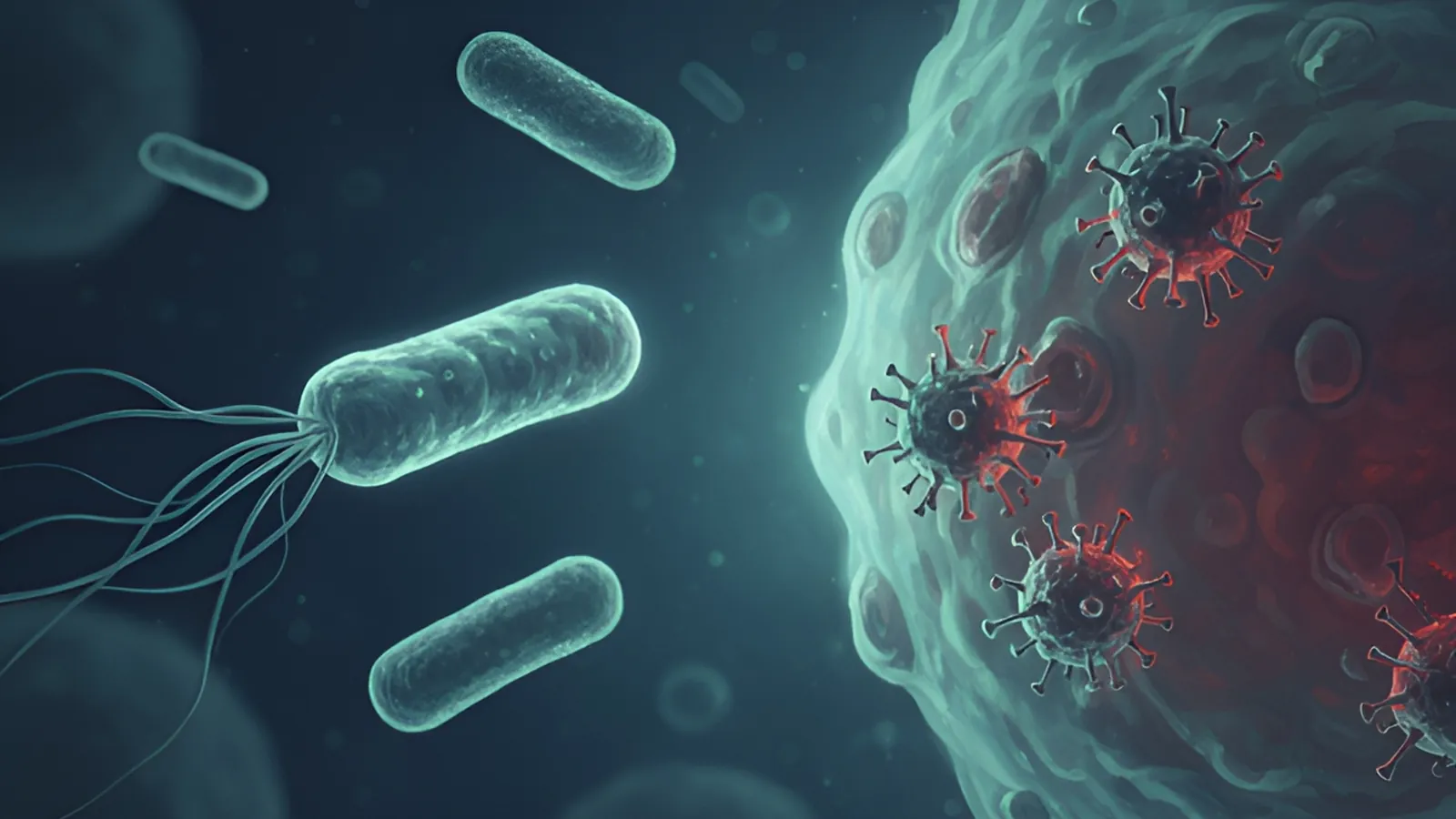
Bacteria are free-living single-celled organisms that can grow inside or outside a body, while viruses are non-living collections of molecules that need a host cell to replicate. This difference decides treatment: antibiotics act on bacteria and do nothing against viruses, and antivirals act on viruses and do nothing against bacteria (What's the difference between bacteria and viruses?).
Because the two look similar at the bedside, a fever or cough alone cannot tell them apart. Rapid and effective testing matters, since treating the wrong organism wastes time and feeds antibiotic resistance (What's the difference between bacteria and viruses?).
Key Points
- Bacteria are prokaryotes, the smallest and simplest cells, with free-floating genetic material and shapes that range from rods to spirals to spheres (What's the difference between bacteria and viruses?).
- Gram-negative bacteria carry an extra outer membrane that makes it harder for antibiotics to penetrate, which is why they are harder to treat than Gram-positive species.
- Antibiotics cannot treat viral infections and antivirals cannot treat bacterial infections, so the distinction guides every treatment decision.
- About 1 percent of the known microbial population is pathogenic to humans, roughly 1,400 species drawn from bacteria, fungi, viruses, helminths and protozoa.
- Fever is a shared symptom of bacterial, fungal and viral infections; a pyrogen triggers release of prostaglandin E2, which acts on the hypothalamus to raise the body's temperature set point (Bacteria, Virus, Fungi, and Infectious Diseases).
- Bacteriophage T4 is a double-stranded DNA virus that infects Escherichia coli and runs only a lytic life cycle, never a lysogenic one (Escherichia virus T4).
At a Glance
| Feature | Bacteria | Viruses |
|---|---|---|
| Basic nature | Single-celled living organisms | Non-living collection of molecules that needs a host (What's the difference between bacteria and viruses?) |
| Reproduction | Divide on their own | Require a living host cell |
| Relative size | Larger | Usually much smaller |
| Antibiotics | Kill or stop the growth of many bacteria | No effect (Bacterial vs. viral infections: How do they differ?) |
| Antivirals | No effect | Target some viruses |
| Prevention | Vaccines and hygiene | Vaccines and hygiene (Bacteria, Virus, Fungi, and Infectious Diseases) |
| Confirmation | Microscopy and lab tests | Lab tests |
Bacteria are free-living cells that can survive inside or outside a body, while viruses are a non-living collection of molecules that need a host to survive (What's the difference between bacteria and viruses?). Antibiotics work against bacteria and antivirals work against viruses, so identifying which one is causing an infection decides the treatment (What's the difference between bacteria and viruses?; Bacterial vs. viral infections: How do they differ?).
What Are Bacteria?
Bacteria are prokaryotes: single-celled organisms with free-floating genetic material and no membrane-bound nucleus (What's the difference between bacteria and viruses?). They are the smallest, simplest and most ancient cells known, and they carry their own DNA, ribosomes and cell membrane, which allows them to live and multiply without a host.
Basic Structure
Most bacteria take one of three shapes: rod, spiral or spherical (What's the difference between bacteria and viruses?). Two broad groups are recognized by their cell wall. Gram-positive bacteria have a single membrane, while Gram-negative bacteria carry an extra outer membrane. That extra layer acts as an additional line of defense and makes it harder for antibiotics to penetrate the cell.
Where Bacteria Live
Bacteria are found in soil, water and plants, and on and inside the human body (Bacteria, Virus, Fungi, and Infectious Diseases). They are permanent residents, not occasional visitors. Microorganisms living harmlessly on and in the body outnumber human cells by about 10 to 1, and they play a vital role in human health (What's the difference between bacteria and viruses?). Gut bacteria help digest food and support the absorption of nutrients. In soil, bacteria fix nitrogen and decompose organic material.
How Bacteria Grow
Bacteria reproduce by dividing, and each division produces two new cells. Because they do not need a host, a single bacterium can build a large population on its own when temperature, moisture and nutrients allow (What's the difference between bacteria and viruses?). Growth is fast under favorable conditions, which is one reason a bacterial infection can worsen over a short period.
Harmless, Helpful and Harmful
Only a small fraction of bacteria cause disease. About 1 percent of the world's known microbial population is pathogenic to humans, roughly 1,400 species (What's the difference between bacteria and viruses?). Pathogens are a subset of microorganisms that can cause disease, and they include bacteria, fungi, viruses, helminths and protozoa.
Examples of Bacterial Infections
Common bacterial infections include strep throat and urinary tract infections (Bacterial vs. viral infections: How do they differ?). Antibiotics kill or keep many bacteria from growing, which is why they are the standard treatment for these conditions. Because bacteria are living cells with their own structures, drugs can target parts of the bacterial cell that human cells do not share.
What Are Viruses?
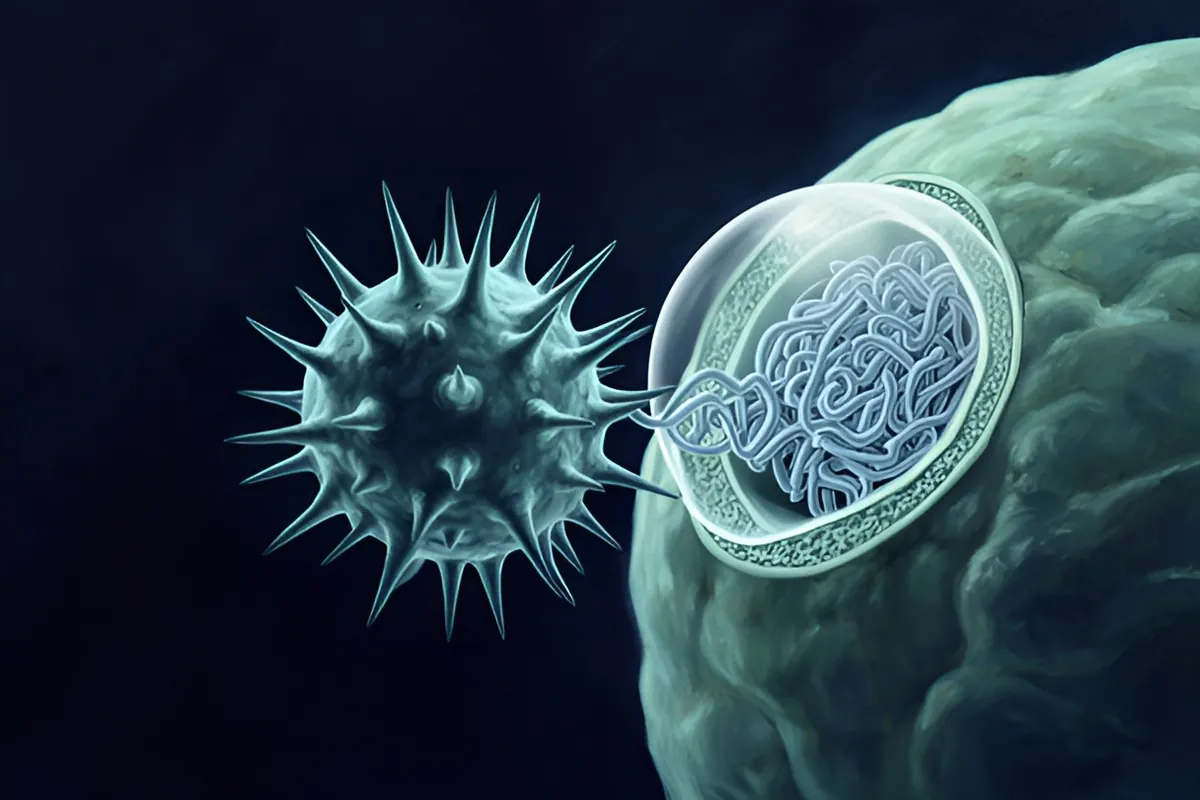
A virus is a non-living collection of molecules that needs a host to survive (What's the difference between bacteria and viruses?). It carries genetic material wrapped in a protein coat, but it has no ribosomes, no energy-producing machinery and no way to build proteins on its own.
Structure
A virus consists of genetic material, either DNA or RNA, enclosed in a protein coat. Some viruses also carry an outer envelope. Both bacteria and viruses are invisible to the naked eye, but viruses are usually much smaller than bacteria (What's the difference between bacteria and viruses?).
Reproduction Requires a Host Cell
A virus attaches to a host cell, delivers its genetic material inside, and redirects the cell's machinery to copy the viral genome and build viral proteins (What's the difference between bacteria and viruses?). New virus particles assemble and leave the cell, often destroying it in the process. Without a living cell, a virus cannot reproduce at all. This dependence is the central biological difference between viruses and bacteria.
Host Range
Viruses infect animals, plants, fungi and bacteria (Bacteria, Virus, Fungi, and Infectious Diseases). Those that infect bacteria are called bacteriophages. Escherichia virus T4 is a well-studied example: it infects Escherichia coli, carries double-stranded DNA, and belongs to the subfamily Tevenvirinae within the family Straboviridae (Escherichia virus T4). T4 undergoes only the lytic life cycle, so it replicates and bursts the host cell instead of settling into a dormant state.
Dormancy and Latency
Not every viral infection ends quickly. Some viruses can remain dormant inside host cells for long periods and reactivate later (Bacteria, Virus, Fungi, and Infectious Diseases). This is one reason a person can carry a virus without symptoms and still pass it to others.
Examples and Scale
Common viral infections include colds, flu and COVID-19 (Bacterial vs. viral infections: How do they differ?). Viruses are also far more abundant than most people expect. Laid end to end, the millions of viruses in the world would stretch for 100 million light years (What's the difference between bacteria and viruses?). Not all are harmful: beneficial viruses live in the gut, skin and blood, where they can kill undesirable bacteria and more dangerous viruses.
Why Treatment Differs
Viruses cannot be treated with antibiotics, and bacteria cannot be treated with antivirals (What's the difference between bacteria and viruses?). For a newly emerged virus, no treatment exists until antiviral drugs and vaccines are developed specifically against it, and therapies designed for an existing virus often work poorly or not at all against a new one. Until then, handwashing and physical distancing remain the best available measures.
Key Differences Between Bacteria and Viruses
The two groups differ in structure, reproduction, size and the drugs that affect them. Those differences decide how an infection is tested and treated.
Side-by-Side Comparison
| Feature | Bacteria | Viruses |
|---|---|---|
| Cell status | Living single-celled organism | Non-living particle, not a cell (What's the difference between bacteria and viruses?) |
| Genetic material | Free-floating DNA | DNA or RNA inside a protein coat |
| Reproduction | Divides independently | Hijacks host cell machinery |
| Antibiotics | Effective | No effect (Bacterial vs. viral infections: How do they differ?) |
| Antivirals | No effect | Effective against some viruses |
| Symptoms | Fever, cough, fatigue | Fever, cough, fatigue |
| Confirmation | Lab testing | Lab testing |
Living Cells vs Non-Living Particles
The main biological difference is that bacteria are free-living cells that can live inside or outside a body, while viruses are a non-living collection of molecules that need a host to survive (What's the difference between bacteria and viruses?). A bacterium carries its own DNA, ribosomes and cell membrane. A virus carries genetic material and a protein coat, and nothing it can operate on its own.
Size
Viruses are usually much smaller than bacteria (What's the difference between bacteria and viruses?). Both are invisible to the naked eye, which is why a sniff, fever or cough alone cannot reveal which type of microorganism is responsible.
Reproduction
Bacteria reproduce by dividing on their own (What's the difference between bacteria and viruses?). Viruses cannot reproduce without a living host cell; they attach to a cell and redirect its machinery to make copies of themselves.
Treatment
Antibiotics kill or keep many bacteria from growing, but they do not work against viruses (Bacterial vs. viral infections: How do they differ?). Antivirals target viruses and do not work against bacteria (What's the difference between bacteria and viruses?). This is why rapid, accurate testing matters: it determines which drug, if any, will help. Rising antibiotic resistance makes the distinction more important, because unnecessary antibiotic use drives resistance further.
Symptoms
Both types of infection can trigger fever, cough and fatigue (Bacterial vs. viral infections: How do they differ?). Fever is one of the most common symptoms of bacterial, fungal and viral infections alike (Bacteria, Virus, Fungi, and Infectious Diseases). The hypothalamus regulates temperature like a thermostat, and a pyrogen triggers release of prostaglandin E2, which acts on the hypothalamus to raise the set point. Because symptoms overlap so heavily, they rarely identify the cause on their own.
Diagnosis
Lab tests may be needed to confirm whether bacteria or a virus are responsible (Bacterial vs. viral infections: How do they differ?). Rapid and effective testing is imperative so the offending microorganism can be treated successfully (What's the difference between bacteria and viruses?).
How Bacterial and Viral Infections Spread
Germs move between people along a small number of routes. The route shapes which infections appear in a household, a classroom or a herd, and it also shapes which control measures work.
Respiratory Droplets and Aerosols
Coughing, sneezing, talking and singing release droplets carrying microorganisms. Respiratory droplets spread colds, flu and many bacterial infections (Bacterial vs. viral infections: How do they differ?). Large droplets fall to the ground within a meter or two, while smaller droplets dry into aerosols that stay suspended and travel further in closed rooms. Influenza, rhinovirus, respiratory syncytial virus, SARS-CoV-2, and the bacteria behind strep throat and pneumococcal disease all use this route. Crowded indoor spaces with poor ventilation raise the risk.
Food, Water and Surfaces
Contaminated food and water can carry bacteria and viruses (Bacteria, Virus, Fungi, and Infectious Diseases). Salmonella, Campylobacter, Escherichia coli O157 and Listeria travel in undercooked meat, eggs, raw milk and unwashed produce. Norovirus and hepatitis A travel in shellfish, salads and drinking water contaminated with sewage. Touching infected surfaces then the face can spread germs (Bacterial vs. viral infections: How do they differ?). Door handles, phones, toys and medical equipment hold germs long enough for a hand to pick them up and deliver them to the eyes, nose or mouth.
Blood, Sexual Contact and Vectors
Some viruses spread through blood, sexual contact or insects (Bacteria, Virus, Fungi, and Infectious Diseases). HIV, hepatitis B and hepatitis C pass through shared needles, transfusions and sexual contact. Mosquitoes transmit dengue, Zika, chikungunya and West Nile virus; ticks transmit viruses and the bacterium that causes Lyme disease. Sexually transmitted bacteria such as Chlamydia, gonorrhea and Treponema pallidum use the same intimate route.
Routes at a Glance
| Route | How it works | Examples |
|---|---|---|
| Respiratory droplets and aerosols | Coughing, sneezing, talking, singing | Colds, influenza, strep throat, pneumococcal disease (Bacterial vs. viral infections: How do they differ?) |
| Food and water | Fecal-oral contamination of food or drinking water | Salmonella, norovirus, hepatitis A (Bacteria, Virus, Fungi, and Infectious Diseases) |
| Contact with surfaces | Hand picks up germs, then touches eyes, nose or mouth | Cold viruses, MRSA, norovirus |
| Blood and sexual contact | Exchange of blood or mucosal fluids | HIV, hepatitis B, hepatitis C |
| Vectors | Bite of an insect | Dengue, Zika, Lyme disease |
What Reduces Transmission
Hand hygiene and isolation reduce transmission (Bacterial vs. viral infections: How do they differ?). Washing with soap and water for at least 20 seconds, or using an alcohol-based hand rub, removes or kills many germs on the skin. Staying home while sick, ventilating rooms and wearing a mask in crowded settings lower the dose of germs that reaches other people. Vaccination reduces spread of some viral and bacterial diseases (Bacteria, Virus, Fungi, and Infectious Diseases). Measles, influenza, pertussis and pneumococcal vaccines cut both illness and onward transmission by lowering the number of susceptible people in a population. Handwashing and physical distancing remain the first line of defense when a new virus appears and no specific drug or vaccine exists yet (What's the difference between bacteria and viruses?).
Symptoms and How Infections Affect the Body
Shared Symptoms
Fever is one of the most common signs of infection. In response to all infectious agents, the body generates antibodies or resistance, and fever appears in most bacterial, fungal and viral infections (Bacteria, Virus, Fungi, and Infectious Diseases). A pyrogen triggers release of prostaglandin E2, which acts on the hypothalamus and raises the body's temperature set point. Cough, sore throat, runny nose, headache, muscle aches and tiredness appear in both viral and bacterial illness. Symptoms overlap, so fever alone cannot tell virus from bacteria (Bacterial vs. viral infections: How do they differ?).
Clues That Point to Bacteria
Bacterial infections often cause localized redness, swelling or pus (Bacterial vs. viral infections: How do they differ?). The immune response concentrates neutrophils at one site, producing heat, pain, a raised patch of skin, or yellow-green discharge. A boil, an abscessed tooth, cellulitis of the leg, a urinary tract infection with burning and frequent urination, and a purulent sore throat all fit this pattern. Pain that is sharp and confined to one place, and swelling that grows over hours, point toward a bacterial process.
Clues That Point to Viruses
Viral infections often cause widespread aches and fatigue (Bacterial vs. viral infections: How do they differ?). The illness tends to feel whole-body: diffuse muscle soreness, headache behind the eyes, chills, and exhaustion that lasts for days. A watery runny nose, sneezing, hoarse voice, and a cough that produces clear mucus are typical. Rashes with a widespread distribution, such as those of measles or roseola, also suggest a viral cause.
Duration and Pattern
Duration and pattern of illness can offer clues (Bacterial vs. viral infections: How do they differ?). Viral illnesses usually start quickly, peak within two or three days, and improve steadily over a week or so. Bacterial infections may smolder for longer, worsen after a few days, or appear as a second illness after a viral one seems to be improving. A child who improves for three days and then spikes a fever again may have developed bacterial pneumonia or an ear infection.
When Illness Becomes Severe
Severe infections can lead to pneumonia or sepsis (Bacteria, Virus, Fungi, and Infectious Diseases). Warning signs include breathing that is fast or labored, chest pain, lips or fingertips turning blue, confusion, a fever that will not settle, a rapid heart rate, and low blood pressure. Sepsis is a medical emergency in which the response to infection injures the body's own tissues. Any of these signs calls for urgent medical assessment.
| Feature | More typical of bacteria | More typical of viruses |
|---|---|---|
| Fever | Common, may spike high | Common, often steady (Bacteria, Virus, Fungi, and Infectious Diseases) |
| Location | Localized redness, swelling, pus (Bacterial vs. viral infections: How do they differ?) | Widespread aches and fatigue |
| Discharge | Thick, colored, purulent | Clear, watery |
| Pattern | Worsens, or follows a viral illness | Peaks early, then improves |
How Doctors Tell Them Apart
History and Physical Exam
History and physical exam guide the first assessment (Bacterial vs. viral infections: How do they differ?). The clinician asks when symptoms began, how they changed, whether anyone at home or work is sick, what travel or animal contact occurred, and whether vaccinations are up to date. The exam covers the throat, ears, lungs, skin, lymph nodes and abdomen, looking for signs such as exudate, crackles, a rash or tenderness in one spot. This step narrows the likely cause before any test is ordered.
Rapid Tests
Rapid tests can detect specific viruses or bacteria (Bacterial vs. viral infections: How do they differ?). A throat swab for group A Streptococcus gives a result in minutes and supports a decision to prescribe an antibiotic. Antigen tests for influenza and SARS-CoV-2 work in a similar way. A urine dipstick that shows nitrites or leukocyte esterase supports a diagnosis of urinary tract infection. Rapid tests are convenient but vary in sensitivity, so a negative result does not always rule out infection.
Cultures
Sputum, urine and blood cultures help identify bacteria (Bacteria, Virus, Fungi, and Infectious Diseases). A sample is placed on growth media, and colonies appear within a day or two. The laboratory then identifies the species and tests which antibiotics stop its growth. Before culture results return, a Gram stain can classify bacteria as Gram-positive or Gram-negative based on an outer membrane; the extra membrane in Gram-negative bacteria makes it harder for antibiotics to penetrate (What's the difference between bacteria and viruses?). That early information guides the choice of drug.
PCR and Molecular Tests
PCR tests detect viral genetic material (Bacteria, Virus, Fungi, and Infectious Diseases). The method copies small amounts of viral DNA or RNA until they can be measured, which makes it sensitive enough to find a virus early in an illness. Respiratory panels test for influenza, respiratory syncytial virus and other viruses at once. PCR also measures viral load in blood for HIV and hepatitis C, which guides treatment.
Why Testing Changes Treatment
Doctors avoid antibiotics when a viral cause is likely (Bacterial vs. viral infections: How do they differ?). Antibiotics kill or block bacteria and have no effect on viruses, while antivirals do not treat bacteria (What's the difference between bacteria and viruses?). Every unnecessary prescription exposes a patient to side effects and gives bacteria more chances to develop resistance.
Worked Example: Sore Throat
A patient arrives with a sore throat, fever and swollen neck glands. No cough or runny nose is present. A rapid strep test is positive, so the clinician prescribes an antibiotic and explains the importance of finishing it. A second patient has a sore throat with a cough, hoarse voice and clear nasal discharge. The rapid test is negative, and the pattern points to a viral cause, so the plan is rest, fluids and fever control, with advice to return if symptoms worsen.
Treatment: Antibiotics, Antivirals and Supportive Care
Antibiotics
Antibiotics kill or stop bacteria but do not treat viruses (Bacterial vs. viral infections: How do they differ?). They act on structures that bacteria have and viruses lack, such as the cell wall, the ribosome and the enzymes for DNA replication. Penicillins and cephalosporins attack the cell wall; macrolides and tetracyclines block protein synthesis; fluoroquinolones interfere with DNA copying. A virus is a non-living collection of molecules that needs a host cell to survive, so these drugs have no target to act on (What's the difference between bacteria and viruses?). Viruses cannot be treated with antibiotics, and bacteria cannot be treated with antivirals.
Antivirals
Antivirals can shorten some viral illnesses when started early (Bacterial vs. viral infections: How do they differ?). Oseltamivir and similar drugs reduce the duration of influenza if given within the first day or two of symptoms. Aciclovir shortens and prevents outbreaks of herpes simplex and varicella-zoster. Antiretroviral combinations suppress HIV to undetectable levels, and direct-acting antivirals cure most cases of hepatitis C. Timing matters because these drugs interrupt viral replication, which is fastest at the start of illness. Therapies developed against one virus often work poorly against a new virus, so a new pathogen needs its own drugs and vaccines (What's the difference between bacteria and viruses?).
Supportive Care
Rest, fluids and fever control ease many mild infections (Bacterial vs. viral infections: How do they differ?). Acetaminophen or ibuprofen lowers fever and eases aches. Water, broth and oral rehydration solutions replace fluid lost through sweating. Saline nasal rinses, humidified air and honey can soothe a cough. Most viral upper respiratory infections resolve in about a week without specific treatment, and antibiotics would add side effects without benefit.
Finishing the Course and Resistance
Finish prescribed antibiotics to reduce resistance (Bacterial vs. viral infections: How do they differ?). Stopping early can leave the hardiest bacteria alive to multiply, and those bacteria may later resist the same drug. Antibiotic resistance is a growing concern worldwide (Bacteria, Virus, Fungi, and Infectious Diseases). Resistance develops through overuse in human medicine, incomplete courses, and routine use in livestock. Infections caused by resistant organisms such as MRSA and multidrug-resistant tuberculosis are harder to treat and cost more to manage.
When Hospital Care Is Needed
Severe cases may need hospital care and oxygen (Bacteria, Virus, Fungi, and Infectious Diseases). Patients with pneumonia and low oxygen levels receive supplemental oxygen and monitoring. Sepsis requires intravenous fluids, antibiotics and sometimes intensive care. Dehydration, uncontrolled fever and worsening breathing are common reasons for admission.
| Treatment | Target | Examples | Limits |
|---|---|---|---|
| Antibiotics | Bacteria (Bacterial vs. viral infections: How do they differ?) | Penicillins, macrolides, tetracyclines | No effect on viruses (What's the difference between bacteria and viruses?) |
| Antivirals | Viruses | Oseltamivir, aciclovir, antiretrovirals | Best when started early |
| Supportive care | Symptoms | Rest, fluids, fever control | Does not kill the germ |
| Hospital care | Severe illness | Oxygen, IV fluids, monitoring | Reserved for serious cases (Bacteria, Virus, Fungi, and Infectious Diseases) |
Prevention and Vaccines
Prevention rests on two ideas: prepare the immune system before exposure, and block pathogens from reaching a new host. The same habits lower the risk of bacterial and viral infections alike, because both travel through contact, droplets, food, water, and contaminated surfaces.
Vaccination: Preparing the Immune System in Advance
Vaccines train the immune system before exposure, so the body already has antibodies or resistance in place when the real pathogen arrives (Bacteria, Virus, Fungi, and Infectious Diseases). This matters most for infections that cause severe illness on a first encounter, when the immune system has no memory of the agent and must build a response from scratch.
Vaccines exist for some viruses and some bacteria, but not for all of them (Bacteria, Virus, Fungi, and Infectious Diseases). Routine viral vaccines include those against measles, mumps, rubella, polio, influenza, and SARS-CoV-2. Bacterial vaccines include those against tetanus, diphtheria, pertussis, pneumococcal disease, and meningococcal disease. When no vaccine exists, prevention depends on hygiene, behavior, and in some cases post-exposure antibiotics or antivirals.
Hygiene and Respiratory Precautions
Handwashing, masks, and ventilation reduce respiratory spread (Bacterial vs. viral infections: How do they differ?). Handwashing removes both bacteria and viruses from the skin before they reach the eyes, nose, or mouth. Masks reduce the number of infectious droplets a sick person releases into the air and the number a healthy person breathes in. Ventilation dilutes airborne particles indoors, which lowers the dose that reaches a new host.
Food Safety and Household Measures
Safe food handling prevents many bacterial infections (Bacteria, Virus, Fungi, and Infectious Diseases). Key steps include cooking meat and eggs thoroughly, washing produce, keeping raw meat away from ready-to-eat foods, refrigerating leftovers promptly, and avoiding unpasteurized milk and untreated water.
Avoid sharing personal items during active infection (Bacterial vs. viral infections: How do they differ?). Towels, razors, toothbrushes, cups, and water bottles can carry pathogens from one person to another. In a household where someone is sick, separate utensils and frequent cleaning of high-touch surfaces reduce the chance of spread.
| Measure | Main target | How it works |
|---|---|---|
| Vaccination | Specific viruses or bacteria | Trains the immune system before exposure (Bacteria, Virus, Fungi, and Infectious Diseases) |
| Handwashing | Both | Removes pathogens from skin |
| Masks | Respiratory viruses and bacteria | Blocks droplets and aerosols (Bacterial vs. viral infections: How do they differ?) |
| Ventilation | Airborne pathogens | Dilutes infectious particles indoors |
| Food safety | Foodborne bacteria | Stops contamination and growth |
| Not sharing personal items | Skin and surface pathogens | Cuts direct transfer between people |
Limits of Prevention
No single measure is complete. Vaccines do not exist for every pathogen, and protection from vaccination or past infection can fade over time. Layering measures works better than relying on one. During an outbreak, the combination of vaccination, handwashing, masks in crowded indoor spaces, and ventilation gives the strongest protection.
Common Misconceptions About Viruses and Bacteria
Confusion between viruses and bacteria leads to wrong treatment, unnecessary antibiotics, and missed diagnoses. The myths below appear often in clinics, pharmacies, and households.

Myth: Antibiotics Cure Colds and Flu
Colds and influenza are viral illnesses. Antibiotics only target bacteria (Bacterial vs. viral infections: How do they differ?). A course of antibiotics will not shorten a cold, ease a sore throat caused by a virus, or prevent flu complications. It still exposes gut bacteria to a drug they do not need and adds selective pressure that favors resistant strains (What's the difference between bacteria and viruses?). Because bacteria rapidly develop resistance to antibiotics, telling the two apart matters for treatment decisions.
Fact: Antibiotics Only Target Bacteria
Antibiotics act on structures and processes that bacteria have and viruses lack, such as the bacterial cell wall or bacterial ribosomes. Viruses are a non-living collection of molecules that need a host cell to replicate (What's the difference between bacteria and viruses?). With no bacterial target present, an antibiotic has nothing to attack. The reverse is also true: viruses cannot be treated with antibiotics, and bacteria cannot be treated with antivirals.
Myth: All Bacteria Are Harmful
Many bacteria help us: living in our gut digesting food and helping absorption of nutrients, fixing nitrogen and decomposing organic materials in soil (What's the difference between bacteria and viruses?). Microorganisms living on and in the body outnumber human cells by 10 to 1. Only about 1% of the world's known microbial population is known to be pathogenic to humans, roughly 1400 species. Pathogens are a subset of microorganisms that can cause disease, and they include bacteria, fungi, viruses, helminths, and protozoa.
Myth: Viruses Are Always Deadly
Many viral infections are mild and self-limiting (Bacterial vs. viral infections: How do they differ?). The common cold, mild stomach illness, and many childhood rashes resolve without specific treatment. Not all viruses are harmful either: beneficial viruses in the gut, skin, and blood can kill undesirable bacteria and more dangerous viruses (What's the difference between bacteria and viruses?). Severity depends on the virus, the dose, the route of entry, and the host's immune status.
Myth: A Fever Means a Bacterial Infection
Fever is one common symptom of most bacterial, fungal, and viral infections (Bacteria, Virus, Fungi, and Infectious Diseases). Temperature alone does not identify the cause. Fever is regulated in the hypothalamus, and a trigger called a pyrogen causes release of prostaglandin E2, which acts on the hypothalamus to raise the body's temperature set point. Testing, not fever height, separates bacterial from viral causes.
| Myth | Fact |
|---|---|
| Antibiotics cure colds and flu | Antibiotics only target bacteria (Bacterial vs. viral infections: How do they differ?) |
| All bacteria are harmful | Many bacteria support digestion and soil health (What's the difference between bacteria and viruses?) |
| Viruses are always deadly | Many viral infections are mild and self-limiting |
| Fever proves a bacterial infection | Fever occurs in bacterial, fungal, and viral infections (Bacteria, Virus, Fungi, and Infectious Diseases) |
| Antivirals can treat bacteria | Viruses cannot be treated with antibiotics, and bacteria cannot be treated with antivirals |
Related Guides
- Bacteria vs Viruses Comparison: Key Differences
- Viral Gastroenteritis Viruses in Animals and Humans
- Bacterial Pathogens in Poultry: Salmonellosis, Colibacillosis, and Other Key Infections
- Bacterial Infections in Chickens: Clinical Signs and Diagnosis
- Viral and Bacterial Diarrhea in Cats: Causes and Treatment
- Duck Diseases: A Comprehensive Guide to Viral, Bacterial, and Parasitic Infections
- Duck Diseases: Viral, Bacterial, and Parasitic Infections
- Avian Bacterial Infections in Poultry: Comprehensive Review of Common Pathogens, Clinical Signs, and Diagnostic Approaches
- Poultry Bacteria Infections: Comprehensive Overview of Pathogenesis, Diagnosis, and Antimicrobial Strategies
- Bacterial Infections in Chickens: Salmonellosis, Colibacillosis, and Necrotic Enteritis
- Can Dogs Get Stomach Viruses? Signs and Care: Explains stomach viruses in dogs, signs, and home care
- Feline Immunodeficiency Virus (FIV): Viral Pathogenesis, Immune Evasion, and Diagnostics: Details FIV viral pathogenesis, immune evasion, and diagnostics
- Equine Bacterial Respiratory Infections: Etiology, Diagnosis, and Antimicrobial Therapy: Covers bacterial respiratory infections in horses, etiology, and treatment
- Bacterial Respiratory Infections in Cats: Etiology, Clinical Signs, and Treatment: Focuses on bacterial respiratory infections in cats and treatment
- Betta Fish Care: Fin rot bacterial infection treatment protocol: Provides bacterial fin rot treatment protocol for betta fish
- Aquarium Fish Bacterial Infections: Identification and Treatment: Identifies and treats bacterial infections in aquarium fish
- Bacterial Infections in Goats and Horses: Common Pathogens and Treatment Protocols: Common bacterial pathogens and treatment in goats and horses
Frequently Asked Questions
What is the difference between a virus and bacteria?
Bacteria are free-living single-celled organisms. They are prokaryotes, the smallest and simplest cells, with free-floating genetic material, and they can survive inside or outside a body (What's the difference between bacteria and viruses?). Their shapes are rod, spiral, or spherical, and they fall into Gram-negative and Gram-positive groups based on an extra outer membrane. Viruses are a non-living collection of molecules that need a host to survive. Bacteria cause bacterial infections and viruses cause viral infections (Bacterial vs. viral infections: How do they differ?). Both are invisible to the naked eye and can produce similar symptoms such as a cough, sniff, or fever.
Are viruses alive?
Viruses are described as a non-living collection of molecules that need a host to survive (What's the difference between bacteria and viruses?). They carry genetic material but lack the cellular machinery to reproduce on their own, so they must enter a host cell and use its machinery. Outside a host they do not carry out metabolism. Because of this, viruses sit at the boundary between living and non-living. A bacteriophage such
References and Further Reading
- What's the difference between bacteria and viruses?, imb.uq.edu.au
- Bacteria, Virus, Fungi, and Infectious Diseases - PMC, pmc.ncbi.nlm.nih.gov
- Escherichia virus T4, Wikipedia
- Bacterial vs. viral infections: How do they differ?, mayoclinic.org