Chlamydia trachomatis: Biology, Life Cycle and Infection
By Dr. Zubair Khalid, DVM, MS, PhD ·
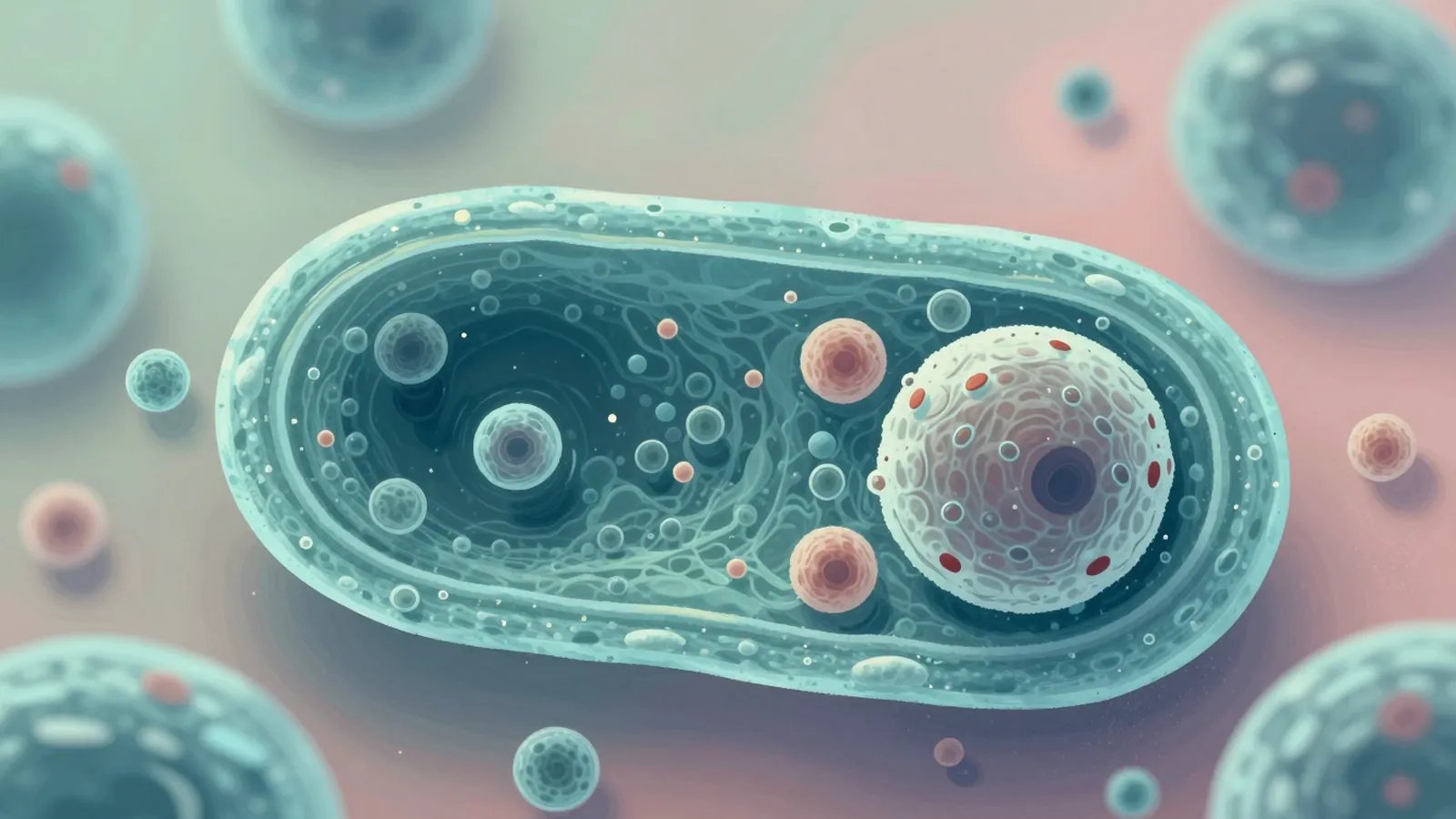
Chlamydia trachomatis is a Gram-negative bacterium that causes chlamydia, a common sexually transmitted infection, and trachoma, the leading infectious cause of blindness worldwide (Chlamydia trachomatis Infection - StatPearls; Chlamydia trachomatis). In the United States, chlamydia is the most commonly reported sexually transmitted infection (Chlamydia trachomatis Infection - StatPearls).
The organism lives inside host cells and alternates between two forms: an extracellular infectious elementary body (EB) and an intracellular non-infectious reticulate body (RB) (Chlamydia trachomatis). The EB attaches to a host cell and enters it using effector proteins, then converts into the metabolically active RB. Inside the cell, RBs replicate rapidly before transitioning back to EBs, which are released to infect new host cells.
Key Points
- Two developmental forms. C. trachomatis alternates between an extracellular infectious elementary body (EB) and an intracellular, non-infectious reticulate body (RB) (Chlamydia trachomatis).
- Entry and replication cycle. The EB attaches to host cells, enters using effector proteins, and transforms into the metabolically active RB; the RBs replicate, switch back to EBs, and are released to infect new cells.
- Serovars. There are 19 serovars of C. trachomatis, each associated with specific diseases affecting mucosal cells of the genital tract and ocular system.
- Transmission. The bacterium spreads mainly through vaginal, oral and anal sex, and can pass from a mother to her baby during childbirth (Chlamydia trachomatis; Chlamydia Infections).
- Asymptomatic infection and complications. Infections are often asymptomatic, but untreated disease can cause pelvic inflammatory disease in women and epididymitis in men; long-term risks include infertility and ectopic pregnancy, while antibiotics can cure the infection (Chlamydia trachomatis; Chlamydia Infections).
- Global burden. WHO estimated 128.5 million new infections worldwide in 2020 among people aged 15-49, and about 1.9 million people have blindness or visual impairment from trachoma.
At a Glance
| Feature | Detail |
|---|---|
| Pathogen type | Obligate intracellular bacterium (Chlamydia trachomatis Infection - StatPearls) |
| Key forms | Elementary body and reticulate body (Chlamydia trachomatis) |
| Transmission | Sexual contact, mother to newborn, trachoma (About Chlamydia) |
| Common sites | Urogenital tract, conjunctiva, rectum, pharynx |
| Diagnosis | Nucleic acid amplification tests are preferred |
| Treatment | Antibiotics; partner evaluation and treatment |
Chlamydia trachomatis is the most commonly reported bacterial sexually transmitted infection in the United States and the leading infectious cause of blindness worldwide through trachoma (Chlamydia trachomatis Infection - StatPearls; Chlamydia trachomatis). Most genital infections produce no symptoms, so the organism is often detected only through screening or partner notification (About Chlamydia).
What Is Chlamydia trachomatis?
Chlamydia trachomatis is a Gram-negative bacterium in the genus Chlamydia (Chlamydia trachomatis Infection - StatPearls; Chlamydia trachomatis). It multiplies inside the cells of its host and cannot complete a growth cycle outside them, which makes it an obligate intracellular bacterium (Chlamydia trachomatis Infection - StatPearls). The species causes the sexually transmitted infection commonly called chlamydia, and it also causes trachoma, a chronic inflammatory disease of the conjunctiva (Chlamydia trachomatis).
One species within a wider genus
The genus Chlamydia contains several species that matter in human and veterinary medicine. Chlamydia pneumoniae infects the respiratory tract, and Chlamydia psittaci is a bird-associated organism that can cause psittacosis in people exposed to infected birds (Chlamydia trachomatis). All three share the same two-form developmental cycle, and they differ in host range, tissue preference, and the diseases they produce.
Serovars and disease patterns
Strains of C. trachomatis are divided into serovars, distinguished by variation in the major outer membrane protein. Nineteen serovars are recognized, and each is associated with disease in specific mucosal sites of the genital tract or the eye (Chlamydia trachomatis). The ocular serovars A, B, Ba, and C are linked to trachoma. Serovars D through K cause urogenital infection, including urethritis, cervicitis, and the complications that follow untreated infection. Serovars L1, L2, and L3 cause lymphogranuloma venereum, an invasive infection that spreads to lymph nodes.
A short history of a misclassified organism
The organism was first described in 1907 by Stanislaus von Prowazek and Ludwig Halberstädter, who took it for a protozoan. Its small size and its refusal to grow on ordinary laboratory media later led researchers to classify it as a virus, and only in 1966 did electron microscopy reveal bacterial internal structures (Chlamydia trachomatis). The name trachomatis refers to trachoma, the eye disease that first brought the organism to medical attention.
Why the definition matters
Three practical points follow from the nature of this bacterium. First, because it cannot grow on routine agar, laboratory confirmation depends on molecular tests aimed at its nucleic acids (About Chlamydia). Second, its intracellular location shelters it from antibody-mediated clearance, which complicates vaccine development and helps explain why reinfection is common after treatment (Chlamydia trachomatis; Chlamydia Infections). Third, the organism is a strict human pathogen in its genital and ocular forms, with no animal reservoir or environmental amplification step, so control depends on finding and treating infected people and their partners.
That combination of a small, hidden pathogen and a mostly silent clinical course is what makes C. trachomatis a persistent public health problem in both high-income and low-income settings (About Chlamydia).
Biology and Structure of Chlamydia trachomatis
Chlamydia trachomatis is a small bacterium with a stripped-down genome that has abandoned independent life (Chlamydia trachomatis Infection - StatPearls). Its structure reflects that dependence. Every part of the cell, from the rigid outer envelope of the infectious form to the membrane-bound compartment it builds inside a host cell, exists to keep the organism alive long enough to replicate and move to the next cell (Chlamydia trachomatis Infection - StatPearls; Chlamydia trachomatis).
Two developmental forms
The species alternates between two structurally distinct forms, and the difference between them is central to everything else about the organism (Chlamydia trachomatis).
| Feature | Elementary body (EB) | Reticulate body (RB) |
|---|---|---|
| Size and density | Small and dense | Larger, more fragile |
| Metabolic state | Essentially inactive | Metabolically active |
| Infectious | Yes | No |
| Location | Extracellular, then inside a vacuole | Strictly intracellular |
| Main role | Survival, attachment, transmission | Growth and replication (Chlamydia trachomatis Infection - StatPearls) |
The EB is the form that travels between hosts. Its condensed structure and cross-linked envelope let it survive in secretions long enough to reach a new mucosal surface (Chlamydia trachomatis Infection - StatPearls). The RB is the working form. It is fragile, cannot survive outside the cell, and devotes itself to copying DNA and dividing.
Cell envelope and surface proteins
The envelope resembles that of other Gram-negative bacteria, with an inner membrane, a thin peptidoglycan ring that appears mainly at the division site, and an outer membrane. Cysteine-rich proteins cross-link the outer membrane of the EB, which gives it mechanical strength and resistance to degradative enzymes (Chlamydia trachomatis Infection - StatPearls). The major outer membrane protein sits on the surface and carries the variation that defines serovars, making it a long-standing target for typing and for vaccine research (Chlamydia trachomatis). Chlamydial lipopolysaccharide is present but far less inflammatory than the lipopolysaccharide of enteric bacteria.
A reduced genome and dependence on the host
The genome is small and has lost many of the genes that free-living bacteria use to build amino acids, nucleotides, and cofactors (Chlamydia trachomatis Infection - StatPearls). The organism compensates by importing these compounds from the host cell, and it takes in host energy carriers as well. This dependence explains why C. trachomatis cannot be grown on cell-free media and why research and diagnostic culture require living cell lines (Chlamydia trachomatis).
Inclusion bodies
Inside the host cell, the bacterium lives in a membrane-bound vacuole called an inclusion. The inclusion avoids fusion with lysosomes, resists host defense mechanisms, and holds every stage of the developmental cycle at once (Chlamydia trachomatis). Inclusions can be seen by light microscopy after iodine staining, because reticulate bodies accumulate glycogen, and they can be identified by immunofluorescence with antibodies against chlamydial antigens.
Why structure matters
The tough EB survives the trip between people, which is why nucleic acid amplification tests can detect the organism in urine and swabs (About Chlamydia). The absence of a conventional, growing peptidoglycan wall limits the usefulness of some cell-wall antibiotics, and drugs that act on bacterial protein synthesis are the mainstays of treatment.
The Chlamydia trachomatis Life Cycle
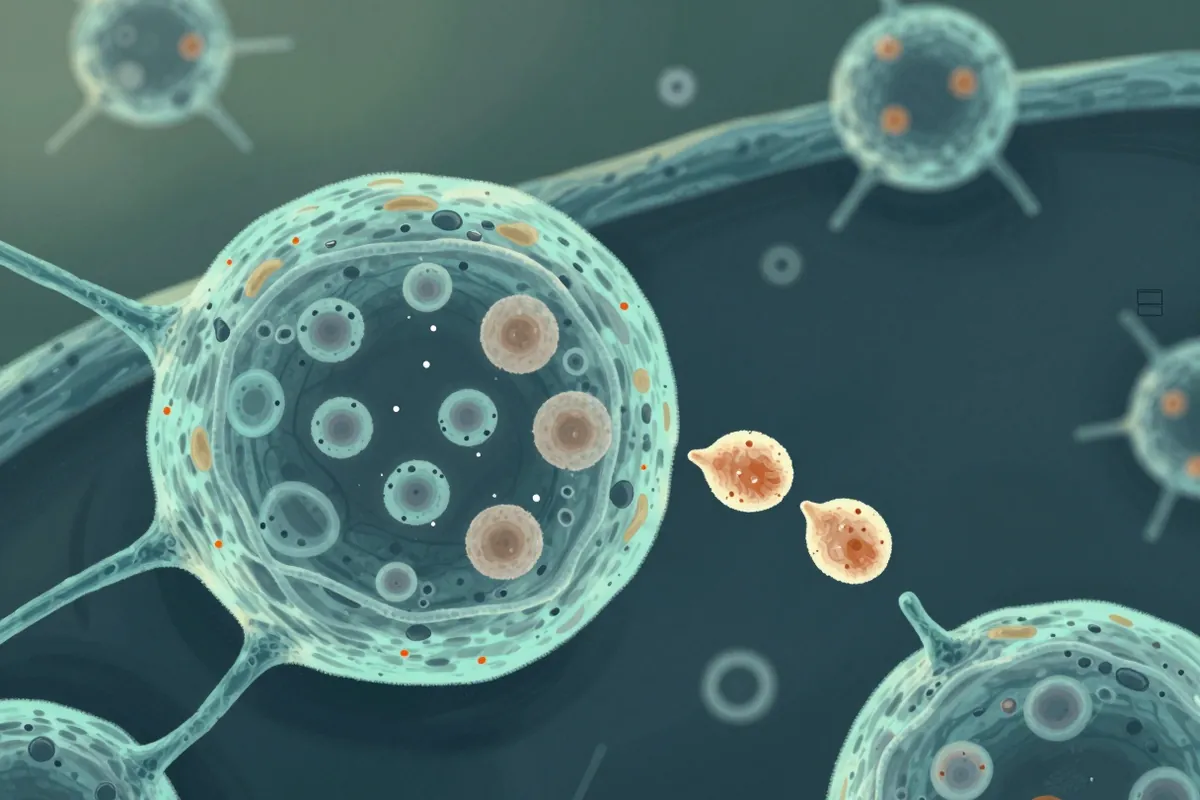
Chlamydia trachomatis follows a single developmental cycle that alternates between an infectious, dormant form and a replicating, fragile form (Chlamydia trachomatis Infection - StatPearls; Chlamydia trachomatis). Nothing in the cycle happens outside a host cell except the journey of the elementary body from one cell to the next.
Stage by stage
| Stage | What happens |
|---|---|
| 1. Attachment | The EB binds receptors on a host epithelial cell (Chlamydia trachomatis Infection - StatPearls) |
| 2. Entry | The host cell takes up the EB inside a membrane-bound vacuole |
| 3. Differentiation | The EB converts into a reticulate body (Chlamydia trachomatis) |
| 4. Replication | RBs divide by binary fission inside the inclusion |
| 5. Reorganization | RBs convert back into EBs after the growth phase |
| 6. Release | The infected cell releases EBs that infect neighboring cells |
Attachment and entry
The elementary body attaches to receptors on the surface of a columnar epithelial cell, the cell type that lines the urethra, cervix, conjunctiva, and rectum (Chlamydia trachomatis Infection - StatPearls). Once bound, the organism injects effector proteins into the host cell through a type III secretion system. These effectors rearrange the host cytoskeleton, and the cell engulfs the bacterium into a vacuole that escapes normal lysosomal destruction (Chlamydia trachomatis Infection - StatPearls; Chlamydia trachomatis).
Conversion and replication
Within hours of entry, the EB reorganizes into a reticulate body, its envelope relaxes, and metabolic activity begins (Chlamydia trachomatis Infection - StatPearls). The RBs divide by binary fission while remaining inside the expanding inclusion. Division is asynchronous, so a mature inclusion can contain elementary bodies, reticulate bodies, and intermediate forms at the same time (Chlamydia trachomatis). The whole cycle usually takes roughly two to three days to complete.
Reorganization and release
Late in the cycle, RBs stop dividing and condense back into EBs (Chlamydia trachomatis Infection - StatPearls). The inclusion then leaves the cell by one of two routes: rupture of the host cell, which releases EBs into surrounding tissue, or extrusion of the intact inclusion, which carries a package of infectious organisms to a neighboring cell while the host cell survives (Chlamydia trachomatis). Both routes spread infection locally along the mucosa.
Persistence and abnormal forms
Under stress, including exposure to interferon gamma, nutrient limitation, or certain antibiotics, RBs can stop dividing and enlarge into aberrant persistent forms (Chlamydia trachomatis Infection - StatPearls). These forms remain viable inside the cell, can resume replication when conditions improve, and are studied as one explanation for chronic inflammation and for relapse after incomplete treatment. Their exact role in human disease is still under investigation.
Why the cycle matters clinically
The cycle explains several features of chlamydial disease. Because the organism multiplies quietly inside cells, infection can persist for months with few symptoms (About Chlamydia). Because the infectious form is released only after a growth phase, treatment must cover the intracellular stage, and antibiotic choice reflects that requirement. Because each cycle damages the epithelium, repeated infections in the same person increase the risk of scarring, whether in the fallopian tube or in the conjunctiva (Chlamydia trachomatis; Chlamydia Infections).
At a Glance
| Feature | Detail |
|---|---|
| Organism | Chlamydia trachomatis, a Gram-negative bacterium that grows inside host cells (Chlamydia trachomatis) |
| Infectious form | Elementary body (EB), the extracellular particle that attaches to and enters cells |
| Replicating form | Reticulate body (RB), the metabolically active intracellular form |
| Serovars | 19 described serovars, grouped by disease pattern from A to L3 (Chlamydia trachomatis; Chlamydia trachomatis Infection - StatPearls) |
| Genital spread | Vaginal, oral, or anal sex without condoms (About Chlamydia) |
| Perinatal spread | Passage from mother to newborn during delivery |
| Trachoma spread | Direct contact and eye-seeking flies |
| Symptoms | Absent in most genital infections |
| Diagnosis | NAAT on a swab or urine specimen |
| Treatment | Antibiotics cure the infection (Chlamydia Infections) |
Chlamydia trachomatis is the bacterium behind the most commonly reported sexually transmitted infection in many countries and the leading infectious cause of blindness worldwide (Chlamydia trachomatis Infection - StatPearls; Chlamydia trachomatis). Its two forms, the infectious elementary body and the replicating reticulate body, explain both its persistence in tissues and its ability to spread silently between people (Chlamydia trachomatis).
How Chlamydia trachomatis Spreads
Chlamydia trachomatis passes from one person to another as elementary bodies, the infectious form of the organism (Chlamydia trachomatis). Every route of transmission ends with those particles reaching a mucosal surface of the genital tract, rectum, throat, or eye. Because most genital infections cause no symptoms, a person can carry and transmit the bacterium for a long time without ever having a reason to seek testing (About Chlamydia).
Sexual Contact
The bacterium spreads through vaginal, oral, and anal sex without condoms (About Chlamydia). Receptive anal sex can deposit organisms on rectal mucosa, and oral sex can establish pharyngeal infection. Consistent condom use lowers the risk of transmission, and having multiple partners raises it (Chlamydia Infections). Chlamydia is more common in young people, especially young women, a pattern that reflects both biology and sexual behavior in that age group.
Perinatal Transmission
An infected mother can pass the bacterium to her newborn during delivery as the infant moves through the birth canal (About Chlamydia). The consequences in the newborn are conjunctivitis and pneumonia, and the pneumonia typically appears at one to three months of age (Chlamydia trachomatis Infection - StatPearls; Chlamydia trachomatis). This is why pregnant women are tested at the first prenatal visit (Chlamydia Infections).
Trachoma Transmission
Trachoma, the eye disease caused by serovars A to C, spreads by direct contact and by eye-seeking flies (Chlamydia trachomatis). In endemic communities the bacterium moves between children on fingers, faces, and shared cloths, and the flies that feed at the eye margins carry it from one child to the next. Repeated episodes of infection over years drive the scarring that eventually damages the cornea (Chlamydia trachomatis Infection - StatPearls).
Transmission Without Symptoms
Most genital infections produce no symptoms in women or men (About Chlamydia). A person without discharge or pain can still pass the bacterium to a partner (Chlamydia Infections). This silent carriage is the main reason screening programs exist: transmission is interrupted by finding and treating infections that would otherwise go unnoticed.
Routes That Do Not Transmit Chlamydia
Casual contact does not spread genital chlamydia. The bacterium is not transmitted by toilet seats or shared food (About Chlamydia). Touching a doorknob, using a public restroom, or eating from the same plate as an infected person will not transmit genital infection.
Partner Notification
Partner notification helps interrupt transmission (About Chlamydia). When a case is diagnosed, current and recent sexual partners need testing and treatment, because untreated partners reinfect the index patient and continue chains of transmission. Retesting after treatment helps detect reinfection from an untreated partner.
| Route | Setting | Prevention |
|---|---|---|
| Vaginal, oral, anal sex | Sexual transmission (About Chlamydia) | Condoms, partner testing (Chlamydia Infections) |
| Mother to newborn | Delivery | Prenatal screening |
| Fingers, cloths, flies | Trachoma-endemic communities (Chlamydia trachomatis) | Face washing, fly control, antibiotics |
| Toilet seats, shared food | No transmission | None needed |
Serovars and Disease Patterns
Chlamydia trachomatis is not a single uniform organism. Strains are classified into serovars, and the serovar largely predicts which tissue the bacterium infects and what disease follows. There are currently 19 described serovars, each associated with disease of mucosal cells in the genital tract or the eye (Chlamydia trachomatis).
How Serovars Are Defined
Serovars are distinguished by variation in the major outer membrane protein, the abundant surface protein of the elementary body. Antibodies raised against one serovar recognize that protein specifically, which is the basis of the original serological classification. Modern typing uses gene sequences rather than antisera, but the serovar labels remain in clinical use because they map so cleanly onto disease patterns.
The Three Disease Groups
| Serovars | Target tissue | Disease (Chlamydia trachomatis Infection - StatPearls) |
|---|---|---|
| A, B, C | Conjunctival epithelium | Trachoma and follicular conjunctivitis |
| D, K | Urogenital and anorectal mucosa | Urethritis, cervicitis, proctitis, epididymitis |
| L1, L2, L3 | Genital mucosa and lymph nodes | Lymphogranuloma venereum |
Serovars A to C cause trachoma and follicular conjunctivitis (Chlamydia trachomatis Infection - StatPearls). These strains infect the conjunctiva and are transmitted within communities where hygiene and water access are limited (Chlamydia trachomatis). Serovars D to K cause urogenital and anorectal infection. They are the strains responsible for the sexually transmitted infection that dominates clinical practice in most countries. Serovars L1 to L3 cause lymphogranuloma venereum, a more invasive disease that reaches regional lymph nodes and produces genital ulcers, lymphadenopathy, and proctitis.
Tropism and Severity
Serovars differ in tissue tropism and disease severity (Chlamydia trachomatis Infection - StatPearls). The lymphogranuloma venereum strains penetrate deeper than the genital serovars, which is why they produce swollen, tender lymph nodes and, in rectal infection, marked inflammation of the rectum. Serovars A to C are confined to the surface epithelium of the eye under most circumstances, yet repeated rounds of infection produce the slow scarring that ends in blindness.
Why Repeated Infection Matters
Repeated infection drives scarring and fibrosis (Chlamydia trachomatis Infection - StatPearls). The damage in trachoma and in the fallopian tube is not caused by a single episode alone; it accumulates with each new infection. This principle explains two clinical observations. First, women who have had chlamydia more than once are at higher risk of serious reproductive complications (Chlamydia Infections). Second, trachoma progresses over years in communities where reinfection is constant. Immunity after natural infection is partial and short-lived, so the same person can be infected again by the same serovar.
Understanding serovar distribution also guides laboratory practice. In a sexual health clinic, a positive nucleic acid amplification test needs no serovar typing, because treatment is the same for D to K and for L1 to L3 in most respects. In a trachoma program, serovar information is a research tool rather than a clinical one.
Symptoms and Clinical Manifestations
Most genital infections are asymptomatic in women and men (About Chlamydia). When symptoms do appear, they depend on the site of infection, and they often begin weeks after exposure (Chlamydia Infections). The clinical picture ranges from mild urethral discharge to pelvic inflammatory disease, neonatal pneumonia, and the progressive corneal damage of trachoma.
Genital Infection in Women
Cervicitis is the usual initial lesion. Urethritis, discharge, dysuria, and pelvic pain may occur (Chlamydia trachomatis Infection - StatPearls). Vaginal discharge, bleeding between periods, and pain during sex are also reported. If infection ascends to the uterus and fallopian tubes, pelvic inflammatory disease develops, with lower abdominal pain, pain during sex, nausea, and fever (Chlamydia Infections).
Genital Infection in Men
Urethritis with discharge and dysuria is the typical presentation (Chlamydia trachomatis Infection - StatPearls). Epididymitis can follow, producing unilateral scrotal pain and swelling. Many men have no symptoms at all (About Chlamydia), and the infection can resolve or persist without ever being recognized.
Anorectal and Pharyngeal Infection
Rectal infection causes rectal pain, discharge, and bleeding in either sex (Chlamydia Infections). Pharyngeal infection is usually silent.
Neonatal Infection
Neonatal conjunctivitis and pneumonia follow perinatal exposure (Chlamydia trachomatis Infection - StatPearls). The conjunctivitis appears in the first days to weeks of life, and the pneumonia typically presents at one to three months with cough and tachypnea (Chlamydia trachomatis).
Trachoma
Trachoma causes conjunctivitis, trichiasis, and corneal damage (Chlamydia trachomatis). Active infection in childhood produces follicles and inflammation on the inner eyelid. Years of repeated infection lead to scarring, which turns the eyelid margin inward so that lashes scrape the cornea, and this abrasion leads to corneal opacity and blindness (Chlamydia trachomatis Infection - StatPearls). Trachoma remains the leading infectious cause of blindness worldwide.
Lymphogranuloma Venereum
LGV causes ulcers, lymphadenopathy, and proctitis (Chlamydia trachomatis Infection - StatPearls). A small painless genital ulcer may pass unnoticed, followed by painful inguinal lymph nodes. Rectal infection produces severe proctitis that can be mistaken for inflammatory bowel disease.
Complications
Complications include PID, ectopic pregnancy, and infertility (About Chlamydia). Untreated infection can permanently damage the reproductive system, and the risk rises with each additional infection (Chlamydia Infections). Chronic pelvic pain is a further long-term consequence. Men generally have fewer long-term complications, though epididymitis and, rarely, reactive arthritis occur.
| Site | Typical presentation | Source |
|---|---|---|
| Cervix and urethra | Discharge, dysuria, pelvic pain | (Chlamydia trachomatis Infection - StatPearls) |
| Uterus and tubes | PID, ectopic pregnancy, infertility | (About Chlamydia) |
| Rectum | Pain, discharge, bleeding | (Chlamydia Infections) |
| Newborn eye and lung | Conjunctivitis, pneumonia | |
| Conjunctiva (trachoma) | Follicles, trichiasis, corneal damage | (Chlamydia trachomatis) |
| Genital ulcer and nodes (LGV) | Ulcer, lymphadenopathy, proctitis |
Diagnosis of Chlamydia trachomatis Infection
Diagnosis rests on detecting the organism in a specimen, not on clinical appearance, because the symptoms overlap with gonorrhea and other causes of urethritis and cervicitis. Nucleic acid amplification tests are the mainstay.
Nucleic Acid Amplification Testing
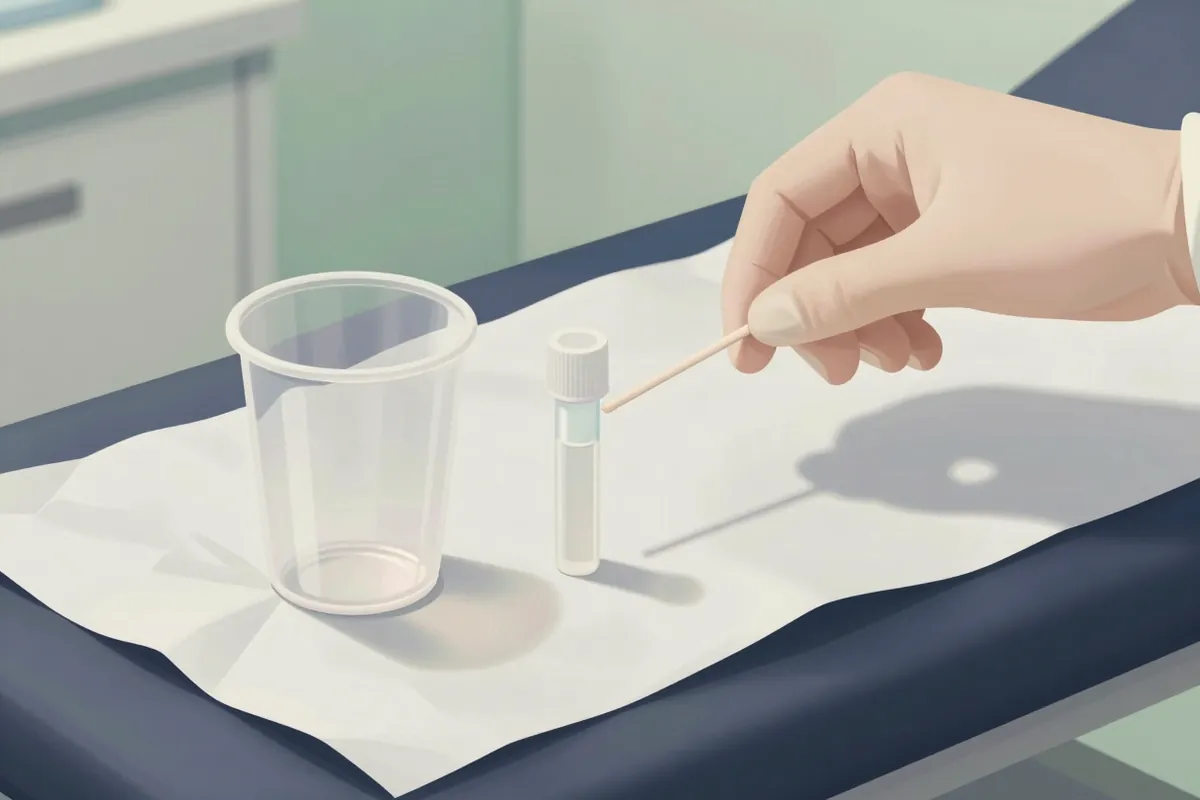
NAAT is preferred for genital and urine specimens (About Chlamydia). These tests amplify chlamydial DNA or RNA and detect the bacterium with high sensitivity even when few organisms are present. Swabs or urine can detect genital infection. A vaginal swab, collected by the patient herself, performs as well as a clinician-collected cervical swab in most settings, and first-catch urine is the standard specimen for men.
Specimen Choice
| Specimen | Setting | Comment |
|---|---|---|
| Vaginal swab | Women, self-collected | Preferred noninvasive sample (About Chlamydia) |
| Endocervical swab | Pelvic examination | Acceptable alternative |
| First-catch urine | Men and women | Convenient, widely used |
| Rectal or pharyngeal swab | Rectal or oral exposure | Site-specific testing needed (Chlamydia trachomatis Infection - StatPearls) |
| Conjunctival swab | Neonatal or adult conjunctivitis | Confirms ocular infection |
Culture
Culture is difficult and rarely used (Chlamydia trachomatis Infection - StatPearls). The bacterium is an obligate intracellular organism, so culture requires living cell monolayers, special transport media, and days of incubation. Culture retains a role in medico-legal cases and in research, but it has no place in routine diagnosis.
Serology
Serology has limited use except for LGV (Chlamydia trachomatis Infection - StatPearls). Antibody tests cannot distinguish past from current genital infection and are not recommended for diagnosing uncomplicated chlamydia. In LGV, where the organism is deep and swabs may be negative, serology supports the diagnosis alongside clinical findings and nucleic acid testing of lesions or nodes.
Screening
Screening targets sexually active young women and pregnant women (About Chlamydia). Young age and new or multiple partners raise risk, and annual screening of sexually active young women is standard practice in many programs (Chlamydia Infections). Pregnant women are tested at the first prenatal visit so that infection can be treated before delivery and neonatal exposure prevented. Men who have sex with men benefit from site-specific testing at the urethra, rectum, and pharynx.
Retesting After Treatment
Retesting after treatment helps detect reinfection (About Chlamydia). A positive test after therapy usually reflects reinfection from an untreated partner rather than treatment failure, which is why retesting is paired with partner notification. Retesting is not a test of cure, because nucleic acid tests may stay positive for weeks after organisms are dead.
Worked Example
A 22-year-old woman has no symptoms but reports that her partner was recently diagnosed. A self-collected vaginal swab is submitted for NAAT and returns positive. She is treated, her partner is treated, and she is retested later to exclude reinfection (About Chlamydia). No culture and no serology are needed at any point in this sequence, which illustrates how the diagnostic pathway works in routine practice.
Treatment and Follow-Up
Infection with Chlamydia trachomatis is curable with antibiotics (About Chlamydia). Treatment clears the organism from infected sites, relieves symptoms, lowers the risk of complications such as pelvic inflammatory disease, and interrupts transmission to partners and to infants during birth.
| Treatment element | Purpose |
|---|---|
| Antibiotic course | Eradicate the bacterium from infected sites (About Chlamydia) |
| Partner evaluation and treatment | Prevent reinfection and onward spread |
| Abstaining from sex until completion | Avoid passing infection while treatment is still under way |
| Test of cure in selected cases | Confirm clearance in pregnancy or persistent symptoms |
Antibiotic choices for uncomplicated infection
Uncomplicated genital chlamydia is treated with antibiotics (About Chlamydia). Doxycycline is a common choice, and azithromycin is an alternative. The decision belongs to the prescriber and takes into account allergies, other medicines, pregnancy status, and local guidance.
Pregnancy changes the plan. A pregnancy-safe antibiotic regimen is required (About Chlamydia), so the drug and the length of the course are selected to protect both the pregnant patient and the fetus. Anyone who is pregnant or may become pregnant should tell the prescriber before starting treatment so the regimen can be adjusted.
Some patients have infection at more than one site, such as the rectum or pharynx in addition to the genital tract (Chlamydia trachomatis Infection - StatPearls). The prescriber considers all known sites when choosing a regimen and planning follow-up.
Partner evaluation and treatment
Partners should be evaluated and treated (About Chlamydia). This belongs to the treatment plan itself, because an untreated partner can pass the infection back after a course of antibiotics has finished. Repeat infections carry a higher risk of serious reproductive complications in women (Chlamydia Infections).
Chlamydia often produces no symptoms (Chlamydia Infections), so a partner may have no reason to suspect infection. Evaluation and treatment should not wait for symptoms to appear.
Test of cure
Test of cure may be advised in pregnancy or when symptoms persist after treatment (About Chlamydia). Outside those situations, the need for a repeat test depends on the clinical picture and local guidance.
When a test stays positive after treatment, reinfection from an untreated partner is one explanation, which is another reason partner treatment matters (About Chlamydia).
Completing treatment and follow-up
Sexual contact should be avoided until the antibiotic course and partner treatment are both complete (About Chlamydia). Stopping antibiotics early can leave infection in place, and symptoms may stay quiet even while the organism is still present (Chlamydia Infections).
Follow-up is needed for anyone whose symptoms persist, worsen, or return after treatment (About Chlamydia). Persistent symptoms can point to reinfection, to another infection at the same site, or to a complication that needs separate assessment.
A past infection gives no lasting protection. People treated for chlamydia can be infected again through unprotected sex with an infected partner (Chlamydia Infections), so the prevention steps covered in the next section remain relevant after successful treatment.
Prevention and Public Health Control
Control of C. trachomatis works at two levels: personal measures that reduce exposure, and public health programs that find and treat infections in people who never develop symptoms.
| Layer | Measure | Main effect |
|---|---|---|
| Personal | Consistent condom use | Lowers transmission risk (About Chlamydia) |
| Clinical | Routine and prenatal screening | Finds asymptomatic infections and prevents newborn infection |
| Partner services | Partner notification and treatment | Reduces reinfection |
| Community | Trachoma control package | Reduces blinding trachoma (Chlamydia trachomatis) |
| Long term | Vaccine | None currently available |
Barrier protection
Consistent condom use lowers the risk of transmission (About Chlamydia). Correct use matters as much as the product itself: condoms that slip, break, or are put on late leave mucosa exposed. Condoms also protect against other sexually transmitted infections that can be carried alongside chlamydia, which is one reason they remain central to prevention advice.
Screening
Routine screening finds asymptomatic infections (About Chlamydia). Because many infections cause no symptoms, testing is the only way to identify them before complications develop or transmission continues (Chlamydia Infections). Screening is most useful when it reaches people at higher risk, including young sexually active people and anyone with a new or multiple partners.
Prenatal screening prevents neonatal infection (About Chlamydia). Testing early in pregnancy allows treatment before delivery, which protects the infant from eye infection and from pneumonia in the first months of life (Chlamydia trachomatis).
Partner notification
Partner notification reduces reinfection (About Chlamydia). Telling recent partners that they may have been exposed allows them to be tested and treated, which shortens the period of infectiousness in the wider network. Partner notification can be handled by the patient, by the clinic, or through a combined approach, depending on what local services offer.
Trachoma control
Trachoma, the eye disease caused by certain serovars of C. trachomatis, remains the leading infectious cause of blindness worldwide (Chlamydia trachomatis). Control combines surgery for in-turned eyelashes, antibiotics to clear infection, facial cleanliness, and environmental sanitation to reduce fly breeding and eye-seeking flies. This package targets transmission at the community level, where repeated childhood infection drives the scarring that eventually damages the cornea.
Vaccines
No vaccine against C. trachomatis is currently available (Chlamydia trachomatis). Prevention therefore rests on behavior, screening, prompt treatment, partner services, and, for trachoma, community-wide control measures. No single measure covers every route of transmission, so programs that combine several layers achieve more than any one measure used alone.
Common Misconceptions About Chlamydia trachomatis
| Misconception | What is accurate |
|---|---|
| Chlamydia is a virus | It is a Gram-negative bacterium, C. trachomatis (Chlamydia trachomatis) |
| No symptoms means no infection | Many infections are silent yet can be transmitted (About Chlamydia) |
| It only affects the genitals | Genital tract, eyes, rectum, and pharynx can be infected (Chlamydia trachomatis Infection - StatPearls) |
| Chlamydia always causes infertility | Infertility is a possible complication, not an inevitable result |
| Toilet seats and shared food spread it | Transmission is sexual and perinatal |
| Condoms remove all risk | Condoms reduce risk but do not eliminate it |
It is a bacterium, with a virus-like history
C. trachomatis is a bacterium, not a virus (Chlamydia trachomatis). Early researchers classified it as a protozoan, then as a virus, because it is small and would not grow in ordinary laboratory culture. Electron microscopy in 1966 revealed bacterial internal structures and settled the question.
Silent infection is common
Infection can spread without visible symptoms (About Chlamydia). Someone who feels well can carry the organism in the genital tract, rectum, or pharynx and pass it on. This is why screening exists and why testing after a partner's diagnosis matters even when nothing feels wrong.
Infection is not limited to the genital tract
Chlamydia affects the genital tract, eyes, rectum, and pharynx (Chlamydia trachomatis Infection - StatPearls). Eye involvement includes adult inclusion conjunctivitis and, in newborns, conjunctivitis acquired during birth. Rectal infection can cause pain, discharge, and bleeding (Chlamydia Infections).
Infertility is a risk, not a certainty
Infection does not always cause infertility (Chlamydia trachomatis Infection - StatPearls). Many infections are cured before lasting damage occurs. The risk rises when infection goes untreated and spreads to the uterus and fallopian tubes, causing pelvic inflammatory disease, which can lead to long-term pelvic pain, infertility, and ectopic pregnancy (Chlamydia Infections).
Casual contact is not a route of transmission
Toilet seats and shared food do not transmit chlamydia (About Chlamydia). The bacterium spreads through vaginal, oral, and anal sex, and from mother to infant during birth (Chlamydia trachomatis). It does not survive long outside the body, and routine household contact is not a recognized route.
Condoms reduce risk but do not eliminate it
Condoms reduce risk but do not eliminate it (About Chlamydia). Inconsistent use, breakage, late application, and uncovered skin during oral sex all leave gaps. Condoms remain one of the most effective single measures available, and they work best alongside screening, partner treatment, and prompt testing after any known exposure.
Related Guides
- Chlamydia (Chlamydophila felis) in Cats: Signs and Treatment: Feline chlamydial disease for comparative conjunctival signs and treatment
- Prosthogonimus macrorchis: Oviduct Fluke in Chickens, Life Cycle, Pathogenesis, and Diagnosis
- Poultry Lice and Mites: Identification, Life Cycle, Nits, and Effective Dust Treatments for Flocks
- Common Skin Parasites in Chickens: Identification, Life Cycle, and Treatment
- Heartworm Disease in Dogs: Life Cycle and Treatment
Frequently Asked Questions
Can Chlamydia trachomatis be cured?
Yes. Infections with Chlamydia trachomatis respond to antibiotic treatment, and the antibiotics available can cure the infection (Chlamydia Infections). Cure depends on completing the full course and avoiding re-exposure, because a person treated in the past can be infected again through unprotected sex with an infected partner. Treatment does not repair damage already done, such as scarred fallopian tubes, so early diagnosis matters. Because the bacterium grows inside host cells as reticulate bodies before converting back to infectious elementary bodies (Chlamydia trachomatis), the drug must reach intracellular organisms, which is one reason treatment schedules follow clinical guidelines.
How is Chlamydia trachomatis transmitted?
The bacterium spreads mainly through vaginal, oral and anal sex with an infected partner (Chlamydia trachomatis; Chlamydia Infections). It can also pass from a mother to her baby during childbirth, which may lead to infant pneumonia or eye infection (Chlamydia trachomatis; Chlamydia Infections). Mayo Clinic notes that other routes of spread are possible (Chlamydia trachomatis). Transmission does not require symptoms: people without any signs can still carry and pass the infection (Chlamydia Infections). Condom use and fewer partners lower risk. Because the infectious elementary body enters through mucosal surfaces (Chlamydia trachomatis), sexual contact with genital, rectal or oral mucosa is the usual route of exposure.
What are the symptoms of Chlamydia trachomatis?
Most genital infections cause no symptoms at all, so a person may not know they are infected (Chlamydia Infections). When symptoms do occur, they may include pain during sex and lower abdominal pain, and if the infection spreads, nausea and fever can follow. Rectal infection can cause rectal pain, discharge and bleeding. In women, ascending infection can produce pelvic inflammatory disease, and in men epididymitis (Chlamydia trachomatis). Eye infection causes conjunctivitis, and the species also causes trachoma and lymphogranuloma venereum. Symptoms alone are unreliable, so laboratory testing is needed.
How long does Chlamydia trachomatis take to show up?
Symptoms, when they appear, may not develop until several weeks after sex with an infected partner (Chlamydia Infections). Many infections never produce noticeable symptoms, so "show up" is a poor guide to when exposure happened or whether infection is present. Laboratory tests detect the bacterium directly; a urine sample or a swab from the vagina can be used. Testing is advised for anyone with symptoms, anyone with a partner who has an STI, and pregnant women at the first prenatal visit. Because the organism completes its intracellular cycle of elementary and reticulate bodies (Chlamydia trachomatis), detection depends on test timing and the site sampled.
Can Chlamydia trachomatis cause infertility?
Yes, an untreated infection can. In women, chlamydia can spread to the uterus and fallopian tubes and cause pelvic inflammatory disease, which can permanently damage the reproductive system (About Chlamydia; Chlamydia Infections). That damage can lead to infertility, ectopic pregnancy and long-term pelvic pain (Chlamydia Infections). Women infected more than once face a higher risk of serious reproductive complications. Men often have no lasting problems, though the epididymis can become infected (Chlamydia trachomatis; Chlamydia Infections). Because many infections are silent, screening and prompt treatment are the practical ways to limit this risk.
Is Chlamydia trachomatis the same as chlamydia?
Not exactly: the names refer to different things. Chlamydia is the disease, a common sexually transmitted infection, and Chlamydia trachomatis is the bacterium that causes it (Chlamydia trachomatis Infection - StatPearls; Chlamydia Infections). The same species also causes trachoma, a leading infectious cause of blindness, and lymphogranuloma venereum (Chlamydia trachomatis). Its serovars differ in the disease they produce, with specific strains associated with genital tract and eye infections. In everyday use, "chlamydia" nearly always means the sexually transmitted infection, while the full species name appears in laboratory reports and microbiology writing.
References and Further Reading
- Chlamydia trachomatis Infection - StatPearls, ncbi.nlm.nih.gov
- Chlamydia trachomatis, en.wikipedia.org
- Chlamydia trachomatis, mayoclinic.org
- Chlamydia Infections, medlineplus.gov
- About Chlamydia, cdc.gov