What the Panama Stem Cell Institute Offers Patients
By Dr. Zubair Khalid, DVM, MS, PhD ·
Key Takeaways
- The Panama Stem Cell Institute specializes in autologous stem cell therapies, using a patient's own bone marrow or adipose-derived cells for treatment.
- Treatments are targeted towards chronic conditions including orthopedic injuries (e.g., osteoarthritis), degenerative disc disease, autoimmune disorders, and neurological conditions, with stronger evidence supporting orthopedic applications.
- The institute operates under Panama's Ministry of Health (MINSA) regulations, requiring sanitary registration, adherence to laboratory standards akin to Good Manufacturing Practices (GMP), and detailed informed consent processes.
- While operating within Panama's legal framework for "compassionate use" and registered protocols, it's crucial for patients to understand that many stem cell therapies for chronic diseases are not fully approved by regulatory bodies like the U.S. FDA.
- Patients considering treatment should undergo a telemedicine consultation, verify physician credentials, understand costs ranging from $5,000 to $15,000, and plan for a 5-10 day recovery period in Panama.
- Reputable stem cell institutes, including this one, should be able to provide evidence of ongoing clinical trials or peer-reviewed outcome data for their specific treatment protocols.
The Panama Stem Cell Institute has emerged as a prominent destination for regenerative medicine in Latin America. With a growing global demand for advanced cellular therapies, this institute offers a unique blend of medical tourism, regulatory oversight, and clinical innovation. But what exactly does the Panama Stem Cell Institute provide, and is it a credible option for patients seeking treatment? This article explores the institute’s offerings, regulatory framework, and the broader implications for stem cell therapy seekers.
Understanding the Institute’s Clinical Focus
The Panama Stem Cell Institute primarily focuses on autologous stem cell therapies. This means they use the patient’s own cells, typically harvested from bone marrow or adipose (fat) tissue, to treat a range of chronic conditions. Unlike some clinics that offer unproven “stem cell shots” for general wellness, the institute emphasizes targeted treatments for orthopedic injuries, neurological disorders, and autoimmune diseases.
The process generally follows a structured protocol:
- Harvesting: Cells are collected via a minimally invasive procedure, often from the iliac crest (hip bone) or through liposuction.
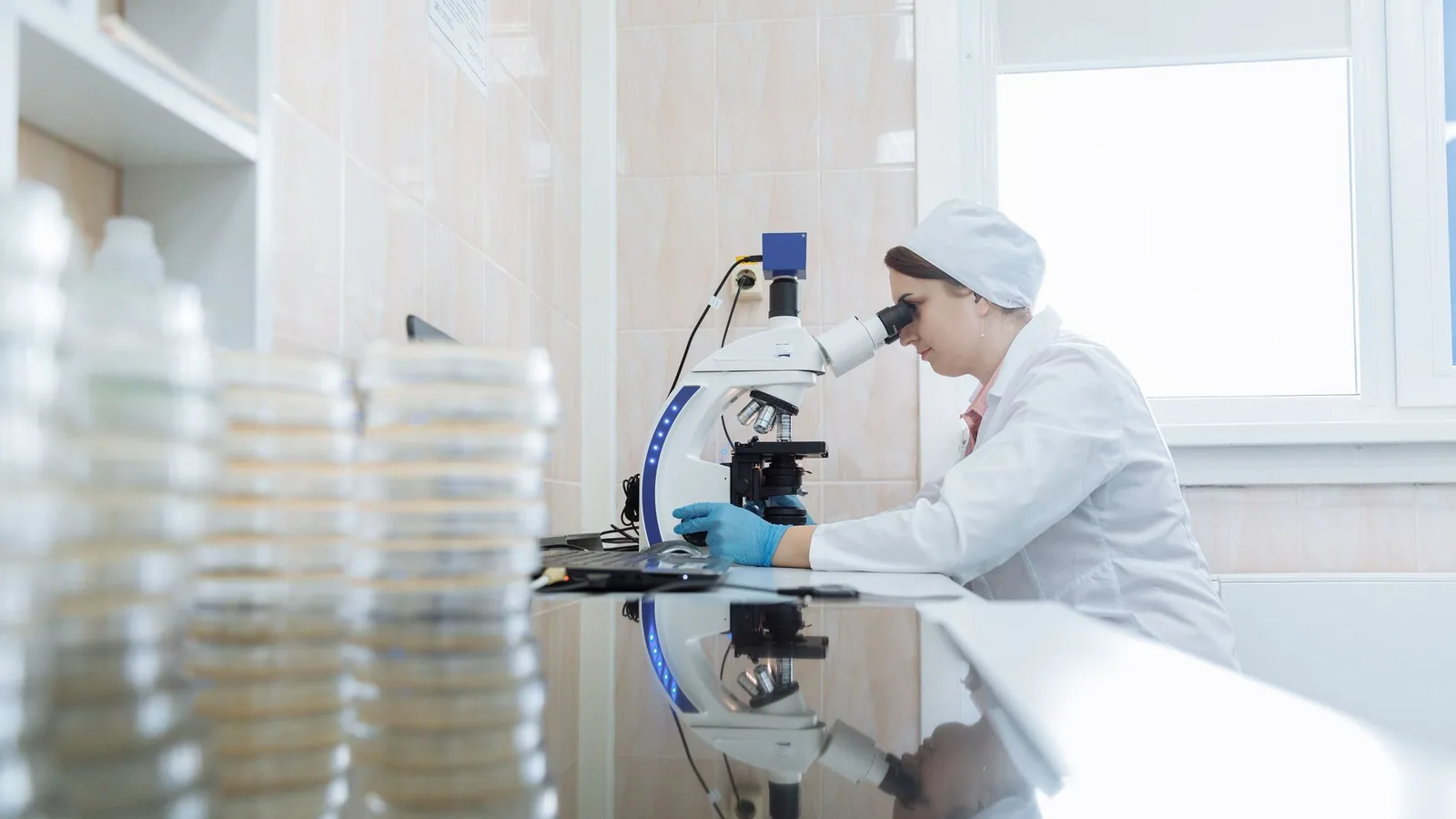
- Processing: The sample is processed in a cleanroom laboratory to concentrate the stem cells and growth factors.
- Delivery: The concentrated cells are injected directly into the affected area, such as a damaged knee joint, a spinal disc, or intravenously for systemic conditions.
This approach is grounded in the idea of “orthobiologics,” where the body’s own healing mechanisms are amplified. The institute’s team often includes board-certified physicians with backgrounds in sports medicine and regenerative orthopedics, adding a layer of clinical credibility.
Regulatory Landscape and Patient Safety
One of the most critical factors when evaluating any stem cell clinic is the regulatory environment. Panama has a distinct advantage over many other medical tourism hubs. The country’s Ministry of Health (MINSA) has established clear guidelines for cellular therapy, requiring clinics to operate under a “sanitary registration” that mandates quality control and reporting standards.
Key regulatory points for the Panama Stem Cell Institute include:
- Licensing: The institute operates under a valid health license that permits the processing of autologous cells for immediate use.
- Lab Standards: Their laboratory must adhere to Good Manufacturing Practices (GMP) or equivalent standards to ensure sterility and cell viability.
- Informed Consent: Patients are required to sign detailed consent forms that outline the experimental nature of some treatments and potential risks, such as infection or immune reactions.
However, it is important to note that no stem cell therapy for chronic diseases like Parkinson’s or multiple sclerosis is fully approved by the U.S. FDA. The institute operates within Panama’s legal framework, which allows for “compassionate use” and registered clinical protocols. Patients should always verify the specific regulatory status of their intended treatment before traveling.
Conditions Commonly Treated
The Panama Stem Cell Institute markets its services for a variety of conditions, but the strongest evidence supports its use in orthopedic and inflammatory conditions. Below is a summary of commonly treated conditions and the typical approach:
| Condition | Typical Approach | Rationale |
|---|---|---|
| Osteoarthritis (knee/hip) | Intra-articular injection | Reduces pain and inflammation; may slow cartilage degradation. |
| Degenerative Disc Disease | Intradiscal injection | Promotes hydration and repair of spinal discs. |
| Autoimmune conditions (e.g., Rheumatoid Arthritis) | Intravenous infusion | Modulates the immune response and reduces systemic inflammation. |
| Neurological disorders (e.g., Spinal Cord Injury) | Intrathecal or targeted injection | Aims to reduce neuroinflammation and support nerve repair (experimental). |
Patients with orthopedic issues often report the most consistent outcomes, including reduced pain and improved mobility within 3 to 6 months. For neurological conditions, results are more variable and should be considered strictly investigational.
Practical Considerations for Medical Tourists
If you are considering the Panama Stem Cell Institute, planning is essential. Panama City is a well-connected hub with modern medical infrastructure, but medical tourism requires due diligence.
Here are practical tips:
- Consultation First: Schedule a telemedicine consultation with the institute’s medical director. Ask about their specific protocol, the number of cells you will receive, and their success rates for your condition.
- Verify Credentials: Confirm that the physicians are licensed in Panama and have relevant board certifications in regenerative medicine or orthopedics.
- Understand Costs: A typical treatment course can range from $5,000 to $15,000, depending on the complexity and number of injections. This is often significantly less than in the U.S. but not cheap.
- Plan for Recovery: You may need to stay in Panama for 5 to 10 days to monitor for immediate side effects and to receive follow-up care.
- Check for Research: A reputable institute will have published studies or ongoing clinical trials. Ask if they have any peer-reviewed data on their outcomes.
The Panama Stem Cell Institute represents a legitimate option for those exploring regenerative therapies outside of restrictive regulatory environments. While it is not a miracle cure, its focus on autologous cells, a regulated setting, and targeted applications offers a safer alternative to unregulated clinics. As always, consult with your primary care physician before making any medical decisions.
Written by Zubair Khalid, DVM, MS, PhD. Source: [original news feed and industry reports].