Define Tissue Biology
By Dr. Zubair Khalid, DVM, MS, PhD ·
Key Takeaways
- Tissue biology is the study of tissues, which are specialized groups of similar cells organized to perform specific functions, bridging the gap between cell biology and organ biology.
- The four primary tissue types in the human body are epithelial (covering, lining, secretion), connective (support, binding, transport), muscle (contraction, movement), and nervous (signal transmission, control).
- The extracellular matrix (ECM) is a critical component of tissues, providing structural support, facilitating cell-to-cell communication, and influencing cellular behavior such as proliferation and differentiation.
- Dysregulation of tissue organization and communication, particularly involving the ECM, can lead to diseases like cancer and fibrosis, highlighting the importance of understanding tissue repair mechanisms.
- Knowledge of tissue biology is fundamental to regenerative medicine and tissue engineering, enabling the creation of functional tissues and organs for therapeutic purposes, as well as to cancer research by understanding the tumor microenvironment.
- Histology and pathology rely heavily on the principles of tissue biology for disease diagnosis, requiring the identification of deviations from normal tissue architecture and cellular morphology under microscopic examination.
When you look at the human body, what do you see? Arms, legs, a face, skin. But peel back one layer, and you find a beautifully organized hierarchy of building blocks. Cells are the smallest living units, but they rarely work alone. They cluster together into specialized groups called tissues. Understanding tissue biology is the key to understanding how our bodies function, heal, and sometimes fail. This guide defines tissue biology, explores the four main tissue types, and shows why this concept matters for medicine and research.
What is Tissue Biology? A Clear Definition
Tissue biology is the study of tissues: groups of similar cells that work together to perform a specific function. Think of a tissue as a team. Each cell is a player, but the team as a whole can accomplish tasks that individual cells cannot. For example, a single muscle cell cannot move a bone, but a bundle of muscle cells working together can generate powerful contractions.
In formal terms, tissue biology examines the structure, organization, development, and function of these cellular assemblies. It sits between cell biology (which focuses on individual cells) and organ biology (which looks at how multiple tissues combine to form organs). This level of analysis is crucial because it explains how cells coordinate their activities. Signals, nutrients, and waste products all move through the extracellular matrix the scaffolding that holds cells together. Tissue biology also investigates how tissues repair themselves after injury and how they change during disease.
The Four Primary Types of Tissues in the Human Body
Every organ in the body is built from combinations of just four basic tissue types. Knowing these categories is the foundation of tissue biology.
| Tissue Type | Primary Function | Key Characteristics | Examples |
|---|---|---|---|
| Epithelial | Covering, lining, secretion | Tightly packed cells, little matrix, one free surface | Skin, lining of stomach, blood vessel walls |
| Connective | Support, binding, transport | Cells scattered in abundant extracellular matrix | Bone, blood, cartilage, adipose tissue |
| Muscle | Contraction, movement | Elongated cells with contractile proteins | Skeletal muscle, heart muscle, smooth muscle |
| Nervous | Signal transmission, control | Neurons with long extensions, supporting glial cells | Brain, spinal cord, peripheral nerves |
Epithelial tissue acts as a barrier. It lines every body surface and cavity. It also forms glands that secrete hormones, enzymes, and sweat. The cells are tightly joined with little space between them, preventing leaks.
Connective tissue is the most diverse group. It includes bone, which provides rigid support, and blood, which is a fluid connective tissue that transports oxygen and nutrients. The extracellular matrix is often rich in fibers like collagen and elastin, giving each connective tissue its unique properties.
Muscle tissue specializes in contraction. Skeletal muscle moves your skeleton voluntarily. Cardiac muscle pumps blood rhythmically. Smooth muscle lines hollow organs like the stomach and blood vessels, contracting involuntarily.
Nervous tissue processes information. Neurons generate electrical signals that travel along axons. Glial cells support and insulate neurons. This tissue is responsible for sensation, thought, and coordination.
How Tissues Work Together: From Cells to Organs
No single tissue type operates in isolation. Every organ contains at least two, often three or four, of the primary tissues. Consider the stomach: its inner lining is epithelial tissue that secretes acid and enzymes. Surrounding that is a layer of connective tissue that provides blood vessels and nerves. Two layers of smooth muscle tissue churn the stomach contents. And nervous tissue coordinates the entire process.
This cooperation is a central theme in tissue biology. The extracellular matrix (ECM) plays a vital role in communication. Cells attach to the ECM through integrins and other receptors. Signals from the ECM can tell a cell to divide, differentiate, or even die. When this communication breaks down, diseases like cancer or fibrosis can arise.
Tissue biology also explains how the body repairs itself. After a cut, blood clots form a temporary scaffold. Inflammatory cells clean debris. Then fibroblasts lay down new connective tissue. Finally, epithelial cells migrate across the surface to regenerate the skin. This process relies on the coordinated behavior of multiple tissue types.
Practical Applications: Why Tissue Biology Matters Today
Understanding tissue biology is not just academic. It drives innovation in medicine and biotechnology. Here are three key areas where this knowledge is applied:
- Regenerative medicine and tissue engineering. Scientists can grow tissues in the lab by seeding cells onto biodegradable scaffolds. Skin grafts for burn victims, cartilage for joint repair, and even bladders have been successfully engineered. The goal is to develop functional organs for transplantation.
- Cancer research. Tumors are not just masses of cancerous cells. They are complex tissues that include blood vessels, immune cells, and connective tissue. The tumor microenvironment strongly influences how a cancer grows and responds to treatment. Tissue biology helps researchers design better therapies that target the whole tumor, not just the malignant cells.
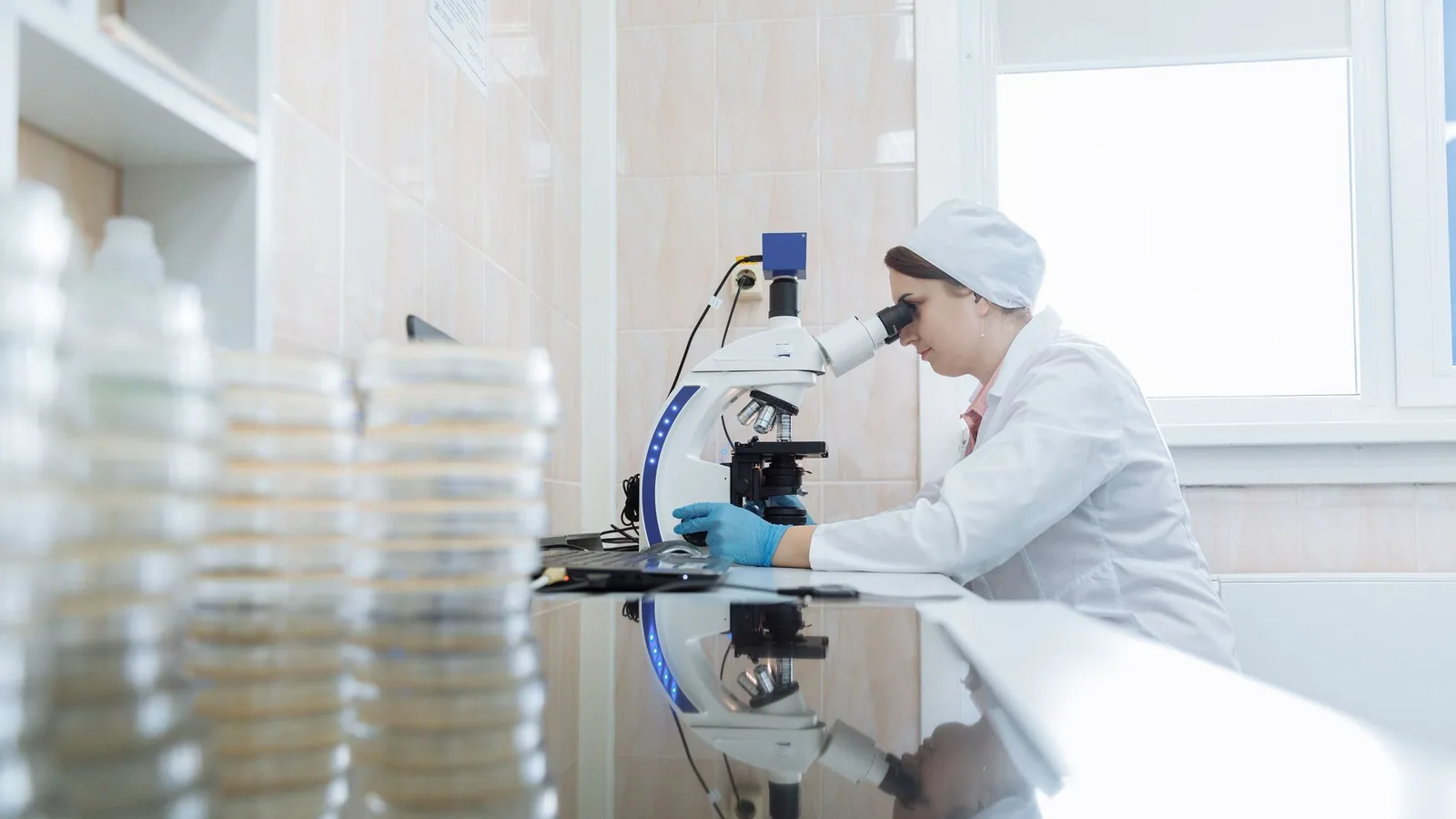
- Histology and pathology. Diagnosing disease often involves examining tissue samples under a microscope. Pathologists look for changes in tissue architecture: disorganized epithelium, excessive connective tissue, or abnormal cell shapes. A solid grasp of normal tissue biology is essential for recognizing disease.
A Practical Tip for Beginners
If you are new to tissue biology, start with histology slides. Look at images of each tissue type. Focus on the arrangement of cells and the amount of extracellular matrix. Notice how epithelial cells are always polarized (one side facing a space, the other attached to a basement membrane). Compare dense connective tissue (few cells, lots of fibers) with loose connective tissue (many cells, fewer fibers). This visual approach will make the concepts stick.
Tissue biology is a bridge between the microscopic world of cells and the macroscopic reality of organs and systems. It reveals how collaboration at the cellular level creates the complexity of life. Whether you are a student, a researcher, or simply curious about how your body works, mastering this definition opens the door to deeper understanding.
Written by Zubair Khalid, DVM, MS, PhD, a molecular biologist and computational researcher sharing practical insights in bioinformatics and biotechnology.