Can Dogs Sweat? How Dogs Cool Down Explained
By Dr. Zubair Khalid, DVM, MS, PhD ·
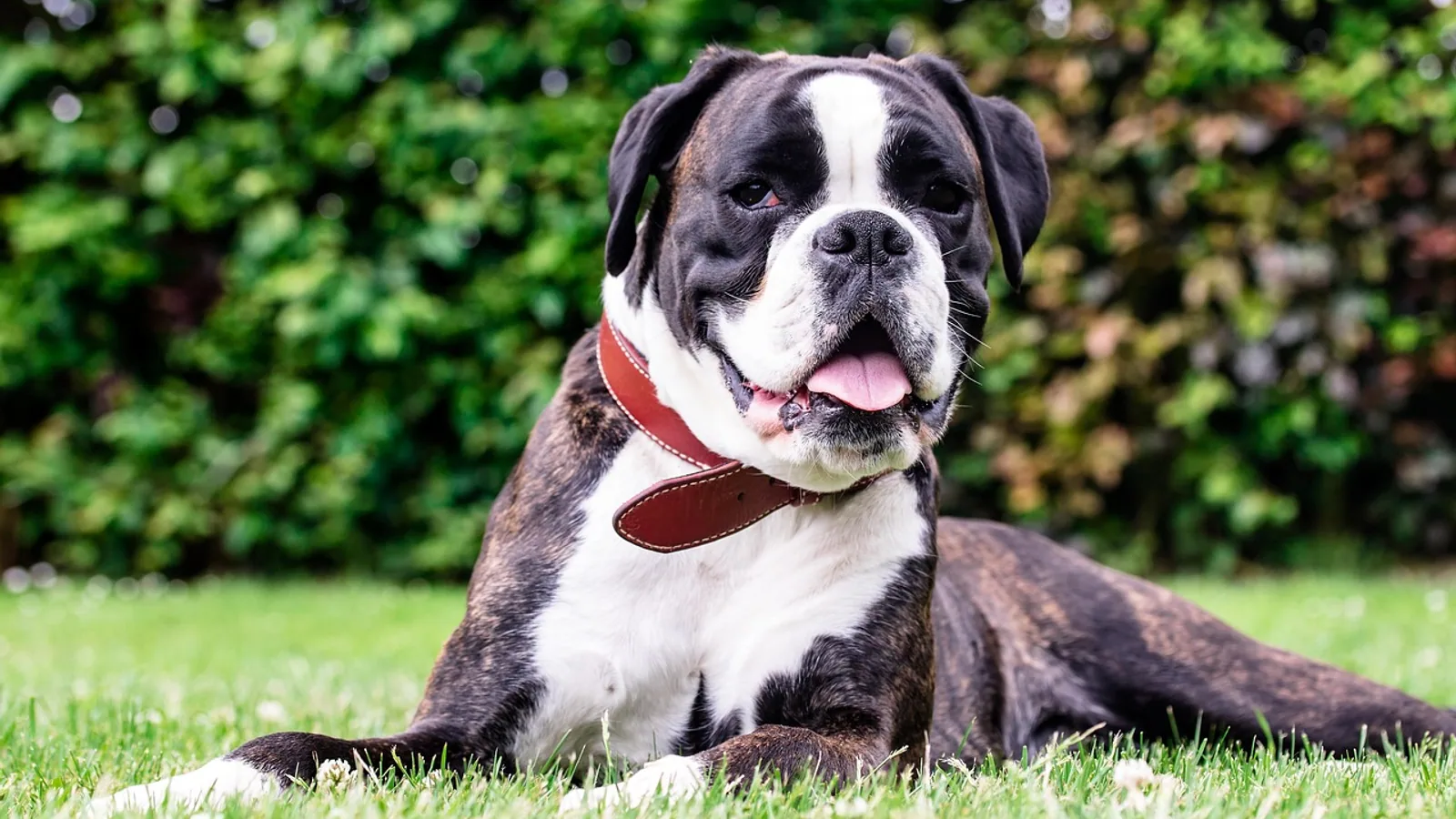
Yes, dogs can sweat, but only from their paw pads, and that sweat does very little to lower body temperature. The main cooling system in a dog is panting, which moves a large volume of air over moist surfaces in the nose, mouth and airways so that water evaporates and carries heat away.
This article is educational and is not a substitute for veterinary diagnosis or treatment.
The Short Answer: Where Dogs Sweat and Why It Barely Cools Them
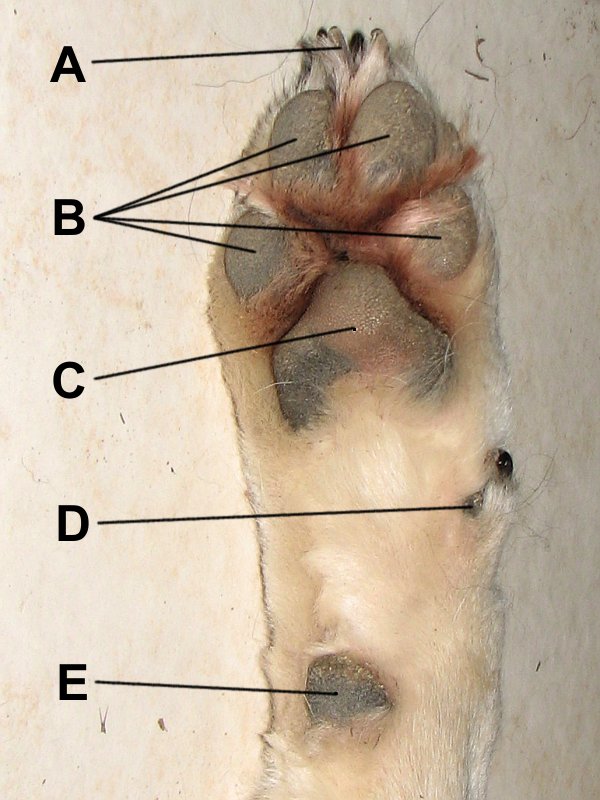

A dog's skin is covered in hair follicles and sebaceous glands, but it does not carry the dense field of sweat glands found in human skin. The sweat glands a dog does have are merocrine glands, and they are confined to the paw pads. Merocrine means the gland cell releases its watery product without losing part of itself in the process, which is the same basic secretory style used by the sweat glands of many mammals.
Because those glands sit only on the pads of the feet, the total surface area available for evaporative sweat loss is tiny compared with the dog's whole body. A dog standing in the sun on a hot day cannot dump heat through its skin the way a person can. If you have ever wondered "does dog sweat" or "can dog sweat," the honest answer is that sweating exists in dogs but is not a meaningful whole-body cooling route.
The paw pad sweat has two other jobs that matter more than thermoregulation. It keeps the pads slightly moist, which improves grip on smooth or hard surfaces, and it deposits scent. Dogs have scent glands in the same region, and the moisture helps carry those chemical signals into the environment, which is one reason dogs mark territory and leave scent trails with their feet.
What the Paw Pads Actually Do
The paw pads are thickened, keratinized skin that absorbs impact and insulates the foot from hot pavement and cold ground. The merocrine glands open onto the surface of these pads. In a study of a canine model of X-linked hypohidrotic ectodermal dysplasia, a condition in which eccrine glands fail to develop normally, researchers tracked "transfer of moisture through paw pads" as a marker of restored sweating ability after prenatal treatment [1]. That work confirms the paw pad as the anatomical site of functional sweating in dogs, and it also shows that when those glands fail to develop, the deficit is measurable at the paw.
For a dog, losing paw sweat is not a life-threatening cooling problem, because panting carries the thermal load. For a person, losing whole-body sweating is dangerous. That difference in anatomy explains why heat illness in dogs looks so different from heat illness in people.
How Panting Cools a Dog
Panting is rapid, shallow breathing that increases the volume of air moving across moist respiratory surfaces. Evaporation of water from those surfaces removes heat from the body, because turning liquid water into vapor requires energy, and that energy is drawn from the surrounding tissue.
The mechanics are impressive. In awake dogs under mild dry heat stress, respiratory rate rose from about 17 breaths per minute at rest to roughly 193 breaths per minute during panting, and minute ventilation increased about fourfold from 5.07 liters per minute [2]. Another study of conscious dogs under mild thermal stress recorded breathing frequencies around 313 breaths per minute with tidal volumes near 167 milliliters, giving total ventilation of about 52 liters per minute [3]. That is a lot of air moved for a relatively small animal, and it is the engine of canine cooling.
The Lateral Nasal Glands: A Built-In Water Source
Panting only works if the respiratory surfaces stay wet. Dogs have a specialized solution for that. Two lateral nasal glands sit in the nasal cavity and drain through single ducts that open about 2 centimeters inside the nostril [4]. As air temperature rose from 10 to 50 degrees Celsius, secretion from one gland increased from zero to an average of 9.6 grams per gland per hour [4]. Evaporation of fluid from the paired glands was estimated to account for 19 to 36 percent of the increase in respiratory evaporation during thermal panting [4].
The fluid these glands produce is hypoosmotic to plasma, meaning it is more dilute than blood [4]. That matters because the dog is losing water, not salt, and the body can replace dilute fluid more easily than it can replace a salty secretion. The duct opening sits deep enough inside the nostril that the nasal lining does not dry out and crack during long panting episodes [4].
Airflow Patterns: Nose In, Mouth Out
Dogs do not just breathe faster when they pant. They change the route the air takes. In a classic study of three dogs averaging 22 kilograms, researchers identified three patterns of airflow as the demand for evaporation increased [5]:
- Inhalation and exhalation both through the nose.
- Inhalation through the nose, exhalation through the nose and mouth.
- Inhalation and exhalation both through the nose and mouth.
Pattern 1 appeared in resting dogs when ambient temperature was below 26 degrees Celsius and during slow running in cold conditions. Patterns 2 and 3 appeared when dogs rested quietly above 30 degrees Celsius and during exercise, and the dogs oscillated between the two rather than holding one pattern for long [5]. The proportion of time spent in pattern 3 increased as temperature and speed increased [5].
An earlier study reached the same conclusion from a different angle: in dogs panting under a heat load, most of the respired air enters through the nose and leaves through the mouth, and this unidirectional flow over the nasal evaporative surfaces is a key way the dog regulates how much heat it dissipates [6]. The nose is the moist, richly supplied radiator. The mouth is the exhaust.
Blood Flow to the Tongue and Ears
Evaporation needs warm, wet tissue, and warm tissue needs blood flow. During panting, blood flow to the tongue rises sharply. In unanesthetized dogs at 20 degrees Celsius and 30 percent relative humidity, mean lingual blood flow was about 11 milliliters per minute, and the temperature difference between the lingual artery and vein was 1.0 degree Celsius, giving a heat loss of about 48.6 joules per minute even with the mouth closed [7]. When ambient temperature rose to 38 degrees Celsius and panting began, lingual blood flow climbed to a mean of 60.4 milliliters per minute, peaking at 74.7 milliliters per minute at a respiratory rate of 272 breaths per minute [7]. The arteriovenous temperature difference widened to 1.5 degrees Celsius, and heat loss rose to a mean of 400.7 joules per minute, reaching 496.2 joules per minute at peak respiratory rate [7].
The mechanism is vasodilation, the widening of blood vessels. Local vascular resistance in the tongue fell while systemic blood pressure stayed constant, so more blood reached the surface without the heart having to push harder [7]. The same pattern occurs in the nose. A study using radiolabeled microspheres found that lingual and nasal blood flow increased during panting, and this increase was not affected by whether the inspired air was warm and humid or warm and dry [8]. In other words, the body opens those vessels on purpose as part of a central thermoregulatory program, not merely because the tissue happens to be exposed to moving air.
The ears also participate. Thermal imaging of sled dogs before and after a 2-mile run showed the mouth, nose and eyes as consistent hot spots for heat dissipation, and ear temperature was consistently the highest temperature measured [9]. A rational thermophysiological model of military working dogs likewise incorporates active control of skin blood flow and of blood flow to the tongue and lingual tissues, alongside respiration, as the two main avenues of heat loss [10].
Why Panting Is Not Free: The Costs of Canine Cooling
Panting is effective, but it is metabolically expensive and it competes with other jobs.
First, panting changes blood chemistry. During panting at around 313 breaths per minute, arterial carbon dioxide tension fell to about 27.2 torr, well below the normal resting range, while arterial oxygen tension stayed near 106 torr [3]. The dog is blowing off carbon dioxide faster than the body produces it, which produces a respiratory alkalosis. The body buffers this, but it is one reason prolonged heavy panting is not a neutral event.
Second, panting interferes with scent work. A study of detection dogs searching for cheetah scat in northern Kenya noted that panting supports evaporative cooling but reduces the dog's ability to detect scents [11]. A working dog in a hot climate faces a direct trade-off between staying cool and doing its job.
Third, panting demands water. Dehydrated dogs pant less. When dogs were dehydrated by removing drinking water and then exposed to 40 to 41 degrees Celsius, they had lower respiratory frequency, higher body temperature, lower plasma volume and higher plasma osmolality than hydrated controls [12]. Restoring blood volume with an intravenous dextran infusion did not restore respiratory frequency or body temperature to hydrated levels, but giving the dogs water to drink produced a rapid increase in respiratory frequency within the first minute [12]. The act of drinking, not just the fluid itself, appears to signal the brain that water is coming.
Fourth, the brain monitors salt concentration directly. Infusing hypertonic saline into one carotid artery of dogs resting in a warm chamber produced a significant, reversible drop in respiratory frequency and a rise in body temperature, while isotonic saline into the same artery and hypertonic saline into a vein did neither [13]. Brain receptors sensitive to extracellular solute concentration can therefore suppress panting. This is part of why dehydrated animals in heat run hotter.
Fifth, panting has cardiovascular consequences. During exercise, bursts of panting in conscious dogs were associated with striking oscillations in mean arterial blood pressure, whereas during mild and severe heat stress the same panting produced much smaller blood pressure changes [14]. At comparable rectal temperatures, panting intensity was greater during exercise than during heat stress, though the frequency was lower [14]. Exercise and heat are not interchangeable stressors.
Cooling Methods Compared Across Species
| Species | Primary cooling method | Role of sweating | Secondary mechanisms | Key limitation |
|---|---|---|---|---|
| Human | Whole-body evaporative sweating | Dominant. Sweat glands cover most of the skin surface | Skin vasodilation, behavioral cooling | Sweating fails in high humidity and consumes water and salt |
| Dog | Panting over moist nasal, oral and airway surfaces | Minor. Merocrine sweat glands confined to paw pads | Vasodilation of tongue, nasal and ear vessels. Lateral nasal gland secretion. Behavioral cooling | Panting is unavailable when the airway is obstructed. Brachycephalic dogs overheat faster |
| Cat | Grooming plus panting | Minor. Sweat glands on paw pads | Saliva evaporation from groomed fur, behavioral cooling, seeking shade | Panting is less efficient and cats tolerate heat poorly compared with dogs |
The comparison makes the point that no single system is universal. Humans are the sweating specialists. Dogs are the panting specialists. Cats rely more on grooming and behavior, and they pant less readily.
Brachycephalic Breeds: When the Cooling System Is Built Wrong
Brachycephalic means short-headed, and it describes breeds with flattened faces and compressed nasal passages. The anatomy that makes panting work is exactly the anatomy these dogs lack.
A study of 21 brachycephalic and 15 normocephalic dogs measured rectal temperature during a standardized 10-minute treadmill run and a 10-minute recovery. Basal body temperatures did not differ between groups, but the rise during exercise did. At 5 minutes, brachycephalic dogs had risen 0.39 degrees Celsius versus 0.21 degrees Celsius in normocephalic dogs. At 10 minutes, the gap widened to 0.59 versus 0.25 degrees Celsius. At 15 minutes, 0.52 versus 0.21 degrees Celsius. At 20 minutes, 0.44 versus 0.15 degrees Celsius. The temperature increase correlated with both head shape and radiologically measured skull indices [15].
Notably, both groups cooled at the same rate during recovery [15]. The problem is not that brachycephalic dogs cannot dissipate heat once they stop. The problem is that they heat up faster while working, because the shortening of the nasal skull reduces the thermoregulatory surface area of the nasal conchae, the thin curled bones inside the nose that are normally covered in moist, blood-rich mucosa [15]. The authors propose this as an alternative pathway in the pathophysiology of brachycephalic upper airway syndrome: exertion and high environmental temperatures drive a sharp rise in body temperature, which the dog tries to compensate for with increased breathing, and the compromised airway cannot keep up [15].
For owners of pugs, French bulldogs, English bulldogs, Boston terriers and similar breeds, this is the practical takeaway. These dogs have a smaller radiator and a narrower exhaust. They overheat faster than other dogs doing the same work in the same conditions.
What Still Is Not Fully Understood
The broad picture of canine thermoregulation is well established, but several details remain active research questions.
The interaction between hydration status and panting is complex. Dehydration suppresses panting and raises body temperature, and restoring blood volume alone does not fix it [12]. The oropharyngeal signal from drinking triggers rapid recovery of panting [12], but the exact neural pathway is still being worked out.
Individual variation is substantial. In the detection dog study in Kenya, fecal consistency and mean body temperature differed significantly between individual dogs but not between the moderate and hot locations [11]. On the morning after fieldwork, dogs showed a significantly higher body temperature of 37.9 plus or minus 0.8 degrees Celsius compared with 37.5 plus or minus 2.2 degrees Celsius on resting days [11]. On the first day of fieldwork, body temperature in two dogs decreased after 10 minutes of rest, but on the second consecutive day the same 10-minute recovery period was too short and temperature did not decrease significantly [11]. Recovery time is not a fixed number.
Athletic dogs appear to have adaptations that are not fully characterized. Sled dogs achieve VO2 max values above 200 milliliters per kilogram per minute with mild training and up to 300 milliliters per kilogram per minute in highly trained animals, yet the literature describes body temperatures lower than those of nonathletic canines [9]. How they manage that thermal demand is an open question.
Clinical Relevance, Limitations and Common Mistakes
Heatstroke is the clinical endpoint of failed thermoregulation, and the anatomy in this article explains why it happens. A dog that cannot pant effectively, whether because of brachycephalic anatomy, laryngeal paralysis, collapsing trachea or heavy sedation, loses its main cooling route. A dog that cannot drink loses the water needed for evaporation. A dog left in a hot car faces rising ambient temperature with a cooling system that depends on a temperature gradient between its body and the air.
The most common mistakes owners make:
- Assuming a dog cools itself the way a person does. It does not. Whole-body sweating is not available.
- Leaving a dog in a parked car even briefly on a warm day. The interior heats faster than the dog can dump heat.
- Exercising a brachycephalic dog in the heat. The temperature rise is steeper and faster [15].
- Withholding water during activity. Dehydration suppresses panting and raises body temperature [12].
- Relying on shade alone during vigorous exercise. Panting generates heat too, and exercise panting differs from heat panting in intensity and cardiovascular effect [14].
- Mistaking paw sweat for meaningful cooling. Wet paw prints on a warm floor are normal and not a sign the dog is effectively cooling itself.
This article covers general physiology. Individual animals differ, and any dog showing signs of heat stress needs veterinary assessment.
Frequently Asked Questions
Do dogs sweat?
Dogs sweat only from merocrine glands on their paw pads. They do not have sweat glands across the body, so sweating contributes very little to cooling.
Can dog sweat glands cool the whole body?
No. The paw pads are a small fraction of the body surface, so the heat lost through paw sweat is minor compared with panting.
Does dog sweat have other functions besides cooling?
Yes. Paw pad moisture improves traction on smooth surfaces and helps distribute scent from glands in the foot region.
Does dogs sweat more in hot weather?
Paw sweating may increase somewhat with heat, but it remains a minor cooling route. The visible response to heat in dogs is panting, not sweating.
Why do dogs pant instead of sweating?
Panting moves large volumes of air over moist nasal, oral and airway surfaces, and dogs have specialized lateral nasal glands that supply water for that evaporation. The available skin surface for sweating is too small to do the job.
Do dogs sweat through their tongues?
No. The tongue does not contain sweat glands. It is a site of evaporative heat loss because blood flow to the tongue increases during panting and moisture evaporates from its surface.
Why do brachycephalic dogs overheat faster?
Their shortened nasal skull reduces the thermoregulatory surface area of the nasal conchae. They heat up faster during exercise while cooling at a normal rate afterward.
Can a dog overheat if it is sweating from its paws?
Yes. Paw sweating does not prevent heatstroke. Watch for heavy panting, thick drooling, wobbling, vomiting or collapse, and seek veterinary care immediately.
Related Articles
- Pull Down Assay
- Dog Heat Stroke: How to Tell If It's an Emergency and Cool Your Dog Safely
- Dog Heatstroke: How to Cool Your Dog Safely Before the Vet
- Dog Shaking Head Up And Down
- Dog Seizures Put Down
- Scale Up and Scale Down in Bioprocess: A Practical Guide
- Down Syndrome in Animals: What Science Says
Sources
- Prenatal Treatment of X-Linked Hypohidrotic Ectodermal Dysplasia using Recombinant Ectodysplasin in a Canine Model.
- Costal and crural diaphragm function during panting in awake canines.
- Pulmonary gas exchange in panting dogs: a model for high frequency ventilation.
- Thermal panting in dogs: the lateral nasal gland, a source of water for evaporative cooling.
- Panting in dogs: paths of air flow in response to heat and exercise.
- Panting in dogs: unidirectional air flow over evaporative surfaces.
- Lingual blood flow and its hypothalamic control in the dog during panting.
- Tracheobronchial and upper airway blood flow in dogs during thermally induced panting.
- Thermal relations in sled dogs before and after exercise.
- A canine thermal model for simulating temperature responses of military working dogs.
- Detection Dogs Working in Hot Climates: The Influence on Thermoregulation and Fecal Consistency.
- Thermal panting in dehydrated dogs: effects of plasma volume expansion and drinking.
- Inhibition of thermal panting by intracarotid infusion of hypertonic saline in dogs.
- Relationship between blood pressure alterations and bursts of panting in the conscious dog: a comparison of the effects of exercise and heat exposure.
- [[Thermoregulation as a factor in the pathophysiology of the brachycephalic upper airway syndrome in dogs].](https://pubmed.ncbi.nlm.nih.gov/41063656/)