Does a Cat Ultrasound Need Anesthesia? What to Expect
By Dr. Zubair Khalid, DVM, MS, PhD ·
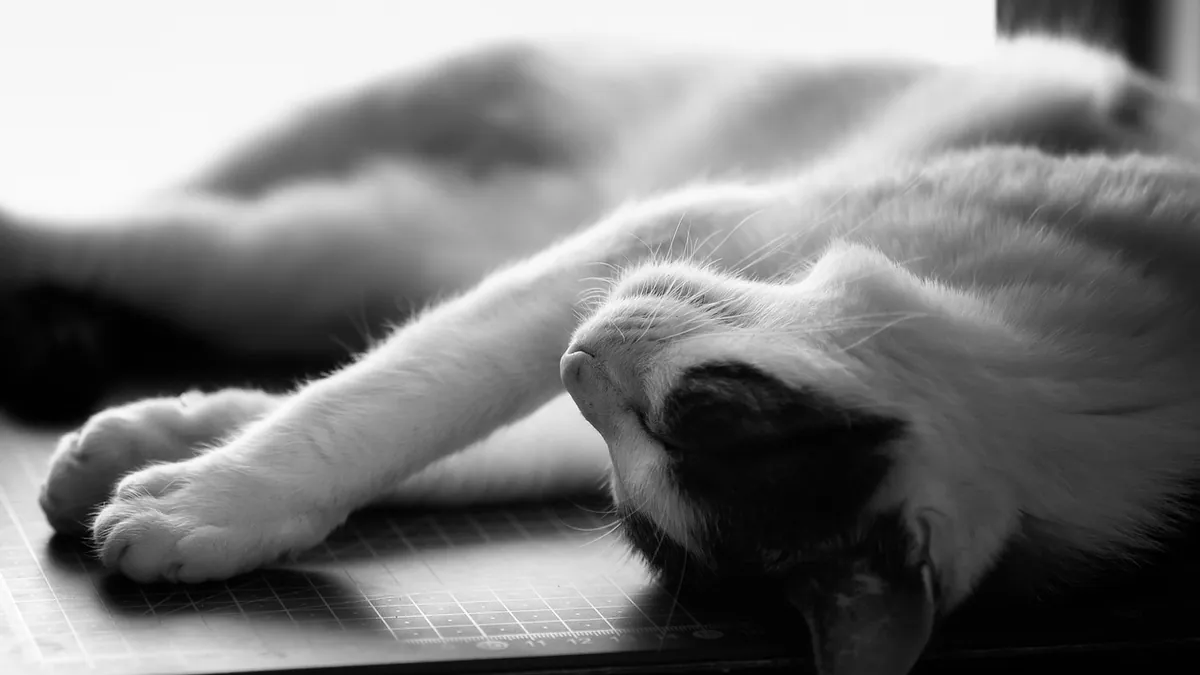
Most cats do not need anesthesia for an ultrasound. A routine cat ultrasound anesthesia plan is usually no anesthesia at all, just gentle handling and a quiet room. Sedation is reserved for specific situations, such as a painful abdomen, a very anxious cat, or a procedure that requires a needle guided by the ultrasound image.
This article is educational and is not a substitute for veterinary diagnosis or treatment.
Quick Answer
- A standard abdominal ultrasound in a calm cat is typically done awake, with the cat lying on its side or back on a padded table.
- Ultrasound itself is not painful. The probe glides over shaved skin with gel, and most cats tolerate it with light restraint.
- Sedation may be recommended if your cat is fearful, wiggly, or in pain, or if the veterinarian needs to place a needle into an organ or draw fluid.
- Full general anesthesia is uncommon for a simple scan and is usually reserved for surgical or biopsy procedures done at the same time.
- Feeding instructions vary. Some veterinarians ask for a fast of several hours before an abdominal scan, so always confirm with your clinic.
What a Cat Ultrasound Is and Why It Is Done
An ultrasound uses sound waves to create live pictures of the inside of your cat's body. It is painless and does not use radiation. The veterinarian or technician places a small handheld probe against your cat's skin after clipping a patch of fur and applying gel.
An abdominal ultrasound cat exam looks at organs such as the liver, kidneys, bladder, spleen, pancreas, and intestines. It can help find fluid, masses, stones, inflammation, and changes in organ texture. It is also used to check pregnancy and to look for problems in the uterus, and Doppler ultrasound can assess blood flow to organs and fetuses [1].
Ultrasound is also used in more specialized ways. It can confirm the position of a central venous catheter placed in a large vein, and in one study this method agreed closely with x-rays for checking catheter placement in cats and dogs [2]. It can help locate an undescended testicle in a cryptorchid cat, though small or deeply placed testes can be hard to tell apart from nearby lymph nodes on standard imaging [3]. Ultrasound guidance is also used to deliver nerve blocks for pain control, such as an abdominal wall block in a cat with severe pancreatitis pain [4].
For a broader look at what these scans show, see Abdominal Ultrasound in Cats: Normal Findings and Common Abnormalities.
Do Cats Need Sedation for Ultrasound?
Often, no. Many cats lie still enough for a complete scan with a towel roll for support and a calm, quiet room. The scan itself does not hurt, so pain is not a reason for sedation in a comfortable cat.
Sedation becomes more likely in a few situations:
- Your cat is fractious, panicked, or will not stay still, which makes the images blurry and the exam longer.
- Your cat is in real abdominal pain. A sore belly can make even gentle pressure uncomfortable, and a mild sedative can calm the cat before any further handling [5].
- The veterinarian plans to pass a needle through the skin into an organ, collect fluid, or take a tissue sample. These are brief but require absolute stillness.
- The cat has trouble breathing or is stressed by restraint. In those cases, your veterinarian will weigh the risks of sedation carefully.
If sedation is used, it is usually light. Local anesthetics such as lidocaine and bupivacaine can block pain from a specific area, and they are often paired with a mild sedative so the cat stays calm during the injection [5]. For deeper pain control, veterinarians sometimes combine drugs. In one report, a cat with severe pancreatitis pain received three small under-the-skin doses of ketamine alongside an ultrasound-guided abdominal nerve block, and the combination improved the cat's response to treatment and shortened the hospital stay [4]. Doses like these are always calculated by your veterinarian based on your cat's weight and health, never at home.
General anesthesia is a different level of care. It is used when a procedure is long, when the cat must be completely motionless, or when surgery is planned. Anesthetic drugs can be given by injection under the skin, into a vein, or by inhalation, and the choice depends on the procedure and the source of pain [5]. For a plain scan, this level of anesthesia is rarely needed.
How to Prepare Your Cat for an Ultrasound
Preparation is simple, but a few steps make the visit smoother.
Fasting and food
Many clinics ask you to withhold food for several hours before an abdominal ultrasound. A full stomach and gas can block the view of the pancreas and other organs. Water is often allowed. Ask your clinic for the exact timing, because it varies with the reason for the scan.
Medications and records
Tell the veterinarian about every medication, supplement, and recent illness. Bring any prior imaging or lab results. If your cat takes a drug that affects bleeding, the veterinarian needs to know before any needle procedure.
Carrier and comfort
Bring your cat in a secure carrier with a familiar blanket. A towel that smells like home can help. If your cat gets carsick or panics, ask whether a mild pre-visit calming plan is appropriate.
Ask about sedation ahead of time
If your cat has a history of biting, scratching, or extreme fear at the vet, say so when you book the appointment. That way the team can plan for sedation and you will not be surprised by a change in cost or timing.
What Happens During the Procedure
Most visits follow a similar pattern.
- Your cat is weighed and examined.
- A small patch of fur on the belly or side is clipped. The fur grows back.
- Gel is applied, and the probe is moved slowly over the skin.
- The veterinarian watches the screen in real time and may hold still to measure an organ or capture an image.
- If a sample is needed, the skin is cleaned and a thin needle is guided by the image.
A routine scan often takes 15 to 30 minutes, though it can run longer if many organs need a close look or if samples are taken. Most cats stay awake and are held gently in place. Some clinics let you stay in the room, and others prefer you wait outside so your cat stays calm.
If your cat is sedated, expect a quiet, relaxed cat during the scan and a sleepy cat for a few hours afterward. If a local anesthetic is used for a specific area, the cat may be given a mild sedative first to keep it comfortable during the injection [5].
If your cat is having trouble breathing or is breathing fast, that changes the plan. Read more about these signs in Cat Difficulty Breathing: Emergency Signs and What to Do and Cat Breathing Fast: Emergency or Normal?.
Recovery Timeline and Home Care
| Time after the visit | What you may see | What to do |
|---|---|---|
| First 30 to 60 minutes | Sleepy, wobbly, or quiet if sedated | Keep your cat in a quiet, warm room away from stairs and other pets |
| 2 to 6 hours | Gradual return to normal behavior | Offer a small amount of water, then a small meal if your cat is fully awake |
| 6 to 24 hours | Most cats are back to normal | Watch the shaved area for redness or irritation |
| 24 to 48 hours | Full appetite and energy expected | Call the clinic if your cat is still dull, not eating, or vomiting |
| 3 to 7 days | Fur begins to grow back | No special care needed for the shaved patch |
If a needle sample was taken, your cat may have a small shaved spot and mild soreness. Keep your cat indoors and discourage rough play for the rest of the day. Follow any specific instructions your veterinarian gives you about activity or feeding.
Possible Complications and Warning Signs
Ultrasound is one of the safer diagnostic tests. Serious problems are uncommon. The main risks come from sedation or anesthesia, from the stress of handling, or from a needle procedure.
Sedation and anesthesia carry some risk in any cat, especially those with heart, lung, or kidney disease. Your veterinarian will assess your cat before giving any drug [5]. If you want to understand what can go wrong and how it is managed, see Anesthetic Complications in Cats: Recognition and Salvage.
Call your veterinarian the same day if you notice:
- Heavy sedation that lasts longer than expected
- Vomiting more than once
- Refusing food for more than 24 hours
- Pain or swelling at a needle site
- Trouble urinating or no urine for many hours
Get emergency care right away if you see:
- Labored breathing, open-mouth breathing, or blue gums
- Collapse or inability to stand
- A swollen, firm, or painful belly that is getting worse
- Bleeding that will not stop
Questions to Ask Your Veterinarian
Before the appointment, it helps to have a short list ready.
- Will my cat need sedation or anesthesia for this scan, and why?
- Should I withhold food, and for how long?
- Will you shave fur, and how large an area?
- Will you take any samples during the scan?
- What is the total cost, including sedation if it is needed?
- When will I get results, and who will explain them to me?
If cost is a concern, ask for an estimate in writing. For a general idea of what these scans cost and how they work, see What Is a Vet Ultrasound? Cost and What to Expect for Your Pet.
Limitations and When to Contact a Veterinarian
Ultrasound gives real-time pictures, but it cannot see everything. Gas in the intestines, a very deep organ, or a small mass can hide from the probe. Sometimes the scan is normal and the problem is found another way. Sometimes the scan shows a change that needs a sample or surgery to understand.
Contact your veterinarian the same day if your cat is sedated and slow to wake, vomits repeatedly, or refuses food after the visit. Go to an emergency clinic now if your cat has trouble breathing, collapses, has a rapidly swelling belly, or will not stop bleeding. Schedule a routine visit if your cat has ongoing vomiting, weight loss, poor appetite, or changes in drinking and urination, even if a previous scan was normal.
Every cat is different. Your veterinarian will decide whether sedation is safe and appropriate for your cat based on its age, health, temperament, and the reason for the scan.
Frequently Asked Questions
Is ultrasound painful for cats?
No, a standard ultrasound is not painful. The probe glides over the skin with gel, and the main discomfort is usually just being held still. If your cat has a sore belly or a needle sample is planned, the veterinarian may use sedation or a local anesthetic to keep your cat comfortable [5].
Can I stay in the room during my cat's ultrasound?
Many clinics allow it, and some prefer that you wait outside so your cat stays calm. Ask when you schedule the visit. If your cat is very attached to you, your presence may help, but if your cat gets more anxious around you, waiting outside is often easier on everyone.
How long does a cat ultrasound take?
A routine scan often takes 15 to 30 minutes. It can take longer if the veterinarian needs to examine many organs closely or take samples. Sedation adds time for the drug to take effect and for your cat to wake up afterward.
Will my cat need to be shaved?
Yes, usually a small patch of fur on the belly or side is clipped. Fur blocks the sound waves, so the probe needs direct skin contact. The fur grows back over a few weeks, and the shaved area is not painful.
What if my cat is too stressed for the scan without sedation?
Tell your veterinarian about your cat's fear or aggression when you book the appointment. The team can plan for light sedation, a quiet room, or a low-stress handling approach. Trying to force a panicked cat through a scan is harder on the cat and often produces poor images.
Related Articles
- Abdominal Ultrasound in Cats: Normal Findings and Common Abnormalities
- Cat Difficulty Breathing: Emergency Signs and What to Do
- Cat Breathing Fast: Emergency or Normal?
- Anesthetic Complications in Cats: Recognition and Salvage
- What Is a Vet Ultrasound? Cost and What to Expect for Your Pet
- Feline Anesthesia: Unique Considerations and Protocol Adjustments
- Cat Anesthesia Recovery: What's Normal and When to Worry
- Cat Sedation Side Effects: What's Normal and Not
- Cat Anesthesia Risk: Safety, Side Effects, and Age
References
- Doppler Ultrasonography for Assessing Uterine Viability and Fetal Vitality in Uterine Torsion in a Domestic Cat (Felis catus): A Case Report. Animals : an open access journal from MDPI, 2026.
- Point-of-care ultrasonography for verification of central venous catheter placement in cats and dogs. Frontiers in veterinary science, 2026.
- Shear wave elastography for the identification of intra-abdominal testes in cryptorchid cats. Theriogenology, 2026.
- Sub-anesthetic doses of ketamine associated with TAP block in a cat with acute abdominal pain. Topics in companion animal medicine, 2026.
- Anesthesia. Cornell University College of Veterinary Medicine.