Do Cats Need to Fast for Bloodwork?
By Dr. Zubair Khalid, DVM, MS, PhD ·
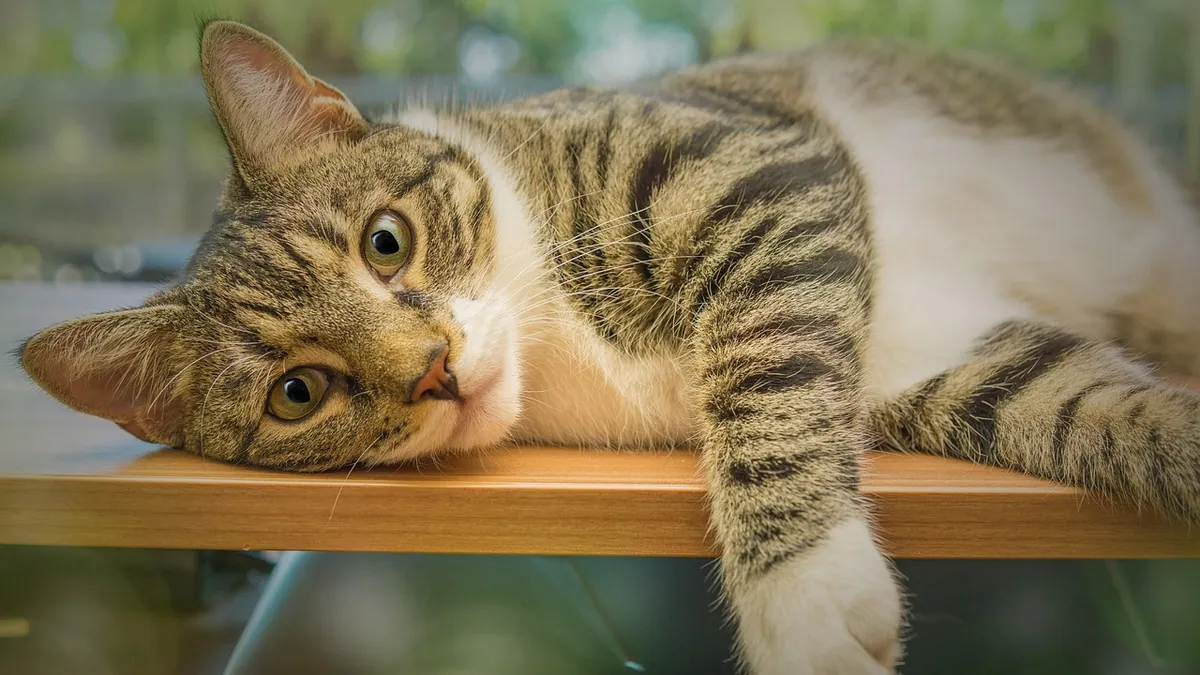
Most cats do not need to fast for routine bloodwork. Fasting only matters for a small number of tests, and your veterinarian will tell you if your cat's cat bloodwork fasting plan needs to change. For most wellness panels, your cat can eat normally right up until the appointment.
This article is educational and is not a substitute for veterinary diagnosis or treatment.
Quick Answer
- Routine bloodwork (complete blood count and most chemistry panels) does not require fasting in cats.
- Fasting is usually requested only when the veterinarian specifically needs a fasting glucose or a triglyceride (fat) level.
- If fasting is needed, the typical instruction is to withhold food for about 8 to 12 hours, but your veterinarian sets the exact window for your cat.
- Water should stay available unless your vet says otherwise. Never withhold water without direct instructions.
- If you forget and your cat eats, call the clinic. Do not skip the appointment. Many tests can still be run, and the vet can decide whether to reschedule.
What Is Cat Bloodwork and Why Is It Done?
Bloodwork is a set of lab tests run on a small sample of your cat's blood. It usually includes a complete blood count (which looks at red cells, white cells, and platelets) and a serum biochemistry panel (which checks organ values like kidney and liver numbers, electrolytes, and blood sugar).
Vets use bloodwork for several reasons. It is part of routine wellness care, it helps screen for early signs of chronic illness in older cats, and it helps monitor a cat that is already sick or on medication. Routine health care for cats includes regular veterinary visits, and for senior cats (over 8 to 9 years old) your vet may suggest regular blood tests to catch early signs of chronic illness [1].
Bloodwork is also common before procedures like dental cleanings or surgery, and before starting certain long-term medications. If your cat is being evaluated before a steroid medication, for example, the vet may want a baseline panel first. You can read more about that process in What to Expect When Your Cat Needs a Blood Test Before Starting Steroids.
Which Blood Tests Are Affected by Food?
This is the part owners ask about most. Here is the short version.
Tests that usually do not need fasting
A complete blood count is not affected by a recent meal. Most of the standard chemistry values (kidney values, liver enzymes, electrolytes, most proteins) are also not meaningfully changed by eating in cats.
Tests that can be affected by food
Blood glucose. This is the big one. Blood sugar rises after a meal, so a fed cat can have a glucose reading that looks high even when the cat is healthy. If your vet is screening for diabetes, they often want a fasting sample. In cats, fasting blood glucose is the standard measurement used when evaluating glycemic control, and studies of diabetic cats track fasting glucose levels specifically [2].
Triglycerides and other blood fats. Fat levels in the blood rise after a meal, sometimes dramatically. A fed sample can look abnormal when the cat is fine. Body condition and weight status also influence blood chemistry values in cats, including triglycerides, so your vet may factor in your cat's body condition score when interpreting results [3].
Some specialized tests. Certain research and specialty assays have their own handling rules. Sample tube type, how the sample is spun down, and how long it sits before processing can all change results for some markers [4]. If your cat is having an unusual test, follow the clinic's specific instructions.
The practical rule
If the appointment is a general wellness check or a sick visit, assume no fasting is needed unless you were told otherwise. If the appointment is specifically to check glucose or triglycerides, expect a fasting request.
How Do I Prepare My Cat for Fasting Bloodwork?
If your veterinarian asks you to fast your cat, here is how to do it without a miserable night for either of you.
Confirm the fasting window
Ask two questions when you book: How many hours, and does water count? Most fasting instructions for cats are in the range of 8 to 12 hours. Your veterinarian will set the exact number based on which tests are being run and your cat's health. Cats with diabetes, kittens, and cats on certain medications may get different instructions.
Pick the right overnight window
The easiest approach is to feed your cat its normal evening meal, then pick up the food bowl at the time your vet specified. Overnight fasting fits a cat's natural pattern better than skipping breakfast and waiting until afternoon.
Keep water available
Unless your vet tells you otherwise, leave fresh water out. Cats are prone to dehydration, and withholding water is rarely necessary for routine bloodwork.
Manage multi-cat households
This is the hardest part. If you have more than one cat, separate them for the fasting period, or feed the fasting cat in a closed room. A cat that steals a few bites of another cat's food is no longer fasting.
Do not fast a cat "just in case"
Skipping meals is not harmless for cats. Cats that go without food for extended periods can develop serious liver problems, which is one reason vets keep fasting windows short and specific. Do not fast your cat for longer than your vet instructed.
If your cat eats by accident
Call the clinic before the appointment. Tell them what and when your cat ate. They may still run the panel and note the fasting status, or they may reschedule the glucose or triglyceride portion.
What Happens During the Blood Draw?
Most feline blood samples are drawn from a vein in the neck (the jugular) or from a leg vein. The fur over the site is usually clipped or parted, and the skin is cleaned.
Many cats do fine with minimal restraint. Others need a towel wrap or a second pair of hands. Some clinics use a small amount of sedation for very stressed cats, but this is decided case by case.
The draw itself takes under a minute in most cases. The sample goes into one or more tubes depending on which tests are ordered. Some tests need specific tube types and processing timelines to give reliable results [4].
After the draw, pressure is held on the site for a short time to prevent bruising. Then you are usually free to go, and results come back the same day or within a few days depending on which tests were run and whether any were sent to an outside lab.
If your cat gets very stressed at the vet, tell the clinic ahead of time. There are things they can do to make the visit easier.
Recovery Timeline and Home Care
Blood draws are minor procedures. Most cats act completely normal within minutes.
| Time after the draw | What to expect | What to do |
|---|---|---|
| First 5 to 10 minutes | Small amount of pressure at the draw site | Keep your cat calm, let clinic staff finish holding pressure |
| First hour | Cat may be slightly annoyed or sleepy if sedated | Offer water, let your cat rest, keep other pets away from the site |
| 1 to 6 hours | Normal behavior in most cats | Feed normally if no fasting was required, watch the site |
| 6 to 24 hours | Possible small bruise or shaved patch | Check the site once or twice, call if swelling grows |
| 1 to 3 days | Results usually available | Follow up with your vet on any abnormal values |
If your cat was fasted, feed a normal meal as soon as you get home unless your vet says otherwise. Do not overfeed to "make up" for the missed meal.
Possible Complications and Warning Signs
Serious problems after a routine blood draw are uncommon, but they can happen.
Watch for:
- Bleeding that does not stop after a few minutes of pressure
- A swelling at the draw site that grows or feels hot
- Bruising that spreads well beyond the draw site
- Limping if the sample came from a leg vein
- Weakness, collapse, or trouble breathing
- Signs of a reaction to sedation, if sedation was used
Some of these signs point to problems that need care right away. If your cat is breathing fast or struggling to breathe after a vet visit, treat it as urgent. See Cat Breathing Fast: Emergency or Normal? for guidance on what counts as an emergency.
Blood in urine or stool after a vet visit is usually unrelated to the blood draw, but it still needs attention. Cat Peeing Blood: What Should You Do? covers the common causes and next steps.
Questions to Ask the Veterinarian
Bring these to your appointment or call ahead.
- Does my cat need to fast for these specific tests, yes or no?
- If yes, how many hours, and can my cat have water?
- What time should I pick up the food bowl?
- What should I do if my cat eats by accident?
- Which tests are being run, and what will they tell us?
- When should I expect results, and who will call me?
- If a value comes back abnormal, what is the next step?
- Does my cat need to repeat this bloodwork, and if so, when?
Write the answers down. Fasting instructions are easy to mix up, especially in a multi-cat home.
Limitations and When to Contact a Veterinarian
Fasting rules are not one-size-fits-all. A young kitten, a diabetic cat, a cat with kidney disease, and a healthy adult cat may all get different instructions. Your veterinarian sets the plan for your cat based on its health and the tests being ordered.
Call the clinic the same day if:
- Your cat ate during the fasting window and you are unsure whether to come in
- Your cat vomited during the fasting period
- Your cat seems weak, wobbly, or unusually quiet after fasting
- The draw site is swollen, bleeding, or painful
Go to an emergency clinic now if:
- Your cat is having trouble breathing
- Your cat collapses or cannot stand
- Bleeding from the draw site will not stop
- Your cat has a seizure or sudden severe weakness
For routine questions about fasting windows, test results, or scheduling, call during normal business hours. For anything that looks like an emergency, do not wait for a callback.
Frequently Asked Questions
Do cats really need to fast before bloodwork?
Usually no. Routine panels like a complete blood count and most chemistry values are not affected by a recent meal. Fasting is typically requested only for specific tests such as glucose or triglycerides, and your veterinarian will tell you if your cat's panel includes those.
What happens if my cat eats before a fasting blood test?
Call the clinic and tell them what your cat ate and when. They may still run the panel and note that the sample was not fasting, or they may reschedule the affected tests. Do not skip the appointment without talking to them first.
Can my cat drink water while fasting?
Yes, in most cases. Water does not interfere with the tests that require fasting, and keeping water available helps prevent dehydration. Only withhold water if your veterinarian specifically tells you to.
How long can a cat safely go without food?
That depends on the cat's age, health, and medications, and your veterinarian sets the limit. Fasting windows for bloodwork are kept short for a reason, because cats can develop serious liver problems when they go without food for extended periods. Never fast your cat longer than instructed.
Will fasting change my cat's behavior at the vet?
It can. Hungry cats are often more vocal and more focused on food, which can make the visit harder for everyone. If your cat gets stressed at the vet, mention it when you book so the staff can plan for a smoother visit.
Related Articles
- What to Expect When Your Cat Needs a Blood Test Before Starting Steroids
- Cat Breathing Fast: Emergency or Normal?
- Cat Diarrhea with Blood: Urgency and Next Steps
- Cat Peeing Blood: What Should You Do?
- Cat Blood in Urine: Causes and When to Rush to the Vet
- Cat Vomiting Blood: What to Do Right Now
- High ALP in Cats: What the Blood Test Means
- Low or High MCHC in Cats: Bloodwork Explained
- Anemia in Cats: Symptoms, Causes, and Blood Work Findings
- Blood Gas Analysis and Acid-Base Interpretation in Veterinary Patients
References
- Routine Health Care of Cats - Cat Owners. Merck Veterinary Manual.
- Glucose-Lowering Effects and Safety of Bifidobacterium longum CKD1 in Diabetic Dogs and Cats. Microorganisms, 2025.
- Association of obesity-related blood chemistry alterations with animal welfare outcomes in sterilized cats: A case-control study in Indonesia. Veterinary world, 2026.
- Evaluation of plasma nucleosome concentrations and the effect of pre-analytical variables in healthy cats. BMC veterinary research, 2025.