Is Wisteria Toxic to Cats? Vines, Bonsai and Pollen
By Dr. Zubair Khalid, DVM, MS, PhD ·
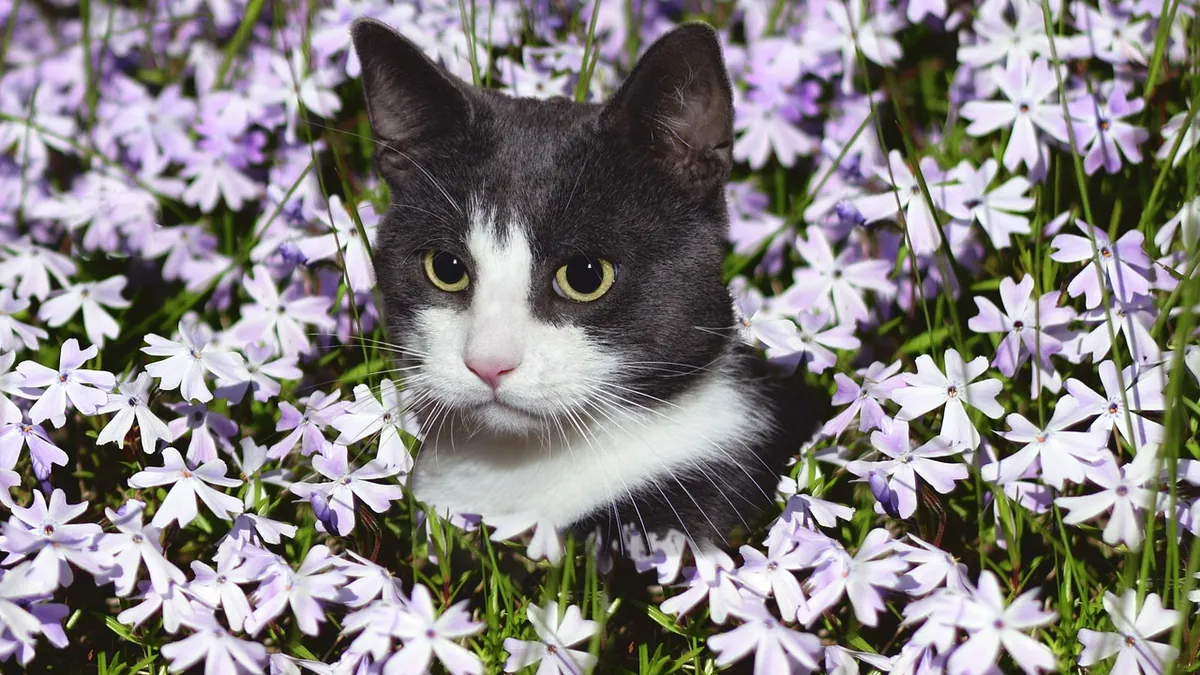
Is wisteria toxic to cats? Yes. Wisteria is listed as toxic to cats, and the seeds and seed pods carry the highest risk because they contain the highest concentration of the plant's toxic compounds [1]. Most cats who chew a leaf or bat at a blossom have mild or no signs, but a cat who eats seeds or pods can become seriously ill.
This article is educational and is not a substitute for veterinary diagnosis or treatment.
Quick Answer
- Wisteria (Wisteria spp.) is toxic to cats, dogs, and horses, with lectin and wisterin glycoside named as the toxic principles [1].
- The seeds and pods are the most dangerous parts. Vines, leaves, and flowers contain less of the toxin but are still not safe to chew.
- Common signs include vomiting (sometimes with blood), diarrhea, and depression [1].
- Call your veterinarian, the ASPCA Animal Poison Control Center at (888) 426-4435, or Pet Poison Helpline at (855) 764-7661 right away if your cat ate seeds or pods.
- Do not make your cat vomit unless a veterinarian tells you to.
Is Wisteria Toxic to Cats?
Yes. The ASPCA Animal Poison Control Center lists Wisteria spp. as toxic to cats, along with dogs and horses [1]. The plant belongs to the Fabaceae family, the legume or pea family, which is one reason the seeds and pods matter so much. Legume seeds are built to survive being eaten and passed, so they hold concentrated defensive compounds.
Wisteria is a popular ornamental vine in many parts of the United States. It climbs pergolas, arbors, fences, and porch railings. Some people grow it as a bonsai. Others plant "wisteria trees," which are really wisteria vines trained onto a trunk. All of these forms come from the same plant genus and all carry the same toxic principle [1].
Which Parts of the Wisteria Plant Are Toxic?
The seeds and pods are the parts that cause the most serious poisonings. They contain the highest levels of lectin and wisterin glycoside [1]. A cat who crunches a fallen pod or eats seeds off the ground is at real risk.
Leaves, stems, vines, and flowers contain the same compounds at lower levels [1]. Chewing on a vine or nibbling a blossom is unlikely to cause severe poisoning, but it can still cause stomach upset. Treat any part of the plant as off limits.
Is Wisteria Bonsai Toxic to Cats?
Yes. A wisteria bonsai is the same species as a full size vine, just pruned and trained into a small form. It carries the same lectin and wisterin glycoside [1].
Bonsai wisteria is a special concern because it lives indoors, often on a low table or windowsill where a cat can reach it. Indoor plant poisoning is a recognized threat to companion animals, partly because pets spend so much time in the home sharing the same space as the plants [2]. A bonsai also drops small pods and seeds into the pot or onto the floor, right where a cat can find them. If you keep a wisteria bonsai, put it where your cat cannot reach it, and sweep up fallen pods and seeds immediately.
Is American Wisteria Toxic to Cats?
Yes. American wisteria (Wisteria frutescens) is a species within the same genus, and the ASPCA listing covers Wisteria spp. as a group [1]. American wisteria is often described as a better behaved garden plant than its Asian cousins because it blooms later and grows less aggressively. That does not make it safe for cats. The toxic principle is the same across the genus [1].
Is Japanese Wisteria Toxic to Cats?
Yes. Japanese wisteria (Wisteria floribunda) is toxic to cats, just like other wisteria species [1]. Japanese wisteria is one of the most common types grown in American gardens, known for long cascading flower clusters. It also produces abundant seed pods. Those pods are the part most likely to sicken a cat [1].
Chinese wisteria (Wisteria sinensis) falls under the same listing. If you are not sure which type you have, assume it is toxic.
Is Wisteria Pollen Toxic to Cats?
Wisteria pollen is not the main hazard. The toxic compounds are concentrated in the seeds and pods, not the pollen [1]. A cat who walks through fallen blossoms and then grooms pollen off her coat is very unlikely to get sick from the pollen itself.
The bigger risk in spring is what comes with the flowers. Bees and cats both visit blooming wisteria, and a cat who snaps at a bee can end up with a sting. Also, a cat rolling under a blooming vine may end up near fallen pods and seeds. Keep an eye on what your cat is actually putting in her mouth, not just the pollen on her fur.
Is a Wisteria Tree Toxic to Cats?
Yes. A wisteria tree is a wisteria vine grown on a support and pruned into a tree shape. It is the same plant with the same toxins [1]. The tree form may actually drop more pods at cat height than a vine trained high on a pergola, so watch the ground under it.
What About Water Wisteria?
Water wisteria is not wisteria at all. It is an aquarium plant from a different genus, sold for fish tanks. It is not the same plant as the garden vine described in the ASPCA listing [1]. If your cat drinks from the fish tank or nibbles a stem pulled loose from the filter, that is a different situation. Remove the plant from your cat's reach and call your veterinarian if your cat seems unwell.
For a broader look at plants that can harm cats indoors and out, see Plants Toxic To Cats and House Plants Toxic To Cat.
What Makes Wisteria Poisonous to Cats?
The ASPCA names two toxic principles in wisteria: lectin and wisterin glycoside [1].
Lectins are proteins that bind to sugar molecules on cell surfaces. When a cat eats a large amount of a lectin rich plant, the lectin can irritate the lining of the digestive tract and trigger vomiting and diarrhea. Some lectins also interfere with how cells function when they are absorbed.
Wisterin glycoside is the compound long associated with wisteria poisoning. It acts as a local irritant in the gut and is linked to the vomiting, sometimes bloody, that veterinarians see in wisteria cases [1].
The practical takeaway is simple. The more plant material a cat eats, and the more concentrated the toxin in that material, the worse the signs tend to be. Seeds and pods are the concentrated form [1].
Signs of Wisteria Poisoning in Cats
The ASPCA lists three main clinical signs of wisteria toxicity: vomiting (sometimes with blood), diarrhea, and depression [1].
Vomiting may start within a few hours of eating the plant. Blood in the vomit is a sign that the stomach lining is irritated enough to bleed, and it means your cat needs veterinary care promptly.
Diarrhea often follows. It can be mild or severe, and repeated bouts can lead to dehydration, especially in a small cat.
Depression in a cat looks like lethargy, hiding, refusing food, or not greeting you at the door the way she normally does. A cat who is quiet and off her food after chewing a plant is a cat who needs a phone call to the veterinarian.
How Soon Do Signs Appear?
Signs usually show up within a few hours of ingestion. If your cat ate wisteria seeds or pods and is still completely normal 12 hours later, the risk of serious poisoning is lower, but keep watching for a full day. If you saw your cat eat the plant, call for advice right away instead of waiting for signs to start.
What to Do Right Now If Your Cat Ate Wisteria
Stay calm and act in this order.
- Move your cat away from the plant. Pick up any pods, seeds, or chewed plant material so she cannot eat more.
- Call your veterinarian, the ASPCA Animal Poison Control Center at (888) 426-4435, or Pet Poison Helpline at (855) 764-7661. Have your cat's weight, age, and any health conditions ready, plus what part of the plant she ate and roughly how much.
- Do not induce vomiting unless a veterinarian tells you to. Making a cat vomit at home can cause aspiration, where vomit goes into the lungs, and it can be dangerous if the cat is already depressed or having trouble breathing.
- Do not give human medications, milk, oil, or home remedies. They can make things worse or hide signs your veterinarian needs to see.
- Save a sample of the plant if you can. A leaf, a pod, or a photo helps your veterinarian or the poison control team confirm what your cat ate.
If your cat is vomiting repeatedly, has blood in her vomit or stool, is limp, or is breathing fast, treat it as an emergency and go to the nearest veterinary hospital now.
How Veterinarians Treat Wisteria Poisoning in Cats
There is no antidote for wisteria poisoning. Treatment is supportive and aimed at the signs your cat is showing.
Your veterinarian will start with a physical exam and a history. If your cat ate the plant recently, the team may decontaminate by inducing vomiting in a controlled way or by giving activated charcoal, but only when it is safe to do so. Never try either at home.
Most cats with vomiting and diarrhea need fluids. Intravenous or under the skin fluids correct dehydration and help the body clear the toxin. Anti nausea medication may be given to stop the vomiting. A systematic review and meta analysis of antiemetic strategies in cats found that maropitant reduced the risk of vomiting compared with control, with emesis occurring in 11 of 141 cats given maropitant versus 70 of 152 controls [3]. Your veterinarian will choose a drug and calculate the dose based on your cat's weight and health.
If vomiting is severe or bloody, your cat may need stomach protectants, pain relief, and a bland diet once she can keep food down. Blood work may be checked to look for dehydration, electrolyte problems, and organ changes. Cats who are very ill may need to stay in the hospital for monitoring.
Outlook After Wisteria Poisoning
Most cats who chew a leaf or flower and develop mild stomach upset recover well with supportive care. Cats who eat a large number of seeds or pods are the ones at risk for severe, bloody vomiting and dehydration, and those cats need prompt treatment.
The earlier treatment starts, the better the outlook. If you are unsure whether your cat ate enough to matter, call poison control. A phone call is far cheaper and safer than waiting to see what happens.
Preventing Wisteria Poisoning in Your Cat
Prevention is mostly about access and cleanup.
- Keep wisteria out of reach. If you have a wisteria bonsai or a potted vine, move it to a room your cat cannot enter, or hang it well above jumping height.
- Sweep up pods and seeds. Fallen pods are the highest risk part of the plant [1]. Check under the vine, on the patio, and in the pot.
- Supervise outdoor time. A cat on a harness or in a catio near a wisteria arbor can still reach low hanging vines and fallen pods.
- Train vines high. Keep wisteria growing up and over structures instead of trailing at cat level.
- Offer safe plants instead. Cat grass, catnip, and spider plants give your cat something to chew that is not toxic. For ideas, see Are Orchids Toxic To Cats and Flowers That Are Toxic To Cats.
- Check every new plant before it comes inside. Indoor plant poisoning is a real and growing problem for pets who share our homes [2]. A quick check of a toxic plant list takes two minutes.
If you garden with other ornamentals, know that wisteria is not the only risk. Plants in the Ericaceae family, such as rhododendrons and Japanese pieris, contain grayanotoxins and have caused poisoning in companion animals including cats, with vomiting and regurgitation among the common signs [4]. Kudzu, another legume vine common in the southern United States, can carry a virus related to wisteria vein mosaic virus, which is a plant disease concern and not a cat poisoning issue [5]. The point for cat owners is the same. Know what is growing in your yard and keep the risky parts out of your cat's mouth.
For a full list of plants to avoid, see What Plants And Flowers Are Toxic To Cats.
Limitations and When to Contact a Veterinarian
This article covers wisteria poisoning in general terms. Every cat is different, and individual cases need a veterinarian who can examine your cat, ask questions, and decide on treatment.
Call your veterinarian or a poison control hotline the same day if your cat chewed any part of a wisteria plant, even if she seems fine right now. Early advice is free of drama and often free of a hospital visit.
Go to an emergency hospital now if your cat is vomiting repeatedly, vomiting blood, has bloody diarrhea, is depressed or unresponsive, is breathing fast or open mouthed, or is collapsing. These are red flags for serious poisoning or dehydration.
Schedule a routine visit if your cat had a mild upset after plant contact and has recovered, so your veterinarian can confirm she is back to normal and review what plants are in your home.
Frequently Asked Questions
Can a cat die from eating wisteria?
Serious poisoning is possible, especially after eating a large amount of seeds or pods, which hold the highest concentration of toxin [1]. Death is uncommon with prompt treatment, but bloody vomiting and dehydration can become dangerous fast. Call poison control or your veterinarian right away if you saw your cat eat the plant.
Will my cat get sick from just chewing a wisteria leaf?
A single chewed leaf often causes mild stomach upset or no signs at all, because leaves contain less of the toxic compounds than seeds and pods do [1]. Watch for vomiting, diarrhea, and lethargy for the next day. If signs appear, call your veterinarian.
Is wisteria pollen dangerous if my cat breathes it in?
Pollen is not the part of the plant linked to poisoning, and the toxic compounds are concentrated in the seeds and pods [1]. Breathing pollen is very unlikely to harm your cat. The bigger springtime risks are bee stings and fallen pods on the ground.
My cat threw up after chewing wisteria. Should I wait and see?
Do not wait if your cat vomited more than once, has blood in the vomit, or seems depressed. Those are the signs the ASPCA lists for wisteria toxicity, and they mean your cat needs veterinary care [1]. Call your veterinarian or a poison control hotline for guidance.
Does wisteria hurt cats the same way it hurts dogs?
Wisteria is listed as toxic to both cats and dogs, with the same toxic principles and the same main signs of vomiting, diarrhea, and depression [1]. Cats are smaller, so a smaller amount of plant material can cause a bigger effect. Treatment is similar and depends on the signs your pet is showing.
Related Articles
- Flowers That Are Toxic To Cats
- Plants Toxic To Cats
- House Plants Toxic To Cat
- Are Orchids Toxic To Cats
- What Plants And Flowers Are Toxic To Cats
- What Flowers Are Toxic To Cats
- Is Wisteria Toxic to Dogs and Cats?
- Is Blue Moon Wisteria Toxic to Cats? Safety Guide
- Is Hedera Ivy Toxic to Cats? English Ivy Poisoning
References
- Toxic and Non-toxic Plants: Wisteria. ASPCA Animal Poison Control Center.
- Indoor Companion Animal Poisoning by Plants in Europe. Frontiers in veterinary science, 2020.
- Receptor-Targeted Antiemetic Strategies in Cats: A Systematic Review and Intervention-Specific Meta-Analysis. Veterinary medicine and science, 2026.
- Grayanotoxin poisoning in animals following the ingestion of Ericaceae plants. Veterinary journal (London, England : 1997), 2026.
- Characterization of a Putative New Member of the Genus Potyvirus from Kudzu (Pueraria montana var. lobata) in Mississippi. Viruses, 2023.