Is Terro Ant Bait Toxic to Cats? Borax Bait Safety
By Dr. Zubair Khalid, DVM, MS, PhD ·
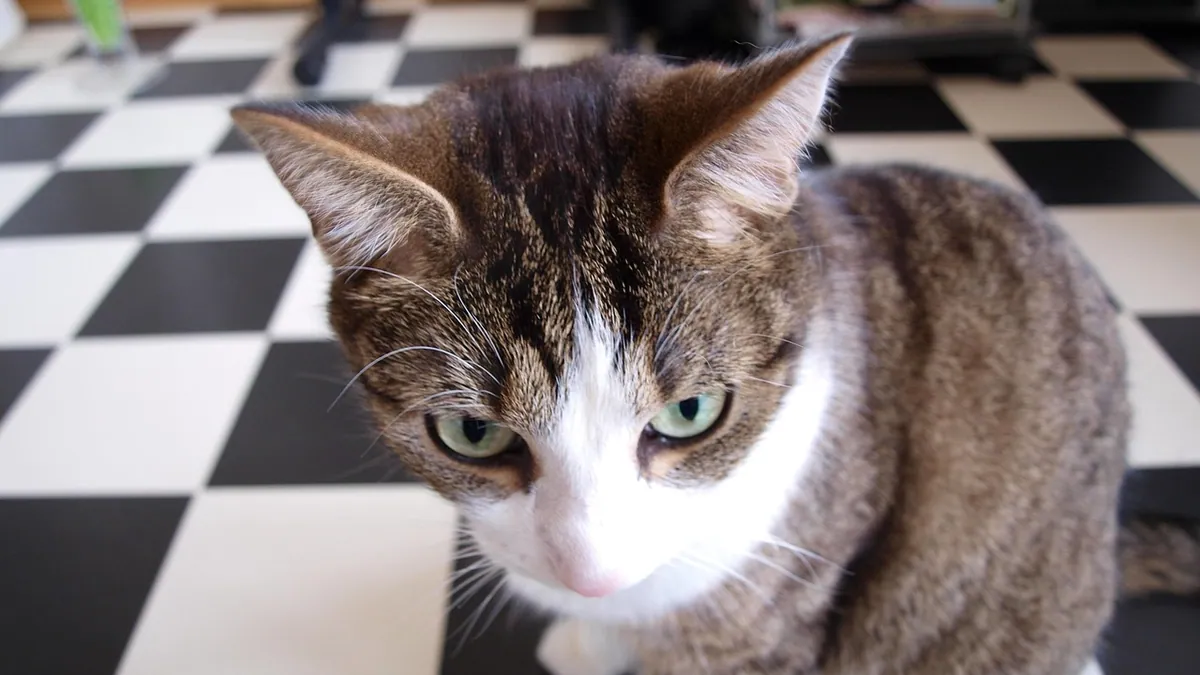
Is Terro ant bait toxic to cats? Yes, it can be. Terro liquid ant baits and similar products rely on borax (a boron compound), and cats that eat enough of the bait can develop real poisoning [1][2]. The good news is that many small exposures cause only mild stomach upset, and the dose your cat swallows matters a great deal.
This article is educational and is not a substitute for veterinary diagnosis or treatment.
Quick Answer
- Terro liquid ant bait uses borax, and borax is poisonous to cats at high doses [1][2].
- Small licks often cause vomiting or drooling, while larger amounts can lead to depression, diarrhea, and, in severe cases, seizures or kidney damage [2].
- The plastic or cardboard trap itself can also cause a blockage or mouth injury if your cat chews and swallows it [1].
- Call your veterinarian, the ASPCA Animal Poison Control Center at (888) 426-4435, or Pet Poison Helpline at (855) 764-7661 right away if you think your cat ate bait.
- Do not make your cat vomit unless a veterinarian tells you to.
Is Terro Ant Bait Toxic to Cats?
What is in Terro ant bait
Terro liquid ant bait is a borax-based product. Borax is the common name for sodium tetraborate, and it belongs to a family of boron compounds that also includes boric acid [3][4]. These ingredients are used because they work well against ants, but they are not harmless to mammals.
Ant baits are designed to attract insects, and the sweet or protein-based bait can attract cats too [1]. Some traps use peanut butter, butter, or strong odors that a curious cat may find interesting [1]. That is one reason a cat may lick or chew a trap left on the floor.
Which parts of the product are dangerous
There are two main concerns with any ant bait station. The first is the bait itself, which contains the borax. The second is the packaging. Cats can eat the plastic and cardboard associated with ant traps, and that material can cause its own problems [1].
Some ant products use different active ingredients. Ingredients like avermectin, abamectin, hydramethylnon, indoxacarb, thiamethoxam, and pyriproxyfen are considered more toxic than borax in some situations [1]. If you are not sure which product your cat got into, keep the package and call a poison control line.
Ant sprays and repellents are a separate risk. Cats can breathe in the fumes or lick the chemicals off their fur after a spray is used [1]. If you use sprays in the home, keep your cat out of the treated area until it is fully dry.
The Toxic Principle and What It Does in the Body
Borax and boric acid are the toxic principles in most Terro-style baits. Boric acid is cytotoxic to all cells, meaning it can damage cells throughout the body when enough is absorbed [2]. The stomach and intestines are usually affected first, which is why vomiting and diarrhea are common early signs [2].
If a large amount is absorbed, boron can affect the kidneys. Renal tubular nephrosis, a form of kidney injury, has been reported with high-level boric acid ingestion [2]. The liver can also be affected, though this is rare [2]. In severe cases, the nervous system can be involved, and seizures may occur [2].
The dose is the deciding factor. Boron compounds can be safe in low doses for a cat, but a large dose may be fatal [1]. Your veterinarian will calculate the risk based on your cat's weight, the product concentration, and how much was eaten.
Signs of Ant Bait Poisoning in Cats
Early signs
The most common early signs of boric acid poisoning are vomiting and depression [2]. Some cats also develop diarrhea, though it is less consistent than vomiting [2]. Drooling, pawing at the mouth, and refusing food can show up too, especially if the bait tastes unpleasant or the cat is nauseated.
Signs that worry veterinarians most
If a cat has absorbed a large amount of boron, the signs can progress. Seizures are possible with sufficiently high levels [2]. Kidney injury may not show obvious signs at first, which is why blood work matters after a significant exposure. Rarely, liver damage can occur [2].
Timeline
Vomiting and stomach upset often appear within a few hours of eating bait. More serious signs like seizures or kidney problems tend to follow larger exposures and may take longer to become clear. Because the timeline varies with the amount eaten, any known exposure deserves a phone call instead of a wait-and-see approach.
What to Do Right Now
Call for guidance
Call your veterinarian, the ASPCA Animal Poison Control Center at (888) 426-4435, or Pet Poison Helpline at (855) 764-7661. Have the product name, the active ingredient percentage, your cat's weight, and your best estimate of how much was eaten. If you still have the trap or its packaging, keep it for reference.
Do not induce vomiting on your own
Do not make your cat vomit unless a veterinarian tells you to. Vomiting can be dangerous if the cat is already depressed, if the airway is not protected, or if the material could cause more damage coming back up. Your veterinarian will decide whether decontamination is appropriate and how to do it safely.
What to expect on the call
The poison control specialist or veterinarian will ask about the product, the amount, and your cat's signs. They may recommend home monitoring, an exam, or immediate care. If your cat is vomiting repeatedly, acting depressed, or having any neurologic signs, that points toward an urgent visit.
Veterinary Treatment for Borax Ant Bait Poisoning
Initial assessment
Your veterinarian will start with a physical exam and a history. They will want to know the product, the concentration, the amount eaten, and the time since exposure. If the cat ate part of the trap, they will also assess for a possible foreign body obstruction from the plastic or cardboard [1].
Decontamination
If the exposure was recent and your cat is stable, your veterinarian may induce vomiting or give activated charcoal. These steps are not right for every cat, so they are done under direct supervision. Gastrointestinal evaluation and supportive care are usually the primary treatment steps for boric acid poisoning [2].
Supportive care
Supportive care often includes intravenous fluids to protect kidney function and maintain hydration. Anti-nausea medication and stomach protectors may be used if vomiting is ongoing. Blood work is typically repeated to track kidney values and electrolytes over time.
Severe cases
In severe boric acid poisoning, more aggressive treatment may be needed. Exchange transfusion or peritoneal dialysis may be required to lower blood boron concentrations [2]. These are uncommon interventions reserved for the most serious cases, and they are done in a hospital setting.
Outlook After Exposure
The outlook depends mostly on how much borax your cat absorbed and how quickly care started. Cats with small exposures and mild vomiting often recover well with supportive care. Cats with large exposures that develop seizures or kidney injury have a more guarded prognosis [2].
If your cat is treated and sent home, follow the recheck schedule your veterinarian gives you. Kidney values can change over the first few days, so a repeat blood test is often recommended even if your cat looks normal at home.
Prevention and Safer Alternatives
Keep baits out of reach
Keep all ant traps in a secure location that your cat cannot get to [1]. Cabinets with latches, behind appliances, and inside closed bait stations that a cat cannot open are better choices than open floors. Check under furniture and behind baseboards, since cats can reach places you might not think about.
Choose cat-friendly options
There are cat-friendly ant traps that use fewer toxic ingredients [1]. If you have a cat that investigates everything, ask your veterinarian or a pest control professional about the safest option for your home. Traps that fully enclose the bait reduce the chance of direct contact.
Manage the ants, not just the bait
Wipe up food crumbs, seal pet food, and fix moisture problems that attract ants. Fewer ants means less bait needed. If you use sprays, keep your cat away until surfaces are dry, and store all pesticides in closed cabinets [1].
Other household hazards to check
Ant bait is not the only thing in a typical home that can harm a cat. If you are reviewing your house for safety, it helps to know which plants are safe. You can read about non toxic to cats houseplants and compare them with plants that cause problems, such as spider plants and orchids. Supplements deserve the same caution, and spirulina for cats is a good example of a product that sounds healthy but needs a closer look.
Limitations and When to Contact a Veterinarian
No article can tell you whether your specific cat is in danger. The amount eaten, the product concentration, your cat's weight, and your cat's health all change the risk. Individual cases need a veterinarian who can examine your cat and run tests if needed.
Contact a veterinarian the same day if your cat licked or ate a small amount of bait and seems normal. A phone call can help you decide whether monitoring at home is reasonable.
Go to an emergency clinic now if your cat is vomiting repeatedly, drooling heavily, acting depressed or wobbly, having seizures, breathing hard, or not responding to you. These signs suggest a larger exposure or a developing complication.
Schedule a routine visit if your cat had a possible exposure days ago and now has a poor appetite, weight loss, or changes in drinking and urination. These can be signs of kidney problems that need blood work.
Frequently Asked Questions
Can a cat die from eating Terro ant bait?
It is possible with a large enough dose. Boron compounds can be safe at low doses but may be fatal at high doses [1]. Most cats that eat a small amount and receive prompt care do well, but severe cases with seizures or kidney injury carry a worse prognosis [2].
How much borax does it take to poison a cat?
There is no single number that applies to every cat. Your veterinarian calculates the risk from your cat's weight, the product's borax concentration, and the amount eaten. That is why the exact product and an estimate of the amount matter so much when you call.
My cat only licked the bait. Should I still call?
Yes, call for advice. A small lick may cause nothing more than mild drooling or one episode of vomiting, but the only way to know is to give the details to a veterinarian or poison control specialist. They can tell you what to watch for at home.
Can I just watch my cat at home?
Sometimes home monitoring is reasonable for a tiny exposure, but only after you have talked to a veterinarian or poison control. If your cat starts vomiting, seems tired, or shows any neurologic signs, stop watching and get care right away.
Are ant sprays as dangerous as bait stations?
They can be. Cats can breathe in spray fumes or lick the chemicals off their fur after a spray is used [1]. Keep your cat out of treated areas until everything is dry, and store all pesticide products where your cat cannot reach them.
Related Articles
- Can Cats Eat Spirulina? Heavy Metal and Algae Safety
- Non Toxic To Cats Houseplants
- Are Spider Plants Toxic To Cats
- Are Orchids Toxic To Cats
- CBD Oil for Cats: Feline Safety Profile and THC Toxicity
- What Plants Are Toxic To Cats In Australia
- Is Ant Killer Toxic to Cats? Baits, Traps, and Sprays
- Is Slug Killer Harmful to Cats? Bait and Slug Safety
- Is Rat Poison Harmful to Cats? Bait, Glue and Traps
References
- What Are the Dangers of Cats and Ant. Pet Poison Helpline.
- Toxicology of selected pesticides, drugs, and chemicals. Boric acid. The Veterinary clinics of North America. Small animal practice, 1990.
- Oral toxicity of boric acid and other boron compounds to immature cat fleas (Siphonaptera: Pulicidae). Journal of economic entomology, 1994.
- Larvicidal effects of boric acid and disodium octaborate tetrahydrate to cat fleas (Siphonaptera: Pulicidae). Journal of medical entomology, 1995.