Is Sago Palm Toxic to Cats? Why It's an Emergency
By Dr. Zubair Khalid, DVM, MS, PhD ·
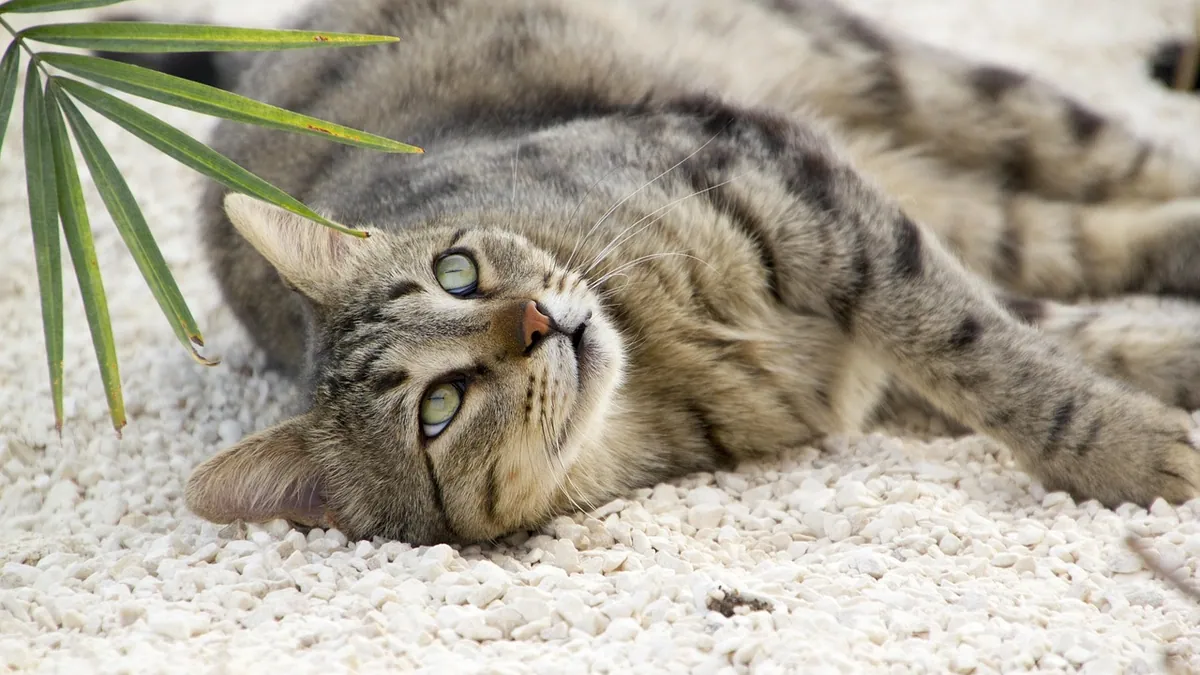
Is sago palm toxic to cats? Yes, and it is one of the most dangerous plants a cat can chew on. Every part of the plant contains a toxin that attacks the liver, and cats can develop severe liver failure after eating only a small amount [1]. Because the damage happens fast and quietly at first, any confirmed or suspected sago palm exposure is a same-day emergency, not a wait-and-see situation.
This article is educational and is not a substitute for veterinary diagnosis or treatment.
Quick Answer
- Sago palm (Cycas revoluta) is toxic to cats, dogs, and horses, and the toxic principle is cycasin [1].
- All parts of the plant are a concern, including the leaves, the trunk or stem, and the seeds, which carry the highest concentration of toxin.
- Early signs include vomiting, black or tarry stool, yellowing of the skin or eyes, and increased thirst [1].
- Later signs include bruising, bleeding problems, liver damage, liver failure, and death [1].
- Call your veterinarian, the ASPCA Animal Poison Control Center at (888) 426-4435, or Pet Poison Helpline at (855) 764-7661 right away. Do not wait for symptoms and do not induce vomiting unless a veterinarian tells you to.
Is Sago Palm Toxic to Cats?
Yes. The ASPCA Animal Poison Control Center lists sago palm as toxic to cats, with cycasin as the toxic principle [1]. The same record lists related names you may see on plant tags, including coontie palm, cardboard palm, cycads, and zamias, with the scientific names Cycas revoluta and zamia species [1].
This matters because "sago palm" is not the only label on the pot. If you are trying to figure out whether a plant in your home is a cycad, the family name Cycadaceae is the one to look for [1].
Are Sago Palms Poisonous to Cats in Every Part of the Plant?
The toxin is not limited to one part. The ASPCA lists the plant itself as toxic, and cycasin is present throughout cycad plants [1]. In practice, that means leaves, stems, and seeds all carry risk. The seeds are the most concentrated source, which is why a cat who bats a fallen seed around the floor and then chews it is in serious trouble.
Is King Sago Palm Toxic to Cats?
Yes. King sago palm is another common name for Cycas revoluta, the same plant the ASPCA lists as toxic to cats [1]. If a nursery sold you a "king sago" or "sago palm" and your cat chewed it, treat it exactly the same way as any other sago exposure.
Is Sago Palm Cat Safe in Any Amount?
No. There is no safe amount. Even a small ingestion can cause serious liver injury, and the ASPCA lists liver damage, liver failure, and death among the possible clinical signs [1]. This is different from plants that mostly cause mild stomach upset. Sago palm is in a category of its own.
Are Sago Plants Poisonous to Cats Indoors and Outdoors?
Both. A potted sago in your living room is just as dangerous as one in the yard. Cats who live indoors may be at higher risk simply because they spend more time near houseplants, and plant poisonings are a real part of veterinary caseloads. In one 12-year Italian survey of animal poison exposures, cats made up 26 percent of calls, and Cycas revoluta was among the plants most often reported [2]. A later survey from the same poison center found cats made up about 26 percent of plant and zootoxin calls, with Cycas revoluta again among the most frequently reported plants [3]. Plant poisonings are not rare events, and cycads keep showing up on the list.
If you are building a mental list of what is and is not safe in your home, it helps to compare sago palm with other common houseplants. Some, like spider plants, are considered non-toxic, while others cause mild to moderate signs. You can read more in Are Spider Plants Toxic To Cats and What Plants Can Be Toxic To Cats.
What Is the Toxic Principle and What Does It Do?
The toxic principle in sago palm is cycasin [1]. Cycasin is a compound that becomes active after it is swallowed, and its main target is the liver. The liver is the organ that processes toxins, makes clotting factors, and handles bile. When it is injured, several body systems fail at once.
That is why the ASPCA sign list reads the way it does. Vomiting and bloody gastroenteritis come first. Then the liver starts to fail, which shows up as icterus (yellow gums, skin, or eye whites), increased thirst, bruising, and coagulopathy, meaning the blood stops clotting normally [1]. Melena, which is black tarry stool from digested blood, is another listed sign [1]. The end of that chain is liver failure and death [1].
Cycad poisoning is serious enough that it appears in national poison data. A South African review of animal poison exposures over roughly two and a half years found only one fatal case, and it involved a cycad in a dog [4]. That single case is a reminder that cycad exposure can kill, even when overall fatality rates for plant exposures are low. In the Italian survey, fatal poisoning accounted for 10.6 percent of cases where an outcome was reported [2].
Signs of Sago Palm Poisoning in Cats and Their Timeline
Signs do not always appear immediately. Some cats vomit within hours. Others look normal for a day and then decline. This delay is exactly why you should not wait to see what happens.
Early Signs
- Vomiting
- Diarrhea, sometimes bloody (hemorrhagic gastroenteritis)
- Black, tarry stool (melena)
- Drooling or nausea
- Increased thirst
These are the signs the ASPCA lists for sago palm toxicosis [1].
Later Signs
- Yellowing of the gums, skin, or whites of the eyes (icterus)
- Bruising easily or bleeding that will not stop
- Weakness, lethargy, or confusion
- Liver damage and liver failure
- Death
These are also listed by the ASPCA [1]. Once icterus or bleeding appears, the liver injury is already advanced.
Why Timing Matters So Much
The liver can take a hit and keep working for a while, which is why a cat can seem fine at breakfast and be critically ill by evening. The earlier treatment starts, the more liver tissue may be saved. If you know or suspect your cat ate sago palm, the clock started when the plant was chewed, not when the first symptom appeared.
What to Do Right Now
- Move your cat away from the plant and put the plant out of reach.
- Call your veterinarian, an emergency veterinary hospital, the ASPCA Animal Poison Control Center at (888) 426-4435, or Pet Poison Helpline at (855) 764-7661.
- Tell them what plant it was, which part was chewed, roughly how much, and when.
- Bring the plant, a leaf, or a photo with you if you go to the clinic.
- Do not induce vomiting unless a veterinarian tells you to.
- Do not give food, milk, oil, activated charcoal, or any home remedy.
Do not wait for symptoms. A cat who chewed a sago leaf an hour ago and looks fine still needs to be seen. If your cat is already vomiting, drooling, or acting dull, go to an emergency hospital now.
How Veterinarians Treat Sago Palm Poisoning
Treatment depends on how much time has passed and how sick your cat is. Your veterinarian will calculate any medication doses from your cat's weight and current health, so there is no home dose to memorize.
Common steps include:
- Decontamination. If the exposure was recent, your veterinarian may induce vomiting or give activated charcoal in a controlled setting. Never do this at home on your own.
- Blood work. Liver values, clotting times, electrolytes, and blood cell counts help show how much damage has occurred.
- Supportive care. Intravenous fluids, anti-nausea medication, stomach protectors, and liver support are typical.
- Clotting support. If coagulopathy is present, plasma or other blood products may be needed [1].
- Monitoring. Repeated blood work over one to several days shows whether the liver is recovering or failing.
There is no antidote that reverses cycasin. Treatment is about removing what is left in the gut, supporting the liver, and managing complications while the body tries to repair itself.
What Is the Outlook?
The outlook depends on how much was eaten, how quickly treatment started, and how much liver function remains. Cats who are treated early, before icterus or bleeding problems appear, have the best chance. Cats who arrive already yellow, bruising, or bleeding are in a much more guarded situation, because those signs mean the liver is failing [1].
Some cats survive with intensive care. Some do not, even with the best treatment. This is why the ASPCA lists death as a possible outcome of sago palm toxicosis [1]. It is also why every exposure deserves the same urgent response, no matter how small the bite seemed.
Prevention and Safer Alternatives
The simplest and most reliable step is to remove sago palms from any home or yard where a cat lives.
- Rehome or dispose of the plant. Do not just move it to a shelf. Cats climb.
- Check plant tags for the names coontie palm, cardboard palm, cycad, and zamia, since these are all in the same toxic group [1].
- Watch the yard. Fallen seeds and dropped leaves are just as dangerous as the plant itself.
- Supervise outdoor time. If your cat goes outside, keep sago palms out of the garden entirely.
- Choose cat-safe plants. If you want greenery, pick species known to be non-toxic. You can compare options in Plants Toxic To Cats and Are Tulips Toxic To Cats.
If you live somewhere with different native and garden plants, regional lists help too. See What Plants Are Toxic To Cats In Australia for an example of how plant risk varies by region.
Limitations and When to Contact a Veterinarian
This article gives general information. Your cat's individual case needs a veterinarian who can examine your cat, run blood work, and decide on treatment.
Contact a veterinarian the same day if:
- You saw your cat chew or eat any part of a sago palm.
- You found chewed leaves, a chewed stem, or a missing seed.
- Your cat is vomiting, drooling, or has diarrhea.
- Your cat is drinking more than usual.
Go to an emergency hospital now if:
- Your cat's gums, skin, or eye whites look yellow.
- You see bruising, bleeding from the nose or gums, or blood in the stool.
- Your cat is weak, wobbly, collapsed, or hard to wake.
- Your cat is breathing fast or seems in pain.
When in doubt, call. Poison control lines and emergency clinics would rather talk to you about a cat who turns out to be fine than see a cat who waited too long.
Frequently Asked Questions
How much sago palm does a cat have to eat to get sick?
There is no established safe amount, and even small ingestions can cause severe liver injury. The ASPCA lists liver failure and death among the possible outcomes of sago palm toxicosis, which is why any known exposure is treated as an emergency [1].
Can a cat survive sago palm poisoning?
Yes, some cats survive with fast, aggressive treatment. Survival is most likely when the cat is seen before signs like yellow gums, bruising, or bleeding appear, since those signs point to advanced liver failure [1].
How long after eating sago palm do symptoms start in cats?
Some cats vomit within hours, while others look normal for a day or more before declining. Because the timeline varies, a cat who seems fine after chewing the plant still needs to be evaluated the same day.
Should I make my cat throw up after eating sago palm?
No. Do not induce vomiting unless a veterinarian specifically tells you to. Call your veterinarian, the ASPCA Animal Poison Control Center at (888) 426-4435, or Pet Poison Helpline at (855) 764-7661 and follow their instructions.
Are all palms toxic to cats?
No. Sago palm and other cycads are the dangerous group here, and they are toxic to cats because of cycasin [1]. Many other plants sold as "palms" are not cycads, so identification matters. If you are unsure what plant you have, bring a photo or a cutting to your veterinarian or a nursery for identification.
Related Articles
- Are Spider Plants Toxic To Cats
- What Plants Are Toxic To Cats In Australia
- What Plants Can Be Toxic To Cats
- Plants Toxic To Cats
- Are Tulips Toxic To Cats
- What Kind Of Plants Are Harmful To Cats
- Is Oleander Toxic to Dogs and Cats? A Deadly Plant
- Is ZZ Plant Toxic to Cats? Raven, Black and Other Varieties
- Is Cane Plant Toxic to Cats? Dracaena Safety
References
- Toxic and Non-toxic Plants: Sago Palm. ASPCA Animal Poison Control Center.
- Plant poisoning in domestic animals: epidemiological data from an Italian survey (2000-2011). The Veterinary record, 2013.
- Plants and zootoxins: Toxico-epidemiological investigation in domestic animals. Toxicon : official journal of the International Society on Toxinology, 2021.
- Plants and mushrooms associated with animal poisoning incidents in South Africa. Veterinary record open, 2020.