Is Purple Prairie Clover Toxic to Cats? Clover Safety
By Dr. Zubair Khalid, DVM, MS, PhD ·
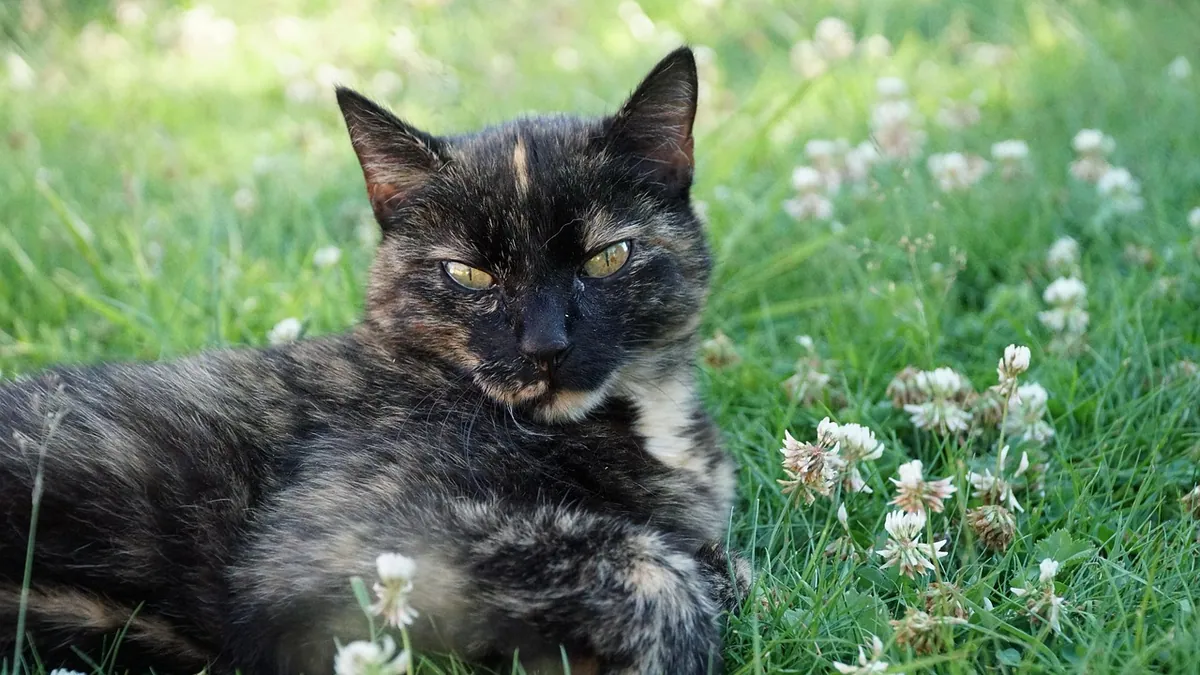
Purple prairie clover (Dalea purpurea) is not considered toxic to cats. It does not appear on veterinary poison lists, and no toxic principle has been identified in this plant for cats or other pets. If your cat nibbles a stem from your garden, the plant itself is not the concern.
This article is educational and is not a substitute for veterinary diagnosis or treatment.
Quick Answer
- Purple prairie clover is not listed as toxic to cats, and no cat poisoning cases from this plant are documented in veterinary toxicology.
- The clovers that cause real problems for animals are different species, mainly alsike clover (Trifolium hybridum), which is toxic to horses [1].
- A cat that eats a small amount of purple prairie clover usually needs no treatment. Watch for vomiting, drooling, or diarrhea and call your vet if signs appear.
- If you are unsure which plant your cat ate, treat it as a possible poisoning and call the ASPCA Animal Poison Control Center at (888) 426-4435 or Pet Poison Helpline at (855) 764-7661.
- Never induce vomiting unless a veterinarian tells you to.
Is Purple Prairie Clover Toxic to Cats?
No. Purple prairie clover is not on the ASPCA toxic plant list, and there is no veterinary record of it poisoning cats. The plant belongs to the legume family, the same broad group as many harmless garden plants, and it has no known toxic principle for cats.
This matters because owners often search for "clover toxic to cats" and get frightened by results about a completely different plant. The clover that veterinarians worry about is alsike clover, Trifolium hybridum, which is listed as toxic to horses [1]. The toxic principle in alsike clover is unknown, and the reported signs in horses are sunburn and skin ulcers ("dew poisoning") and liver failure ("big liver disease") [1]. That record is about horses, not cats, and it is about a different species of clover than purple prairie clover.
So when you ask "is purple clover poisonous to cats," the honest answer depends on which purple clover you mean. Dalea purpurea, the native prairie plant sold in pollinator gardens, has no cat toxicity record. Red clover (Trifolium pratense) is a different plant again, and a red clover isoflavone extract given to mice as a vaccine adjuvant produced no notable stress responses in that study [2]. That is not proof of safety for cats eating red clover in your yard, but it does show that clover species vary widely in how they affect animals.
Which Parts of the Plant Matter?
For purple prairie clover, all above-ground parts (leaves, stems, and the purple flower spikes) are considered non-toxic. There is no known toxic dose for cats because no toxic effect has been established. If your cat chews a leaf or bats a flower head around, the plant is not the hazard.
The bigger risk with any houseplant or garden plant is mechanical, not chemical. A cat that swallows a long stem or a chunk of tough plant material can vomit, drool, or develop stomach upset from the fiber alone. That is true of grass, lettuce, and purple prairie clover alike.
Garden and Bouquet Risk
Purple prairie clover is a prairie native, so it shows up in wildflower seed mixes, pollinator gardens, and dried floral arrangements. Dried arrangements are the ones to watch, because dried plant material is often treated with dyes, preservatives, or floral foam dust. The clover is not the problem. The treatment on it might be.
If your cat chews a bouquet, remove the cat from the arrangement and check what else is in the vase. Many common bouquet flowers are far more dangerous than any clover. Lilies, for example, are a well-known severe risk to cats, and you can read more in Are Lilies Toxic to Cats?. For a broader list of plants that cause problems in cats, see Plants Toxic To Cats.
What Is the Toxic Principle, and What Does It Do?
Purple prairie clover has no identified toxic principle for cats. That is the short version.
For comparison, plants that do poison cats work through specific compounds. Grayanotoxins, produced by plants in the Ericaceae family such as rhododendrons and Pieris japonica, cause vomiting and regurgitation in animals that eat them, and a systematic review of grayanotoxin poisoning in animals found cases in companion animals including cats [3]. The estimated toxic dose for ruminants in that review was 0.1 percent of body weight in fresh foliage, and that number applies to livestock, not cats [3]. Your veterinarian calculates any dose concern from your cat's weight and health.
Other poisons act differently. Ethylene glycol, the main ingredient in antifreeze, causes acute kidney injury with calcium oxalate crystals in the kidney tubules, and it is a common cause of fatal poisoning in cats [4]. Barium from ingested fireworks caused drooling, slow heart rate, low potassium, and breathing difficulty in one cat [5]. Oclacitinib, a medication for dogs, caused severe acute kidney injury in three cats that swallowed large overdoses, and two of those cats died or were euthanized [6].
None of these mechanisms apply to purple prairie clover. The plant simply does not contain a recognized cat toxin.
Signs and Timeline to Watch For
Because purple prairie clover is not toxic, there is no expected poisoning timeline. If your cat eats it and shows no signs, that is the expected outcome.
If signs do appear after plant eating, they usually come from stomach irritation or from something else the cat ate. Watch for:
- Vomiting or retching
- Drooling
- Refusing food
- Diarrhea
- Lethargy
- Pawing at the mouth
Timing helps you sort out the cause. Vomiting and drooling within minutes to a few hours of eating a plant often point to mouth or stomach irritation. Signs that start many hours later, or that get worse over a day, are more concerning and deserve a call to your veterinarian.
Some plant poisonings cause delayed organ damage. Ethylene glycol, for example, can progress to kidney failure, and one reported cat became progressively less responsive within about 10 hours of ingesting barium from fireworks [5][4]. If your cat's signs are severe, worsening, or paired with breathing trouble, treat it as an emergency.
What to Do Right Now
If you saw your cat eat purple prairie clover and it is acting normally, you can relax. Offer water, keep the plant out of reach, and watch for a few hours.
If your cat ate a plant you cannot identify, or if it is showing any of the signs above, take these steps:
- Call your veterinarian, the ASPCA Animal Poison Control Center at (888) 426-4435, or Pet Poison Helpline at (855) 764-7661.
- Have the plant name, the amount eaten, and the time of eating ready. A photo of the plant helps.
- Do not induce vomiting unless a veterinarian tells you to. Making a cat vomit can cause aspiration, burns, or worse depending on what was eaten.
- Do not give milk, oil, activated charcoal, or human medications at home.
- Keep your cat quiet and warm, and bring it in for evaluation if your vet advises it.
If your cat is having trouble breathing, is collapsing, is having seizures, or is unresponsive, go to the nearest emergency veterinary hospital now. Do not wait for a callback.
How Veterinarians Treat Plant Exposure in Cats
Treatment depends on what was eaten and what signs are present. For a confirmed purple prairie clover nibble with no signs, most veterinarians recommend monitoring at home and no treatment.
For a genuine poisoning, care is supportive and specific to the toxin. Common steps include intravenous fluids, medications to control vomiting, blood work to check kidney and liver values, and monitoring of heart rate and breathing. Some toxins have antidotes, and some do not. In the reported oclacitinib cases, one cat recovered fully with intensive supportive care while two did not survive [6]. In the barium case, the cat's condition worsened despite diagnostics and the owner chose humane euthanasia [5]. These outcomes show why early veterinary care matters when a real toxin is involved.
Your veterinarian sets the treatment plan and any medication doses based on your cat's weight, lab results, and overall health.
Outlook
For purple prairie clover, the outlook is excellent. There is no expected toxicity, so a cat that eats it should recover without treatment.
For actual plant poisonings, the outlook varies widely. Early treatment improves the odds. Delayed care, large ingestions, and toxins that damage the kidneys or liver carry a worse prognosis [6][5][4].
Prevention and Safer Alternatives
The simplest prevention is to know what is in your garden and your vases. Label your plants, keep a photo record, and check any new plant against a reliable toxic plant list before you bring it home.
If your cat chews plants constantly, give it cat-safe options. Cat grass and catnip are common choices. Spider plants and snake plants are popular houseplants, and you can read about their risks in Are Spider Plants Toxic To Cats and Are Snake Plants Toxic To Cats. For a wider overview of what to avoid, see What Plants Can Be Toxic To Cats.
Other practical steps:
- Hang bouquets or place them where your cat cannot reach.
- Skip floral preservative packets, which are a separate ingestion risk.
- Store antifreeze, medications, and fireworks where cats cannot get to them [6][5][4].
- Keep the two poison control numbers saved in your phone.
Limitations and When to Contact a Veterinarian
No article can tell you what your individual cat ate or how it will respond. Your cat's age, weight, health conditions, and the amount ingested all change the picture. Individual cases need a veterinarian.
Contact your veterinarian the same day if your cat ate an unidentified plant, is vomiting more than once, is drooling heavily, or is not eating.
Go to an emergency clinic now if your cat is having trouble breathing, is collapsing, is having seizures, has a very slow or very fast heart rate, or is unresponsive.
Schedule a routine visit if your cat keeps eating plants and you want help cat-proofing your home, or if mild stomach upset lasts more than a day.
Frequently Asked Questions
Is purple prairie clover safe around cats?
Yes, purple prairie clover is not considered toxic to cats, and no cat poisoning cases from this plant are documented. A cat that eats a small amount usually needs no treatment. Watch for stomach upset and call your vet if signs appear.
Is purple clover the same as alsike clover?
No, they are different plants. Alsike clover is listed as toxic to horses, with signs that include sunburn, skin ulcers, and liver failure [1]. Purple prairie clover is a separate species with no cat toxicity record.
Can my cat get sick from eating clover in the yard?
It depends on the clover species and what else is in the yard. Purple prairie clover is not a known risk. Yard clover may carry pesticides, fertilizer, or lawn chemicals, which are a separate concern. Rinse and restrict access if you have recently treated the lawn.
What should I do if I am not sure which plant my cat ate?
Call your veterinarian or a poison control line right away and describe the plant as best you can. A photo or a sample of the plant helps a lot. Do not wait for signs to appear before you call.
Are there clovers that are actually dangerous to cats?
Alsike clover is the clover with a documented toxicity record, and that record is for horses [1]. Red clover extract was tested in mice and did not cause notable stress responses in that study [2]. Cat-specific clover poisoning is not well established in veterinary research, so ask your veterinarian about your specific situation.
Related Articles
- Are Lilies Toxic to Cats?
- Plants Toxic To Cats
- Are Snake Plants Toxic To Cats
- Are Spider Plants Toxic To Cats
- What Plants Can Be Toxic To Cats
- House Plants Toxic To Cats Pictures
- Is Clover Toxic to Dogs and Cats? What to Know
- Is Clover Toxic to Cats? Red, White and Wild Clover
- Is Lucky Clover Toxic to Cats? What Owners Should Know
References
- Toxic and Non-toxic Plants: Alsike Clover. ASPCA Animal Poison Control Center.
- Application of red clover isoflavone extract as an adjuvant in mice. Experimental and therapeutic medicine, 2020.
- Grayanotoxin poisoning in animals following the ingestion of Ericaceae plants. Veterinary journal (London, England : 1997), 2026.
- Ethylene glycol poisoning in a free-roaming cat associated with suspected animal cruelty: a forensic veterinary case report in South Korea. Frontiers in veterinary science, 2026.
- Barium Toxicosis After Ingestion of Snake Fireworks in a Cat. Journal of veterinary emergency and critical care (San Antonio, Tex. : 2001), 2026.
- Severe Toxicosis Secondary to Accidental Oclacitinib Ingestion in Three Cats. Journal of veterinary emergency and critical care (San Antonio, Tex. : 2001), 2026.