Polyethylene Glycol for Cats: Safe or Not?
By Dr. Zubair Khalid, DVM, MS, PhD ·
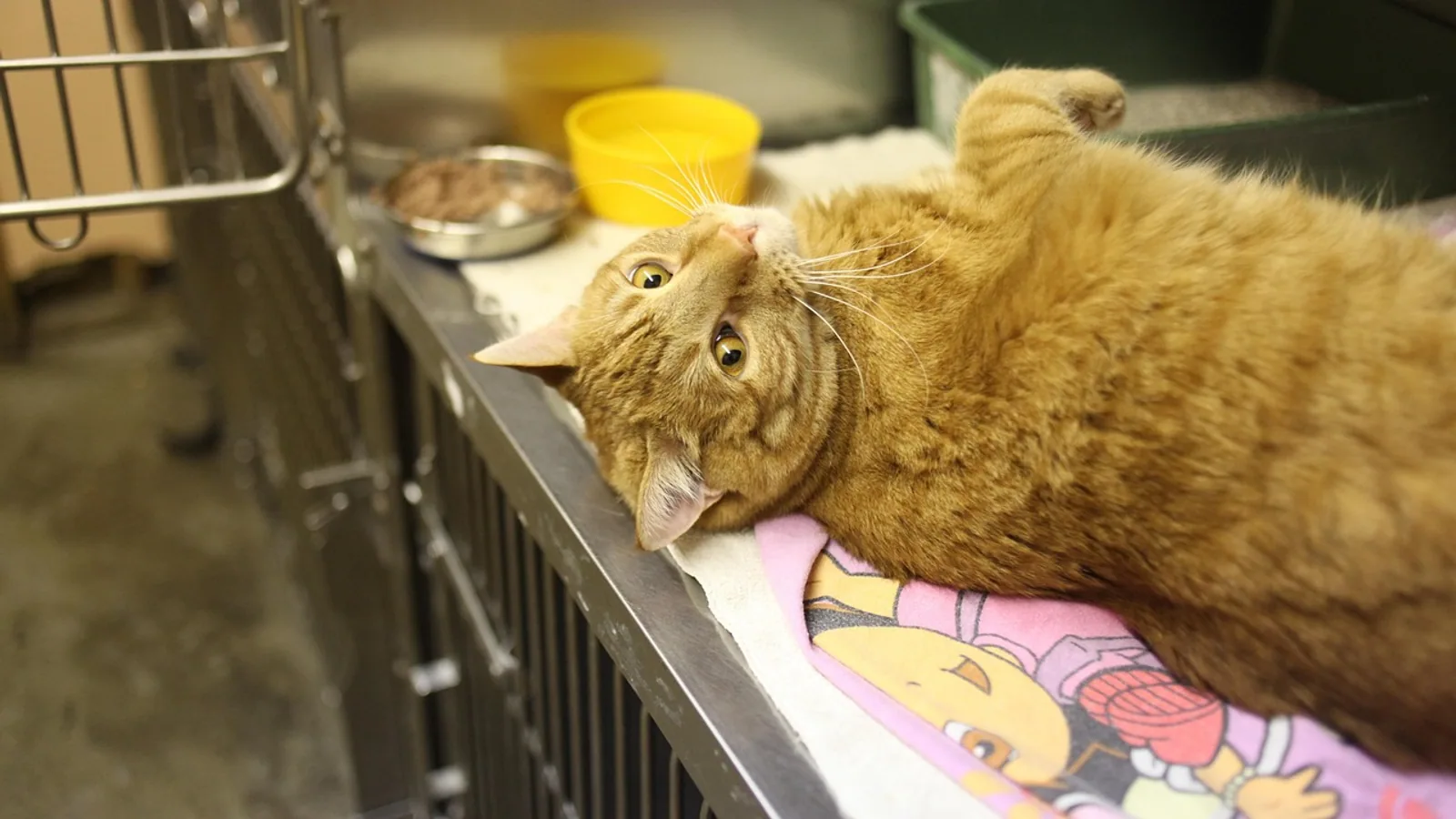
Polyethylene glycol 3350 (PEG 3350) is an osmotic laxative that veterinarians use extra-label to soften stool in cats with recurrent constipation or megacolon. It is not the same chemical as ethylene glycol, the antifreeze ingredient that is rapidly fatal to cats. PEG 3350 is a large polymer that is not absorbed from the gut. It holds water in the colon, which increases stool water content and makes feces easier to pass. The effect is gradual, typically appearing over 24 to 48 hours [1]. The dose must come from your veterinarian, a veterinary formulary, or a product label intended for cats. Never dose a cat from a human label or from a general article.
This article is educational and is not a substitute for veterinary diagnosis or treatment.
At a Glance
| Feature | Detail |
|---|---|
| Active ingredient | Polyethylene glycol 3350 (PEG 3350), an osmotic laxative |
| Species and label status | No PEG 3350 product is FDA-approved for cats. Use in cats is extra-label and requires veterinary direction [1] |
| Minimum age or weight | No feline label exists, so no label age or weight minimum applies. Your veterinarian sets the starting dose by body weight and response |
| How it is given | Orally, usually mixed into a small amount of wet food or given by syringe |
| How fast it works | Soft stools typically develop over 24 to 48 hours [1] |
| How long it lasts | Each dose works for roughly a day, so most cats receive it once or twice daily as directed |
| Prescription or over the counter | The drug is sold over the counter for human use, but its use in cats is a veterinary decision, not a self-serve purchase |
| Main risk to avoid | Confusing PEG 3350 with ethylene glycol (antifreeze), which is highly toxic |
| Products to avoid | Any PEG product that contains xylitol, added flavorings, or electrolyte blends intended for human colonoscopy preparation |
What Polyethylene Glycol 3350 Is and What It Is Not
Polyethylene glycol 3350 is a long-chain polymer. The number 3350 refers to its average molecular weight. Because the molecule is large, it is not meaningfully absorbed across the intestinal wall. It stays in the gut lumen and exerts an osmotic pull that keeps water in the stool. That is the entire mechanism behind its laxative action [1].
Two naming problems cause most of the confusion around this drug.
The first is the difference between PEG 3350 and ethylene glycol. Ethylene glycol is a small, two-carbon molecule used as antifreeze. It is absorbed quickly, metabolized to toxic acids, and causes acute kidney failure in cats. A few laps of spilled antifreeze can kill a cat. PEG 3350 is a polymer thousands of times larger, is not absorbed, and does not share ethylene glycol's toxicity. The two names sound similar. The chemicals behave nothing alike.
The second is the difference between oral PEG 3350 and other PEG formulations. PEG also appears in injectable drugs, topical ointments, and vaccine excipients. Methoxy polyethylene glycol (mPEG) has been studied as a coating to mask blood group antigens on feline red blood cells for transfusion purposes [2]. That is a laboratory and transfusion medicine application. It has nothing to do with laxative use, and owners should not confuse the two.
Why Cats Get Constipated
Constipation is one of the more common reasons cats are brought to an emergency room. A retrospective study of 189 cats treated and discharged by an academic veterinary emergency service found that older cats, overweight cats, cats with chronic kidney disease, and cats with previous episodes of constipation were at increased risk [3]. Those four factors are the ones most consistently supported by clinical data.
When constipation becomes recurrent, the colon can dilate and lose contractility. That condition is megacolon. It is characterized by dilation and hypomotility of the large intestine, which leads to fecal retention, and it is usually idiopathic in cats [4]. Cats with megacolon often show progressive signs of constipation over months to years [4].
Constipation also appears as a secondary problem. A cat with a spinal cord injury at the lumbosacral level or higher can lose normal bowel control and develop fecal retention [5]. Cats with chronic kidney disease are at higher risk for constipation, and the reasons are multifactorial, including reduced water intake and altered hydration status [3].
The clinical approach to feline constipation follows a stepwise pattern. Initial treatment is medical and includes laxatives, enemas, prokinetic medications, and dietary adjustment [4]. When medical therapy fails, surgical intervention such as colotomy or subtotal colectomy may be necessary [4][5]. PEG 3350 sits in the medical tier of that plan, alongside other laxative classes.
How PEG 3350 Works in the Feline Colon
PEG 3350 is an osmotic laxative. It draws water into the colonic lumen by simple osmosis. The retained water softens the fecal mass, increases its volume, and makes it easier for the colon to move it forward. Because the polymer itself is not absorbed, the effect is confined to the gut, and systemic exposure is minimal [1].
This mechanism has three practical consequences for owners.
First, the effect is not immediate. The drug has to sit in the colon long enough to pull water in, and the fecal mass has to be present for the water to soften. Soft stools typically appear over 24 to 48 hours after a dose [1]. Owners who expect a bowel movement within an hour will be disappointed and may be tempted to give extra doses. That is a mistake.
Second, the effective dose varies widely between cats. In a four-week study of normal cats given PEG 3350 as an oral laxative, all cats achieved soft stools, but the doses required to get there differed substantially from cat to cat [6]. This is why the drug is titrated. Your veterinarian will start at a calculated dose, ask you to observe stool consistency, and adjust up or down at follow-up.
Third, because the drug works by water retention, hydration matters. A dehydrated cat has less free water to pull into the colon. Giving an osmotic laxative to a dehydrated cat can worsen the fluid deficit rather than relieve constipation. That is one of the core contraindications discussed below.
What the Feline Evidence Actually Shows
The published feline evidence for PEG 3350 is limited but direct. A 2011 study evaluated the safety and palatability of PEG 3350 as an oral laxative in normal cats over four weeks [6]. Key findings:
- All cats consumed the laxative for the full four weeks without changes in body weight or food intake [6].
- Soft stools were achieved in all cats [6].
- Effective doses varied widely, so individualized dosing is important [6].
- Mild, non-clinical hyperkalemia was noted, and the cause is unknown [6].
The hyperkalemia finding deserves a plain explanation. "Mild, non-clinical" means the potassium values were slightly above the reference range on bloodwork but did not cause visible signs or require treatment in those cats [6]. The study did not establish why this happened. It is a reason for your veterinarian to monitor bloodwork during long-term PEG 3350 use, particularly in cats with kidney disease, where potassium balance is already fragile.
This is the only controlled feline study of PEG 3350 cited here, and it involved normal cats, not cats with megacolon. That distinction matters. The drug is widely used in clinical practice for constipated cats and cats with megacolon, but the strongest published safety data come from normal cats over four weeks [6]. Longer-term use and use in cats with concurrent disease rest on clinical experience rather than controlled trials.
The broader feline constipation literature supports laxatives as a cornerstone of management. A case report on recurrent megacolon in a Persian cat described years of medical management with laxatives, enemas, prokinetics, and dietary changes before surgery became necessary [4]. That pattern is typical. Medical therapy is tried first, and surgery is reserved for failures of medical therapy [4].
How PEG 3350 Is Given to Cats
PEG 3350 is a white powder. It dissolves readily in water and has little taste. In practice, veterinarians direct owners to mix the measured dose into a small amount of wet food, into a small volume of water given by syringe, or into a broth the cat will accept. The four-week feline study confirmed that cats consumed the laxative without refusing food or losing weight, which supports palatability in most cats [6].
Practical points that reduce errors:
- Measure the dose with the same measuring device every time. Kitchen spoons vary, and a "scoop" is not a dose.
- Mix into a small amount of food the cat will finish in one sitting, so you know the full dose was consumed.
- If you are using a human product, confirm with your veterinarian that the only ingredient is PEG 3350. Many human products add flavoring, electrolytes, or sweeteners.
- Do not add extra doses because a bowel movement has not occurred yet. The drug takes 24 to 48 hours [1].
- Keep a simple stool log. Note the date, the dose, and whether the stool was hard, normal, soft, or watery. This is the single most useful information you can bring to a recheck.
Your veterinarian will adjust the dose based on that log. The feline study showed that the dose needed to produce soft stool varies widely between cats, so the starting dose is a starting point, not a fixed prescription [6].
Products to Avoid
The active ingredient is not the only thing in the bottle. Several categories of PEG-containing products are unsuitable for cats.
Products containing xylitol. Xylitol is a sugar alcohol used as a sweetener in some human laxative and fiber products. It causes hypoglycemia and liver injury in dogs and is best avoided in cats as a precaution. Check the ingredient list, not just the front label.
Flavored products. Fruit flavors, berry flavors, and sweetened powders are designed for human palates. Cats do not need them, and added ingredients increase the risk of an adverse reaction or food refusal.
Electrolyte-containing colonoscopy preparations. Human bowel prep kits combine PEG with sodium, potassium, chloride, bicarbonate, and sometimes sulfate salts. These are formulated for a human bowel prep protocol and are not appropriate for feline laxative use. The electrolyte load and volume are wrong for a cat.
Combination laxative products. Some human products combine PEG with stimulant laxatives such as bisacodyl or senna. Stimulant laxatives have a different mechanism and a different risk profile. Do not substitute one for the other.
Anything not intended for oral use. PEG appears in topical ointments, ophthalmic solutions, and injectable formulations. None of these are laxatives.
If the label lists anything beyond PEG 3350 as the active ingredient, ask your veterinarian before giving it.
Side Effects and What to Do About Them
The expected effect of PEG 3350 is softer stool. That is the therapeutic goal, not a side effect. The line between "working well" and "working too well" is stool consistency.
Soft, formed stool. This is the target. Continue the current dose as directed.
Watery diarrhea. This means the dose is too high or the cat is responding more strongly than expected. Stop the medication and call your veterinarian. Watery diarrhea can cause dehydration and electrolyte loss, particularly in older cats and cats with kidney disease.
Straining with no stool. If your cat is straining, vocalizing, or repeatedly visiting the litter box without producing stool, do not increase the dose. This can indicate obstruction or severe obstipation, which is a medical emergency. Call your veterinarian or an emergency service.
Vomiting. Vomiting after a dose may mean the cat did not absorb the intended amount, or it may signal an unrelated problem. Report it to your veterinarian before giving the next dose.
Changes in appetite or weight. The four-week feline study found no changes in weight or food intake [6], so a drop in appetite or weight during PEG 3350 use is a reason to call your veterinarian rather than wait.
Bloodwork changes. Mild, non-clinical hyperkalemia was observed in the feline safety study [6]. Periodic bloodwork, especially in cats with kidney disease, lets your veterinarian catch changes early.
Contraindications: Cats Who Should Not Receive PEG 3350
PEG 3350 is not appropriate for every constipated cat. The following situations require a different approach and, in several cases, urgent veterinary care.
Suspected intestinal obstruction. If a foreign body, mass, or stricture is blocking the bowel, adding an osmotic laxative will not clear it and can worsen distension. Obstruction must be ruled out before laxative therapy begins.
Ileus. Ileus is loss of normal intestinal motility without a mechanical blockage. In a cat with ileus, the gut is not moving contents forward. Adding water to a non-moving segment does not help and may cause discomfort.
Dehydration. PEG 3350 works by retaining water in the colon. A dehydrated cat has limited water to spare. Correcting hydration comes first, and laxative therapy follows once the cat is stabilized.
Renal disease. Cats with chronic kidney disease are at increased risk for constipation [3], so they are common candidates for laxative therapy. They are also the cats most vulnerable to fluid and electrolyte shifts. PEG 3350 use in these cats requires veterinary supervision, dose adjustment, and monitoring.
Cardiac disease. Cats with heart disease may not tolerate shifts in fluid balance. Osmotic laxatives can alter water distribution, and any cat with cardiac disease should have laxative therapy managed by a veterinarian.
Any cat not evaluated by a veterinarian. Constipation can be a symptom of a serious underlying problem. Giving a laxative before a diagnosis can delay treatment and mask progression.
Laxative Classes Compared
Cat owners often ask why one laxative is chosen over another. The table below summarizes the main classes used in feline constipation, with their mechanisms and cautions. This is a general comparison. Your veterinarian selects the class based on your cat's specific problem.
| Class | Example agents | Mechanism | Key cautions |
|---|---|---|---|
| Osmotic | PEG 3350, lactulose | Retains water in the colon, softening stool | Dose varies widely between cats [6]. Avoid in dehydration, obstruction, ileus, renal or cardiac disease. Effect takes 24 to 48 hours [1] |
| Bulk-forming | Psyllium, fiber supplements | Adds fermentable fiber that increases stool volume and water content | Requires adequate water intake. Can worsen impaction if the cat is dehydrated |
| Emollient | Mineral oil, petroleum jelly | Coats and lubricates the fecal mass | Risk of aspiration if given by mouth. Often used rectally or in food under veterinary direction. A case report described mineral oil and suppositories as part of megacolon management [4] |
| Stimulant | Bisacodyl, senna | Stimulates colonic motility | Not first-line in cats. Cramping and diarrhea are common. Avoid in obstruction |
| Prokinetic | Various agents | Enhances intestinal motility | Used in megacolon management alongside laxatives [4]. Not a laxative and does not soften stool |
| Enema | Various solutions | Delivers fluid and sometimes lubricant directly into the rectum | Used in clinical and emergency settings. Enema success and failure have been studied in constipated cats presenting to emergency care [3] |
The choice among these classes is not arbitrary. A cat with hard, dry stool and normal motility may do well with an osmotic laxative. A cat with megacolon and poor motility may need a combination of an osmotic laxative, a prokinetic, and dietary change [4]. A cat with an impaction may need an enema or manual removal before any oral laxative is useful.
PEG 3350 Versus Other Osmotic Laxatives
Lactulose is the other osmotic laxative commonly used in cats. It is a synthetic disaccharide that is metabolized by colonic bacteria, which lowers stool pH and draws water into the colon. It is effective but is often described as sweet and sticky, and some cats refuse it in food. It can also cause gas and bloating because of bacterial fermentation.
PEG 3350 has two practical advantages over lactulose. It is tasteless and dissolves clear, which makes it easier to hide in food. It also does not depend on bacterial metabolism, so its effect is more predictable across cats. The trade-off is that PEG 3350 has less published feline-specific safety data than lactulose, and the only controlled feline study cited here covered four weeks in normal cats [6].
Neither drug is a substitute for finding the underlying cause of constipation. Older cats, overweight cats, cats with chronic kidney disease, and cats with prior constipation episodes are at higher risk [3], and each of those factors points to a different management strategy.
When Constipation Becomes an Emergency
Some situations cannot wait for a routine appointment.
- Your cat has not produced stool for more than two days and is straining.
- Your cat is vomiting, not eating, or acting painful when you touch the abdomen.
- Your cat is vocalizing in the litter box or repeatedly posturing without passing stool.
- Your cat is lethargic, weak, or breathing rapidly.
- Your cat has a known heart condition or kidney disease and develops new constipation.
- You gave a dose of PEG 3350 and your cat developed watery diarrhea, vomiting, or marked weakness.
Emergency evaluation typically includes a physical examination, bloodwork, and imaging to distinguish simple constipation from obstipation, megacolon, or obstruction. The emergency room study of 189 constipated cats identified risk factors and assessed enema outcomes, which reflects how commonly these cases present acutely [3]. Cats with recurrent megacolon may eventually require surgery such as colotomy when medical management fails [4][5].
Regulatory and Label Status in the United States
No PEG 3350 product is FDA-approved as a laxative for cats. Human PEG 3350 products are approved for human use and are sold over the counter. When a veterinarian prescribes PEG 3350 for a cat, that is extra-label use. Extra-label use is legal and common in veterinary medicine when a veterinarian establishes a valid client-patient relationship, determines that no approved feline product is appropriate, and supervises the treatment.
This matters to owners for three reasons. First, there is no feline label to read, so the dose and monitoring plan come from your veterinarian. Second, human products are not formulated with cats in mind, so ingredient checks are your responsibility. Third, extra-label use means the veterinarian carries the responsibility for dose selection and follow-up, which is why rechecks and stool logs matter.
Questions to Ask Your Veterinarian
Bring these questions to your next appointment or call.
- What is the exact dose for my cat, and what measuring device should I use?
- Is the product I have at home acceptable, or do you want a specific formulation?
- How many times per day should I give it, and for how long before we reassess?
- What stool consistency should I aim for, and what consistency means I should stop?
- Does my cat have kidney disease, heart disease, or any condition that changes the risk?
- What signs should make me call you immediately rather than wait?
- When do you want to recheck bloodwork, and what will you monitor?
- If PEG 3350 does not work, what is the next step in the plan?
Limitations and When to Contact a Veterinarian
This article describes general principles of PEG 3350 use in cats. It cannot replace an examination, bloodwork, or imaging for your individual cat. Constipation has many causes, and the right treatment depends on which cause is present.
Contact your veterinarian promptly if any of the following occur:
- No bowel movement within 48 to 72 hours of starting therapy.
- Watery diarrhea, vomiting, or refusal to eat.
- Straining, vocalizing, or repeated litter box visits without stool.
- Weakness, lethargy, or collapse.
- Any new symptom in a cat with kidney disease, heart disease, or diabetes.
- Any suspicion that your cat consumed antifreeze or another toxin. This is a separate emergency and requires immediate care.
If your cat is showing signs of obstruction, severe obstipation, or systemic illness, go to an emergency veterinary hospital rather than waiting for a scheduled appointment.
Frequently Asked Questions
Is polyethylene glycol 3350 safe for cats?
PEG 3350 is used extra-label in cats and has direct feline safety data from a four-week study in normal cats that showed no changes in weight or food intake [6]. Safety depends on correct dosing, ruling out obstruction, and veterinary supervision.
Is PEG 3350 the same as antifreeze?
No. Ethylene glycol is the toxic antifreeze ingredient. PEG 3350 is a large, non-absorbed polymer used as an osmotic laxative [1]. The names are similar but the chemicals and their effects are completely different.
How long does PEG 3350 take to work in a cat?
Soft stools typically develop over 24 to 48 hours after a dose [1]. Do not add extra doses before that window has passed.
Can I give my cat human PEG 3350?
Only under veterinary direction. Human products may contain xylitol, flavorings, or electrolytes that are unsuitable for cats. Confirm the ingredient list with your veterinarian first.
What dose of PEG 3350 should I give my cat?
The dose must come from your veterinarian, a veterinary formulary, or a product label intended for cats. Effective doses vary widely between cats, so individualized dosing is essential [6].
Can PEG 3350 be used long term in cats with megacolon?
Megacolon is often managed with long-term medical therapy including laxatives, prokinetics, and dietary changes [4]. Long-term PEG 3350 use requires veterinary supervision and periodic bloodwork, particularly because mild hyperkalemia was noted in the feline safety study [6].
What are the side effects of PEG 3350 in cats?
The expected effect is softer stool. Watery diarrhea means the dose is too high. Mild, non-clinical hyperkalemia was observed in one feline study [6]. Report vomiting, appetite loss, or weakness to your veterinarian.
When should I stop giving PEG 3350 and call the vet?
Stop and call if your cat develops watery diarrhea, vomiting, refuses food, strains without producing stool, or becomes weak. These signs can indicate overdose, obstruction, or another serious problem.
Related Articles
- Fruits And Vegetables Not Safe For Dogs
- What Vegetables Are Not Safe For Dogs To Eat
- Can You Give Your Dog Human Vitamin Supplements? What's Safe and What's Not
- Dog Ear Infection Home Remedy: What's Safe and What's Not
- Ethylene Glycol Antifreeze Poisoning: 3 Stages and Fomepizole Antidote
- Can You Give Your Dog Human Pain Relievers? What's Safe and What's Not
- Chicken Treats: Safe Options and Portion Limits
Sources
- Polyethylene Glycol 3350 - VCA Animal Hospitals
- Production of Feline Universal Erythrocytes with Methoxy Polyethylene Glycol
- Retrospective evaluation of risk factors and treatment outcome predictors in cats presenting to the emergency room for constipation
- Recurrent Megacolon and Fecaloma in a Cat
- Colotomy to Resolve Constipation Secondary to Spinal Cord Injury: A Case Report
- Safety and palatability of polyethylene glycol 3350 as an oral laxative in cats.