Is Patchouli Incense Toxic to Dogs? Smoke and Oil Risk
By Dr. Zubair Khalid, DVM, MS, PhD ·
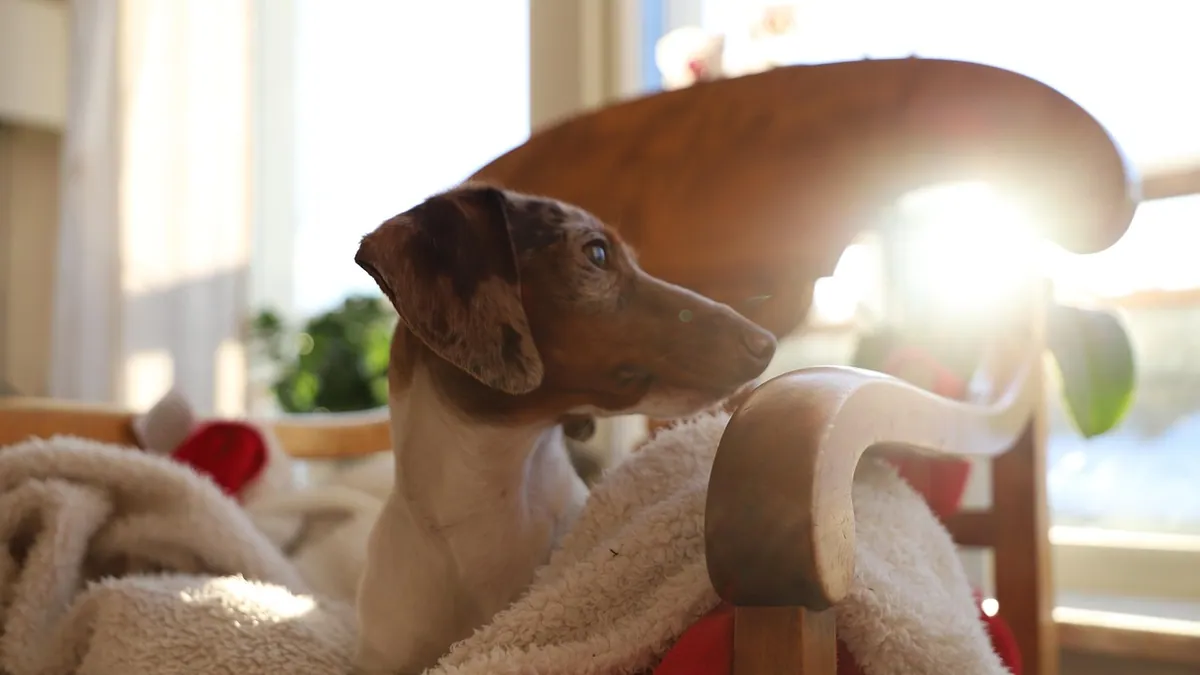
Patchouli incense is not toxic to dogs because of the patchouli plant itself. The real dangers are the smoke it produces when burned and concentrated patchouli essential oil, which can cause serious harm if your dog inhales it, licks it, or swallows it. So the honest answer to "is patchouli incense toxic to dogs" is that the incense stick is less of a problem than the smoke and the oil around it.
This article is educational and is not a substitute for veterinary diagnosis or treatment.
Quick Answer
- Patchouli leaf and patchouli oil are not considered highly poisonous to dogs at low levels. Patchouli oil has been evaluated as safe in dog feed at a maximum of 7.5 mg/kg of complete feed [1].
- The bigger threat is incense smoke. Burning incense releases fine particulate matter, volatile organic compounds, and gases such as carbon monoxide, carbon dioxide, nitrogen dioxide, and sulfur dioxide [2].
- Incense smoke produces far more particulate matter than cigarette smoke, about four times as much by weight, and those tiny particles are inhaled deep into the lungs [2].
- Concentrated essential oils, including patchouli, can irritate a dog's mouth, throat, and stomach, and diffused oil can bother the airways. Dogs are more sensitive than people because of their smaller size and sensitive sense of smell.
- If your dog ate incense, chewed a diffuser, or is coughing, drooling, or vomiting after smoke exposure, call your veterinarian, the ASPCA Animal Poison Control Center at (888) 426-4435, or Pet Poison Helpline at (855) 764-7661. Do not induce vomiting unless a veterinarian tells you to.
Is Patchouli Incense Toxic to Dogs?
The plant and the oil
Patchouli comes from Pogostemon cablin, a plant in the mint family. Its essential oil is used in perfumes, incense, and some pet products. When researchers evaluated patchouli oil as a feed additive for animals, they concluded it was safe up to 7.5 mg/kg of complete feed for dogs and cats [1]. That is a tiny, controlled amount mixed into food, not a bottle of oil left on a shelf.
Patchouli oil also has real biological activity. In laboratory testing, patchouli oil stopped the growth of Staphylococcus bacteria taken from dog skin infections, at concentrations between 0.125% and 0.5% by volume [3]. Patchouli alcohol, one of its main compounds, showed antiviral effects against influenza A in cell studies [4]. Patchouli oil has also killed tick larvae and nymphs in lab tests [5].
None of that means it is safe to pour, diffuse, or feed to your dog. A substance that kills bacteria, viruses, and ticks at certain concentrations is a substance with real power. Power cuts both ways.
The incense stick itself
Incense sticks are a mix of herbal and wood powder, a bamboo stick, fragrance material, and adhesive powder [2]. If your dog chews or swallows a stick, the main concerns are stomach upset and a possible blockage from the bamboo or woody material. The fragrance coating can add irritation. This is similar to the risks covered in our article on what happens when a dog eats a candle, where wax, wicks, and fragrance all matter.
The smoke
This is where the real danger lives. Incense smoke contains particulate matter, volatile organic compounds, and polyaromatic hydrocarbons [2]. The particles are extremely small, so gravity does not pull them out of the air. They stay suspended and get inhaled deep into the lungs, where they trigger oxidative stress and random biochemical reactions [2].
Incense burning generates about 45 mg of particulate matter per gram burned, compared with roughly 10 mg per gram for cigarettes [2]. Burning incense also releases carbon monoxide, carbon dioxide, nitrogen dioxide, and sulfur dioxide [2]. In a closed room, your dog is breathing all of it.
What Makes Incense Smoke and Oil Harmful to Dogs
Smoke particles and gases
The harm from incense smoke is a combination of physical and chemical injury. Tiny particles lodge in the airways and air sacs and drive inflammation. Gases like carbon monoxide and nitrogen dioxide add their own damage. Carbon monoxide binds to red blood cells and reduces the oxygen your dog's body can carry. Nitrogen dioxide and sulfur dioxide irritate the lining of the airways.
Dogs are often closer to the floor and to the incense burner than you are. They also have a much stronger sense of smell, so concentrations that seem mild to you can be intense for them.
Essential oil exposure
Patchouli oil is concentrated. When diffused, it becomes airborne droplets and vapor that your dog inhales. When spilled, it lands on fur and gets groomed off. When stored in a dropper bottle, it becomes a chew toy.
Oils can irritate the mouth, throat, and stomach. Some oils can cause vomiting, drooling, wobbliness, or lethargy. Cats are famously poor at metabolizing many essential oils, and dogs are not immune either. The dose, the route, and your dog's size all change the outcome. Your veterinarian calculates the risk from your pet's weight and health, not from a general rule.
If your dog is on other medications or supplements, oil exposure can add another layer of concern. Our article on CBD oil for dogs explains how oils and drugs can interact.
Signs of Trouble and Their Timeline
After smoke exposure
Signs usually show up within minutes to a few hours of breathing incense smoke in a closed space. Watch for:
- Coughing, wheezing, or a honking sound
- Sneezing, reverse sneezing, or nasal discharge
- Watery or red eyes
- Drooling or lip licking
- Restlessness or pacing
- Lethargy or reluctance to move
- Fast or labored breathing
- Vomiting
Dogs with flat faces (bulldogs, pugs, Boston terriers) and dogs with existing heart or lung disease can worsen faster. Puppies and seniors are also more vulnerable.
After eating incense or oil
Signs can start within 30 minutes to a few hours. Watch for:
- Vomiting, sometimes repeatedly
- Drooling
- Diarrhea
- Pawing at the mouth
- Stomach pain or a tucked belly
- Wobbliness or stumbling
- Tremors
- Lethargy
- Collapse in severe cases
A swallowed incense stick can also cause a blockage days later. Signs of blockage include vomiting, not eating, and a painful abdomen. That timeline can stretch over one to three days.
What to Do Right Now
- Move your dog to fresh air immediately. Open windows, turn off the diffuser, and put out the incense.
- Do not induce vomiting unless a veterinarian tells you to. Some oils and caustic materials can cause more damage coming back up.
- Wipe oil off the skin or paws with a damp cloth and mild dish soap if the exposure was topical. Do not scrub broken skin.
- Save the packaging. The label tells the veterinarian what is in the product.
- Call for help. Reach your veterinarian, the ASPCA Animal Poison Control Center at (888) 426-4435, or Pet Poison Helpline at (855) 764-7661. Both poison control lines may charge a consultation fee.
If your dog ate something else unusual while you were distracted, our guide on what to do when a dog eats a pen walks through the same decision process.
Veterinary Treatment for Incense and Oil Exposure
Treatment depends on the route and severity.
For smoke inhalation, your veterinarian will assess breathing and oxygen levels. Treatment may include oxygen therapy, a quiet cool environment, and medications to open airways or reduce inflammation. Severe cases may need hospitalization and monitoring for delayed lung injury.
For swallowed incense or oil, treatment may include:
- Activated charcoal, if the veterinarian decides it is appropriate and the exposure was recent
- Medications to control vomiting and stomach irritation
- Intravenous fluids for hydration
- Blood work to check organ function
- X-rays or ultrasound if a blockage is suspected
- Surgery if a foreign object is stuck
There is no single antidote for patchouli oil or incense smoke. Care is supportive and tailored to your dog's signs.
Outlook
Mild smoke irritation often improves within hours to a day once your dog is in clean air. Dogs with severe smoke exposure or underlying lung disease may need longer recovery and follow-up.
Swallowed incense usually passes with supportive care if the piece is small. Larger pieces or bamboo can cause a blockage that requires surgery. Oil ingestion ranges from mild stomach upset to serious illness depending on the amount and concentration.
Early treatment gives the best outcome. Waiting to see if signs improve on their own is a gamble.
Prevention and Safer Alternatives
- Skip incense and scented candles in rooms your dog uses. If you must burn incense, do it outdoors, far from your dog, and never in a closed room.
- Avoid essential oil diffusers around dogs. If you use one, keep it in a room your dog cannot enter, and ventilate well afterward.
- Store oils and incense in closed cabinets. Dogs knock over bottles and chew caps.
- Never apply undiluted essential oil to your dog's skin or coat. Even oils with useful lab activity, like patchouli, are not pet products.
- Choose pet-safe odor control. Baking soda, activated charcoal bags, and plain ventilation do the job without airborne particles.
- Ask your veterinarian before using any oil, spray, or diffuser near your dog.
If your dog has a habit of eating household items, our article on what to do when a dog eats a nicotine patch covers another common and serious household exposure.
Limitations and When to Contact a Veterinarian
Individual cases need a veterinarian. No article can replace an exam, and the same exposure can affect two dogs very differently.
Contact your veterinarian the same day if your dog:
- Coughed or wheezed after being near incense smoke
- Ate a small piece of incense or licked a small amount of oil
- Has mild vomiting, drooling, or diarrhea
- Seems tired or off but is still eating and drinking
Go to an emergency clinic now if your dog:
- Has trouble breathing, blue gums, or a fast, shallow breathing pattern
- Collapsed or cannot stand
- Has repeated vomiting or a swollen, painful belly
- Has tremors, seizures, or extreme lethargy
- Ate a large amount of incense, a whole bottle of oil, or a diffuser
Schedule a routine visit if signs were mild and resolved but you want your dog checked, or if your dog has ongoing respiratory issues that incense may have worsened.
Frequently Asked Questions
Is patchouli incense toxic to dogs if they just sniff it?
Sniffing a stick briefly is unlikely to cause poisoning. The concern is the smoke, not the scent of the unburned stick. Keep the stick out of reach so your dog does not chew it.
Can I diffuse patchouli oil around my dog?
It is safer not to. Diffused oil puts fine droplets into the air your dog breathes, and dogs are more sensitive to airborne irritants than people. If you choose to diffuse, do it in a closed room your dog cannot enter and ventilate before letting your dog back in.
What happens if my dog eats a whole incense stick?
A whole stick can cause stomach upset and, depending on size, a blockage from the bamboo or woody material. Call your veterinarian or a poison control line right away. Do not make your dog vomit unless a veterinarian tells you to.
How long do smoke inhalation signs take to appear in dogs?
Signs often appear within minutes to a few hours of exposure. Coughing, eye irritation, and drooling are common early signs. If your dog is struggling to breathe, treat it as an emergency.
Are there pet-safe ways to make my home smell better?
Yes. Baking soda, activated charcoal bags, regular ventilation, and washing pet bedding remove odors without adding smoke or oil droplets to the air. Ask your veterinarian before using any scented product near your dog.
Related Articles
- My Dog Ate a Nicotine Patch: What Should I Do?
- Dog Ate a Candle: Wax, Wicks, and Fragrance Risks Explained
- My Dog Ate a Pen: Is It Toxic or Just a Blockage Risk?
- CBD Oil for Dogs: Dose Safety and Drug Interaction Warnings
- My Dog Ate a Frog: Is It Poisonous?
- Are Praying Mantises Harmful to Dogs?
- Is Incense Toxic to Dogs? Smoke, Scents, and Safety
- Is Sandalwood Incense Toxic to Dogs? Smoke and Ash Risks
- Is Satya Incense Toxic to Dogs? What the Smoke Does
References
- Safety and efficacy of a feed additive consisting of an essential oil derived from the leaves of Pogostemon cablin Benth. (patchouli oil) for use in all animal species (FEFANA asbl). EFSA journal. European Food Safety Authority, 2025.
- Health and Environmental Risks of Incense Smoke: Mechanistic Insights and Cumulative Evidence. Journal of inflammation research, 2022.
- Activity of Patchouli and Tea Tree Essential Oils against Staphylococci Isolated from Pyoderma in Dogs and Their Synergistic Potential with Gentamicin and Enrofloxacin. Animals : an open access journal from MDPI, 2023.
- Inhibitory effects of Patchouli alcohol on the early lifecycle stages of influenza A virus. Frontiers in microbiology, 2022.
- Acaricidal potential of essential oils on Rhipicephalus linnaei: Alternatives and prospects. Veterinary parasitology, 2024.