Is Odoban Eucalyptus Toxic to Cats? Cleaner Safety
By Dr. Zubair Khalid, DVM, MS, PhD ·
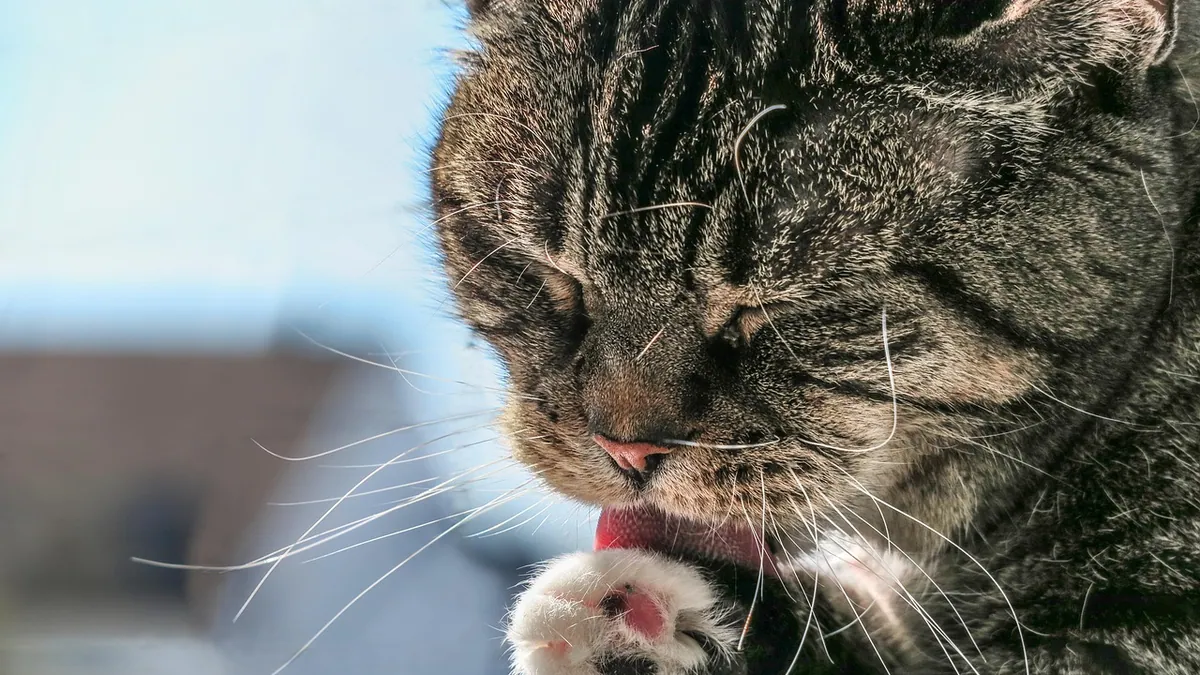
Is Odoban eucalyptus toxic to cats? Yes. The eucalyptus oil in eucalyptus-based disinfectants is toxic to cats, and the residue these products leave behind is a real exposure risk because cats groom it off their paws and coats [1]. The danger is not only the wet product. Dried residue on a floor a cat walks across can still be licked off later.
This article is educational and is not a substitute for veterinary diagnosis or treatment.
Quick Answer
- Eucalyptus is listed as toxic to cats, with eucalyptol (also called 1,8-cineole) as the toxic principle [1].
- Cats are unusually sensitive to eucalyptus oil. The safe feed level for cats is far lower than for dogs, which reflects how poorly cats handle this oil [2].
- Residue is the main household risk. Cats walk through a mopped area, then groom their paws and swallow the dried film.
- If your cat licked a freshly cleaned surface or walked on a wet floor, call your veterinarian, the ASPCA Animal Poison Control Center at (888) 426-4435, or Pet Poison Helpline at (855) 764-7661 right away.
- Do not induce vomiting unless a veterinarian tells you to.
Is Odoban Eucalyptus Toxic to Cats?
The short answer is that the eucalyptus component is the problem. Eucalyptus species are classified as toxic to cats, and the toxic principle is the essential oil eucalyptol [1]. A disinfectant built around eucalyptus oil carries that same toxic principle, even when it is diluted for household cleaning.
This does not mean every trace of a dried floor is a poisoning. It means the margin is narrow and depends on how much oil is in the product, how much residue is left, and how much your cat grooms off. Those variables are hard for an owner to judge at home. Your veterinarian or a poison control specialist can help you sort out the real risk for your specific situation.
Which Parts and Products Matter
The leaves, the oil, and any cleaner that lists eucalyptus oil or eucalyptol on the label all carry the same concern [1]. Concentrated oils are the most dangerous form. Ready-to-use sprays and diluted bucket solutions are less concentrated, but they still leave residue.
Is Odoban Cat Safe in General?
Odoban is a brand name, and different products in a brand line can have different ingredients. The safety question is not the brand name. It is whether eucalyptus oil or eucalyptol appears on the label of the specific bottle you own. If it does, treat the product as a eucalyptus exposure risk for your cat [1]. If you are unsure what is in your bottle, call the manufacturer or your veterinarian with the label in hand.
The Toxic Principle and What It Does in the Body
The toxic principle in eucalyptus is the essential oil eucalyptol [1]. Essential oils are concentrated plant chemicals. When a cat swallows even a small amount, the oil can irritate the mouth, throat, and stomach, which is why salivation, vomiting, and diarrhea are the classic early signs [1].
Cats handle many plant oils poorly compared with other species. One reason is that cats are small and their livers process certain chemicals differently than dogs or people do. Regulatory safety work on eucalyptus oil in animal feed shows this clearly. The level considered safe in complete feed is 58 mg/kg for dogs but only 10 mg/kg for cats [2]. That gap is a useful reminder that a dilution that seems mild for a dog is not automatically mild for a cat.
There is also a broader lesson about cats and chemical sensitivity. Some cats carry a genetic change that leaves them without working P-glycoprotein, a transporter molecule that helps move certain drugs and chemicals out of the brain. A cat with this change can develop severe neurologic signs from drugs that other cats tolerate [3]. This does not mean every cat reacts badly to every cleaner, but it does mean cats as a species deserve caution around concentrated oils and residues.
Signs of Eucalyptus Exposure in Cats
The classic signs listed for eucalyptus toxicity in cats are salivation, vomiting, diarrhea, depression, and weakness [1]. In practice, owners often notice the first clues as drooling, lip smacking, or a cat that suddenly seems quiet and off.
Signs can also reflect irritation where the product touched the cat. A cat that walked through a wet floor may lick its paws, then drool or vomit. A cat that brushed against a sprayed surface and groomed its coat may show stomach upset without any obvious skin wound.
How Soon Do Signs Appear?
Timing depends on how much oil the cat took in and how concentrated it was. Small residue exposures may cause mild drooling or one episode of vomiting within minutes to a few hours. Larger exposures, especially to concentrated oil, can produce signs faster and more severely. If your cat is showing any of the signs above, treat it as a same-day problem and call for guidance.
What to Do Right Now If Your Cat Licked Odoban
Stay calm and act quickly. First, move your cat away from the cleaned area and into a room with fresh air and no wet residue. Then call for professional advice.
Call your veterinarian, the ASPCA Animal Poison Control Center at (888) 426-4435, or Pet Poison Helpline at (855) 764-7661. Have the product label ready. The label tells the specialist what the active ingredients are, how concentrated the product is, and whether other chemicals besides eucalyptus are involved.
Do not induce vomiting unless a veterinarian tells you to. Vomiting an essential oil can push irritating material back up the throat and into the airway, and it is not the right move for every exposure.
If the product is on your cat's paws or coat, ask the poison specialist or your veterinarian whether bathing is appropriate and how to do it safely. Do not use another cleaner or a human shampoo on your cat unless a veterinarian approves it.
If You Are Not Sure Whether Your Cat Was Exposed
Call anyway. A cat that walked across a freshly mopped floor and then groomed its paws has a plausible exposure even if you did not see it lick anything. Poison control lines are set up for exactly this kind of question, and a short call can save you hours of worry or catch a problem early.
Veterinary Treatment for Eucalyptus Exposure
Treatment depends on the signs your cat has and how much oil it took in. A veterinarian will examine your cat, ask about the product and the timing, and decide what care is needed. There is no single home remedy for essential oil exposure.
Supportive care is the backbone of treatment. That can include fluids, medication to settle nausea or vomiting, and a quiet, warm place to recover. Cats with neurologic signs such as depression or weakness need closer monitoring [1]. If your cat is drooling heavily or having trouble swallowing, a veterinarian may need to manage the airway and keep the mouth clear.
Your veterinarian calculates any medication dose from your cat's weight and health. No dose should be guessed at home.
If you have other toxin questions while you are dealing with this, our guide to antifreeze poisoning in dogs and cats explains why some household chemicals are emergencies within minutes, and our overview of plants toxic to cats covers other common household hazards.
Outlook After Exposure
The outlook is usually good when exposure is small and treatment starts early. Mild cases often improve with supportive care alone. Cats with heavy exposure to concentrated oil, or cats that already have other health problems, may need more intensive care and a longer recovery.
Some poisonings in cats carry a very poor prognosis when treatment is delayed. A study of cats and dogs hospitalized for ethylene glycol poisoning found a survival-to-discharge rate of 0% in cats, largely because animals were often brought in more than 8 hours after signs began [4]. That is a different poison, but the lesson applies broadly. Time matters, and early calls give your cat the best chance.
Prevention and Safer Alternatives
The most reliable prevention is to keep eucalyptus cleaners out of your cat's environment. If you must use one, follow these steps.
- Keep your cat out of the room while you clean and until every surface is fully dry.
- Rinse the floor with plain water after cleaning if the label allows it, then let it dry completely.
- Store the bottle, the mop, and the bucket where your cat cannot reach them.
- Never use concentrated eucalyptus oil as a room scent, a flea repellent, or a home remedy for your cat.
- Wash your hands after cleaning, before you touch or handle your cat.
For routine cleaning, plain soap and water, or a cleaner with no essential oils, does the job with far less risk. If you want a pet-safe disinfectant, look for a product whose label does not list eucalyptus oil or eucalyptol, and ask your veterinarian if you are unsure.
If you are also checking other products around the house, our article on CBD oil for cats covers how cats handle plant-derived compounds differently from dogs, and our guide to toxic plants for cats in Australia is a useful cross-check for plant oils in general.
Limitations and When to Contact a Veterinarian
No article can tell you how much eucalyptus oil your cat actually swallowed. That depends on the product, the residue, and your cat's size and health. Individual cases need a veterinarian.
Call your veterinarian or a poison control line the same day if your cat drooled, vomited, or had diarrhea after contact with a eucalyptus cleaner, or if you saw your cat lick a cleaned surface.
Go to an emergency clinic now if your cat is weak, wobbly, depressed, unresponsive, breathing with effort, or vomiting repeatedly. These signs suggest a serious exposure and should not wait for a routine appointment [1].
Schedule a routine visit if your cat had a possible minor exposure, seems normal, but you want a professional check. Bring the product label or a photo of it.
Frequently Asked Questions
Is dried Odoban residue dangerous to cats?
Dried residue can still be a risk because cats groom their paws and coats and swallow whatever is on them. The amount of oil left after drying is usually much lower than in the wet product, but it is not zero. If your cat walks on a cleaned floor and then grooms, that is a real exposure route.
Can I use a eucalyptus cleaner if I keep my cat in another room?
Keeping your cat away during cleaning helps, but the room is only safe once every surface is completely dry. A cat that walks on a still-damp floor can pick up residue on its paws. Wait until the floor is dry to the touch before letting your cat back in.
What if my cat only stepped in it and did not lick it?
Cats groom their paws often, so stepping in a wet cleaner usually leads to licking soon after. Wipe or bathe the paws only if a veterinarian or poison specialist tells you to, and call for advice if you are unsure. Do not assume no licking happened just because you did not see it.
Does dilution make eucalyptus cleaners safe for cats?
Dilution lowers the concentration, but it does not remove the toxic principle [1]. Cats are more sensitive to eucalyptus oil than dogs, which is reflected in the much lower safe feed level set for cats compared with dogs [2]. A diluted cleaner may be lower risk, but it is not risk-free.
Are other essential oil cleaners safer for cats?
Not automatically. Many essential oils are concentrated plant chemicals, and cats can react badly to several of them. The safest approach is to choose cleaners with no essential oils and to keep your cat away until surfaces are dry. Ask your veterinarian before bringing any new scented cleaner into a home with a cat.
Related Articles
- CBD Oil for Cats: Feline Safety Profile and THC Toxicity
- What Plants Are Toxic To Cats In Australia
- Are Spider Plants Toxic To Cats
- Plants Toxic To Cats
- Antifreeze Poisoning in Dogs and Cats: What Owners Should Know
- Cat Ate a Cleaning Product: Immediate Steps and Toxicity Risks
- Is Eucalyptus Toxic to Dogs and Cats? Oil and Plant Risks
- Are Eucalyptus Candles Toxic to Cats?
- Is Disinfectant Toxic to Cats? Cleaning Spray Safety
References
- Toxic and Non-toxic Plants: Eucalyptus. ASPCA Animal Poison Control Center.
- Safety and efficacy of a feed additive consisting of an essential oil derived from Eucalyptus globulus Labill. (eucalyptus oil) for all animal species (FEFANA asbl). EFSA journal. European Food Safety Authority, 2023.
- Inherent P-glycoprotein deficiency and macrocyclic lactone toxicity in an Australian Maine Coon cat homozygous for ABCB11930_1931del TC. JFMS open reports, 2026.
- A retrospective case series of companion animals hospitalized for ethylene glycol poisoning at a Canadian veterinary teaching hospital. The Canadian veterinary journal = La revue veterinaire canadienne, 2026.