Are Marigolds Toxic to Cats? Types and Symptoms
By Dr. Zubair Khalid, DVM, MS, PhD ·
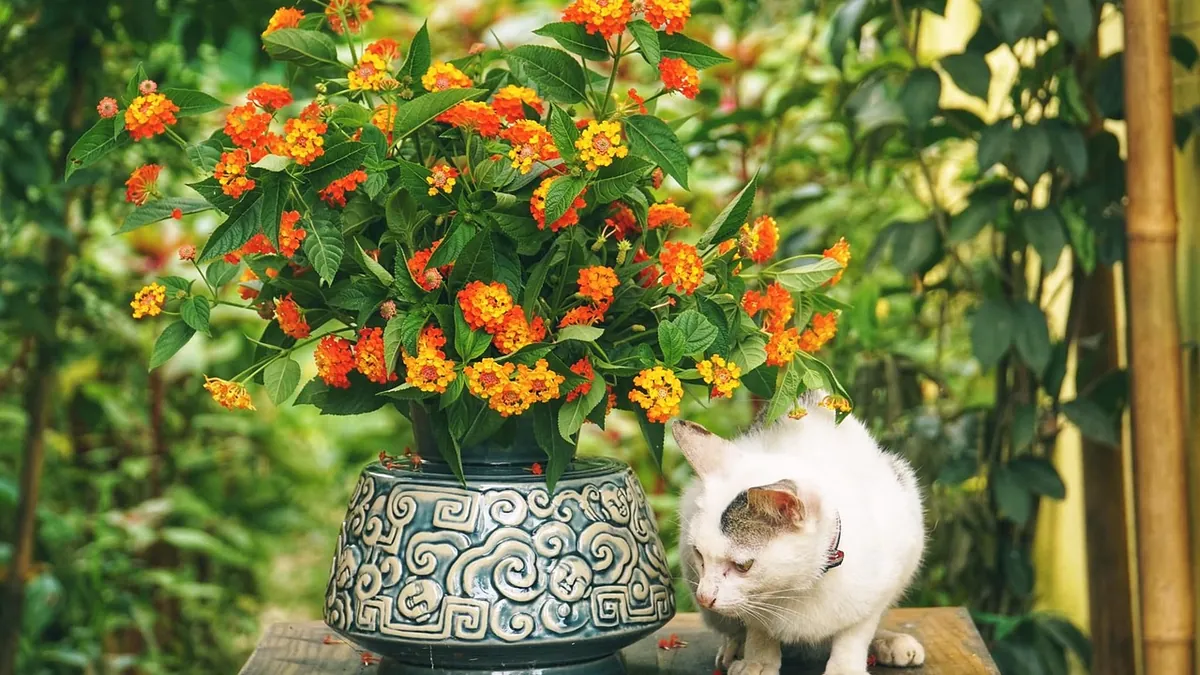
Marigolds come in several different plants that share one common name, and whether they harm your cat depends entirely on which one you have. True marigolds in the genus Tagetes, including African and French types, can irritate a cat's mouth and stomach, while pot marigold (Calendula officinalis) is listed as non-toxic to cats [1]. So the honest answer to "is marigold harmful to cats" is: sometimes, and the plant's scientific name matters more than the flower's nickname.
This article is educational and is not a substitute for veterinary diagnosis or treatment.
Quick Answer
- Pot marigold (Calendula officinalis) is classified as non-toxic to cats and dogs by the ASPCA Animal Poison Control Center [1].
- Garden marigold records also list Calendula officinalis as non-toxic, which is why the common name "marigold" causes so much confusion [2].
- Cape marigold (Dimorphotheca pluvialis), also called African daisy, is listed as non-toxic to cats, dogs, and horses [3].
- Tagetes marigolds (African and French) are the ones most often linked to mouth irritation, drooling, and stomach upset in cats, and they are not in the same genus as Calendula.
- If your cat ate any plant and is drooling, vomiting, or acting unwell, call your veterinarian, the ASPCA Animal Poison Control Center at (888) 426-4435, or Pet Poison Helpline at (855) 764-7661 right away.
Which Marigold Does Your Cat Have?
The word "marigold" gets attached to at least four different plants, and they do not behave the same way in a cat's body.
Pot Marigold (Calendula officinalis)
This is the plant most people mean when they talk about calendula cream or calendula tea. The ASPCA lists pot marigold, also called marigold, Mary Bud, or gold bloom, as non-toxic to both dogs and cats, with no toxic principle identified [1]. That means if your cat nibbles a calendula flower, serious poisoning is not expected.
Garden Marigold
Here is where naming gets messy. The ASPCA record titled "Garden Marigold" also lists the scientific name Calendula officinalis and repeats the non-toxic classification for cats and dogs [2]. In other words, that record is describing the same Calendula plant, not the Tagetes marigolds you buy as bedding annuals at a garden center.
African and French Marigolds (Tagetes)
African marigolds (Tagetes erecta) and French marigolds (Tagetes patula) are the bright orange and yellow flowers sold in flats every spring. They belong to the genus Tagetes, not Calendula. These are the plants most often reported to cause mouth irritation and gastrointestinal upset in cats. The ASPCA does not list Tagetes marigolds as non-toxic, and their leaves and stems contain oils and other compounds that can be irritating when chewed.
Mexican Marigold
Mexican marigold is another common name that gets applied loosely to several plants, including Tagetes species and sometimes other daisy family plants. Because the name is not standardized, treat any "Mexican marigold" as a Tagetes-type plant until you confirm the scientific name on the tag.
Cape Marigold (Dimorphotheca pluvialis)
Cape marigold, also called African daisy, is listed as non-toxic to dogs, cats, and horses [3]. It is a separate plant from both Calendula and Tagetes.
The practical rule: check the scientific name on the plant tag. If it says Calendula officinalis, the ASPCA considers it non-toxic [1]. If it says Tagetes, treat it as a gut irritant.
The Toxic Principle and What It Does in the Body
For Tagetes marigolds, the problem is not a single well-defined poison like the cardiac glycosides found in oleander [4]. Instead, the leaves, stems, and flowers contain volatile oils and other irritating plant compounds. When a cat chews them, those compounds contact the mouth, tongue, and stomach lining and cause local irritation. That irritation is what triggers drooling, pawing at the mouth, and vomiting.
For Calendula, no toxic principle is identified, and the ASPCA classifies it as non-toxic [1]. That does not mean a cat can eat unlimited amounts. Any plant material in a cat's stomach can cause mild nausea or a single vomit, especially if the cat eats a lot of it.
One more consideration is pollen. Ornamental plants in the daisy family (Asteraceae, also called Compositae) can trigger allergic skin and respiratory responses in sensitive people, and flower growers show a high rate of pollen allergy [5]. Cats can develop contact or inhalant reactions too, though this is a sensitivity issue, not poisoning.
Carotenoids from marigold flowers are used as feed additives in other species, and research in rabbits shows that dietary marigold flower extract changes how the body handles lutein, zeaxanthin, and related compounds [6]. That work was done in rabbits on a controlled diet, not in cats eating a houseplant, so it does not tell us what a nibble will do to your pet. It does confirm that marigold pigments are biologically active when eaten in quantity.
Signs of Marigold Irritation in Cats
Signs depend on how much your cat ate and which plant it was.
Tagetes (African or French Marigold) Exposure
- Drooling or foaming at the mouth
- Pawing at the face or rubbing the muzzle
- Redness or mild swelling of the lips and gums
- Vomiting, sometimes within 30 to 60 minutes of chewing
- Reduced appetite for a few hours
- Mild diarrhea
Most cases are mild and resolve with supportive care, but a cat that vomits repeatedly or refuses water needs to be seen.
Calendula (Pot Marigold) Exposure
- Usually no signs at all
- Occasional single vomit if a large amount was eaten
- Mild soft stool
When Signs Point to Something Else
If your cat is drooling heavily, staggering, having seizures, or breathing hard, marigold is probably not the cause. Those signs suggest a more serious toxin. Ethylene glycol (antifreeze) poisoning, for example, causes fatal kidney injury with acute tubular necrosis and calcium oxalate crystals in the kidneys [7]. Oleander causes sudden death from cardiac glycosides [4]. Both require emergency care immediately.
What to Do Right Now
- Identify the plant. Look at the tag or the pot label and find the scientific name. Calendula officinalis is a very different situation from Tagetes erecta.
- Move your cat away from the plant and remove any plant material from the mouth if you can do it safely without being bitten.
- Note the time of exposure and roughly how much was eaten.
- Call your veterinarian, the ASPCA Animal Poison Control Center at (888) 426-4435, or Pet Poison Helpline at (855) 764-7661. Have the plant name ready.
- Do not induce vomiting unless a veterinarian tells you to. Forcing vomiting can cause aspiration, make mouth irritation worse, and is dangerous if the plant or another toxin should not come back up.
- Offer fresh water. Do not offer food, milk, or home remedies unless your vet advises it.
- Watch for worsening signs over the next few hours, especially repeated vomiting, lethargy, or refusal to drink.
If you are unsure whether a plant in your home is safe, our guide to plants toxic to cats can help you sort through common house and garden plants.
Veterinary Treatment for Marigold Exposure
For most Tagetes exposures, treatment is supportive and simple.
- Your veterinarian will take a history, examine the mouth and throat, and check hydration.
- If plant material is still in the mouth, it may be gently rinsed away.
- If your cat is vomiting, anti-nausea medication and fluids may be given.
- Activated charcoal is sometimes used for certain toxins, but it is not routine for a mild plant irritant and is never given without veterinary direction.
- Blood work is usually not needed for a mild, known marigold exposure, but your vet may recommend it if your cat has other health problems or if the exposure is unclear.
Any medication dose is calculated by your veterinarian based on your cat's weight, age, and health status. Never give human medications at home.
Outlook
For Calendula, the outlook is excellent. The ASPCA classifies it as non-toxic, and most cats show no signs at all [1].
For Tagetes marigolds, the outlook is also good in most cases. Mouth and stomach irritation typically settles within a few hours to a day with supportive care. Cats that eat a large amount, have pre-existing kidney or liver disease, or develop persistent vomiting need closer monitoring.
The outlook is very different for plants that are genuinely dangerous. Cape marigold is non-toxic [3], but other common garden plants are not. If you are not sure what your cat got into, review what flowers are toxic to cats before you wait and see.
Prevention and Safer Alternatives
The simplest prevention is to keep Tagetes marigolds out of reach. Plant them in outdoor beds your cat cannot access, or use hanging baskets. If you keep potted marigolds indoors, place them on a shelf or in a room your cat does not enter.
If you want a cat-safe flowering plant indoors, Calendula officinalis is a reasonable choice based on its non-toxic classification [1]. Cape marigold is also listed as non-toxic to cats [3]. Keep in mind that "non-toxic" means it will not poison your cat, not that it is a snack. Cats that chew plants heavily may still vomit from the bulk of the plant material.
Other steps that help:
- Offer cat grass or a cat-safe chew plant so your cat has an appropriate outlet.
- Use physical barriers like citrus-scented deterrents or double-sided tape on windowsills.
- Check every new plant's scientific name before bringing it home.
- Keep cut flower arrangements out of reach, since mixed bouquets often contain several species.
- Store compost and yard clippings where cats cannot dig.
For a broader list of plants to avoid, see what plants and flowers are toxic to cats.
Limitations and When to Contact a Veterinarian
This article covers marigold-type plants only. It cannot tell you what your individual cat will do after eating an unknown amount of an unidentified plant. Individual cases need a veterinarian who can examine your cat and take a full history.
Contact your veterinarian the same day if:
- Your cat vomited more than once
- Your cat is drooling and will not stop
- Your cat has not eaten or drunk in 12 hours
- You are not sure what plant was eaten
Go to an emergency clinic now if:
- Your cat is having seizures, tremors, or is unresponsive
- Breathing is fast, noisy, or labored
- The gums are pale, blue, or bright red
- Your cat collapsed or cannot stand
- You suspect antifreeze, oleander, or another known severe toxin, since these can be fatal within hours [7][4]
Schedule a routine visit if your cat chews plants often, has chronic vomiting, or you want help cat-proofing your home.
Frequently Asked Questions
Is African marigold toxic to cats?
African marigold belongs to the genus Tagetes, and these plants are the ones most often linked to mouth irritation and stomach upset in cats. They are not classified as non-toxic the way Calendula is. If your cat chews an African marigold, expect drooling or a possible vomit, and call your vet if signs persist.
Is French marigold toxic to cats?
French marigold is also a Tagetes species, so the same caution applies. The irritating oils in the leaves and stems can cause drooling, pawing at the mouth, and vomiting. Most cases are mild, but repeated vomiting or lethargy warrants a veterinary call.
Is pot marigold toxic to cats?
No. Pot marigold, Calendula officinalis, is listed as non-toxic to cats and dogs with no toxic principle identified [1]. A cat that eats a small amount is unlikely to have any signs beyond a possible mild stomach upset from the plant bulk.
Is Mexican marigold toxic to cats?
The name "Mexican marigold" is used for more than one plant, and some of them are Tagetes species. Because the common name is not standardized, treat it as a potential gut irritant until you confirm the scientific name. If the tag says Tagetes, keep it away from your cat.
Are marigold flowers toxic to cats if they only eat the petals?
Petals from Tagetes marigolds are less irritating than the leaves and stems but can still cause drooling or a mild vomit. Petals from Calendula are considered non-toxic [1]. Either way, if your cat eats a large amount or shows signs that last more than a few hours, call your veterinarian or a poison control line.
Related Articles
- Plants Toxic To Cats
- What Plants Can Be Toxic To Cats
- What Flowers Are Toxic To Cats
- Flowers That Are Toxic To Cats
- What Plants And Flowers Are Toxic To Cats
- What Kind Of Plants Are Harmful To Cats
- Are Azaleas Toxic to Cats? Flowers, Leaves, and Bushes
- Are Begonias Toxic to Cats? Types and Symptoms
- Are Calla Lilies Toxic to Cats? Symptoms and Care
References
- Toxic and Non-toxic Plants: Pot Marigold. ASPCA Animal Poison Control Center.
- Toxic and Non-toxic Plants: Garden Marigold. ASPCA Animal Poison Control Center.
- Toxic and Non-toxic Plants: Cape Marigold. ASPCA Animal Poison Control Center.
- A Probable Fatal Case of Oleander (Nerium oleander) Poisoning on a Cattle Farm: A New Method of Detection and Quantification of the Oleandrin Toxin in Rumen. Toxins, 2019.
- Allergic responses to pollen of ornamental plants: high incidence in the general atopic population and especially among flower growers. The Journal of allergy and clinical immunology, 1998.
- The Effect of the BCO2 Genotype on the Expression of Genes Related to Carotenoid, Retinol, and α-Tocopherol Metabolism in Rabbits Fed a Diet with Aztec Marigold Flower Extract. International journal of molecular sciences, 2022.
- Ethylene glycol poisoning in a free-roaming cat associated with suspected animal cruelty: a forensic veterinary case report in South Korea. Frontiers in veterinary science, 2026.