Is Lysol Toxic to Dogs? Dried Surfaces, Sprays, Wipes
By Dr. Zubair Khalid, DVM, MS, PhD ·
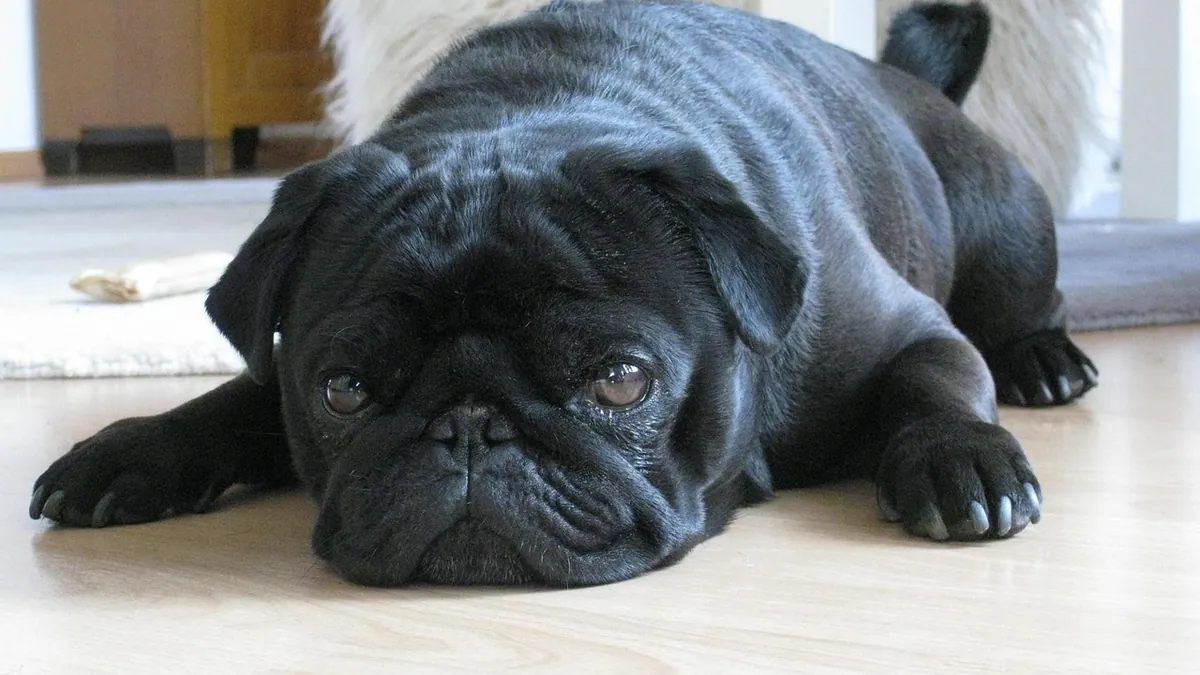
Is Lysol toxic to dogs? Yes, Lysol products can be toxic to dogs when they are wet, concentrated, or freshly applied. The risk drops a lot once a surface has fully dried, but some residue can remain and your dog can still pick it up through paws and licking. This article is educational and is not a substitute for veterinary diagnosis or treatment.
Quick Answer
- Wet Lysol is the real danger. Freshly sprayed or mopped product can irritate paws, skin, eyes, and the mouth, and swallowing it can cause vomiting and stomach upset.
- Dried surfaces are much lower risk for most dogs. Once a floor or counter is fully dry and any film is wiped away, the chance of serious poisoning from casual contact is small.
- The ingredients that matter most are quaternary ammonium compounds, phenols, bleach, and isopropyl alcohol. These are the ones linked to real harm in dogs [1][2].
- Puppies, small dogs, and dogs with heart or lung disease face higher risk because they take in more chemical per pound of body weight and have less reserve.
- If your dog licked or walked through wet product, call your veterinarian, the ASPCA Animal Poison Control Center at (888) 426-4435, or Pet Poison Helpline at (855) 764-7661 right away. Do not induce vomiting unless a veterinarian tells you to.
Is Lysol Toxic to Dogs After It Dries?
This is the question owners ask most, and the honest answer is: it depends on the product and how well you cleaned up.
When Lysol spray or cleaner is still wet, it is at full strength. A dog who walks through a wet puddle and then licks their paws is swallowing the active ingredients. A dog who licks a freshly sprayed counter is doing the same thing. That is when poisonings happen.
Once the surface is dry, most of the volatile ingredients have evaporated and the remaining film is thin. For a healthy adult dog, brief contact with a dry, previously cleaned floor is unlikely to cause serious problems. That said, "dry" is not the same as "rinsed." Some disinfectant residue can stay on hard surfaces for a while, especially if the product was used heavily or not wiped up. A determined licker or a puppy who chews at baseboards can still take in a meaningful amount.
The safest rule: treat any surface your dog can reach as a potential exposure until it has dried and, ideally, been wiped with plain water.
Which Lysol Products and Ingredients Are Harmful?
Lysol is a brand, not a single chemical. Different products contain different active ingredients, and the label is the only reliable way to know what you are using. The categories below cover the ingredients that matter most for dogs.
Quaternary Ammonium Compounds
Many Lysol disinfectant sprays, wipes, and all-purpose cleaners rely on quaternary ammonium compounds (often listed as "quats" or benzalkonium chloride). These are effective disinfectants and they are also the ingredients behind some of the most serious reported poisonings in dogs.
A case series described two dogs who were accidentally exposed to quaternary ammonium disinfectants in kennel settings. Both developed ulcerative lesions in the upper gastrointestinal tract, severe lung disease, and skin lesions. In one dog the skin damage became necrotizing, and both dogs were ultimately euthanized because of the severity of illness and poor response to treatment [2]. That report involved concentrated exposure, not a wiped-down kitchen floor, but it shows how much damage these chemicals can do when a dog gets a real dose.
Benzalkonium chloride, a common quaternary ammonium compound, is also used as a preservative in some eye medications. Research in dogs shows it can irritate the ocular surface and affect corneal sensitivity, which is one reason preservative-free eye drops are often preferred for long-term use [3][4]. That is a different route and a much lower concentration than a household spray, but it confirms the ingredient is not inert on canine tissue.
Phenols
Phenols show up in many household cleaners, from toilet bowl cleaners to all-purpose sprays. They are highly corrosive when they contact skin, eyes, or the mouth, and inhaling them can cause corrosive injury to the lungs [1]. Dogs are especially vulnerable because they are close to the floor and breathe in what settles there.
Bleach
Some Lysol products and many other cleaners contain bleach (sodium hypochlorite). Bleach on the skin can cause irritation to skin and fur. If a dog licks it off their paws, ingestion can lead to vomiting and stomach irritation and may need veterinary treatment depending on how much was swallowed. Bleach in the eye can damage the cornea and needs immediate flushing. Never mix bleach with ammonia or other chemicals, because the combination can release toxic chloramine gas that is corrosive to the lungs [1].
Isopropyl Alcohol
Rubbing alcohol, also called isopropanol, can be highly toxic to pets. Signs of poisoning include drunken behavior, low blood sugar, stomach upset, slow heart rate, and difficulty breathing [1]. Some disinfectant sprays and wipes contain alcohol, so check the label.
What the Toxic Ingredients Do in the Body
Different ingredients cause different problems, which is why the signs can look so varied.
Quaternary ammonium compounds are corrosive. When swallowed, they burn the lining of the mouth, throat, and stomach. When inhaled, they irritate the airways and can lead to severe lung disease. On skin, they strip and damage tissue, and in serious cases that damage can progress to necrosis [2].
Phenols are also corrosive. Contact with skin, eyes, or the mouth causes direct chemical injury, and breathing the fumes can injure the lungs [1].
Bleach causes irritation and chemical burns on contact, and swallowing it leads to vomiting and stomach irritation. The eye damage from bleach is a particular concern because corneal injury can be permanent if it is not flushed quickly [1].
Isopropyl alcohol acts more like a poison than a caustic. It causes neurological signs (the "drunk" appearance), drops blood sugar, slows the heart rate, and can make breathing difficult [1].
Signs of Lysol Poisoning in Dogs and How Fast They Appear
Signs usually show up within minutes to a few hours of exposure. The faster and more severe the signs, the more urgent the situation.
Watch for:
- Drooling, pawing at the mouth, or lip smacking after licking a surface
- Vomiting, sometimes with blood if there is corrosive injury
- Diarrhea or stomach pain
- Red, irritated, or blistered skin on the paws, belly, or muzzle
- Squinting, redness, or excessive tearing if product got in the eyes
- Coughing, wheezing, or trouble breathing after inhaling fumes
- Stumbling, wobbling, or acting "drunk" (more typical of alcohol exposure)
- Lethargy, weakness, or collapse in severe cases
Corrosive injury can get worse over the first 24 to 48 hours, so a dog who looks mildly uncomfortable right after exposure can deteriorate. Lung signs may take longer to become obvious than mouth or stomach signs.
What to Do Right Now
If you saw your dog lick, walk through, or inhale Lysol, act quickly.
- Move your dog away from the area and into fresh air.
- If product is on the skin or paws, rinse with lukewarm water. Rinsing the paws matters because dogs lick their feet, and that is how a floor cleaner becomes a swallowed dose [1].
- If product got in the eyes, flush the eye immediately with plain water or saline. Eye damage from these chemicals can be serious, and flushing right away is the single most useful thing you can do at home [1].
- Do not induce vomiting unless a veterinarian tells you to. Corrosive products can burn again on the way back up.
- Call your veterinarian, the ASPCA Animal Poison Control Center at (888) 426-4435, or Pet Poison Helpline at (855) 764-7661. Have the product label ready so you can read the active ingredients and concentration.
If your dog ate a cleaning product and you are not sure what to do next, this guide walks through the decision step by step: My Dog Ate a Cleaning Product: What Should I Do?.
How Veterinarians Treat Lysol Exposure
Treatment depends on the route and the amount.
For skin exposure, the focus is decontamination: washing the coat and paws thoroughly with mild soap and water, then checking for burns or irritation.
For eye exposure, the veterinarian will flush the eye and examine it with a stain to look for corneal damage. Pain medication and antibiotic drops may be needed.
For ingestion, treatment may include medications to protect the stomach lining, fluids for hydration, anti-nausea drugs, and pain control. If corrosive injury is suspected, the veterinarian may use imaging or an endoscope to assess the damage. Oxygen and breathing support are used if the lungs are involved.
There is no antidote that reverses these chemicals. Care is supportive and aimed at limiting damage and managing symptoms. The dose and specific drugs are calculated by the veterinarian based on your dog's weight, the product involved, and how the dog is responding.
Outlook After Exposure
Mild exposures, such as a dog who licked a dry floor or briefly stepped in a diluted cleaner, usually do well with rinsing and monitoring. Many of these dogs never develop signs at all.
Serious exposures are a different story. In the reported kennel cases, both dogs developed severe gastrointestinal, lung, and skin damage and were euthanized because they did not improve with treatment [2]. That outcome reflects concentrated, prolonged exposure, not a typical household spill, but it shows why you should not wait and see if a dog has clear signs after contact with a strong disinfectant.
Dogs who get prompt decontamination and veterinary care generally have a better chance of recovery. The first few hours matter most.
Prevention and Safer Cleaning Routines With Dogs
You do not have to give up cleaning. You just have to clean in a way that keeps your dog out of the wet product.
- Read the label every time. Active ingredients vary by product, and the label tells you what you are dealing with.
- Keep dogs out of the room while you clean. Close the door or use a baby gate until surfaces are dry.
- Ventilate. Open windows and run a fan so fumes do not linger at nose level.
- Rinse food and paw contact areas. After disinfecting floors, counters, and food bowls, wipe with plain water. This removes residue that a dog could lick.
- Store products out of reach. Dogs have been poisoned by chewing bottles and by licking spills.
- Never mix cleaners. Bleach plus ammonia can create toxic gas that harms lungs [1].
- Choose pet-safe options when you can. Diluted white vinegar, plain soap and water, and steam cleaning handle most everyday messes without leaving a chemical film.
If your dog's paws get dry or irritated from frequent floor cleaning, a pet-specific balm can help protect the skin barrier. Here is how to use one correctly: Dog Paw Balm: When and How to Use It for Dry or Irritated Paws.
And if you are ever tempted to reach for a human grooming product on a dog with irritated skin, read this first: Can You Use Human Dry Shampoo On Dogs Skin.
Is Lysol Toxic for Puppies?
Puppies are at higher risk than adult dogs for several reasons. They are smaller, so a given amount of chemical is a larger dose per pound. They explore the world with their mouths and lick floors, paws, and baseboards constantly. Their livers and kidneys are still developing, so they clear toxins less efficiently.
If you have a puppy, treat every cleaning session as a potential exposure. Clean when the puppy is confined elsewhere, let surfaces dry completely, and rinse anything the puppy can reach. If a puppy contacts wet Lysol, call a veterinarian or poison control even if the puppy seems fine, because small body size means signs can escalate quickly.
Limitations and When to Contact a Veterinarian
This article covers general principles, not your specific dog. Individual cases need a veterinarian who can examine the dog, identify the product, and decide on treatment.
Contact a veterinarian the same day if your dog licked or walked through wet Lysol and now has drooling, vomiting, diarrhea, or irritated paws, even if the signs seem mild.
Go to an emergency clinic now if your dog has trouble breathing, is coughing persistently, has burns or blisters in the mouth, is vomiting blood, is stumbling or weak, or has swelling or cloudiness in an eye after exposure.
Schedule a routine visit if your dog had a minor exposure, seems normal, but you want the paws, skin, or eyes checked. Bring the product label or a photo of it.
Frequently Asked Questions
Can my dog get sick from licking a floor cleaned with Lysol?
It depends on whether the floor was wet and how much residue was left. A dog who licks a fully dried, rinsed floor is unlikely to get seriously ill, but a dog who licks a freshly mopped floor or a heavy residue can develop drooling, vomiting, and stomach irritation. If you see signs, call your veterinarian or a poison control line.
Is Lysol spray worse than Lysol wipes for dogs?
Sprays tend to be riskier because the mist spreads through the air and settles on surfaces, paws, and fur, and dogs can inhale it. Wipes leave less airborne product, but the wet residue on a freshly wiped surface can still be licked off. Either way, keep your dog away until the surface is dry and rinse contact areas.
How long do I need to keep my dog off a Lysol-cleaned floor?
Keep your dog away until the floor is completely dry to the touch, which is usually minutes to a couple of hours depending on the product and ventilation. After that, a quick wipe or rinse with plain water adds another layer of safety, especially for puppies and dogs who lick the floor.
What if my dog walked through Lysol and I did not notice for hours?
Rinse the paws with lukewarm water and check the skin for redness, swelling, or blisters. Watch for drooling, vomiting, or lethargy over the next several hours. If your dog has any of those signs, or if the paws look damaged, contact your veterinarian or a poison control line.
Are "pet safe" or "natural" cleaners automatically safe for dogs?
No. A product labeled natural can still contain ingredients that irritate a dog's mouth, skin, or lungs, and "pet safe" claims are not a substitute for reading the label. The safest approach is to keep your dog away while you clean, ventilate the area, and rinse surfaces your dog contacts.
Related Articles
- My Dog Ate a Pen: Is It Toxic or Just a Blockage Risk?
- Can You Use Human Dry Shampoo On Dogs Skin
- Dog Paw Balm: When and How to Use It for Dry or Irritated Paws
- Should I Be Worried If My Dog Throws Up Yellow
- My Dog Ate a Cleaning Product: What Should I Do?
- Sensitive Skin Dog Wash
- Is Disinfectant Toxic to Dogs? Spray and Surface Risks
- Is Clorox Toxic to Dogs? Bleach and Wipe Safety
- Is Bleach Harmful to Dogs? Fumes, Paws, and Skin
References
- My Dog Ate Bleach the Dangers of. Pet Poison Helpline.
- Fatal exposure to quaternary ammonium disinfectant in 2 dogs. Journal of veterinary emergency and critical care (San Antonio, Tex. : 2001), 2023.
- Effects of topical ketorolac tromethamine on tear parameters, meibography, goblet cell density, and conjunctival oxidative stress in healthy dogs. Veterinary ophthalmology, 2024.
- Effects of topical flurbiprofen sodium, diclofenac sodium, ketorolac tromethamine and benzalkonium chloride on corneal sensitivity in normal dogs. Open veterinary journal, 2017.