Is Limelight Hydrangea Toxic to Dogs? What to Know
By Dr. Zubair Khalid, DVM, MS, PhD ·
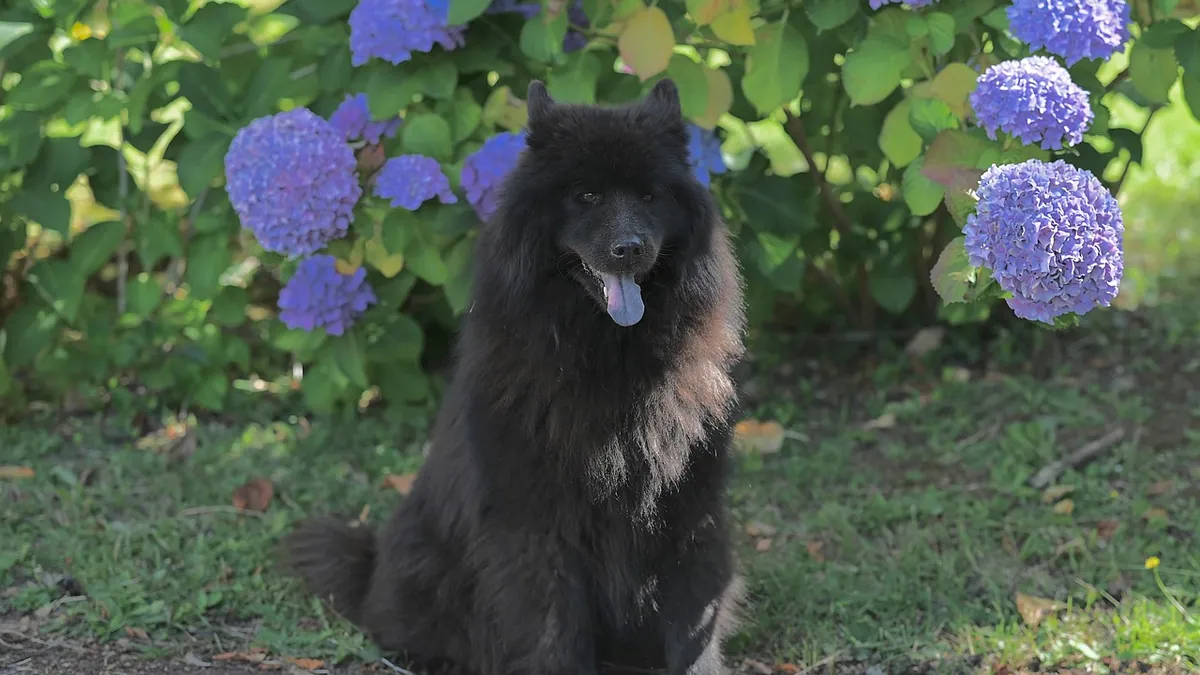
Is Limelight hydrangea toxic to dogs? Yes. Limelight hydrangea is a cultivar of Hydrangea paniculata, and hydrangeas are listed as toxic to dogs, cats, and horses [1]. The toxic principle is a cyanogenic glycoside, and the usual result of a dog nibbling the plant is stomach upset, not cyanide poisoning [1].
This article is educational and is not a substitute for veterinary diagnosis or treatment.
Quick Answer
- Limelight hydrangea is toxic to dogs. It belongs to the hydrangea group, which the ASPCA lists as toxic to dogs, cats, and horses [1].
- The toxic principle is a cyanogenic glycoside, a compound that can release cyanide when plant tissue is chewed and broken down [1].
- The most common signs are vomiting, depression, and diarrhea. True cyanide intoxication from hydrangea is rare and usually shows up as gastrointestinal upset instead [1].
- All above-ground parts matter, including leaves, buds, flowers, and stems. A dog that chews any of them has had a real exposure.
- If your dog ate part of the plant, call your veterinarian, the ASPCA Animal Poison Control Center at (888) 426-4435, or Pet Poison Helpline at (855) 764-7661. Do not induce vomiting unless a veterinarian tells you to.
Is Limelight Hydrangea Toxic to Dogs?
Yes. Limelight hydrangea is toxic to dogs [1]. The ASPCA plant record lists hydrangea under the scientific name Hydrangea arborescens, with additional common names including hortensia, Hills of Snow, and Seven Bark, and it classifies the plant as toxic to dogs, cats, and horses [1]. Limelight is a named cultivar of Hydrangea paniculata, a close relative within the same genus and family, so the same toxicity concern applies to it.
This matters because Limelight hydrangeas are a popular choice for American yards. They are hardy, they bloom heavily, and they hold their cone-shaped flower clusters for months. That long season means a dog has a long window to investigate the shrub, especially puppies and dogs who mouth everything in the yard.
Which Parts of the Plant Are Toxic?
The toxic principle is present in the plant tissue, so the leaves, buds, flowers, and stems all carry risk [1]. There is no part of a Limelight hydrangea that is known to be safe for a dog to eat.
Dried or fallen plant material is still a concern. A dropped flower head or a pile of pruned stems on the ground is just as accessible as the shrub itself, and sometimes more tempting because it is at nose level.
Are Hydrangea Products a Risk?
Cut flowers brought inside are a common exposure source. A dog who pulls a stem out of a vase or chews a dropped bloom has eaten plant tissue, and the same toxic principle applies [1].
Compost containing hydrangea trimmings is another easy access point. Keep clippings out of reach until they are fully broken down, or dispose of them where your dog cannot get to them.
The Toxic Principle and What It Does in the Body
Hydrangea contains a cyanogenic glycoside [1]. These compounds are stored in plant cells in a form that is not immediately active. When an animal chews the plant, the cells break open and enzymes convert the glycoside into hydrogen cyanide.
That sounds alarming, and cyanide is a serious poison. In practice, though, hydrangea exposures rarely produce true cyanide intoxication [1]. The amount of toxin a dog takes in from a few leaves or a flower head is usually small, and the body can detoxify low levels of cyanide. The result is more often a gastrointestinal disturbance than a systemic poisoning [1].
This pattern is different from plants with a much narrower margin of safety. For example, grayanotoxins from Ericaceae plants such as rhododendron and Pieris japonica cause retching, regurgitation, and vomiting in animals, and a systematic review of grayanotoxin poisoning found cases across livestock and companion animals including dogs [2]. Other plant toxicities can be far more severe. A case report described a dog with acute abdominal pain and vomiting after eating green potato skins, followed within five hours by progressive complications from a suspected higher-potency plant toxin, a "strychnine-like" poison with gastrointestinal, central nervous system, and cardiac effects [3]. Hydrangea does not behave like that in most cases, but the difference is not something you can judge at home.
If you want a broader picture of which garden and household plants put dogs at risk, see Plants Poisonous To Dogs.
Signs of Limelight Hydrangea Poisoning in Dogs
The recognized clinical signs of hydrangea toxicity are vomiting, depression, and diarrhea [1]. These are the signs to watch for after a known or suspected exposure.
What Each Sign Looks Like at Home
Vomiting may be a single episode or repeated. Some dogs bring up plant material, which can help confirm what happened.
Depression in this context means the dog is quieter than usual, less interested in food or activity, or sleeping more. It is not a mood problem, it is a sign of feeling unwell.
Diarrhea may be soft stool or watery stool. It can start after the vomiting or on its own.
Typical Timeline
Hydrangea poisoning is not well characterized in veterinary research in terms of a precise onset window, so your veterinarian will base timing on your dog's history and exam. In general, gastrointestinal signs from plant ingestion tend to appear within hours of eating the plant. If your dog ate the plant and is still completely normal several hours later, that is reassuring but not a reason to skip a call to your vet or a poison control line.
How Serious Is It?
Most hydrangea exposures cause gastrointestinal upset instead of cyanide poisoning [1]. That said, "most" is not "all." A dog who eats a large amount, a dog with an underlying health problem, and a very small dog or puppy all deserve a professional assessment. Severe or repeated vomiting and diarrhea can also lead to dehydration, which is a problem in its own right.
What to Do Right Now
Act on the exposure, not on how your dog looks in the first few minutes. Signs can take time to appear.
- Move your dog away from the plant and remove any plant material from the mouth if you can do it safely without being bitten.
- Collect information. Note which parts were eaten, roughly how much, and when. Take a photo of the plant if you are not certain of the identity.
- Call for advice. Contact your veterinarian, the ASPCA Animal Poison Control Center at (888) 426-4435, or Pet Poison Helpline at (855) 764-7661.
- Do not induce vomiting unless a veterinarian tells you to. Making a dog vomit when it is not appropriate can cause harm, and it is not a substitute for professional advice.
- Do not give human medications, home remedies, milk, or food to "soak up" the toxin unless a veterinarian directs it.
If your dog is vomiting repeatedly, seems weak, is breathing oddly, or is not responding normally, treat it as an emergency and go to a veterinary hospital now.
How Veterinarians Treat Hydrangea Exposure
Treatment depends on how much was eaten, how long ago, and how your dog looks. Your veterinarian will start with a physical exam and a detailed history.
Decontamination
If the exposure was recent and your dog is stable, your veterinarian may induce vomiting or give activated charcoal. These decisions are made case by case. Never do either at home on your own judgment.
Supportive Care
Most hydrangea cases are managed with supportive care. That can include intravenous fluids to correct dehydration, anti-nausea medication, and a bland diet once vomiting is controlled. Your veterinarian calculates any medication dose from your dog's weight and health status.
Monitoring and Testing
Blood work may be recommended to check hydration, electrolyte balance, and organ function, especially if your dog is very young, very old, or has other medical conditions. If a large ingestion is suspected, your veterinarian may monitor more closely for signs of systemic illness.
Outlook After Eating Limelight Hydrangea
The outlook is generally good for dogs who eat a small amount of hydrangea and receive prompt supportive care. Cyanide intoxication from hydrangea is rare, and the usual course is a gastrointestinal disturbance [1].
The outlook is less predictable when a large amount was eaten, when signs are severe, or when treatment is delayed. Dogs who develop significant dehydration or ongoing vomiting need more intensive care. Your veterinarian is the best judge of your individual dog's prognosis.
Prevention and Safer Alternatives
Prevention is simpler than treatment, and it does not require giving up your garden.
- Fence or block the shrub. A low decorative barrier around a Limelight hydrangea keeps a curious dog from reaching the leaves and flowers.
- Supervise yard time. Watch dogs who mouth plants, especially puppies, during the months when the shrub is leafed out and blooming.
- Clean up promptly. Rake fallen blooms and remove pruned stems the same day.
- Train a "leave it" cue. A reliable cue gives you a way to interrupt a dog who is heading for the plant.
- Choose dog-safe plantings for areas your dog uses most. If you want ideas for lower-risk garden plants, see Can Dogs Eat Grapefruit? Drug Interactions Warning for how plant and food toxicology questions are sorted out, and talk with your veterinarian or a poison control line about specific species before you plant.
One more household point. Not every poisoning comes from the garden. A case report described a young dog with early onset, recurrent epileptic seizures in which post-mortem testing revealed citalopram poisoning, and the report highlighted how important toxicology testing is in suspected cases [4]. If your dog has sudden neurologic signs and you do not know why, tell your veterinarian everything your dog could have accessed, indoors and out.
Limitations and When to Contact a Veterinarian
No article can tell you what is happening inside your specific dog. Individual cases need a veterinarian who can examine your pet, ask questions, and run tests if needed.
Contact a veterinarian the same day if your dog ate any part of a Limelight hydrangea, even if your dog seems fine right now. A same-day call is also appropriate if you are unsure whether the plant was eaten at all.
Go to an emergency veterinary hospital now if your dog has repeated vomiting, diarrhea with blood, weakness or collapse, trouble breathing, pale or blue gums, tremors, seizures, or a heartbeat that seems very fast or very irregular. These signs are not typical of hydrangea exposure [1], but they mean something serious is happening and your dog needs to be seen immediately.
Schedule a routine visit if your dog had a minor exposure, was seen by a veterinarian, and is recovering but still has soft stool or a reduced appetite after a few days.
Frequently Asked Questions
Can a dog die from eating Limelight hydrangea?
Death from hydrangea ingestion is very unlikely. Cyanide intoxication from hydrangea is rare, and the plant usually produces a gastrointestinal disturbance instead [1]. A dog with a huge ingestion or an underlying health problem still needs prompt veterinary care, so call for advice instead of waiting at home.
My dog only chewed a leaf and spit it out. Do I still need to call?
Yes, call. Chewing breaks plant cells and releases the cyanogenic glycoside, so even a chewed-and-spit leaf is a real exposure [1]. Your veterinarian or a poison control line can tell you whether monitoring at home is reasonable or whether your dog should be seen.
Are the flowers more dangerous than the leaves?
The toxic principle is in the plant tissue, and the leaves, buds, and flowers all carry risk [1]. There is no part of the plant that is considered safe to eat. Treat any part of a Limelight hydrangea as off limits for your dog.
Will my dog get sick from walking past the shrub or brushing against it?
No. Toxicity requires eating the plant, not touching it [1]. A dog who only brushes past the leaves or sniffs the flowers has not been poisoned. Watch for chewing, which is the behavior that matters.
Are other hydrangea varieties a problem too?
Yes. Hydrangeas as a group are listed as toxic to dogs, cats, and horses, and the ASPCA record names hortensia, Hills of Snow, and Seven Bark as additional common names [1]. Limelight is one cultivar within that group, so the same precautions apply to other hydrangeas in your yard. If you are unsure what a plant is, take a clear photo and ask your veterinarian or a poison control line before assuming it is safe.
Related Articles
- Plants Poisonous To Dogs
- Can Dogs Eat Plums? Toxicity Warnings & Pit Risks
- My Dog Ate a Peach Pit: Is It a Choking Hazard or Toxic?
- Can Dogs Eat Grapefruit? Drug Interactions Warning
- How Much Chocolate Can Be Toxic To Dogs
- Dog Grape Toxicity Symptoms
- Are Hydrangeas Toxic to Dogs? Signs and What to Do
- Is Annabelle Hydrangea Toxic to Dogs? Signs and Safety
- Is Hyacinth Toxic to Dogs? Bulbs, Scent, and Safety
References
- Toxic and Non-toxic Plants: Hydrangea. ASPCA Animal Poison Control Center.
- Grayanotoxin poisoning in animals following the ingestion of Ericaceae plants. Veterinary journal (London, England : 1997), 2026.
- Brunfelsia australis (Yesterday, Today, and Tomorrow tree) and Solanum poisoning in a dog. Journal of the American Animal Hospital Association, 2012.
- Case report - Animal abuse by condition falsification in a dog with epileptic seizures caused by citalopram poisoning. Forensic science international, 2026.