Is Hyacinth Toxic to Dogs? Bulbs, Scent, and Safety
By Dr. Zubair Khalid, DVM, MS, PhD ·
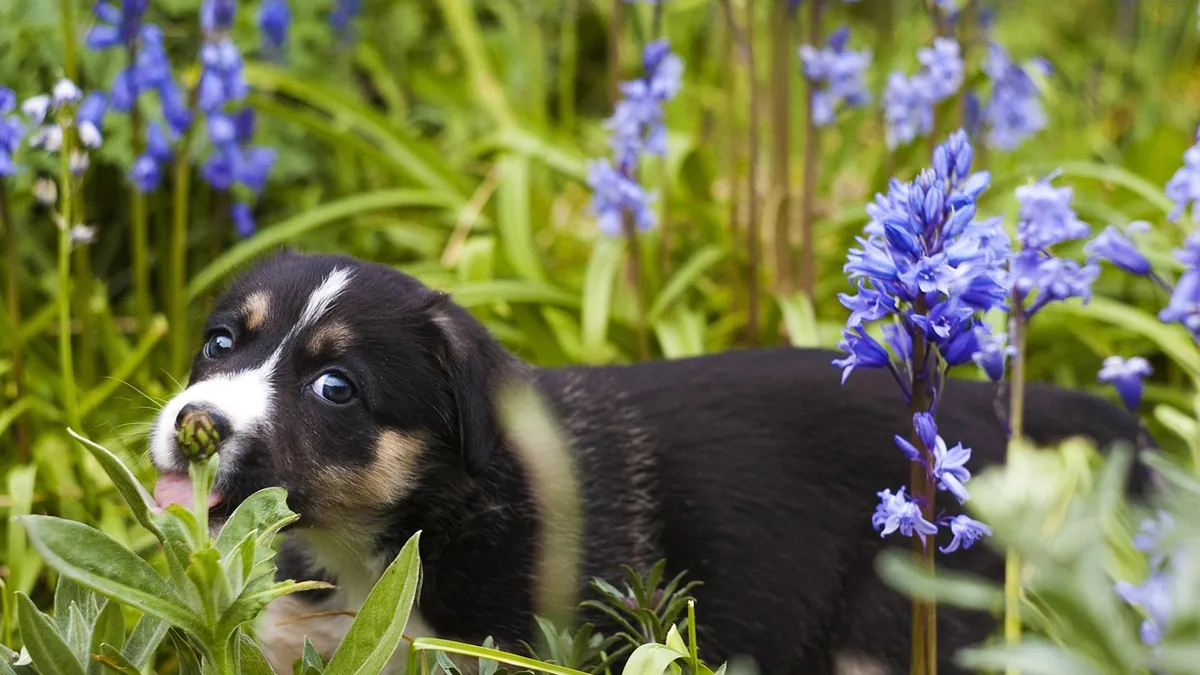
Is hyacinth dangerous to dogs? Yes. The bulbs, flowers, leaves, and stems of garden hyacinth contain toxins that can make a dog sick, and the bulb holds the highest concentration [1]. Most dogs who chew a bulb or flower will vomit, and a large bulb meal can cause more serious signs.
This article is educational and is not a substitute for veterinary diagnosis or treatment.
Quick Answer
- Garden hyacinth (Hyacinthus orientalis) is toxic to dogs, cats, and horses, with the bulb containing the most toxin [2][1].
- The main signs are intense vomiting, diarrhea (sometimes bloody), depression, tremors, dermatitis, and allergic reactions [2][1].
- The scent of hyacinth is not a poisoning risk. The danger comes from eating the plant, not smelling it.
- Pollen is not a known toxic hazard, but a dog who eats a whole flower head still swallows plant tissue that contains toxins.
- If your dog ate any part of a hyacinth, call your veterinarian, the ASPCA Animal Poison Control Center at (888) 426-4435, or Pet Poison Helpline at (855) 764-7661. Do not induce vomiting unless a veterinarian tells you to.
Is Hyacinth Dangerous to Dogs?
Hyacinth sits on the ASPCA list of plants toxic to dogs [2][1]. That listing covers the common garden hyacinth, Hyacinthus orientalis, which is the fragrant spring bulb most people grow indoors in forcing jars or plant outdoors in fall [1].
Every part of the plant carries some toxin, but the bulb is the most concentrated source [1]. That matters because bulbs are exactly what dogs dig up. A dog rooting through a flower bed in fall or pulling apart a forcing jar in winter can end up with a mouthful of bulb before you notice.
The flowers and leaves are less concentrated but still toxic. A dog who shreds a bouquet or grazes on outdoor hyacinth leaves is still eating a toxic plant.
Which Parts Are Toxic?
- Bulbs: highest toxin content, and the most common cause of significant poisoning [1].
- Flowers: toxic, though a dog usually eats less of them than of a bulb.
- Leaves and stems: toxic as well, and easy for a dog to nibble in the garden.
Are Hyacinth Bulbs Worse Than Flowers?
Yes. The bulb contains the highest amount of toxin, so a dog who eats a bulb is at greater risk than one who chews a petal or two [1]. Bulbs also tend to be swallowed in larger pieces because they are firm and appealing to chew.
Related Plants Owners Often Ask About
Is Grape Hyacinth Toxic to Dogs?
Grape hyacinth (Muscari) is a different plant from garden hyacinth, and it is not the same species listed in the hyacinth toxicity records [2][1]. Do not assume it is safe just because it looks similar. Treat any bulb plant your dog eats as a possible poisoning and call for advice.
Is Hyacinth Bean Toxic to Dogs?
Hyacinth bean (Lablab purpureus) is also unrelated to garden hyacinth. It is a climbing bean plant, not a bulb. Because it is not the plant described in the hyacinth records, the toxin profile is different, and you should not apply hyacinth guidance to it. If your dog ate hyacinth bean pods or seeds, call poison control with the plant name.
Is Water Hyacinth Toxic to Dogs?
Water hyacinth (Eichhornia) is an aquatic plant, not a garden bulb. It is not the same species as Hyacinthus orientalis. If your dog chews pond plants, identify the exact plant before deciding what to do, and call for guidance if you are unsure.
Is Hyacinth Smell Toxic to Dogs?
No. The fragrance that fills a room when hyacinths bloom is not a poisoning hazard. Dogs get sick from eating plant material, not from breathing the scent. A dog lying near a pot of blooming hyacinths is not at risk from the aroma alone.
That said, strong scents can bother some dogs with allergies or sensitive airways, the same way perfume or candles can. If your dog sneezes or coughs around blooming bulbs, move the plant to another room. That is comfort care, not toxin exposure.
Is Hyacinth Pollen Toxic to Dogs?
Pollen is not listed as a toxic principle for hyacinth [2][1]. The concern with pollen is different. A dog who licks pollen off a flower is also licking and possibly eating flower tissue, and that tissue is toxic. If your dog has seasonal allergies, pollen can trigger itching or sneezing, but that is an allergy problem, not plant poisoning.
What Is the Toxic Principle in Hyacinth?
The toxic principles in hyacinth are described as narcissus-like alkaloids [1]. Narcissus is the daffodil family, and those bulbs are well known for causing vomiting and drooling when eaten. Hyacinth bulbs appear to act in a similar way [2][1].
These alkaloids irritate the stomach and gut directly. That is why vomiting and diarrhea are the first and most common signs. In larger exposures, the toxins can affect the nervous system, which is where depression and tremors come from [2].
Plant poisonings in pets are often tied to ornamental garden and house plants, which is exactly the category hyacinth falls into [3]. Indoor poisoning is a recognized problem for companion animals because pets spend so much time in the home with plants [4].
Signs of Hyacinth Poisoning in Dogs
The classic signs are intense vomiting and diarrhea, sometimes with blood, along with depression and tremors [2]. Skin contact can cause dermatitis and allergic reactions in sensitive dogs [1].
What You Might See
- Repeated vomiting, often forceful
- Diarrhea, which may contain blood
- Drooling or lip smacking
- Low energy or unusual quietness
- Tremors or shaking
- Red, itchy, or irritated skin where plant sap touched the coat
Timeline
Signs usually show up within a few hours of eating the plant. Vomiting and stomach upset tend to appear first because the toxin irritates the gut directly. Nervous system signs such as depression and tremors are more likely with larger exposures, such as a dog who eats a whole bulb [2].
If your dog ate hyacinth and is still normal several hours later, keep watching. Some dogs vomit once and recover, while others get worse over the first day.
What To Do Right Now
- Move your dog away from the plant and pick up any remaining bulb pieces so your dog cannot eat more.
- Check your dog's mouth for plant material and wipe out any visible pieces with a cloth. Do not stick your fingers deep into the throat.
- Call your veterinarian, the ASPCA Animal Poison Control Center at (888) 426-4435, or Pet Poison Helpline at (855) 764-7661.
- Tell them what part was eaten (bulb, flower, leaf), roughly how much, and when.
- Do not induce vomiting unless a veterinarian tells you to. Vomiting a bulb can cause choking or damage to the esophagus, and some cases should not be made to vomit at all.
- Save the plant or a photo of it. Identification helps the veterinarian plan treatment.
If your dog is vomiting repeatedly, trembling, or acting dull, go to a veterinary clinic now instead of waiting for a callback.
How Veterinarians Treat Hyacinth Poisoning
Treatment depends on how much was eaten and how sick your dog is. Your veterinarian will calculate any medication dose from your dog's weight and health, so no home dosing is safe here.
Typical care includes:
- Decontamination if the exposure was recent and your veterinarian decides it is safe
- Medications to control vomiting and protect the stomach lining
- IV fluids if vomiting and diarrhea have caused dehydration
- Blood work to check electrolytes and organ values
- Monitoring for tremors or other nervous system signs, with treatment if they appear
Most dogs who eat a small amount and get early care do well. Dogs who eat a large bulb, or who wait a long time before treatment, can become dehydrated and need more intensive support.
Outlook After Eating Hyacinth
Mild cases often improve within a day or two with supportive care. Vomiting and diarrhea are the main problems, and they respond well to treatment when owners act quickly [2].
More serious cases involve heavy bulb ingestion, ongoing vomiting, bloody diarrhea, or tremors. These dogs need hospitalization and closer monitoring. The sooner treatment starts, the better the odds.
Prevention and Safer Alternatives
Prevention is mostly about access. Keep potted hyacinths on high shelves or in rooms your dog cannot enter. When you plant bulbs outdoors, fence the bed or cover the soil so digging is not rewarding. After forcing hyacinths indoors, throw spent bulbs in a sealed trash can, not in the yard or an open compost pile.
If your dog is a digger or a chewer, choose plants that are not toxic. You can find options in our guide to plants that aren't toxic to cats and dogs. For a broader list of dangerous plants, see plants poisonous to dogs.
Keep in mind that dogs who chew plants often chew other household items too. If your dog has a habit of eating things that are not food, review our article on what happens when a dog ate a candle for a sense of how quickly household items can become emergencies.
Limitations and When to Contact a Veterinarian
This article covers the general pattern of hyacinth poisoning, but every dog is different. Body size, how much was eaten, and how fast treatment starts all change the outcome. Individual cases need a veterinarian who can examine your dog.
Contact a veterinarian the same day if your dog ate any part of a hyacinth, even if your dog seems fine right now. Early advice can prevent a mild case from becoming a serious one.
Go to an emergency clinic now if your dog has repeated vomiting, bloody diarrhea, tremors, collapse, or extreme lethargy. These signs mean the exposure was significant and treatment should not wait.
Schedule a routine visit if your dog had skin contact with hyacinth sap and has an itchy rash, or if vomiting stopped but your dog still seems off a day later.
Frequently Asked Questions
Will my dog get sick from just smelling hyacinth?
No, the scent alone does not cause poisoning. Dogs get sick from eating the plant, especially the bulb. If your dog only sniffed a bloom and did not chew it, the risk is very low.
How much hyacinth does a dog have to eat to get sick?
There is no simple amount that applies to every dog. The bulb is the most toxic part, so even a small piece can cause vomiting in a small dog. Call poison control with your dog's weight and the amount eaten for specific guidance.
My dog vomited once after chewing a hyacinth leaf. Do I still need to call?
Yes, call for advice. A single vomit can be the whole story, or it can be the start of worsening signs. A veterinarian can tell you what to watch for based on what your dog ate.
Can hyacinth hurt my dog through skin contact?
Skin contact can cause dermatitis and allergic reactions in some dogs [1]. Wash the area with mild soap and water, and call your veterinarian if the skin stays red, itchy, or irritated.
Are daffodils and hyacinths equally dangerous to dogs?
Both contain similar alkaloids and both are toxic to dogs, and the bulb is the most dangerous part of each [2][1]. Treat any bulb plant your dog digs up as a poisoning risk and call for advice.
Related Articles
- Plants Poisonous To Dogs
- Dog Ate a Candle: Wax, Wicks, and Fragrance Risks Explained
- Plants That Aren't Toxic To Cats And Dogs
- Dog Ate a Light Bulb: What to Do and When to Worry
- Xylitol Poisoning in Dogs: What Owners Need To Know
- Toxicology of Xylitol in Dogs: Mechanisms, Clinical Signs, Emergency Management, and Owner Education
- Is Rhododendron Toxic to Dogs? Leaves, Flowers, Wood
- Is Geranium Toxic to Dogs? Leaves and Oil Risks
References
- Toxic and Non-toxic Plants: Garden Hyacinth. ASPCA Animal Poison Control Center.
- Toxic and Non-toxic Plants: Hyacinth. ASPCA Animal Poison Control Center.
- Potential plant poisonings in dogs and cats in southern Africa. Journal of the South African Veterinary Association, 2009.
- Indoor Companion Animal Poisoning by Plants in Europe. Frontiers in veterinary science, 2020.