Can Rabbits and Parrots Eat Limes and Lemons?
By Dr. Zubair Khalid, DVM, MS, PhD ·
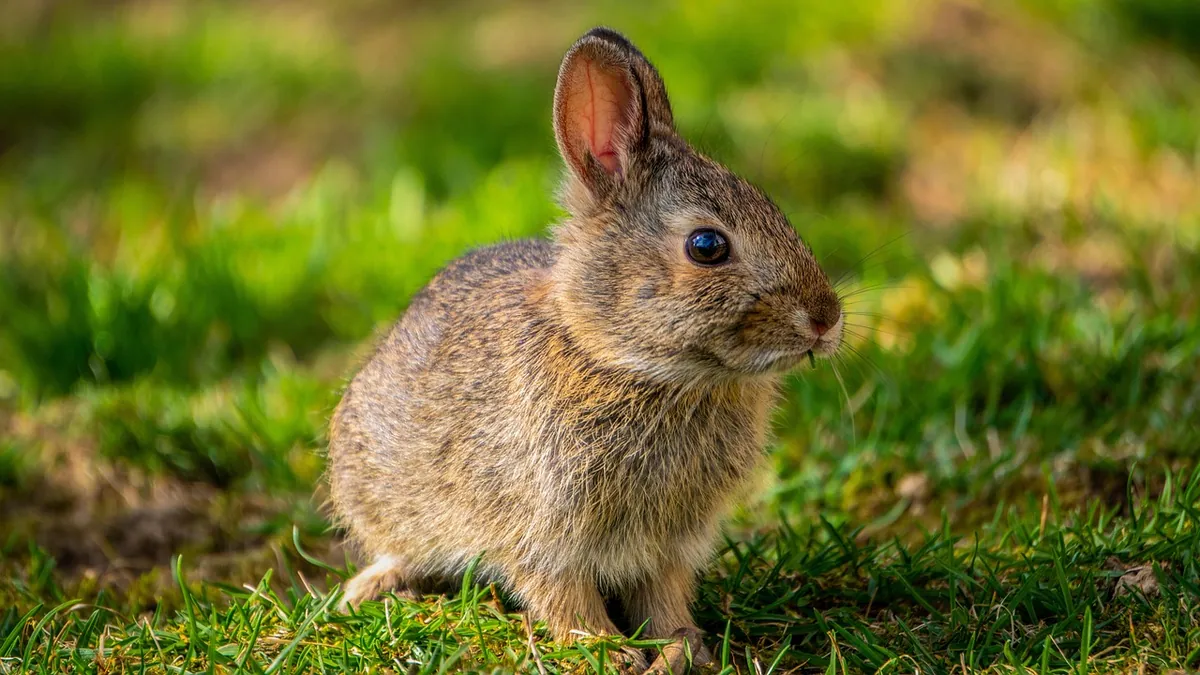
Can rabbits eat lemons and limes? No. Citrus fruit is too acidic for a rabbit's digestive tract, and most rabbits will refuse it anyway. Parrots can nibble a tiny piece of lime or lemon flesh on rare occasions, but the fruit offers them almost nothing nutritionally and can irritate the mouth and stomach.
This article is educational and is not a substitute for veterinary diagnosis or treatment.
Quick Answer
- Rabbits should not eat lemons or limes. The acid and sugars can upset their gut and disrupt the delicate balance of their digestive system.
- Parrots can have a very small piece of citrus flesh (about the size of a pea) occasionally, but it should not be a regular part of the diet.
- Never feed the peel, rind, seeds, or leaves. These parts carry oils and compounds that can cause more problems than the flesh.
- Citrus is not a needed nutrient for either species. Rabbits need hay, greens, and a small amount of pellets. Parrots need a balanced diet built around formulated pellets, vegetables, and some fruit.
- If your pet ate a large amount of lemon or lime, watch for drooling, pawing at the mouth, vomiting, or diarrhea, and call your veterinarian.
Can Rabbits Eat Lemons and Limes?
No. Rabbits should not eat lemons or limes. Their digestive system is built for fiber, not fruit acid. A rabbit's gut relies on a steady flow of hay and leafy greens to keep the intestines moving and the gut bacteria stable. Sudden acidic or sugary foods can throw that balance off.
Many owners ask, "can bunnies eat limes" or "do rabbits eat limes" because they see their pet sniffing a piece of fruit. A curious sniff does not mean it is safe. Rabbits are herbivores that evolved eating grasses and leaves, not citrus. If you want to understand what belongs in a rabbit's bowl, see Diet Of A Rabbit and What Do Rabbits Need In Their Diet.
Why Citrus Is a Poor Fit for Rabbits
Lemon and lime flesh is high in acid and natural sugars. A rabbit's mouth and stomach are not designed to handle that kind of acid load. Even a small piece can cause mouth irritation, drooling, or a refusal to eat. When a rabbit stops eating, that is a serious problem because their gut can slow down quickly.
The peel is even worse. Citrus peel contains essential oils, and those oils are concentrated. Research on citrus peel extracts shows they contain bioactive compounds with strong activity against microbes and insects [1][2]. That same potency is exactly why you should not offer peel to a small pet. A rabbit's body is not set up to process those oils.
Nutritional Content and Any Real Benefit
Lemons and limes do contain vitamin C and some plant compounds. For humans, that is a plus. For rabbits, it is not a benefit they need. Rabbits make their own vitamin C in their body, so they do not require dietary vitamin C the way humans and guinea pigs do. There is no nutritional gap that lemon or lime fills for a rabbit.
Some citrus compounds have shown antifungal and insecticidal activity in laboratory and veterinary research [1][2]. That work is about developing topical or pest-control products, not about feeding citrus to pets. Do not read those findings as a reason to feed lemon or lime to your rabbit.
Risks for Rabbits
The main risks are mouth irritation, stomach upset, and gut slowdown. Acid can burn or sting the sensitive tissue inside a rabbit's mouth. Sugars can feed the wrong bacteria in the gut. If a rabbit eats enough citrus, you may see:
- Drooling or wet fur around the chin
- Pawing at the mouth
- Refusing food or hay
- Soft stool or diarrhea
- Less poop than normal
- Hiding or acting painful
A rabbit that stops producing normal droppings needs veterinary care the same day. Gut stasis is a life-threatening emergency in rabbits.
Seeds are another hazard. Citrus seeds can be a choking risk, and they can block the small intestine if swallowed. Never offer seeds.
Can Parrots Eat Lemons and Limes?
Parrots can eat a very small amount of lemon or lime flesh, but it should be rare. The acid is strong, and many birds will reject it after one taste. If your bird does eat a piece, keep it tiny, roughly pea-sized, and no more than once in a while.
Owners of smaller birds often ask, "can parakeets eat limes?" The answer is the same as for larger parrots. A tiny taste is not toxic, but it is not a healthy regular food. Budgies and other small parrots have tiny bodies, so even a small amount of acid or sugar matters more.
Why Citrus Is Not a Good Staple for Birds
Parrots need a diet built on formulated pellets, fresh vegetables, and a modest amount of fruit. Citrus adds acid and sugar without adding much that a parrot needs. A bird that fills up on fruit may eat less of the pellets and vegetables that keep it healthy.
Some citrus compounds act on the nervous system of insects and can change feeding behavior in flies [3]. That research is about insect pests, not parrots, but it shows that citrus oils are biologically active. That is another reason to keep peel and rind away from your bird.
Risks for Parrots
The biggest concerns for birds are mouth irritation, stomach upset, and the peel. Citrus peel oil can irritate a bird's mouth, throat, and crop. Seeds can be a choking hazard. If your bird eats a lot of citrus, watch for:
- Head shaking or wiping the beak
- Drooling or vomiting
- Fluffed feathers
- Diarrhea or changed droppings
- Less interest in food
Any bird that vomits or stops eating should see an avian veterinarian promptly.
Safe and Unsafe Forms of Citrus
| Form | Safe for Rabbits? | Safe for Parrots? | Notes |
|---|---|---|---|
| Lemon or lime flesh | No | Tiny piece, rarely | High acid and sugar, no real benefit |
| Peel or rind | No | No | Concentrated oils can irritate mouth and gut |
| Seeds | No | No | Choking and blockage risk |
| Leaves or stems | No | No | Not a food source, may carry oils |
| Juice | No | No | Concentrated acid and sugar |
| Citrus-flavored treats | No | No | Often contain added sugar or xylitol |
| Candied or dried citrus | No | No | Added sugar, sometimes sulfites |
Additives and Hidden Dangers
Never give your pet human citrus products. Lemonade, limeade, citrus candy, and citrus baked goods often contain sugar, salt, xylitol, or other sweeteners. Xylitol is dangerous for dogs, and it can cause a life-threatening drop in blood sugar. Some citrus drinks also contain garlic or onion powder, which are toxic to dogs and cats.
If you have a dog or cat in the house, keep citrus products out of reach. Dogs and cats are not the target of this article, but they share your home, and citrus items with xylitol, garlic, or onion are a real hazard. For a safe treat comparison, see Can Dogs Eat Carrots and Can Cats Eat Bananas.
How to Offer Citrus Safely (If You Choose To)
For parrots only, if you want to offer a taste:
- Wash the fruit well.
- Cut a piece of flesh about the size of a pea.
- Remove every seed and all peel.
- Offer it in a clean bowl, not from your hand or mouth.
- Remove anything uneaten within a couple of hours.
For rabbits, do not offer lemon or lime at all. If you want to give your rabbit a fruit treat, choose a small piece of a rabbit-safe fruit such as apple (no seeds) or banana, and keep it to a thumbnail-sized portion once or twice a week at most. Learn more about rabbit diet basics in What Type Of Diet Do Rabbits Have.
Parts and Preparations to Avoid
Avoid peel, rind, pith, seeds, leaves, stems, juice, and any processed citrus product. Avoid citrus essential oils around birds and small pets. Diffusers and sprays can put oils into the air where a bird's sensitive respiratory system may react. Keep citrus-scented cleaners away from food bowls and cages.
What to Do If Your Pet Ate Too Much
If your rabbit ate a piece of lemon or lime, remove the rest and offer fresh hay and water. Watch for drooling, pawing at the mouth, or changes in droppings. Call your veterinarian if you see any of those signs, or if your rabbit stops eating.
If your parrot ate citrus, check the mouth for pieces of peel or seed. Watch for vomiting, head shaking, or fluffed feathers. Call your avian veterinarian if symptoms appear.
If a dog or cat ate a citrus product that contains xylitol, garlic, onion, or a large amount of sugar, treat it as an emergency. Contact your veterinarian or an animal poison control hotline right away. Do not wait for symptoms.
Safer Alternatives
For rabbits, the safest treats are hay-based or small pieces of rabbit-safe vegetables and greens. Good options include romaine, cilantro, parsley, and small amounts of bell pepper. Fruit should be a rare, tiny treat.
For parrots, offer vegetables like broccoli, carrots, and leafy greens. Small amounts of apple, banana, or melon are better fruit choices than citrus. Pellets should make up the base of the diet.
For dogs and cats, skip citrus and choose pet-safe treats. Carrots are a good low-calorie option for many dogs. Plain cooked banana can be a small occasional treat for some cats.
Limitations and When to Contact a Veterinarian
This article gives general guidance. Every animal is different, and individual cases need a veterinarian who can examine your pet.
Contact your veterinarian the same day if your rabbit shows drooling, pawing at the mouth, no droppings for several hours, or refusal to eat. Contact your avian veterinarian the same day if your bird vomits, shakes its head repeatedly, or stops eating.
Go to an emergency clinic now if your rabbit is limp, breathing hard, or has not pooped for many hours. Go now if your bird is fluffed, sitting on the cage floor, or having trouble breathing. Go now if a dog or cat ate a citrus product with xylitol, garlic, or onion.
For routine questions about diet, ask your veterinarian at your next visit. Bring a list of everything your pet eats, including treats and table food.
Frequently Asked Questions
Can rabbits eat lemon peel?
No. Lemon peel contains concentrated oils that can irritate a rabbit's mouth and digestive tract. Even a small piece can cause drooling or stomach upset. Keep all peel and rind away from rabbits.
Can parrots have lemon juice?
No. Lemon juice is concentrated acid and sugar with no real benefit for a parrot. It can irritate the mouth and crop. Offer water or a piece of safe vegetable instead.
Do rabbits eat limes in the wild?
No. Rabbits eat grasses, leaves, and other plant material. Citrus fruit is not part of their natural diet, and their digestive system is not built to handle it.
Can parakeets eat lime peel?
No. Lime peel contains oils that can irritate a small bird's mouth and throat. Peel is also a choking risk for tiny birds. Stick to pellets, vegetables, and a rare piece of safe fruit.
What if my rabbit licked a lime?
A single lick is unlikely to cause serious harm, but watch for drooling, pawing at the mouth, or changes in eating and droppings. If any of those signs appear, call your veterinarian. Do not offer more citrus.
Related Articles
References
- Antifungal Effects of Citrus maxima Cultivar Tubtim-Siam Peel Extract Against Malassezia pachydermatis Isolated from Dogs. Pathogens (Basel, Switzerland), 2026.
- Insecticidal and Repellent Activity of Essential Oils from Copaifera reticulata, Citrus paradisi, Lavandula hybrida and Salvia sclarea Against Immature and Adult Stages of Ctenocephalides felis felis. Acta parasitologica, 2024.
- Visualization of antennal lobe glomeruli activated by nonappetitive D-limonene and appetitive 1-octen-3-ol odors via two types of olfactory organs in the blowfly Phormia regina. Zoological letters, 2020.