Can Dogs Eat Spinach Artichoke Dip? Dairy and Onion Risks
By Dr. Zubair Khalid, DVM, MS, PhD ·
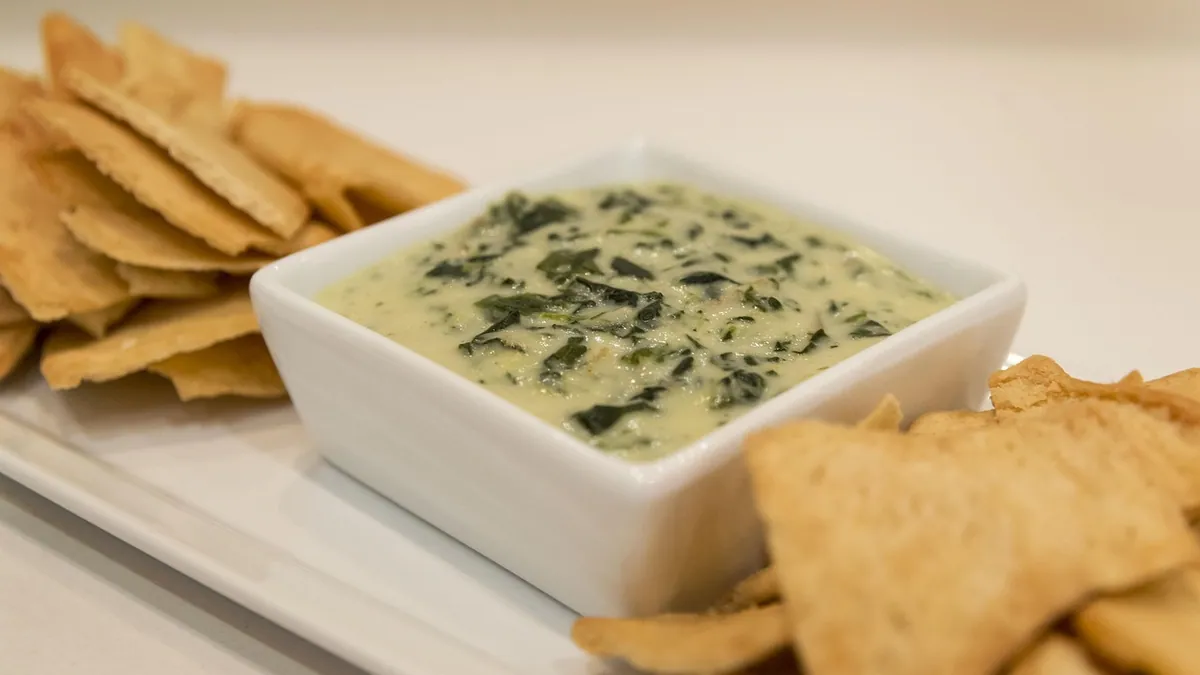
Can dogs eat spinach artichoke dip? No, this dip is not safe for dogs. The spinach and artichoke hearts themselves are not the problem. The danger comes from the onion and garlic powder that give the dip its flavor, along with the heavy cream, cream cheese, and mayonnaise that can trigger serious digestive problems. This article is educational and is not a substitute for veterinary diagnosis or treatment.
Quick Answer
- Do not feed spinach artichoke dip to your dog. Onion and garlic powder are toxic to dogs and can damage red blood cells [1].
- Even a small amount of dip can cause problems. Onion and garlic poisoning can happen with large single doses or repeated smaller amounts over time [1].
- The high fat content is a separate risk. Rich dairy and oil can cause vomiting, diarrhea, and pancreatitis in some dogs [2].
- Plain, cooked spinach or plain artichoke hearts without seasoning are safe in small amounts. Skip anything with onion, garlic, cheese sauce, or added salt.
- If your dog ate dip containing onion or garlic powder, call your veterinarian or Pet Poison Helpline at (855) 764-7661 right away [3].
Is Spinach Artichoke Dip Safe for Dogs?
No. Spinach artichoke dip is unsafe for dogs, and the reason has nothing to do with the vegetables in the name. This dip is a combination of ingredients that each carry their own risk, and together they make a food that should stay out of your dog's bowl.
The most serious concern is onion and garlic. Most spinach artichoke dip recipes call for onion powder, garlic powder, or both. These concentrated powders are a common source of Allium toxicosis in dogs [1]. When dogs eat onions or garlic in large or repeated amounts, the compounds in these plants damage red blood cells and cause a condition called Heinz body anemia [1]. Onion and garlic powder are more concentrated than fresh onion, so even a small spoonful of dip can deliver a meaningful dose.
The second concern is fat. Spinach artichoke dip is typically made with cream cheese, sour cream, mayonnaise, mozzarella, or Parmesan. That is a lot of fat in a small serving. High-fat foods are a well-known trigger for gastrointestinal upset and are frequently cited as a risk factor for pancreatitis in dogs [2].
The third concern is volume and richness. Even if a dip were made without onion or garlic, the dairy load alone could cause vomiting or diarrhea in a dog whose gut is not used to it.
If you are wondering whether your dog can eat the vegetables on their own, the answer is different. Plain spinach and plain artichoke are not toxic to dogs. The dip is the problem, not the produce.
What About the Spinach and Artichoke Themselves?
Plain spinach and plain artichoke hearts are generally safe for dogs in small amounts. They are not toxic, and they can add a little fiber and variety to a balanced diet.
Spinach contains plant compounds called ecdysteroids, which have shown antioxidant and anti-inflammatory activity in research settings [4]. That does not mean spinach is a medicine for your dog, but it does mean the leaf itself is not a poison. The bigger issue with spinach is oxalic acid, which matters most for dogs with certain kidney or urinary conditions. If your dog has a history of kidney problems, bladder stones, or calcium oxalate crystals, talk to your veterinarian before adding spinach to their food. You can read more about that in our guide on Can Dogs Eat Spinach? Oxalic Acid & Kidney Warnings.
Artichoke has also been studied for liver support in dogs. A nutritional supplement containing artichoke, along with silymarin, choline chloride, l-cystine, and vitamin E, was given to dogs for 30 days and was associated with beneficial effects on antioxidant status and liver enzymes in both healthy dogs and dogs with liver enzyme changes [5]. That study looked at a specific supplement, not the artichoke hearts in a dip, so it does not mean you should feed your dog artichoke dip. It does suggest that artichoke itself is not inherently dangerous.
The takeaway is simple. Plain, cooked, unseasoned spinach or artichoke hearts can be offered as a small treat. The moment either one is folded into a creamy, seasoned dip, it becomes a different food with different risks.
The Real Danger: Onion and Garlic Powder
Onion and garlic are the top reason to keep spinach artichoke dip away from your dog. These ingredients belong to the Allium family, and they are toxic to dogs.
When onions and garlic are eaten in large or chronic amounts, they cause Heinz body formation and anemia [1]. Heinz bodies are damaged hemoglobin clumps inside red blood cells. When enough red blood cells are affected, the dog becomes anemic. Cats are more sensitive than dogs to this type of poisoning, but dogs are still at risk [1].
Signs of Allium toxicosis usually show up because of the anemia. They include weakness, lethargy, and pale mucous membranes (the gums and inner eyelids look white or pale pink instead of healthy pink) [1]. Other possible signs include onion or garlic smell on the breath, fast breathing, a fast heart rate, vomiting, and a reduced appetite [1]. Low blood sugar can occur in rare cases [1].
One detail that surprises many owners is how the poisoning happens. It is not always a single large meal. Chronic exposure to smaller amounts, including onion or garlic powder used regularly in food, can also cause problems [1]. That is why veterinarians advise against using onion or garlic powder in pet food on an ongoing basis [1].
If you suspect your dog ate onions or onion powder, call your veterinarian and Pet Poison Helpline at (855) 764-7661 for guidance [3]. Treatment may include inducing vomiting and giving activated charcoal to decontaminate the system [3]. If the anemia is severe, a blood transfusion may be needed [3]. With early intervention and appropriate care, most dogs recover fully [3].
You can learn more about this toxicity in our articles on Can Dogs Eat Onions or Garlic? and Can Dogs Eat Onions? Hemolytic Anemia Emergency Guide.
Dairy, Fat, and Pancreatitis Risk
The creamy base of spinach artichoke dip is the second major problem. Cream cheese, sour cream, mayonnaise, and shredded cheese are all high in fat, and dogs are not built to handle a sudden fat load.
Pancreatitis is the most frequently diagnosed disorder of the exocrine pancreas in dogs [2]. The exact cause is often unclear, and the link between dietary fat and pancreatitis is more complicated than once believed. Older studies suggested a connection between high-fat diets and pancreatitis, which led to the long-standing advice to restrict fat in affected dogs [2]. However, those studies had limitations, including small sample sizes, experimental models, and diets that do not reflect what people actually feed today [2]. More recent work has generally failed to confirm a simple, consistent link between dietary fat content and the onset of pancreatitis [2].
What does that mean for you? It means fat is not the only factor, and it does not mean every dog who eats a spoonful of dip will get pancreatitis. It does mean that a rich, fatty food like spinach artichoke dip is a poor choice, especially for dogs with a history of pancreatitis, sensitive stomachs, or weight problems. Many veterinarians still recommend limiting fatty table food for dogs at risk.
Dairy also brings its own issues. Some dogs are lactose intolerant, and a sudden serving of cheese or cream can cause gas, bloating, diarrhea, or vomiting. If you want to know more about cheese specifically, see our article on Can Dogs Eat Cheese.
Other Ingredients to Watch For
Spinach artichoke dip recipes vary, and some add ingredients that are risky on their own.
| Form | Safe for Dogs? | Notes |
|---|---|---|
| Plain cooked spinach | Yes, in small amounts | No seasoning, no oil, no garlic. Watch oxalic acid if your dog has kidney issues. |
| Plain artichoke hearts | Yes, in small amounts | Cooked or canned in water only. Rinse canned versions to remove salt. |
| Spinach artichoke dip | No | Contains onion and garlic powder, plus high-fat dairy. |
| Spinach dip without artichoke | No | Same onion, garlic, and dairy risks. |
| Artichoke dip | No | Same risks, even if spinach is not included. |
| Raw spinach leaves | Yes, in small amounts | Wash well. Cut into small pieces to reduce choking risk. |
| Artichoke leaves (the spiky outer leaves) | No | Tough and sharp. Choking and obstruction risk. |
Salt is another concern. Many dips are heavily salted, and a large salt load can cause vomiting, diarrhea, and in severe cases, sodium ion poisoning. Xylitol is less common in savory dips, but it does appear in some reduced-sugar or specialty products. Xylitol is highly toxic to dogs and can cause dangerously low blood sugar and liver failure. Always read the label if you are unsure.
Choking is a real risk with artichoke leaves and large chunks of artichoke heart. Cut any vegetable you offer into small, bite-sized pieces, and never give the tough outer leaves.
How to Offer Spinach or Artichoke Safely
If you want your dog to enjoy the vegetables without the dip, here is how to do it safely.
Spinach. Choose fresh or frozen plain spinach. Steam or boil it with no salt, no butter, no oil, and no garlic or onion. Let it cool. Offer one or two small leaves or a teaspoon of chopped cooked spinach for a small dog, and a tablespoon or two for a large dog. Treat it as a topper, not a meal.
Artichoke. Use plain artichoke hearts, either fresh and cooked or canned in water. If canned, rinse well to remove added sodium. Remove any tough outer leaves and the fuzzy choke. Cut the heart into small pieces. Offer a small piece or two as a treat.
Keep it plain. The moment you add cheese, cream, butter, garlic, onion, or seasoning salt, you have recreated the same problems as the dip. Plain is the whole point.
Introduce slowly. Any new food can cause stomach upset. Give a tiny amount first and watch for vomiting, diarrhea, or changes in appetite over the next day.
Do not replace your dog's balanced diet. Treats, including vegetables, should make up only a small portion of daily calories. Your dog's main food should be a complete and balanced diet formulated for their life stage.
What to Do If Your Dog Ate Spinach Artichoke Dip
Act quickly. The sooner you call, the better the outcome tends to be.
If your dog ate dip that contained onion or garlic powder, call your veterinarian or Pet Poison Helpline at (855) 764-7661 right away [3]. Do not wait for symptoms. Onion and garlic poisoning can take time to show up, and early decontamination may be possible [3].
If your dog ate a large amount of dip but you are not sure about the ingredients, call anyway. Your veterinarian can help you figure out the risk based on your dog's weight, the amount eaten, and the recipe.
If your dog is vomiting, lethargic, breathing fast, or has pale gums, go to an emergency clinic now. These signs can indicate anemia or another serious problem [1].
If your dog ate a small lick of dip with no onion or garlic, watch for stomach upset. Vomiting or diarrhea from the dairy can still happen. Call your veterinarian if signs are severe or last more than a day.
Do not try to make your dog vomit on your own unless a veterinarian tells you to. Some situations make vomiting dangerous.
Safer Alternatives to Spinach Artichoke Dip
You do not have to skip the vegetables entirely. You just have to skip the dip.
- Plain steamed spinach, chopped and cooled.
- Plain cooked artichoke heart, cut into small pieces.
- A small piece of plain cooked carrot or green bean for crunch.
- Plain cooked broccoli florets, cut small.
- A spoonful of plain canned pumpkin (not pie filling) for a creamy texture without dairy.
- Plain cooked chicken or plain cooked egg if you want a protein-based treat.
If you are looking for a creamy dip-like treat, try a small amount of plain, unsweetened yogurt if your dog tolerates dairy, or a spoonful of plain pumpkin puree. Always check with your veterinarian before adding new foods, especially if your dog has a health condition.
Limitations and When to Contact a Veterinarian
This article gives general guidance, but every dog is different. Your dog's weight, health history, medications, and the exact amount and recipe of the dip all affect the risk. Individual cases need a veterinarian who can examine your dog and run tests if needed.
Call your veterinarian or Pet Poison Helpline at (855) 764-7661 the same day if:
- Your dog ate any amount of dip containing onion or garlic powder [3].
- Your dog ate a large amount of dip, even without onion or garlic.
- Your dog has a history of pancreatitis, kidney disease, or a sensitive stomach.
Go to an emergency clinic now if:
- Your dog has pale gums, weakness, or collapse [1].
- Your dog is breathing fast or has a racing heart [1].
- Your dog is vomiting repeatedly or cannot keep water down.
- Your dog is lethargic or unresponsive.
Schedule a routine visit if:
- Your dog had mild stomach upset that resolved but you want to check on long-term diet.
- You want help choosing safe treats for a dog with a chronic condition.
Frequently Asked Questions
Can dogs eat artichokes and spinach?
Yes, plain artichokes and plain spinach are safe for most dogs in small amounts. The vegetables themselves are not toxic. The problem is what they are mixed with, such as onion, garlic, cheese, and cream.
Can dogs eat spinach dip?
No. Spinach dip almost always contains onion powder, garlic powder, or both, along with high-fat dairy. Those ingredients make it unsafe. Even a small amount can cause red blood cell damage or digestive upset.
Can dogs eat artichoke dip?
No. Artichoke dip carries the same risks as spinach artichoke dip. The onion and garlic powder are toxic, and the creamy base can trigger vomiting, diarrhea, or pancreatitis.
How much spinach artichoke dip is dangerous for a dog?
There is no safe amount. Onion and garlic poisoning can happen from a single large dose or from repeated smaller amounts over time [1]. If your dog ate any dip with onion or garlic powder, call your veterinarian or Pet Poison Helpline at (855) 764-7661 [3].
What should I do if my dog ate spinach artichoke dip?
Call your veterinarian or Pet Poison Helpline at (855) 764-7661 right away if the dip contained onion or garlic [3]. Watch for vomiting, lethargy, pale gums, or fast breathing, and go to an emergency clinic if any of those signs appear [1]. Do not induce vomiting unless a veterinarian tells you to.
Related Articles
- Can Dogs Eat Spinach? Oxalic Acid & Kidney Warnings
- Can Dogs Eat Onions or Garlic?
- Can Dogs Eat Cheese
- Can Dogs Eat Onions? Hemolytic Anemia Emergency Guide
- Can Dogs Eat Pepperoni? Garlic Onion and Fat Content
- Can Dogs Eat Pistachios? Mold Aflatoxin and Salt Risk
- Can Dogs Eat Artichokes? Raw, Cooked, and Leaf Safety
- Can Dogs Eat Chicken or Beef Broth? Sodium and Onion Risks
- Can Dogs Eat Cilantro With Onions or Garlic? Safety
References
- Onions Are Poisonous To Dogs. Pet Poison Helpline.
- High fat, high risk? Evaluating the strength of evidence linking dietary fat and pancreatitis in dogs. Journal of the American Veterinary Medical Association, 2026.
- Can Dogs Eat Green Onions. Pet Poison Helpline.
- Ecdysteroid Content and Therapeutic Activity in Elicited Spinach Accessions. Plants (Basel, Switzerland), 2020.
- Antioxidant and Hepatoprotective Effect of a Nutritional Supplement with Silymarin Phytosome, Choline Chloride, l-Cystine, Artichoke, and Vitamin E in Dogs. Antioxidants (Basel, Switzerland), 2022.