Can Dogs Eat Lemon? Citrus Safety Explained
By Dr. Zubair Khalid, DVM, MS, PhD ·
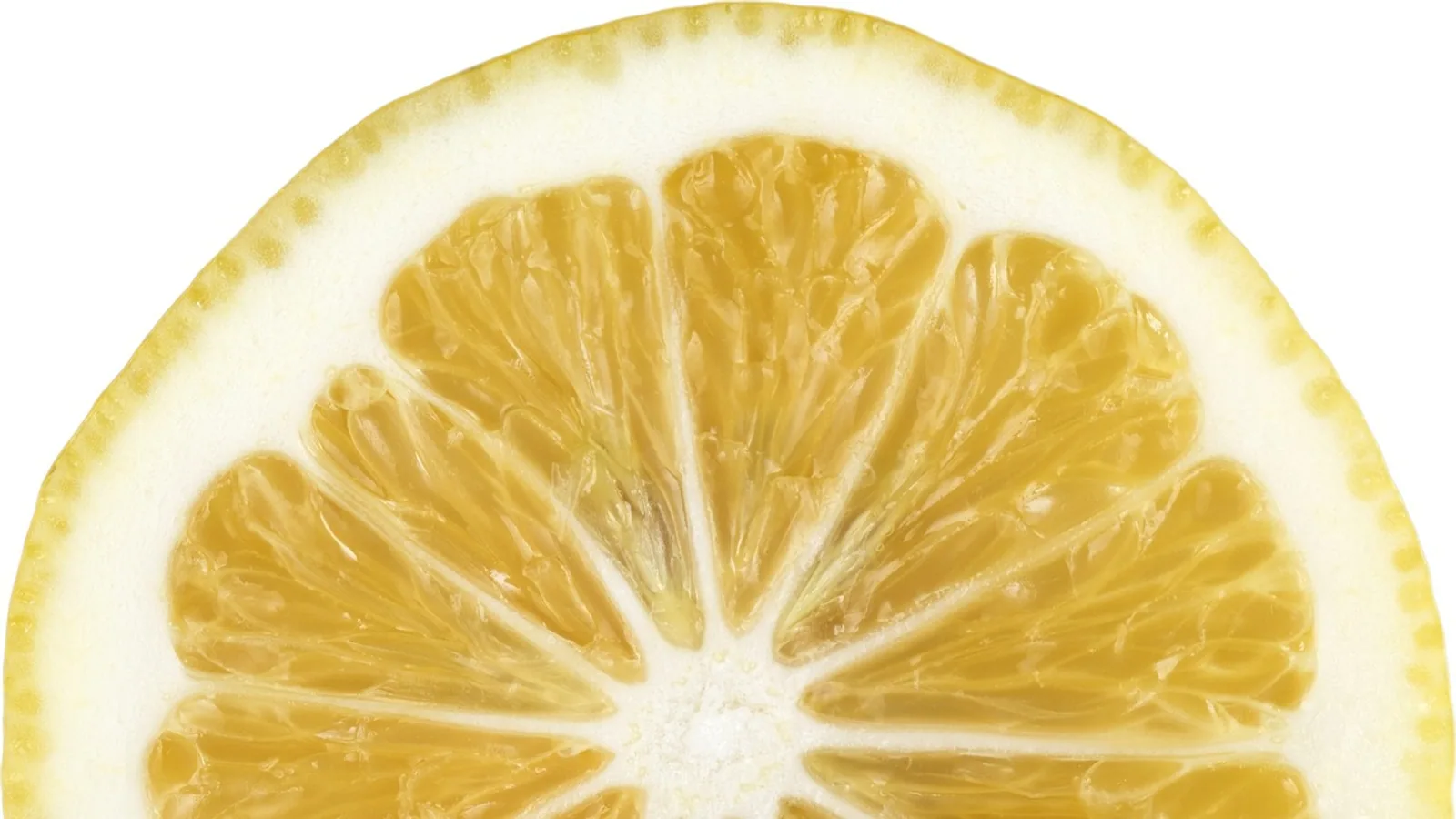
A small piece of lemon flesh is generally not toxic to dogs, but it is sour, unpalatable, and likely to cause stomach upset. The real danger sits in the parts most owners never think about: the peel, the leaves, the rind oil, and concentrated citrus essential oils. Those contain limonene, linalool, and psoralens (furocoumarins) that can irritate the mouth, gut, and skin, and in some cases cause phototoxic burns after sun exposure [1][2].
This article is educational and is not a substitute for veterinary diagnosis or treatment.
The short answer is that lemon is not a poison in the way chocolate or grapes are. It is a food that dogs have no nutritional reason to eat and several good reasons to avoid. The risk climbs sharply as you move from a sliver of the fruit toward the peel, the leaves, and the bottle of lemon essential oil sitting on your kitchen counter.
At a Glance: Lemon and Dog Safety
| Citrus part | Active compound | Risk level | Expected signs |
|---|---|---|---|
| Flesh (a tiny piece) | Citric acid, small limonene | Low | Drooling, lip licking, mild nausea |
| Juice (a splash) | Citric acid | Low to moderate | Drooling, vomiting, diarrhea if more than a taste |
| Peel and pith | Limonene, linalool, psoralens | Moderate to high | Vomiting, diarrhea, oral irritation, skin irritation |
| Leaves and stems | Limonene, linalool, psoralens | Moderate to high | GI upset, contact dermatitis |
| Cold-pressed essential oil | Limonene, linalool, furocoumarins | High | Drooling, ataxia, depression, burns on skin |
| Diffuser vapor | Volatile terpenes | Moderate | Drooling, ataxia, depression, lethargy |
A practical rule for owners: if the lemon part is something you would not want on a cut in your own mouth, do not let the dog chew it either.
Why Lemon Flesh Is Usually Not the Problem
Lemon flesh is roughly 5 to 6 percent citric acid by weight, plus water, sugar, and a small amount of limonene. Citric acid is the same compound that gives the fruit its sharp taste. In a dog, a small amount of flesh causes nothing more than a sour face, some drooling, and possibly a brief episode of nausea. The dose makes the poison, and the amount of active citrus compounds in a bite of pulp is tiny.
That does not make lemon a treat. Dogs lack the taste receptors that make sour food appealing to people, and many will spit it out or refuse it. If your dog eats a piece of lemon you dropped on the floor, the most likely outcome is nothing at all, or a single episode of vomiting. Watch for a few hours and offer water.
The situation changes when the dog eats a quantity of lemon, especially if the peel is involved. A dog that raids a bowl of lemon wedges or chews through a whole lemon is eating a much larger dose of limonene and furocoumarins than a dog that licks a slice.
The Real Risk: Peel, Leaves, and Essential Oils
Limonene and Linalool as GI and Dermal Irritants
Limonene is the compound responsible for the smell of citrus. It is concentrated in the peel and in cold-pressed essential oil. Linalool is a related terpene alcohol found in citrus and in many botanical skin care products. Both are well recognized in veterinary toxicology as irritants when dogs or cats are exposed to concentrations stronger than a product label recommends [1].
The classic picture in a dog that has eaten peel or licked a concentrated citrus product is excessive salivation, vomiting, and diarrhea. In cats, the same exposure has been reported to cause marked hypothermia, shivering, and ataxia, and dermal exposure to a spray containing linalool, d-limonene, and piperonyl butoxide at 5 and 10 times the normal concentration caused depression and recumbency lasting for several days, followed by recovery without treatment [1]. Dogs are generally more resistant than cats to these terpene effects, but they are not immune.
The reason cats are more sensitive is a difference in how the liver processes these compounds. Cats have impaired glucuronidation, the liver pathway that clears many terpenes and phenols. Dogs glucuronidate these compounds more efficiently, so a dose that makes a cat sick may only cause mild drooling in a dog. This does not make citrus safe for dogs. It means the threshold is higher, and the signs may be less dramatic until the exposure is large.
Psoralens and Phototoxic Dermatitis
The most underappreciated citrus hazard is phototoxicity. Lemon oil contains furocoumarin derivatives, and these compounds are known to cause phototoxic reactions when skin is exposed to ultraviolet light [2]. In a study that fractionated lemon oil and measured its phototoxic activity, the compounds responsible were identified as oxypeucedanin and bergapten [2]. The amounts of these two compounds in lemon oils from different regions varied by a factor of more than 20, with bergapten ranging from 4 to 87 ppm and oxypeucedanin from 26 to 728 ppm [2]. The ratio between them was not constant, which means two bottles of lemon oil can have very different phototoxic potential.
This matters for dogs because owners sometimes apply citrus oil to the coat as a natural flea repellent or use a citrus-based grooming spray. If the dog then spends time in the sun, the treated skin can develop erythema, blistering, and hyperpigmentation. Oxypeucedanin was found to cause photopigmentation on colored guinea pig skin without any preceding visible redness, which means a reaction can develop without an obvious warning sign [2].
Lime oil and bitter orange oil also contain large amounts of oxypeucedanin, so the risk is not limited to lemon [2]. Any cold-pressed citrus oil applied to skin before sun exposure carries this potential.
Furocoumarins in the Broader Citrus Family
Furocoumarins belong to a group of oxygen heterocyclic compounds found in the non-volatile fraction of cold-pressed citrus essential oils. This group also includes coumarins and polymethoxyflavones [3]. The same analytical work notes that ingestion of large amounts of coumarins is often associated with toxic effects, while the phototoxicity of furocoumarins with UVA exposure has been known for a long time [3]. For a dog, the practical takeaway is that concentrated citrus oils are not interchangeable with the fruit. They are a different product with a different risk profile.
Citrus Essential Oil Diffusers and Dogs
Diffusers are the most common source of indoor citrus exposure. A diffuser releases volatile terpenes into the air, and a dog in a small, poorly ventilated room can inhale enough to develop signs. The reported effects of terpene exposure in small animals include drooling, ataxia, and depression [1]. In cats, d-limonene has caused excess salivation, marked hypothermia, shivering, and ataxia [1]. Dogs exposed to diffuser vapor may show similar but usually milder signs: drooling, unsteady walking, lethargy, and a depressed attitude.
If you use a citrus diffuser and your dog starts drooling or walking oddly, turn the diffuser off, move the dog to fresh air, and offer water. Most mild cases resolve once exposure stops. If the dog is recumbent, tremoring, or not responding to you, that is an emergency.
Diffusers are not the only household source. Citrus-scented cleaning sprays, furniture polish, and air fresheners can deposit limonene on surfaces a dog licks. A dog that licks a freshly sprayed floor or counter can pick up a meaningful dose.
What About Citrus in Dog Food and Treats?
Some commercial dog treats and dental chews contain small amounts of citrus extract or citrus fiber. These are formulated at low concentrations and are not the same as feeding a dog a lemon or applying essential oil. The amount of limonene and furocoumarin in a finished treat is generally far below the level that causes irritation. If a treat lists citrus as a minor ingredient, it is unlikely to be a problem for a healthy dog.
The exception is a dog with a sensitive stomach or a known reaction to citrus. If your dog vomits or has diarrhea after a citrus-containing treat, stop the treat and note the ingredient. Some dogs are simply more sensitive to terpenes than others.
There is one legitimate veterinary use of citrus compounds worth mentioning, but it is not a home remedy. A study of Citrus aurantium (bitter orange) peel extract and its major component limonene found that the extract had antitrematodal activity against the dog trematode Mesostephanus species, with efficacy rates reaching 80.92 percent at 150 mg/kg and 98.56 percent at 300 mg/kg in infected dogs [4]. That is a controlled research setting with measured doses and veterinary supervision. It does not mean owners should feed their dogs orange peel to treat parasites. The doses used were pharmaceutical-grade extracts, and the study was designed to evaluate a potential anthelmintic, not a kitchen remedy [4].
How Much Lemon Is Too Much?
There is no published safe dose of lemon for dogs, and no veterinary organization publishes a threshold. The honest answer is that any amount of peel, leaf, or essential oil is best avoided, and a tiny piece of flesh is unlikely to cause harm but offers no benefit.
A useful way to think about it is by part rather than by gram:
- A single small piece of flesh, about the size of a pea, is low risk for a medium or large dog.
- A whole lemon wedge with peel is a moderate risk and may cause vomiting or diarrhea.
- A whole lemon, including peel, is a higher risk and warrants a call to your veterinarian or a pet poison hotline.
- A teaspoon or more of cold-pressed lemon essential oil is a high risk and warrants immediate veterinary contact.
- Any amount of undiluted essential oil applied to the skin is a high risk, especially before sun exposure.
These are general guideposts, not medical thresholds. A 5-pound Chihuahua and a 90-pound Labrador will respond differently to the same exposure.
Step-by-Step: What to Do If Your Dog Ate Lemon
- Identify what was eaten. Flesh, peel, leaves, juice, essential oil, or a diffuser exposure. The part matters more than the amount.
- Estimate the quantity. A taste, a slice, a whole fruit, or a bottle.
- Note the time. Signs usually appear within 30 minutes to a few hours for GI effects. Phototoxic skin reactions can take longer and require sun exposure.
- Remove access. Pick up any remaining lemon, close the diffuser, and move the dog away from the source.
- Do not induce vomiting unless a veterinarian tells you to. Citrus oil aspiration can cause serious lung injury, and inducing vomiting is not a home remedy.
- Offer water. Small amounts of fresh water help dilute stomach contents.
- Watch for signs. Drooling, vomiting, diarrhea, lip smacking, head shaking, unsteady walking, lethargy, or skin redness.
- Call your veterinarian or a pet poison hotline if the dog ate peel, leaves, or essential oil, or if signs are more than mild.
- Photograph the product. If essential oil was involved, photograph the label so your veterinarian knows the concentration and any other ingredients.
- Follow up. If your dog vomited once and is otherwise normal, monitor for 24 hours. If signs persist or worsen, seek care.
Common Mistakes Owners Make
The first mistake is assuming that because lemon is a fruit, it is safe in any form. The fruit, the peel, and the oil are three different products with three different risk levels.
The second mistake is using citrus essential oil as a natural flea treatment. The evidence for limonene as an insecticide exists, but the concentration needed for that effect is also the concentration that irritates skin and gut [1]. Veterinary dermatology reviews note that poisoning from botanical insecticides and skin care products is uncommon and generally results from exposure to concentrations stronger than the manufacturer recommends [1]. That is exactly what happens when owners dilute a human essential oil by guesswork.
The third mistake is leaving a diffuser running in a closed room with a dog. Cats are more sensitive, but dogs can still develop drooling, ataxia, and depression from terpene vapor [1].
The fourth mistake is ignoring skin signs. A dog that develops redness, blistering, or darkening of the skin after a citrus oil application and sun exposure may have phototoxic dermatitis, not a simple rash [2]. This needs veterinary assessment, not more ointment.
The fifth mistake is assuming that a dog who ate lemon once and was fine will always be fine. Sensitivity can vary with the amount, the part, the dog's size, and the specific oil batch, since the furocoumarin content of lemon oil varies widely between sources [2].
Safe Alternatives to Lemon
If you want to give your dog a fresh, low-risk treat, skip citrus entirely. Better options include:
- Plain cooked chicken or turkey, unseasoned
- Plain cooked carrots
- Apple slices with seeds and core removed
- Blueberries
- Plain cooked green beans
- A small piece of banana
- Plain cooked pumpkin (not pie filling)
- Commercial dog treats formulated for your dog's size and life stage
For dental chews, choose products with a Veterinary Oral Health Council (VOHC) seal when available. For training treats, keep them small and account for the calories in your dog's daily intake.
If you are looking for a natural flea or tick product, talk to your veterinarian about approved preventives rather than mixing essential oils at home. The Companion Animal Parasite Council publishes guidance on year-round parasite prevention, and your veterinarian can match a product to your dog's risk and health status.
If you want a citrus-scented home, use the diffuser in a room your dog cannot enter, keep the door closed, and ventilate afterward. Never apply citrus oil to your dog's coat.
Welfare and Safety Points
Dogs experience taste differently than people. A food that is sour or bitter to us may be neutral or unpleasant to them. Forcing a dog to eat lemon for a video or a home remedy is unnecessary and can create a negative association with food.
Skin exposure deserves the same care as ingestion. A dog's coat is not a barrier. Terpenes and furocoumarins can be absorbed through skin, and a dog that grooms itself will ingest whatever is on the fur. If you would not put it on a baby's skin, do not put it on your dog's coat.
Storage matters too. Keep essential oil bottles capped and out of reach. A dog that chews through a plastic dropper bottle can receive a large dose quickly. Store citrus oils in a closed cabinet, not on a counter or nightstand.
Finally, remember that the dose and the part determine the outcome. A dog that eats a piece of lemon flesh is usually fine. A dog that eats the peel or drinks from a diffuser is a different situation and deserves a call to your veterinarian.
Limitations and When to Contact a Veterinarian
This article is educational and cannot replace an examination by a veterinarian who knows your dog. Individual responses to citrus exposure vary with body weight, age, underlying disease, and the specific product involved.
Contact a veterinarian or a pet poison hotline immediately if your dog:
- Ate lemon peel, lemon leaves, or any amount of citrus essential oil
- Is vomiting repeatedly or has bloody diarrhea
- Is drooling heavily, staggering, or unable to stand
- Is tremoring, seizing, or unusually depressed
- Has redness, blistering, or darkening of the skin after citrus oil and sun exposure
- Is a puppy, a senior, pregnant, or has liver or kidney disease
- Was exposed to a diffuser in a closed room and is showing any neurologic signs
For mild exposures with no signs, monitor at home for 24 hours and call your veterinarian if anything changes. When in doubt, call. A phone call is cheaper than a crisis.
How Citrus Toxicity Is Diagnosed in Dogs
When a dog arrives at a clinic after a suspected citrus exposure, the diagnostic process rarely begins with a laboratory test. It begins with a conversation. The history is the single most important diagnostic tool in citrus toxicology, because there is no routine blood panel that confirms limonene or furocoumarin exposure. Instead, the veterinarian builds a case from the exposure story, the timing of signs, the physical examination, and the exclusion of other causes.
The exposure history needs to capture several specific details. What part of the citrus plant was involved: flesh, juice, peel, pith, leaf, stem, or a concentrated oil product? Was the product a food item, a cleaning agent, a cosmetic, or a therapeutic-grade essential oil? How much was accessible, and how much is missing? When did the exposure occur relative to the onset of signs? Was there any sun exposure after skin contact? Was the dog unsupervised, and if so, for how long? These questions shape the entire clinical picture because the toxic principle differs by part. A dog that ate a slice of flesh has a different risk profile than a dog that chewed a bottle of cold-pressed oil, even if both present with drooling [1][2].
The physical examination focuses on systems that citrus compounds are known to affect. The oral cavity is examined for erythema, swelling, or ulceration, since direct contact with peel oil or concentrated limonene can irritate mucous membranes. The gastrointestinal tract is assessed for abdominal pain, bloating, or increased bowel sounds. The neurologic examination looks for ataxia, depression, tremors, or altered mentation, which are the signs reported with terpene exposure in small animals [1]. The skin is examined carefully in any dog with a history of topical citrus oil application, especially if the dog has been outdoors. Phototoxic dermatitis may present as erythema, vesiculation, or hyperpigmentation in sun-exposed areas, and the absence of visible redness does not rule out a phototoxic reaction, since oxypeucedanin has been shown to cause photopigmentation without preceding erythema in experimental models [2].
Baseline laboratory work is often performed not to confirm citrus toxicity but to establish the dog's overall health and to rule out conditions that can mimic the presentation. A complete blood count, serum biochemistry panel, and urinalysis can identify dehydration from vomiting or diarrhea, electrolyte derangements, or underlying organ dysfunction that might worsen the clinical course. In most uncomplicated citrus exposures, these values are normal or show only nonspecific changes consistent with gastrointestinal upset. There is no validated blood test for limonene, linalool, or furocoumarin levels in clinical veterinary practice, so the diagnosis remains clinical.
If the dog has neurologic signs, the differential list broadens considerably. Ataxia and depression in a dog can result from many causes, including ingestion of other toxins, metabolic disease, infectious disease, or structural neurologic disease. The veterinarian will use the exposure history to prioritize citrus terpenes on the differential list, but will also consider other household toxins, medications, and food items that could produce similar signs. This is why accurate reporting of everything the dog may have accessed is so important. A dog that ate lemon peel and also had access to a garage or a medicine cabinet needs a broader toxicological assessment.
In cases involving skin lesions, the diagnostic approach may include a skin scraping or cytology to rule out infectious causes of dermatitis. Phototoxic dermatitis is a clinical diagnosis based on the distribution of lesions, the history of photosensitizing agent exposure, and the timing relative to sun exposure. A skin biopsy is rarely necessary in the acute phase but may be considered if lesions persist or if the diagnosis is unclear. The histopathology of phototoxic reactions typically shows epidermal necrosis and inflammation, but these findings are not specific to citrus and must be interpreted alongside the exposure history [2].
The role of diagnostic imaging is limited in citrus exposure. Abdominal radiographs or ultrasound may be indicated if there is concern for gastrointestinal obstruction from ingested foreign material, such as a chewed bottle or a large piece of peel, or if the dog has severe abdominal pain. These tests do not detect citrus compounds but can identify complications that require surgical or medical intervention.
One of the most important diagnostic considerations is the possibility of co-ingestion. Many citrus-scented cleaning products contain other ingredients, including surfactants, solvents, and other essential oils, that can contribute to toxicity. A dog that licks a citrus-scented floor cleaner may be exposed to limonene and to other chemicals with different mechanisms of harm. The product label becomes a critical diagnostic document, and owners should photograph it or bring it to the clinic. The same principle applies to essential oil blends, which may contain multiple oils with additive or synergistic effects.
The diagnostic workflow for citrus exposure is therefore a structured process of history taking, physical examination, targeted laboratory testing, and exclusion of alternative diagnoses. It is not a single test but a clinical reasoning exercise. Veterinarians who understand the toxicology of citrus compounds can identify the likely exposure, assess the severity, and determine whether the dog needs supportive care, monitoring, or referral. Owners who provide accurate and detailed information make this process faster and more reliable.
Clinical Signs and Their Timeline
The timing of clinical signs after citrus exposure depends on the route and the dose. Gastrointestinal signs typically appear within 30 minutes to a few hours after ingestion, as the stomach and small intestine respond to the irritant effects of limonene, linalool, and citric acid. Drooling, lip licking, vomiting, and diarrhea are the most common early signs. In mild exposures, these signs may be self-limiting and resolve within a few hours. In larger exposures, vomiting may be persistent and lead to dehydration.
Neurologic signs, when they occur, tend to follow a similar or slightly delayed timeline. Ataxia, depression, and lethargy have been reported in small animals exposed to terpene concentrations stronger than product labels recommend [1]. These signs reflect the central nervous system effects of absorbed terpenes and can range from mild unsteadiness to recumbency. In cats, d-limonene exposure has caused marked hypothermia, shivering, and ataxia, and dermal exposure to a spray containing linalool, d-limonene, and piperonyl butoxide at 5 and 10 times the normal concentration caused depression and recumbency lasting for several days, followed by recovery without treatment [1]. Dogs are generally more resistant, but the same pattern of signs can occur with sufficient exposure.
Phototoxic skin reactions have a different timeline because they require ultraviolet light exposure. A dog that has citrus oil on its coat may not show any signs until it spends time in the sun. The reaction can develop within hours to a day after sun exposure, and the severity depends on the amount of oil, the intensity of UV light, and the individual dog's sensitivity. The phototoxic compounds in lemon oil, oxypeucedanin and bergapten, vary widely in concentration between oil sources, with bergapten ranging from 4 to 87 ppm and oxypeucedanin from 26 to 728 ppm [2]. This variability means that two dogs exposed to the same volume of oil from different bottles may have very different reactions. The ratio between the two compounds is also not constant, so the phototoxic potential of a given oil cannot be predicted from its origin alone [2].
The clinical signs of phototoxic dermatitis include erythema, blistering, and hyperpigmentation in areas of skin that were treated and then exposed to sun. Oxypeucedanin has been shown to cause photopigmentation on colored skin without any preceding visible redness, which means a dog can develop skin changes without an obvious early warning [2]. Owners should examine the treated area carefully for several days after exposure, looking for darkening, crusting, or discomfort.
The duration of signs varies with the severity of exposure and the supportive care provided. Mild gastrointestinal signs often resolve within 24 hours. Neurologic signs may take longer, especially if the exposure was large. In the reported feline case, depression and recumbency lasted for several days before recovery without treatment [1]. Dogs with severe exposures may require hospitalization for fluid therapy, antiemetics, and monitoring. The prognosis is generally good for dogs that receive timely supportive care, but the course can be prolonged.
Owners should also be aware of delayed presentations. A dog that ate lemon peel may not show signs immediately, and a dog that had citrus oil applied to its skin may not react until it goes outside. This means that monitoring should continue for at least 24 to 48 hours after a known exposure, even if the dog appears normal initially. If any sign develops during this period, veterinary contact is warranted.
Owner Observations That Help the Veterinarian
The quality of the history directly affects the quality of care. Owners who observe their dogs carefully and report specific details give veterinarians the information needed to make rapid decisions. Several categories of observation are particularly valuable.
The first is the identification of the exposure source. Owners should note whether the dog ate flesh, peel, leaves, or a processed product, and whether the product was a food, a cleaner, a cosmetic, or an essential oil. If the dog chewed a bottle, the owner should bring the bottle or photograph the label. The concentration of the oil and the presence of other ingredients are critical details. A product labeled as pure lemon oil may contain limonene at a concentration far higher than the peel, and a blend may contain multiple terpenes with additive effects.
The second is the estimated quantity. Owners often underestimate how much a dog has eaten, especially if the dog was unsupervised. A good approach is to reconstruct the scene: how many lemon wedges were in the bowl, how much oil was in the bottle, how much is missing. Even an approximate estimate helps the veterinarian gauge the severity. If the dog ate a whole lemon including peel, that is a different exposure than a single slice of flesh.
The third is the timing. Owners should note when the exposure occurred and when signs began. The interval between exposure and the first sign helps the veterinarian understand the absorption and the likely severity. Rapid onset of vomiting suggests a large irritant dose, while delayed neurologic signs suggest systemic absorption.
The fourth is the description of signs. Owners should describe what they see in plain language: drooling, lip smacking, vomiting, diarrhea, unsteady walking, head tilting, lethargy, or skin changes. They should note whether the dog is eating and drinking, whether it is responsive, and whether it is able to stand. Video recordings of abnormal movements or behavior can be extremely helpful, especially for neurologic signs that may not be present at the time of examination.
The fifth is the dog's baseline health. Owners should report any pre-existing conditions, medications, or recent illnesses. A dog with liver or kidney disease may clear terpenes more slowly and may be more vulnerable to toxicity. A puppy or senior dog may have different tolerance than a healthy adult. Pregnant dogs require special consideration because the effects of citrus compounds on pregnancy are not well studied.
The sixth is the home environment. Owners should mention whether a diffuser was running, whether citrus cleaners were used recently, and whether the dog had access to any other potential toxins. This information helps the veterinarian assess the total exposure and identify any co-ingestants.
Finally, owners should report what they have already done. Did they induce vomiting? Did they give water or food? Did they apply any topical treatment to the skin? These details affect the clinical picture and the next steps. Inducing vomiting without veterinary guidance can be dangerous, especially with oil exposures, because aspiration can cause serious lung injury. Owners should be honest about any home interventions so the veterinarian can account for them.
Preparing for a Veterinary Visit
Preparation can make a veterinary visit more efficient and more effective. Owners who arrive with organized information and the relevant product labels help the veterinarian focus on the clinical problem rather than on reconstructing the exposure.
The first step is to gather the product. If the dog ate a lemon, bring a sample of the part that was eaten, if available. If the dog chewed an essential oil bottle, bring the bottle or a clear photograph of the label. The label should show the product name, the concentration, the ingredients, and any warnings. If the product is a cleaning spray or a cosmetic, bring the container or photograph the back panel. This information allows the veterinarian to identify the specific compounds and their concentrations.
The second step is to write down the timeline. Note the time of exposure, the estimated quantity, the time the first sign appeared, and the progression of signs. Include any changes in behavior, appetite, or activity. A written timeline is more reliable than memory, especially in a stressful situation.
The third step is to list the dog's medications and health conditions. Include prescription medications, supplements, and any recent treatments. Note any history of liver or kidney disease, seizures, or gastrointestinal problems. This information helps the veterinarian choose safe treatments and anticipate complications.
The fourth step is to prepare questions. Owners should ask about the expected course, the signs to watch for at home, the need for follow-up, and any dietary or environmental changes. They should also ask whether the exposure could affect other pets in the household.
The fifth step is to arrange transport safely. If the dog is vomiting, drooling, or unsteady, it should be transported in a carrier or with a seatbelt harness to prevent injury. A towel or blanket can provide comfort and absorb any vomit or saliva. If the dog is recumbent or having seizures, call ahead so the clinic can prepare for arrival.
The sixth step is to consider the cost and logistics. Emergency veterinary care can be expensive, and owners should ask about estimates and payment options. Pet insurance may cover toxicology cases, but coverage varies. Being prepared for the financial aspect reduces stress and allows owners to focus on the dog's care.
Preparation also includes knowing when to call ahead. If the dog has eaten essential oil, is showing neurologic signs, or has skin lesions after sun exposure, calling the clinic before arrival allows the team to prepare. Some cases may be managed with phone guidance, while others require immediate examination. The veterinarian can advise on whether to bring the product, whether to induce vomiting, and whether to come in immediately.
Prevention in the Home
Prevention is the most effective way to protect dogs from citrus exposure. The goal is to control access to citrus products and to use them in ways that do not put dogs at risk.
The first principle is storage. Essential oil bottles should be kept in a closed cabinet, preferably a high shelf or a locked box. Dogs can chew through plastic dropper bottles, and a small bottle can deliver a large dose quickly. Citrus oils should not be stored on counters, nightstands, or coffee tables where a dog might reach them. Cleaning products should be stored in a closed cabinet, and any spilled product should be cleaned up immediately.
The second principle is supervision. Dogs should not have access to lemons, lemon peels, or lemon-containing foods. This includes compost bins, trash cans, and countertops. A dog that counter-surfs can knock over a bowl of lemon wedges or a bottle of juice. Keeping citrus fruits in a closed container or a high shelf reduces the risk.
The third principle is diffuser management. If a diffuser is used, it should be placed in a room the dog cannot enter, with the door closed. The room should be ventilated after use. Diffusers should not be run continuously in a closed space with a dog present. If the dog shows any signs of drooling, ataxia, or depression, the diffuser should be turned off and the dog moved to fresh air [1].
The fourth principle is topical product avoidance. Citrus essential oils should never be applied to a dog's coat. The evidence for limonene as an insecticide exists, but the concentration needed for that effect is also the concentration that irritates skin and gut [1]. Veterinary dermatology reviews note that poisoning from botanical insecticides and skin care products is uncommon and generally results from exposure to concentrations stronger than the manufacturer recommends [1]. Owners who want natural flea and tick prevention should consult their veterinarian about approved products rather than mixing essential oils at home.
The fifth principle is label awareness. Many household products contain citrus compounds without advertising them prominently. Citrus-scented cleaners, air fresheners, furniture polishes, and personal care products can all contain limonene or linalool. Owners should read labels and store these products out of reach. If a product contains citrus oil, it should be treated as a potential hazard.
The sixth principle is education. All members of the household, including children and visitors, should know that citrus products are not safe for dogs. Children may offer a dog a lemon wedge as a joke, and visitors may not realize that a diffuser can affect a pet. Clear communication and consistent rules reduce the risk.
The seventh principle is planning for emergencies. Owners should know the phone number of their veterinarian, the nearest emergency clinic, and a pet poison hotline. They should have a pet first aid kit and know how to transport a sick dog safely. Being prepared does not prevent exposure, but it improves the outcome when exposure occurs.
Prognosis and Recovery
The prognosis for dogs exposed to citrus depends on the part, the dose, the route, and the timeliness of care. For a dog that eats a small piece of lemon flesh, the prognosis is excellent. Most dogs show no signs or only mild drooling and nausea that resolves within hours. No specific treatment is needed, and the dog can be monitored at home.
For a dog that eats peel or leaves, the prognosis is generally good with supportive care. Vomiting and diarrhea may require fluid therapy and antiemetics, but most dogs recover within 24 to 48 hours. The risk of complications increases with the amount ingested and the size of the dog. A small dog that eats a large amount of peel may become dehydrated and may need hospitalization.
For a dog that ingests concentrated essential oil, the prognosis is more guarded. The dose of limonene and furocoumarins in a concentrated oil is much higher than in the fruit, and systemic absorption can cause neurologic signs. The reported feline case of dermal exposure to a concentrated spray resulted in depression and recumbency lasting for several days, followed by recovery without treatment [1]. Dogs with similar exposures may require hospitalization, intravenous fluids, and monitoring. The prognosis is good if the dog receives timely care, but the course can be prolonged.
For a dog with phototoxic dermatitis, the prognosis depends on the severity of the skin lesions. Mild erythema may resolve with topical care and sun avoidance. Blistering and hyperpigmentation may take weeks to heal and may leave permanent skin changes. Oxypeucedanin has been shown to cause photopigmentation without preceding erythema, which means some dogs may develop lasting pigment changes even without an obvious acute reaction [2]. Veterinary assessment is important to manage discomfort and prevent secondary infection.
Recovery at home requires monitoring and supportive care. Owners should offer small amounts of water frequently to prevent dehydration. Food should be withheld for a few hours if the dog is vomiting, then reintroduced gradually. A bland diet may be recommended for a day or two. Skin lesions should be kept clean and protected from sun. Owners should watch for signs of worsening, including persistent vomiting, bloody diarrhea, lethargy, or neurologic signs, and should contact the veterinarian if any occur.
Follow-up care may include a recheck examination, blood work, or skin assessment. The veterinarian will determine the schedule based on the severity of the exposure and the dog's response to treatment. Owners should follow the discharge instructions carefully and ask questions if anything is unclear.
The long-term outlook for most dogs exposed to citrus is good. The compounds involved are generally cleared by the body, and the effects are usually self-limiting. The key is early recognition and appropriate care. Dogs that receive timely veterinary attention have a high likelihood of full recovery.
Special Populations: Puppies, Seniors, and Dogs With Health Conditions
Not all dogs respond to citrus exposure in the same way. Several populations deserve special consideration because their physiology or health status alters the risk.
Puppies are more vulnerable for several reasons. Their body weight is lower, so a given dose of limonene or furocoumarin represents a larger exposure per kilogram. Their liver and kidney function is still developing, which may affect how quickly they clear terpenes. Their behavior is also different: puppies explore the world with their mouths and are more likely to chew on bottles, peels, and leaves. A puppy that ingests citrus oil may develop signs more quickly and more severely than an adult dog. Owners of puppies should be especially vigilant about storage and supervision.
Senior dogs may have reduced liver and kidney function, which can slow the clearance of terpenes and prolong the effects. They may also have underlying health conditions that make them more susceptible to dehydration or neurologic complications. A senior dog with chronic kidney disease may not tolerate the fluid losses from vomiting and diarrhea as well as a healthy adult. A senior dog with cognitive dysfunction may become more disoriented after a neurologic exposure. Veterinarians should consider these factors when assessing a senior dog with citrus exposure.
Dogs with liver disease are a particular concern because the liver is the primary organ responsible for metabolizing terpenes. A dog with compromised liver function may clear limonene and linalool more slowly, leading to higher blood levels and more pronounced effects. The same principle applies to dogs with kidney disease, since the kidneys excrete the metabolites. These dogs may need more aggressive supportive care and longer monitoring.
Dogs with gastrointestinal disease may be more sensitive to the irritant effects of citrus compounds. A dog with inflammatory bowel disease, chronic enteropathy, or a history of pancreatitis may develop more severe vomiting and diarrhea after eating lemon peel or flesh. The underlying inflammation may also make the gut more permeable to terpenes, increasing systemic absorption. Veterinarians should consider the dog's gastrointestinal history when deciding on treatment and monitoring.
Pregnant dogs require special consideration because the effects of citrus compounds on pregnancy are not well studied. Limonene and linalool cross the placenta in some species, and furocoumarins have the potential to affect fetal development. The safest approach is to avoid citrus exposure entirely during pregnancy and to consult a veterinarian if exposure occurs. The risk to the fetus is not well defined, so caution is warranted.
Dogs with skin conditions may be more susceptible to phototoxic dermatitis. A dog with atopic dermatitis, seborrhea, or a compromised skin barrier may absorb topical citrus oil more readily and may develop more severe lesions. Dogs with light-colored skin or thin coats may also be more sensitive to phototoxic effects. Owners of these dogs should be especially careful about applying any citrus product to the coat.
Dogs taking certain medications may be at higher risk. Some medications are metabolized by the same liver enzymes that process terpenes, and competition for these enzymes could alter drug levels. Other medications may have additive effects with citrus compounds, such as sedatives that compound neurologic depression. Veterinarians should review the dog's medication list when assessing a citrus exposure and should consider potential interactions.
Finally, dogs with a history of seizures or neurologic disease may be more vulnerable to the neurologic effects of terpenes. A dog with epilepsy may have a lower threshold for seizures after exposure to a neuroactive compound. A dog with vestibular disease may become more ataxic. These dogs should be monitored closely and may need more aggressive care.
Understanding the Evidence: What We Know and What We Do Not
The veterinary literature on citrus toxicity in dogs is limited, and much of what is known comes from studies in other species, from human data, and from analytical chemistry research. Understanding the strengths and limitations of this evidence helps owners and veterinarians make informed decisions.
The strongest evidence comes from analytical studies that identify and quantify the compounds in citrus products. Research on lemon oil has identified oxypeucedanin and bergapten as the phototoxic compounds and has shown that their concentrations vary widely between oil sources [2]. This work is robust because it uses chemical analysis to measure specific compounds. It tells us what is in the oil and how much, but it does not tell us what dose causes signs in dogs.
The next layer of evidence comes from toxicology studies in animals. The reports of terpene toxicity in cats and dogs provide clinical descriptions of signs and outcomes [1]. These reports are valuable because they describe real exposures and real outcomes, but they are often case reports or small case series. They cannot establish a dose-response relationship or a safe threshold. They also may not generalize to all dogs, since individual sensitivity varies.
The evidence for furocoumarin phototoxicity comes largely from human and laboratory animal studies. The mechanism is well understood: furocoumarins intercalate with DNA and form cross-links when activated by UVA light, leading to cell damage and inflammation [3][2]. The clinical expression in dogs is inferred from these studies and from veterinary case reports. The exact threshold for phototoxicity in dogs is not known, and the variability in oil composition makes it difficult to predict.
The evidence for citrus as an anthelmintic comes from a controlled study of Citrus aurantium peel extract and limonene against the dog trematode Mesostephanus species, with efficacy rates reaching 80.92 percent at 150 mg/kg and 98.56 percent at 300 mg/kg in infected dogs [4]. This study is important because it demonstrates biological activity, but it is not a recommendation for home use. The doses used were pharmaceutical-grade extracts, and the study was designed to evaluate a potential anthelmintic, not a kitchen remedy [4]. Owners should not interpret this as evidence that feeding orange peel treats parasites.
The evidence for citrus as an insecticide is similarly limited. Limonene has insecticidal properties, but the concentration needed for that effect is also the concentration that irritates skin and gut [1]. Veterinary dermatology reviews note that poisoning from botanical insecticides and skin care products is uncommon and generally results from exposure to concentrations stronger than the manufacturer recommends [1]. This means that the risk is not from the plant itself but from the concentrated product.
What we do not know is equally important. There is no published safe dose of lemon for dogs. There is no validated blood test for citrus compounds in clinical practice. There is no antidote for citrus toxicity. There is no standardized treatment protocol. The management of citrus exposure is supportive and symptomatic, guided by the dog's clinical signs and the veterinarian's judgment.
This uncertainty is not a reason for alarm. It is a reason for caution. Owners should treat citrus products as potential hazards, avoid exposing dogs to concentrated forms, and seek veterinary advice when exposure occurs. Veterinarians should approach each case with a thorough history, a careful examination, and a willingness to consult toxicology resources when needed.
Conclusion: A Balanced Approach to Citrus and Dogs
The question of whether dogs can eat lemon has a nuanced answer. A small piece of lemon flesh is generally not toxic, but it is sour, unpalatable, and offers no nutritional benefit. The real risks lie in the peel, the leaves, and the concentrated essential oils, which contain limonene, linalool, and furocoumarins that can irritate the mouth, gut, and skin, and in some cases cause phototoxic burns after sun exposure [1][2].
The practical approach for owners is to treat citrus as a food to avoid and a product to store safely. Dogs do not need lemon in their diet, and the potential for harm outweighs any perceived benefit. If a dog eats a small piece of flesh, monitoring at home is usually sufficient. If a dog eats peel, leaves, or essential oil, veterinary contact is warranted. If a dog develops skin lesions after citrus oil and sun exposure, veterinary assessment is essential.
Prevention is straightforward: store citrus products out of reach, supervise dogs around food, manage diffusers carefully, and never apply citrus oil to a dog's coat. Education and awareness reduce the risk of accidental exposure and help owners respond appropriately when it occurs.
The veterinary disclaimer framing applies throughout this article. This information is educational and is not a substitute for veterinary diagnosis or treatment. Individual responses to citrus exposure vary with body weight, age, underlying disease, and the specific product involved. When in doubt, contact a veterinarian or a pet poison hotline. A phone call is cheaper than a crisis, and timely care improves outcomes.
Frequently Asked Questions
Can dogs eat lemon?
A tiny piece of lemon flesh is generally not toxic, but it is sour, unpalatable, and can cause drooling or mild stomach upset. Peel, leaves, and essential oil are the parts to avoid.
Is lemon juice safe for dogs?
A splash of lemon juice is low risk for most dogs but offers no benefit and may cause drooling or nausea. Do not add it to food or water.
What happens if a dog eats a lemon peel?
Peel contains limonene, linalool, and furocoumarins. A dog that eats peel may vomit, have diarrhea, or develop oral irritation. Larger amounts warrant a call to your veterinarian.
Are citrus essential oils toxic to dogs?
Yes, concentrated citrus oils are a high risk. They can cause drooling, vomiting, ataxia, and depression, and skin contact followed by sun exposure can cause phototoxic dermatitis.
Can a citrus diffuser hurt my dog?
A diffuser in a closed room can expose a dog to volatile terpenes and cause drooling, ataxia, and depression. Turn it off and move the dog to fresh air if signs appear.
Why are cats more sensitive to citrus than dogs?
Cats have impaired glucuronidation, a liver pathway that clears terpenes and phenols. That makes cats more sensitive to limonene and linalool than dogs, but dogs can still be affected.
What should I do if my dog ate lemon essential oil?
Call your veterinarian or a pet poison hotline immediately. Do not induce vomiting. Bring the product label so the concentration and ingredients can be identified.
Are there safe citrus treats for dogs?
No citrus fruit is a recommended treat. Choose plain cooked meat, carrots, apple slices without seeds, blueberries, or a commercial dog treat formulated for your dog instead.
Related Articles
- Can Cats Eat Tuna Creations Lemon Pepper
- Can Dogs Eat Pineapple? Fresh vs. Canned Safety
- Can Dogs Eat Applesauce? Unsweetened Safety & Additives
- What Eats Frogs? Natural Predators and Pet Safety
- Can Dogs Eat strawberries? Vet Safety, Benefits & Hazards
- Can Dogs Eat Apricots? Flesh Safety vs Pit Hazards
- Can Dogs Eat Coconut? Benefits and Safety Limits
- Can Dogs Eat Peas? Nutrition and Safety Guide
- Can Cats Eat Apples? Safety, Seeds and Serving Tips
Further Reading
Sources
- Toxicity of Insecticides and Skin Care Products of Botanical Origin.
- A study of the phototoxicity of lemon oil.
- Supercritical fluid chromatography-tandem mass spectrometry of oxygen heterocyclic compounds in Citrus essential oils.
- Assessment of the trematocidal activity of Citrus aurantium extracts and its major component (limonene) in dogs.