Can Dogs Eat Eggplant? Cooked, Raw, and Skin Safety
By Dr. Zubair Khalid, DVM, MS, PhD ·
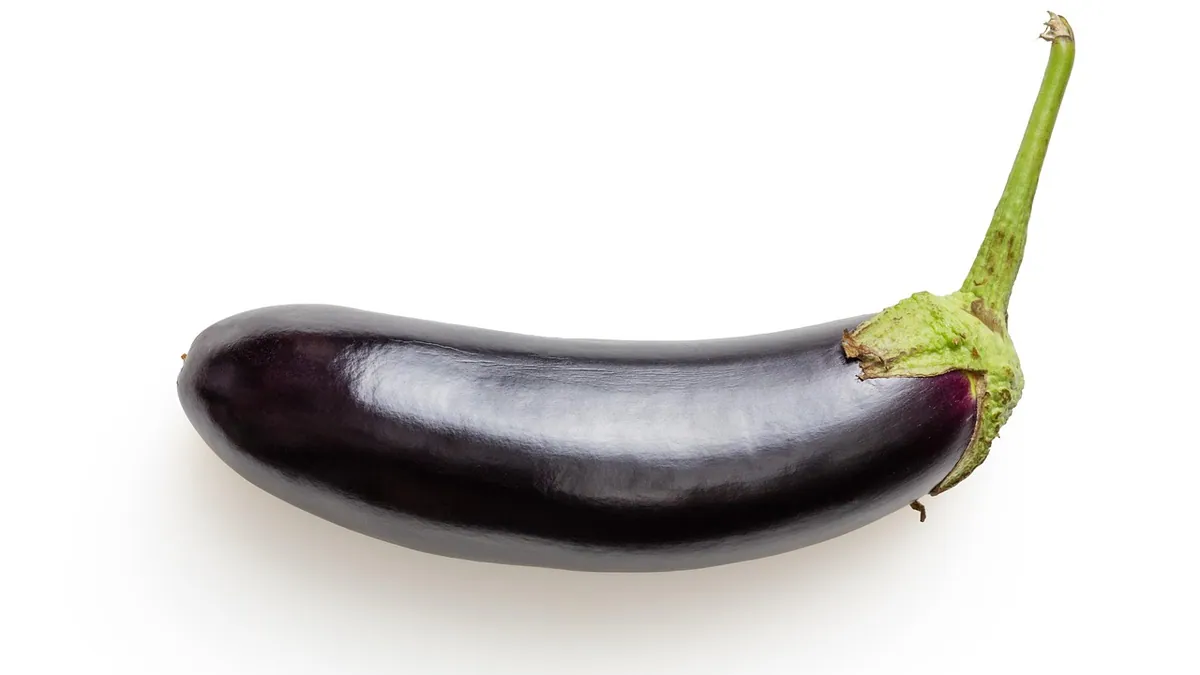
Can dogs eat eggplant? Yes, if you feed them plain, fully cooked eggplant flesh in small amounts. The eggplant fruit itself is not toxic to dogs, but the leaves, stems, and raw skin contain solanine, a compound that can cause digestive upset. This article is educational and is not a substitute for veterinary diagnosis or treatment.
Quick Answer
- Plain, cooked eggplant flesh is safe for most dogs in small amounts, with no seasoning, oil, or salt.
- Raw eggplant skin, leaves, and stems contain solanine and should never be fed.
- Eggplant parm is not safe because it usually contains garlic, onion, cheese, breading, and a lot of oil.
- Eggplant has little nutritional value for dogs, so it should be a treat, not a meal.
- If your dog eats a large amount of raw eggplant or any part of the plant, call your veterinarian or a pet poison hotline right away.
Is Eggplant Safe for Dogs?
The short answer is that the fruit of the eggplant is not toxic to dogs. The concern is the rest of the plant. Eggplant belongs to the nightshade family, and its leaves, stems, and skin contain solanine, a glycoalkaloid that can cause gastrointestinal signs and, in large amounts, neurologic signs. This is the same family of compounds that makes green potatoes a problem, which is why Can Dogs Eat Raw Potatoes? Solanine and Green Skin Warning is a useful companion read.
Ripe eggplant flesh has very little solanine compared with the skin and the green parts of the plant. Cooking does not remove solanine, but peeling removes most of the risk from the skin. The flesh itself is mostly water and fiber with a small amount of carbohydrate.
So the verdict is simple. Peeled, cooked, plain eggplant flesh is safe in small amounts. Raw eggplant, especially the skin, and any leaves or stems, are not.
Can Dogs Eat Eggplant Skin?
No, you should not feed your dog eggplant skin. The skin is where most of the solanine sits, and raw skin carries the highest risk. Even cooked skin can cause stomach upset in some dogs.
Some owners ask about purple versus white eggplant. The color does not change the basic rule. Any eggplant skin can contain solanine, and there is no safe way to know how much is in a given piece. Peeling the eggplant before cooking is the simplest way to reduce the risk.
If your dog sneaks a small piece of skin off the floor, they will likely be fine. A whole raw eggplant, or a pile of peelings, is a different situation and warrants a call to your vet.
Can Dogs Eat Eggplant Raw or Cooked?
Cooked is the safer choice. Raw eggplant flesh is firm and can be a choking hazard, especially for small dogs. Raw skin adds solanine on top of that.
Cooking softens the flesh and makes it easier to eat. The key is how you cook it. Boiling, steaming, or baking plain peeled eggplant is fine. Frying in oil, sauteing with garlic and onion, or breading and frying is not.
There is one more reason to skip the oil. A study of 459 dogs found that vegetable oil supplementation was recorded in about 14 percent of dogs, with extra virgin olive oil being the most common oil used, and dogs with adverse food reactions had significantly higher oil supplementation rates than dogs with other skin conditions [1]. That does not prove oil causes food allergies, but it is a reason to keep your dog's diet simple and skip added fats when you do not need them.
If you want to add a plant food to your dog's bowl, a plain cooked vegetable is a better choice. Can Dogs Eat Broccoli covers one option, and Can Dogs Eat Broccoli? Isothiocyanate Risks & Safe Cooking explains how cooking method changes the risk.
Can Dogs Eat Eggplant Parm?
No. Eggplant parm is not a safe food for dogs, even though the eggplant inside it is fine on its own. The problem is everything around the eggplant.
Eggplant parm typically includes garlic, onion, tomato sauce, mozzarella or parmesan cheese, breadcrumbs, eggs, and a lot of oil. Garlic and onion damage red blood cells in dogs and can cause anemia. Cheese and breading add fat and salt. A high-fat meal can trigger pancreatitis, a painful and sometimes serious inflammation of the pancreas. That is the same fat risk that makes Can Dogs Eat Cashews? Fat Content & Pancreatitis Risks worth reading before you share rich human food.
If your dog ate a bite of eggplant parm, watch for vomiting, diarrhea, or belly pain. If they ate a plate of it, call your vet or a pet poison hotline the same day.
Can Dogs Eat Eggplant Leaves?
No. Eggplant leaves are not safe for dogs. The leaves and stems contain solanine, and they are not food. Dogs should not have access to the eggplant plant itself, whether it is growing in a garden or sitting on a counter.
Solanine poisoning in dogs can cause vomiting, diarrhea, drooling, weakness, and in severe cases, neurologic signs such as tremors or trouble walking. There is no home remedy that makes solanine go away. If you think your dog ate eggplant leaves, call your veterinarian or a pet poison hotline right away.
Can Dogs Eat Eggplant Seeds?
The seeds inside a ripe eggplant are generally considered safe in small amounts. They are small and soft when the eggplant is cooked, and they pass through the digestive tract without much trouble.
The bigger issue is the flesh around them. If you are feeding eggplant, peel it, cook it plain, and cut it into small pieces. The seeds come along with the flesh and are not the main concern.
One caution applies to any new food. Dogs with sensitive stomachs can react to new ingredients with vomiting or diarrhea, even when the food is safe in theory. Start with a tiny piece and see how your dog does.
Nutrition: What Does Eggplant Actually Offer?
Eggplant is not a nutritional powerhouse for dogs. It is mostly water, with some fiber and a small amount of carbohydrate. It does not provide meaningful protein or fat, and it is not a source of the nutrients dogs need from a complete and balanced diet.
That said, fiber can be useful for some dogs. A small amount of plain cooked eggplant can add a little bulk and variety to a treat routine. It should never replace a balanced commercial diet or a properly formulated home-prepared diet.
This matters more than many owners realize. A case report described a dog that developed hypothyroidism with an enlarged thyroid gland because of iodine deficiency from a non-standardized home-prepared diet without vitamin and mineral supplementation [2]. The dog improved after switching to a commercial iodine-supplemented formula. If you feed home-prepared food, work with a veterinarian or a board-certified veterinary nutritionist to make sure it is complete.
Plant protein sources vary a lot in how well dogs digest them. A study of protein ingredients found that total tract apparent digestibility differed among sources, and vegetable protein sources generally had lower digestibility than the animal-based options tested [3]. Eggplant is not a protein source, but the point stands. Plant foods are not a substitute for animal-based nutrition in a dog's diet.
Form, Safety, and Notes
| Form | Safe? | Notes |
|---|---|---|
| Plain cooked flesh, peeled | Yes, in small amounts | Boil, steam, or bake with no oil, salt, or seasoning |
| Raw flesh | Not recommended | Choking risk, and skin may still be attached |
| Raw skin | No | Contains solanine |
| Cooked skin | No | Solanine is not removed by cooking |
| Leaves and stems | No | Contain solanine, can cause poisoning |
| Seeds | Generally yes | Small and soft when cooked, not the main concern |
| Eggplant parm | No | Garlic, onion, cheese, breading, and oil |
| Fried or sauteed eggplant | No | High fat, often with garlic and onion |
| Pickled eggplant | No | High salt, often with garlic and spices |
How to Offer Eggplant Safely
If you want to let your dog try eggplant, follow these steps.
- Choose a firm, ripe eggplant with no green patches.
- Peel the skin completely and discard it.
- Cut the flesh into small, bite-sized pieces.
- Boil, steam, or bake with no oil, butter, salt, garlic, onion, or seasoning.
- Let it cool to room temperature.
- Offer one small piece first and watch for any reaction.
- Keep the total amount small. A few pieces are plenty for most dogs.
Avoid anything fried, breaded, pickled, or covered in sauce. Avoid eggplant dishes from restaurants, since you cannot control what goes into them.
If your dog has a history of pancreatitis, food allergies, or a sensitive stomach, ask your veterinarian before adding any new food.
What If Your Dog Ate Too Much or a Dangerous Form?
Call your veterinarian or a pet poison hotline right away if your dog ate raw eggplant skin, leaves, stems, or a large amount of raw eggplant. Signs of solanine poisoning include vomiting, diarrhea, drooling, weakness, tremors, and trouble walking. Do not wait for signs to appear if you know your dog ate a risky part of the plant.
If your dog ate eggplant parm or another rich dish, watch for vomiting, diarrhea, belly pain, and lethargy. These can be signs of pancreatitis, which often needs veterinary care. Call your vet the same day.
If your dog ate a small piece of plain cooked eggplant and seems fine, you can monitor at home. Offer water and keep meals simple for the rest of the day.
Safer Alternatives
If you want to share a vegetable treat, there are better options than eggplant.
- Plain cooked carrots, cut into small pieces
- Plain cooked green beans
- Plain cooked broccoli florets in small amounts
- Plain cooked pumpkin or sweet potato
- A small piece of plain cooked egg
Eggs are a good source of protein when cooked. Can Dogs Eat Eggs? Raw Salmonella vs Scrambled explains why cooking matters.
Keep treats to a small part of your dog's daily calories. A complete and balanced diet should make up the vast majority of what your dog eats.
Limitations and When to Contact a Veterinarian
This article gives general guidance, not a diagnosis. Every dog is different, and individual cases need a veterinarian who can examine your pet, ask about their history, and run tests if needed.
Call your veterinarian or a pet poison hotline immediately if your dog ate eggplant leaves, stems, or a large amount of raw skin, or if you see vomiting, diarrhea, drooling, weakness, tremors, or trouble walking.
Call the same day if your dog ate eggplant parm, fried eggplant, or another rich dish, or if they have vomiting, diarrhea, belly pain, or lethargy after eating eggplant.
Schedule a routine visit if your dog has repeated stomach upset after new foods, if you are planning a home-prepared diet, or if you want help choosing safe treats for a dog with a chronic condition such as pancreatitis or food allergies.
Frequently Asked Questions
Can dogs eat eggplant every day?
No, eggplant should not be a daily food for dogs. It offers little nutrition and can cause stomach upset in some dogs. Treat it as an occasional small treat, not a regular part of the bowl.
Is cooked eggplant easier on a dog's stomach than raw?
Yes, cooked peeled eggplant is easier to eat and digest than raw. Raw eggplant is firm and can be a choking hazard, and the skin carries solanine. Cooking plain, peeled flesh is the safer choice.
Can puppies eat eggplant?
Puppies can eat a tiny piece of plain cooked peeled eggplant, but it is not necessary. Puppies need a complete and balanced diet for growth. Ask your veterinarian before adding any human food to a puppy's diet.
Does eggplant help with dog allergies?
No, there is no evidence that eggplant helps with dog allergies. Some studies look at how diet affects the gut microbiome and skin conditions, but they do not show that eggplant treats allergies [4][5]. If your dog has itchy skin or food allergies, talk to your veterinarian about a proper elimination diet.
What should I do if my dog ate eggplant skin?
Call your veterinarian or a pet poison hotline and tell them how much skin your dog ate and when. Watch for vomiting, diarrhea, drooling, weakness, or tremors. Do not try to make your dog vomit unless a veterinarian tells you to.
Related Articles
- Can Dogs Eat Broccoli
- Can Dogs Eat Cashews? Fat Content & Pancreatitis Risks
- Can Dogs Eat Broccoli? Isothiocyanate Risks & Safe Cooking
- Can Dogs Eat Raw Potatoes? Solanine and Green Skin Warning
- Can Dogs Eat Eggs? Raw Salmonella vs Scrambled
- Can Dogs Eat Berries Raw
- Can Dogs Eat Artichokes? Raw, Cooked, and Leaf Safety
- Can Dogs Eat Turnips? Raw, Cooked, and Greens Safety
- Can Dogs Eat Jicama? Raw, Cooked, and Skin Safety
References
- Exploring the potential link between vegetable oil supplementation and adverse food reactions in dogs: a preliminary study. BMC veterinary research, 2025.
- Case Report: Diet-associated iodine-deficiency goitrous hypothyroidism in a dog: a longitudinal clinical, endocrine, and ultrasonographic evaluation. Frontiers in veterinary science, 2026.
- Digestiblity and metabolisable energy in high-ash poultry meal and plant protein ingredients for dogs. Archives of animal nutrition, 2025.
- Fecal bacterial microbiota diversity characterized for dogs with atopic dermatitis: its alteration and clinical recovery after meat-exclusion diet. American journal of veterinary research, 2025.
- Impacts of a fresh-frozen dog food on fecal consistency and microbiome in colony dogs. Journal of animal science, 2026.