Can Dogs Eat Chicken Feet Raw or Cooked? Bones and Bacteria
By Dr. Zubair Khalid, DVM, MS, PhD ·
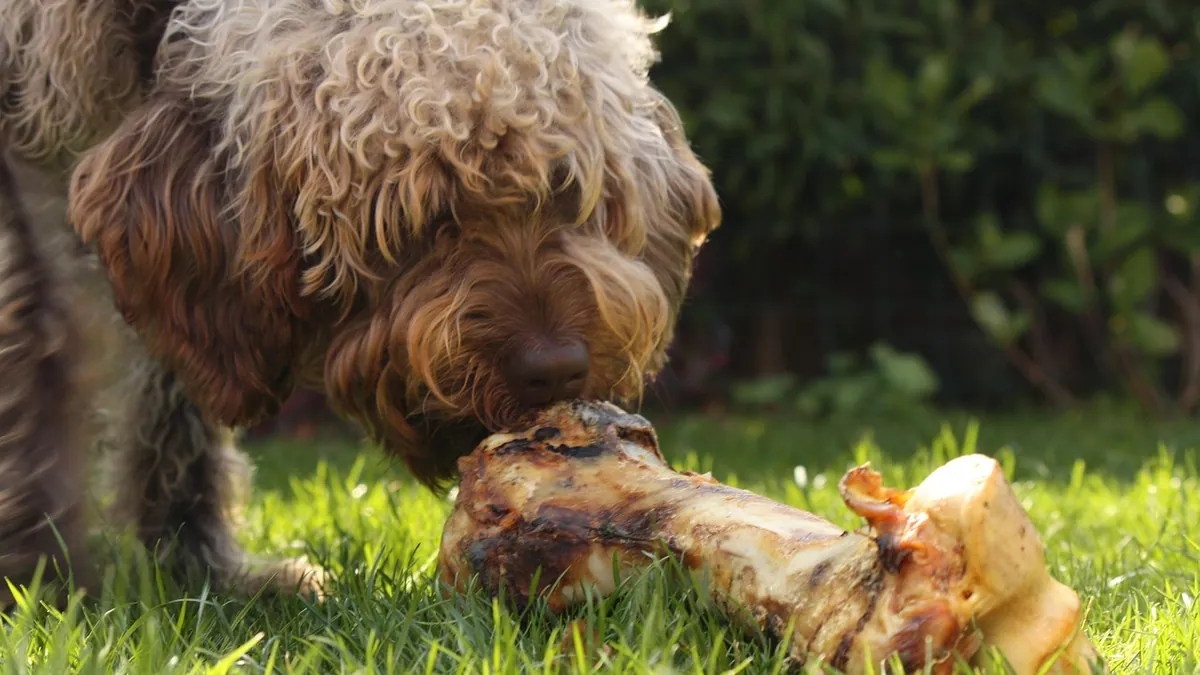
Can dogs eat chicken feet? Yes, with strict rules. Raw chicken feet carry bacteria that can sicken your dog and your household, and cooked chicken feet can splinter into sharp pieces that injure the mouth, throat, or gut. Many dogs can safely chew a properly prepared chicken foot, but the preparation and the size of your dog matter a great deal.
This article is educational and is not a substitute for veterinary diagnosis or treatment.
Quick Answer
- Raw chicken feet are a bacterial risk, not a safe default. Raw poultry and raw pet food are commonly contaminated with Salmonella and Campylobacter, which can infect dogs and the people who handle the food [1][2].
- Cooked chicken feet are the more dangerous form for the dog's gut. Heat makes poultry bones brittle, so they crack into sharp splinters that can perforate tissue.
- Dehydrated chicken feet sold as dog treats are not automatically clean. Testing of dehydrated chicken feet intended as dog treats found drug residues and antimicrobial-resistant Staphylococcus bacteria in the samples [3].
- Size decides the chew. A large dog may crush and swallow a whole foot in seconds, while a small dog may struggle with a foot that is too big and hard.
- If your dog swallowed a cooked foot or a large piece without chewing, call your veterinarian or a pet poison control line right away instead of waiting for symptoms.
Are Chicken Feet Safe for Dogs?
The honest answer is that chicken feet are conditionally safe. A raw or gently dehydrated foot that your dog chews under supervision is very different from a boiled, fried, or roasted foot that shatters. The bone structure is the deciding factor.
Raw poultry bones are soft and pliable. They bend before they break, which is why many raw feeders use them. Cooked poultry bones lose that flexibility. They become hard and brittle, and they break into shards with sharp edges. Those shards are the reason cooked bones are a well-known cause of esophageal and intestinal injury in dogs. If your dog has already eaten one, see Dog Eaten Cooked Chicken Bone and Dog Ate A Cooked Chicken Bone for step-by-step guidance.
Raw is not automatically safe either. It trades a bone risk for a bacteria risk. Raw meat and animal by-products can carry pathogens such as Campylobacter, and these can pass from the food to your dog and to you [2]. A review of raw diets for dogs and cats found that surveys in Europe and North America consistently detected Salmonella species in a proportion of raw pet food samples [1]. That means the bowl, the floor, your hands, and your dog's face are all part of the contamination path.
There is also a residue problem specific to chicken feet. A pilot study of dehydrated chicken feet sold as dog treats detected residues of several drugs, including nicarbazin and its marker compound in 64% of samples and semicarbazide in 91%, along with 37 Staphylococcus strains [3]. One strain, S. warneri, showed resistance to several antibiotics including oxacillin, erythromycin, clindamycin, teicoplanin, and tetracycline [3]. This does not mean every bag is contaminated, but it does mean "it came from a pet store" is not a guarantee of purity.
What Is Actually in a Chicken Foot?
A chicken foot is mostly skin, tendons, cartilage, and small bones. It is high in collagen and gelatin, which is why it has a springy, rubbery texture when raw and a hard, glassy texture when dried.
Nutritionally, it is not a meal. It is a chew. It delivers some protein and fat from the skin, plus minerals from the cartilage and bone, but it does not provide a balanced profile of vitamins, minerals, and amino acids. Treats make up roughly 15% of the pet food market and are the fastest-growing segment of the industry [3], which is exactly why portion control matters. A chicken foot should be a small part of your dog's daily calories, not a substitute for a complete diet.
The real benefit is behavioral, not nutritional. Chewing is enriching, it occupies a bored dog, and the texture can help scrape soft plaque from teeth. That is a legitimate reason to offer a chew. It is not a reason to ignore the risks.
Risks of Raw Chicken Feet
Bacteria on the food and on your dog
Raw poultry is a known source of Campylobacter and Salmonella. A study of dogs before and after a raw feeding period found that 56% of the dogs produced at least one Campylobacter-positive fecal sample [2]. Campylobacter jejuni is the leading cause of bacterial gastroenteritis in people, and C. upsaliensis has also been linked to human illness [2]. Your dog may carry and shed these organisms without looking sick, which is how household members get exposed.
Bacteria in the treat bag
Dehydrated chicken feet are not sterile. The pilot study of dehydrated chicken feet intended as dog treats found multiple drug residues and antimicrobial-resistant Staphylococcus strains across the samples tested [3]. Antimicrobial resistance in these bacteria matters because it narrows the treatment options if a dog or a person develops an infection.
Choking and blockage
A whole foot can lodge in the throat. A swallowed foot can sit in the stomach or move into the intestine and cause an obstruction. Small dogs and dogs who gulp food without chewing are at the highest risk.
Digestive upset
Rich, fatty skin can trigger vomiting or diarrhea in dogs who are not used to it. Pancreatitis is a risk in dogs with a history of it or with sensitive guts.
Additives in flavored or marinated products
Plain is the only acceptable form. Marinades, rubs, and seasoned products can contain salt, garlic, onion, and xylitol, all of which are toxic or harmful to dogs. Xylitol causes dangerous hypoglycemia and liver injury. Garlic and onion damage red blood cells. Salt can cause sodium poisoning. Read every label, and if the ingredient list includes anything other than chicken, skip it.
Risks of Cooked Chicken Feet
Cooking is the bigger structural hazard. Boiled, roasted, fried, grilled, or air-fried feet become brittle. They crack into needle-like fragments. Those fragments can cut the gums, lodge in the roof of the mouth, scrape the esophagus, or perforate the stomach or intestine. Perforation is a surgical emergency.
Fried and breaded versions add fat and seasoning on top of the bone problem. Grease can trigger pancreatitis, and breading often contains onion or garlic powder.
If your dog ate a cooked chicken foot, do not wait for symptoms. Read Dog Ate Chicken Bones What To Do and call your veterinarian. For broader background on why heat changes the risk, see Can Dogs Eat Cooked Bones?.
Form-by-Form Safety Table
| Form | Safe? | Notes |
|---|---|---|
| Raw, fresh | Risky | Soft bone, but carries Salmonella and Campylobacter that can infect dogs and people [2][1] |
| Raw, frozen | Risky | Freezing does not reliably kill these bacteria |
| Dehydrated, plain | Conditionally | Bone is harder, and testing found drug residues and resistant Staphylococcus in treat samples [3] |
| Boiled | Unsafe | Bone becomes brittle and splinters |
| Roasted, baked, air-fried | Unsafe | High splinter risk, plus fat and seasoning |
| Fried or breaded | Unsafe | Splinters plus grease, salt, and possible onion or garlic |
| Marinated or seasoned | Unsafe | Additives may include salt, garlic, onion, or xylitol |
| Ground into a powder | Lower risk | Removes the bone-shard hazard, but bacteria and residues still apply |
How to Offer Chicken Feet Safely
If you decide to feed chicken feet, treat it like handling raw meat for a barbecue. Keep it cold until serving. Use a dedicated cutting board. Wash your hands, the bowl, and every surface the foot touched with hot soapy water. Do not let your dog lick your face or hands right after chewing.
Supervise the entire chew. Take the foot away when it gets small enough to swallow whole. A good rule is to remove any piece smaller than your dog's muzzle. Never leave a dog alone with a chicken foot, and never leave one in a crate.
Match the size to the dog. A foot that is a satisfying chew for a large breed can be a choking hazard for a toy breed. For small dogs, consider a ground or powdered form instead of a whole foot.
Keep portions small. One foot is a treat, not a meal. If your dog is overweight, on a prescription diet, or has kidney, heart, or pancreatic disease, ask your veterinarian before adding any chew.
Store dehydrated feet in a sealed container away from human food. Wash your hands after touching them, because the bacteria on the surface transfer to you.
What to Do If Your Dog Ate Too Much or the Wrong Form
If your dog ate a cooked foot, a fried foot, or a large piece swallowed whole, call your veterinarian or a pet poison control line immediately. Do not induce vomiting unless a veterinarian tells you to. Sharp bone fragments can injure the esophagus on the way back up.
If your dog ate several raw or dehydrated feet and now has a bloated belly, is retching without producing anything, is pacing, or is drooling heavily, that is an emergency. Go to the nearest veterinary hospital now.
If your dog ate a small amount of plain raw or dehydrated foot and seems normal, call your veterinarian for advice and watch closely for vomiting, diarrhea, loss of appetite, abdominal pain, or blood in the stool. Symptoms of a bone injury or a bacterial infection can appear hours to days later.
For a dog who ate raw chicken in any form, the bacterial risk is the same as for feet. See Can Dogs Eat Raw Chicken? Salmonella and Campylobacter Risk.
Safer Alternatives
If you want the chewing benefit without the bone and bacteria problems, several options work well.
- Rubber chew toys sized for your dog, especially ones you can stuff with food.
- Dental chews approved by your veterinarian, matched to your dog's size and chewing style.
- Carrots, cucumber slices, or apple pieces without seeds, for dogs who like crunch.
- Freeze-dried single-ingredient treats that are not bone-based.
- A food-stuffed puzzle toy for mental enrichment.
If you want the collagen and cartilage benefits specifically, ask your veterinarian about a powdered or ground joint supplement instead of a whole foot. That removes the splinter hazard entirely.
Limitations and When to Contact a Veterinarian
No article can tell you whether your specific dog can pass a specific bone. Size, chewing style, prior gut surgery, and existing disease all change the answer. Individual cases need a veterinarian who can examine your dog.
Call your veterinarian the same day if your dog ate a cooked foot, ate several feet, or has mild vomiting or soft stool after a chew.
Go to an emergency clinic now if you see repeated vomiting, retching with nothing coming up, a swollen or painful belly, drooling, gagging, difficulty breathing, blood in the stool, black tarry stool, collapse, or severe lethargy. These can signal an obstruction, a perforation, or serious infection.
Schedule a routine visit if your dog has had repeated soft stool, weight loss, or a change in appetite since you started offering chews. Your veterinarian can check for parasites, bacterial infection, and dietary imbalance.
Frequently Asked Questions
Can dogs eat raw chicken feet?
They can physically eat them, but raw feet carry a real infection risk for both the dog and the people in the home. Raw poultry is commonly contaminated with Campylobacter and Salmonella, and dogs fed raw diets have been shown to shed Campylobacter in their stool [2][1]. If you feed them, treat the whole process as raw meat handling.
Can dogs eat chicken feet cooked?
No, cooked chicken feet are not a safe chew. Heat makes the small bones brittle, so they break into sharp fragments that can cut or perforate the mouth, throat, stomach, or intestine. Fried and seasoned versions add fat, salt, and possibly onion, garlic, or xylitol on top of the bone hazard.
Are dehydrated chicken feet safe for dogs?
They are safer for the bone issue than cooked feet, but they are not risk-free. Testing of dehydrated chicken feet sold as dog treats detected multiple drug residues and antimicrobial-resistant Staphylococcus bacteria in the samples [3]. Choose plain products with no additives, supervise the chew, and wash your hands afterward.
Can dogs eat duck feet raw?
Duck feet carry the same category of risk as chicken feet. Raw poultry of any species can harbor Salmonella and Campylobacter, and the bone structure behaves the same way when cooked. The safety rules do not change, so supervise, keep portions small, and avoid any cooked or seasoned form.
How many chicken feet can a dog have?
There is no universal number, because it depends on your dog's weight, activity level, and overall diet. Treats should stay a small fraction of daily calories, and a single foot is plenty for most dogs. Ask your veterinarian for a portion that fits your dog's specific calorie needs.
Related Articles
- Can Dogs Eat Cooked Bones?
- Dog Eaten Cooked Chicken Bone
- Dog Ate A Cooked Chicken Bone
- Can Dogs Eat Raw Chicken? Salmonella and Campylobacter Risk
- Dog Ate Chicken Bones What To Do
- What To Do When Dog Ate Chicken Bone
- Can Dogs Eat Duck Feet? Bones, Nails, and Chew Safety
- Can Dogs Eat Marrow Bones? Raw vs Cooked Safety
- Can Dogs Eat Chicken Hearts? Raw, Cooked, and Liver
References
- Raw diets for dogs and cats: a review, with particular reference to microbiological hazards. The Journal of small animal practice, 2019.
- Population Genetics and Antimicrobial Susceptibility of Canine Campylobacter Isolates Collected before and after a Raw Feeding Experiment. PloS one, 2015.
- Screening of Chemical Residues and Antimicrobial Resistance in Dehydrated Chicken Feet Intended as Dog Treats: A Pilot Study. Veterinary medicine international, 2026.