Can Cats Eat Lychee? Fruit, Jelly, and Ice Cream
By Dr. Zubair Khalid, DVM, MS, PhD ·
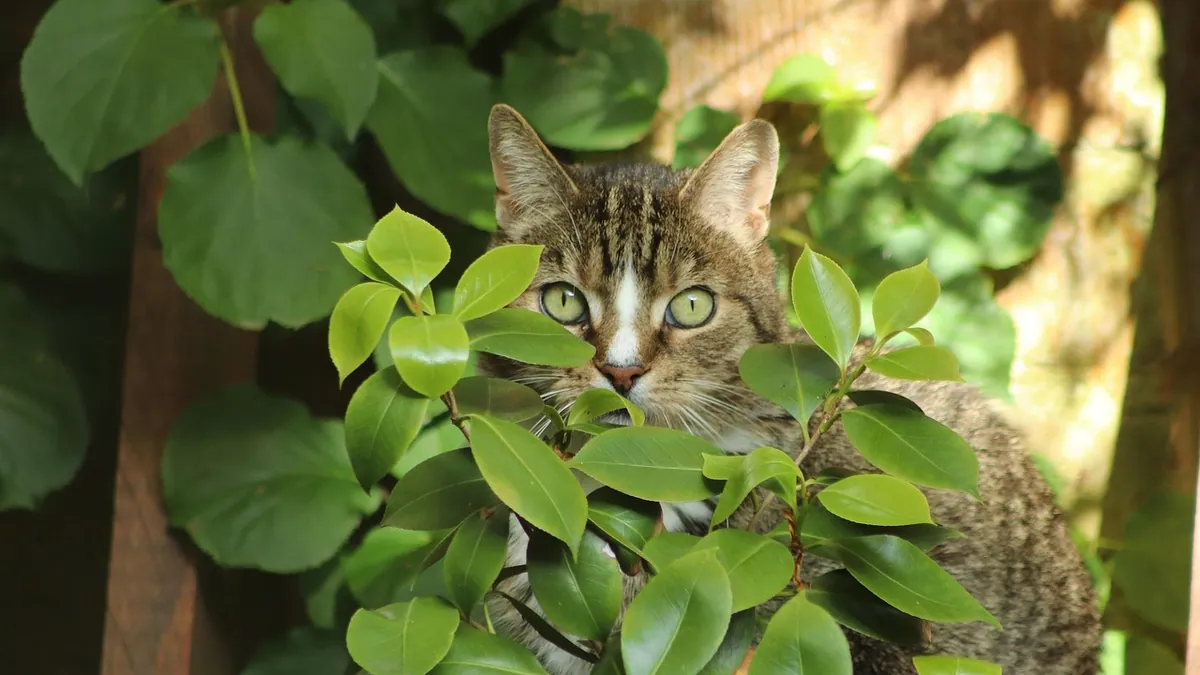
Can cats eat lychee? A small piece of peeled, seed-free lychee flesh is not toxic to cats, so an accidental taste is unlikely to poison your cat. The bigger concerns are the seed, the sugar, and processed lychee products like jelly or ice cream. This article is educational and is not a substitute for veterinary diagnosis or treatment.
Quick Answer
- Plain, peeled lychee flesh with the seed and skin removed is non-toxic to cats, but it offers no nutritional benefit and should only ever be a tiny taste, if given at all.
- The seed and skin are choking and blockage hazards and should never be offered.
- Lychee jelly, lychee ice cream, canned lychee in syrup, and dried lychee often contain added sugar, dairy, or sugar alcohols, which are reasons to say no.
- Xylitol is a well-known and dangerous poison in dogs, and while a controlled study did not find the same effects in cats, sugar-free products still do not belong in a cat's diet [1].
- If your cat ate a large amount of lychee, swallowed a seed, or ate a product containing xylitol, chocolate, onion, or garlic, call your veterinarian or a pet poison hotline right away.
Can Cats Eat Lychee Fruit?
The short answer is that a cat can eat a very small amount of lychee fruit flesh without expected harm. Lychee is not on the list of foods known to cause poisoning in dogs and cats, which includes chocolate, Allium plants like onion and garlic, grapes and raisins, macadamia nuts, xylitol-sweetened products, alcohol, and unbaked bread dough [2]. That list is the practical reference veterinarians use when a pet eats something from a human kitchen, and lychee is not on it.
That does not make lychee a cat food. Cats are obligate carnivores, meaning their bodies are built to get nutrients from animal tissue. Fruit is not part of a natural feline diet, and lychee adds nothing your cat needs. The flesh is mostly water and sugar with a small amount of vitamin C and potassium. There is no established health benefit to feeding lychee to a cat, and the calories and sugar are a downside, not a plus.
So the honest verdict is this. Lychee flesh is not toxic, but it is also not useful. If your cat sneaks a bite off a dropped piece, you can stay calm. If you are thinking about making lychee a regular treat, there are better choices.
Can Cats Eat Lychee Flesh?
Yes, a cat can eat a small piece of lychee flesh, provided the skin and seed are fully removed. The flesh itself is the only part that is reasonable to consider. Peel the fruit, cut away the seed, and offer a piece no bigger than a pea. For most adult cats, that is a taste, not a serving.
Kittens are a different story. Their digestive systems are still developing, and their nutritional needs are high and specific. There is no reason to feed lychee to a kitten, and the sugar and fiber can cause loose stool in a small body. Keep treats for kittens to kitten-formulated food and ask your veterinarian before adding anything new.
Can Cats Eat Lychee Jelly?
No, lychee jelly is not a good choice for cats. Jelly and gelatin desserts are built around sugar, and many also contain artificial sweeteners, flavorings, and sometimes dairy. Sugar-free versions are the biggest worry because they may contain xylitol, a sugar alcohol that causes dangerous low blood sugar and liver failure in dogs [2][3]. A controlled study in cats did not find the same harmful effects at doses that would be toxic to dogs, so xylitol should not be described as highly toxic to cats [1]. Even so, a sugar-free jelly is not cat food, and the sweetener, thickeners, and additives serve no purpose for your cat.
Regular lychee jelly is not poisonous either, but it is essentially sugar with no feline nutrition. A cat that eats a spoonful is unlikely to be in danger, but a cat that eats a whole container may end up with vomiting or diarrhea from the sugar load.
Can Cats Eat Lychee Ice Cream?
No. Ice cream is a poor choice for cats for several reasons that have nothing to do with lychee. Most cats are lactose intolerant to some degree, so dairy commonly causes gas, bloating, and diarrhea. Ice cream is also high in sugar and fat, which can upset the stomach and add empty calories. Some ice creams and frozen desserts contain xylitol, chocolate, raisins, or macadamia nuts, all of which are on the toxic list for pets [2]. If you want the full picture on frozen treats, see Can Cats Eat Ice Cream? Xylitol Sugar and Lactose and Can Cats Eat Dog Ice Cream? Safety and Ingredients to Avoid.
Form-by-Form Safety Table
| Form | Safe? | Notes |
|---|---|---|
| Peeled flesh, seed removed | Small taste only | Non-toxic, but no nutritional benefit and high in sugar |
| Seed | No | Choking and intestinal blockage risk |
| Skin | No | Hard to digest and a choking risk |
| Canned lychee in syrup | No | Heavy sugar syrup, empty calories |
| Dried lychee | No | Concentrated sugar, often sulfites |
| Lychee jelly | No | Sugar, additives, possible xylitol in sugar-free versions |
| Lychee ice cream | No | Dairy, sugar, possible xylitol, chocolate, or raisins |
| Lychee candy | No | Sugar, possible xylitol, chocolate, or nuts |
Risks of Feeding Lychee to Cats
Choking and Blockage
The lychee seed is smooth, round, and roughly the size of a large olive. In a cat, that is a serious choking hazard, and if it is swallowed it can lodge in the esophagus or intestines. A blockage is a surgical emergency. Signs include repeated vomiting, drooling, retching, a painful belly, and refusal to eat. The skin is also tough and difficult for a cat to chew, so remove it along with the seed.
Sugar and Digestive Upset
Lychee is a sweet fruit, and cats have no dietary need for sugar. A large amount can pull water into the gut and cause vomiting or diarrhea. Over time, extra sugar and calories contribute to weight gain, and overweight cats face higher risks of diabetes and joint disease. Feeding instructions on commercial cat food labels are already a common source of overfeeding, so adding sweet human food on top of a full bowl of kibble is a real problem [4].
Xylitol and Other Additives
Xylitol is a sugar substitute found in sugar-free gum, candy, baked goods, and some desserts. It is a well-documented cause of poisoning in dogs, with cases of low blood sugar and acute liver failure reported in the veterinary literature [2][3]. The situation in cats is different. In a controlled study, healthy cats given xylitol at doses considered toxic to dogs showed no significant changes in blood glucose or bloodwork [1]. That is reassuring for cats, but it is not a green light. Sugar-free products are made for people, not cats, and there is no reason to feed them. Other additives to watch for include chocolate, raisins, macadamia nuts, onion, and garlic, all of which are known pet toxins [2].
No Nutritional Benefit
There is no established benefit of lychee for cats. It does not improve hydration in any meaningful way, it does not support the immune system, and it does not replace a balanced diet. If you want to add moisture to your cat's diet, water or a veterinary-approved wet food is the better route. For a fruit that actually has a reasonable water content and its own set of cautions, see Can Cats Eat Watermelon? Hydration & Seed Hazards.
How to Offer Lychee Safely
If you still want to let your cat try lychee, follow these steps.
- Choose a fresh, ripe lychee and rinse it well.
- Peel off all the skin and discard it.
- Cut the flesh away from the seed. Do not let your cat chew on the seed.
- Cut the flesh into a piece no larger than a pea.
- Offer one piece and watch your cat for 24 hours for vomiting, diarrhea, or lethargy.
- Do not repeat more than once, and do not make it a routine treat.
Treats should stay a small part of the daily diet. Your veterinarian can tell you how many calories your cat needs based on weight, age, and health, and how much of that can come from treats.
Parts and Preparations to Avoid
Never offer the seed, the skin, or the stem. Avoid canned lychee in syrup, dried lychee, lychee juice, lychee candy, lychee jelly, lychee ice cream, and lychee-flavored baked goods. Any product labeled sugar-free should be treated as off limits because of the chance it contains xylitol or another sugar alcohol [2][3]. Skip anything with chocolate, raisins, macadamia nuts, onion, or garlic for the same reason [2].
What to Do If Your Cat Ate Too Much Lychee
If your cat ate a small piece of flesh, you can monitor at home. Watch for vomiting, diarrhea, drooling, or a change in appetite over the next day. Most cats will be fine.
If your cat swallowed a seed, ate the skin, or ate a large amount of lychee, call your veterinarian or a pet poison hotline. A swallowed seed is a blockage risk and may need imaging. A large amount of fruit can cause significant stomach upset.
If your cat ate a product that contains xylitol, chocolate, raisins, macadamia nuts, onion, or garlic, treat it as an emergency and call right away [2]. Do not wait for symptoms. Bring the packaging or a photo of the ingredient list with you so your veterinarian knows exactly what was eaten and how much.
Safer Alternatives to Lychee
Cats do not need fruit at all, and the safest treats are made for cats. A few options that are generally well tolerated include:
- A small piece of plain, cooked, unseasoned chicken or turkey
- A bite of plain cooked salmon or tuna packed in water, with no salt added
- A commercial cat treat formulated for your cat's life stage
- A teaspoon of plain canned pumpkin for a cat that needs a little fiber
If you want to offer fruit, small pieces of plain watermelon flesh with the seeds and rind removed are a common choice, though the same rules apply. Keep it tiny, remove all seeds, and watch for stomach upset. For more on that, see Can Cats Eat Watermelon? Hydration & Seed Hazards. Bananas are another fruit owners ask about, and they carry similar sugar cautions. You can read more at Can Cats Eat Bananas. Processed meats like hot dogs are a separate category of risk because of salt, preservatives, and added onion or garlic, which you can read about at Can Cats Eat Hot Dogs.
Limitations and When to Contact a Veterinarian
No article can tell you what is happening inside your specific cat. The response to any food depends on your cat's weight, age, health conditions, medications, and how much was eaten. Your veterinarian is the only one who can examine your cat and decide on treatment. Individual cases need a veterinarian.
Call your veterinarian or a pet poison hotline right away, meaning now, if your cat:
- Swallowed a lychee seed or a large piece of skin
- Ate a product containing xylitol, chocolate, raisins, macadamia nuts, onion, or garlic [2]
- Is gagging, retching, drooling heavily, or having trouble breathing
- Is vomiting repeatedly or has a painful, swollen belly
- Is weak, wobbly, or unresponsive
Call the same day if your cat:
- Ate a large amount of lychee flesh or jelly
- Has vomiting or diarrhea that lasts more than a few hours
- Refuses food or seems quieter than usual
- Has a known food allergy or a sensitive stomach
Schedule a routine visit if you want help planning treats and portions. Your veterinarian can calculate your cat's daily calorie needs and tell you how much of that can come from treats, which is more reliable than guessing from a label [4].
Frequently Asked Questions
Can cats eat lychee without getting sick?
Most cats that eat a small piece of peeled, seed-free flesh will not get sick. The flesh is not on the known toxin list for pets [2]. A larger amount can cause vomiting or diarrhea from the sugar, and the seed is a choking and blockage risk.
Can kittens eat lychee?
No, kittens should not eat lychee. Their digestive systems are still developing and their bodies need complete kitten food, not fruit. There is no benefit and the sugar can cause loose stool in a small animal.
Is lychee toxic to cats?
Lychee flesh is not considered toxic to cats. It does not appear on the list of foods known to cause poisoning in dogs and cats [2]. The real dangers are the seed, the sugar, and additives in processed lychee products.
What happens if a cat eats a lychee seed?
A swallowed lychee seed can choke your cat or cause an intestinal blockage. Signs include retching, drooling, vomiting, and belly pain. Call your veterinarian right away if you think your cat swallowed a seed.
Can cats eat lychee jelly or lychee ice cream?
No, both are poor choices. Jelly and ice cream are high in sugar, and ice cream often contains dairy that cats cannot digest well. Sugar-free versions may contain xylitol, which is a well-known dog poison and still does not belong in a cat's diet [2][1].
Related Articles
- Can Cats Eat Ice Cream? Xylitol Sugar and Lactose
- Can Cats Eat Dog Ice Cream? Safety and Ingredients to Avoid
- Can Cats Eat Watermelon? Hydration & Seed Hazards
- Can Cats Eat Bananas
- Can Cats Eat Hot Dogs
- Can Cats Eat Butter? Fat Content and Lactose
- Can Cats Eat Jelly? Sugar, Xylitol and Sweets
- Can Cats Eat Jello? Gelatin, Sugar, and Xylitol
- Can Cats Eat Unsweetened Applesauce? Safety Guide
References
- Effects of p.o. administered xylitol in cats. Journal of veterinary pharmacology and therapeutics, 2018.
- Household Food Items Toxic to Dogs and Cats. Frontiers in veterinary science, 2016.
- Toxicology Case Presentations. The Veterinary clinics of North America. Small animal practice, 2023.
- An investigation of feeding instructions on cat food labels in Belgium and comparison with European industry energy intake recommendations. The Veterinary record, 2026.