Is Butterfly Weed Toxic to Cats? Milkweed Risks
By Dr. Zubair Khalid, DVM, MS, PhD ·
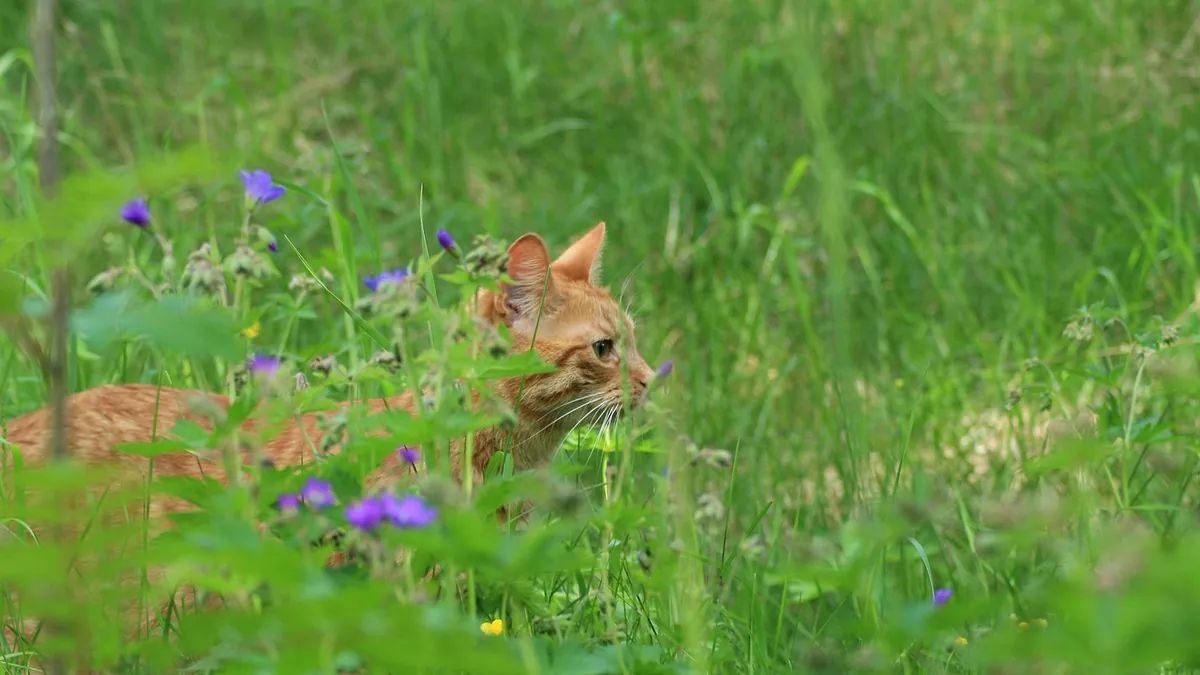
Yes, butterfly weed is toxic to cats. Butterfly weed belongs to the milkweed group (Asclepias species), and milkweed is listed as toxic to cats, dogs, and horses [1]. The plant contains compounds that can cause serious illness, so keep it out of reach and act quickly if your cat chews on any part of it.
This article is educational and is not a substitute for veterinary diagnosis or treatment.
Quick Answer
- Butterfly weed is a milkweed (Asclepias), and milkweed is toxic to cats [1].
- All parts of the plant matter, including leaves, stems, flowers, sap, and roots. Dried or cut plant material can still be a risk.
- Common early signs include vomiting, depression, weakness, loss of appetite, and diarrhea [1].
- More severe signs can follow, including seizures, trouble breathing, a rapid weak pulse, dilated pupils, kidney or liver failure, coma, and death [1].
- If your cat ate any part of the plant, call your veterinarian, the ASPCA Animal Poison Control Center at (888) 426-4435, or Pet Poison Helpline at (855) 764-7661 right away. Do not make your cat vomit unless a veterinarian tells you to.
Is Butterfly Weed Toxic to Cats?
Butterfly weed is one of many plants in the Asclepias genus, the group commonly called milkweeds. The ASPCA lists milkweed as toxic to cats [1]. That listing covers Asclepias species as a group, which means butterfly weed falls under the same toxic plant family.
Some people assume butterfly weed is safe because it is a garden favorite and attracts butterflies. Butterflies have evolved ways to handle milkweed toxins. Cats have not. A cat's body handles many plant chemicals differently from other species, and cats can be more sensitive to certain compounds because of how their liver processes them [2].
Which Parts of the Plant Are Toxic?
The toxic compounds are found in the plant's tissues, including the milky sap that gives milkweed its name. Leaves, stems, flowers, seed pods, and roots can all contain these compounds. Dried plant material may still carry risk, so do not assume that a wilted or dried stem is harmless.
Are Cut Flowers and Garden Clippings a Risk?
Yes. A vase of butterfly weed on a table, a bouquet that includes milkweed, or clippings left in a yard bag can all tempt a cat. Cats often bat at stems and chew leaves out of curiosity. If you bring butterfly weed indoors, keep it in a room your cat cannot enter.
What About Milkweed Pods and Seeds?
Milkweed pods and the fluffy seeds inside are part of the plant and should be treated as potentially toxic. If your cat plays with a dried pod or the silk, contact a veterinarian or poison control for guidance.
The Toxic Principle and What It Does in the Body
Milkweed toxicity is not caused by a single chemical across all species. According to the ASPCA, some milkweed species contain cardiotoxins called steroidal glycosidic cardenolides, while other species contain neurotoxins [1]. Cardiotoxins affect the heart. Neurotoxins affect the nervous system.
This matters because the signs you see can vary depending on the plant and how much your cat ate. A cat that eats a small amount may vomit and feel unwell. A cat that eats more, or eats a species with stronger toxins, may develop heart or neurologic problems.
Plant poisons in general come from a wide range of chemical groups, including alkaloids, glycosides, proteins, and amino acids [3]. Different animals can respond very differently to the same plant, and cats are no exception [3]. That is one reason a veterinarian needs to evaluate your cat in person instead of relying on a general plant list.
Some Asclepias compounds have been studied for their effects on liver enzymes in laboratory work, but that research involved plant extracts and rat liver microsomes, not cats eating garden plants [4]. It does not tell us what a safe or dangerous amount is for your cat. There is no well established toxic dose for butterfly weed in cats, so your veterinarian will base decisions on your cat's weight, the amount eaten, the time since exposure, and your cat's signs.
Signs of Butterfly Weed Poisoning in Cats
Signs can start within hours of ingestion, though the exact timeline depends on how much was eaten and which compounds are involved. Watch for any change in behavior or appetite after possible exposure.
Early Signs
The ASPCA lists vomiting, profound depression, weakness, anorexia (not eating), and diarrhea as common signs of milkweed poisoning [1]. You might notice your cat hiding, refusing food, acting limp, or having loose stool. Vomiting is often the first thing owners see.
Serious Signs
More severe signs can follow the early ones. These include seizures, difficulty breathing, a rapid weak pulse, dilated pupils, kidney or liver failure, coma, respiratory paralysis, and death [1]. These are emergencies. Do not wait to see if your cat improves on its own.
What If You Did Not See Your Cat Eat the Plant?
Cats are good at hiding both plants and symptoms. If you find chewed leaves, bite marks on a stem, or sap on your cat's paws or face, treat it as a possible exposure. Call for advice even if your cat seems fine right now.
What to Do Right Now
If you suspect your cat ate butterfly weed, take these steps.
- Move your cat away from the plant. Put the plant out of reach or take your cat to a safe room.
- Call for help. Contact your veterinarian, the ASPCA Animal Poison Control Center at (888) 426-4435, or Pet Poison Helpline at (855) 764-7661. These services can guide you on next steps.
- Do not induce vomiting unless a veterinarian tells you to. Making a cat vomit at home can cause harm, especially if the cat is weak, having trouble breathing, or already vomiting.
- Save a sample if you can. A piece of the plant, a photo, or the plant's label helps the veterinarian identify what your cat ate.
- Follow the veterinary team's instructions. They may ask you to bring your cat in immediately or to monitor at home, depending on the details.
If your cat is having a seizure, struggling to breathe, or is unresponsive, go to the nearest emergency veterinary hospital now. Call ahead so the team can prepare.
How Veterinarians Treat Milkweed Poisoning in Cats
Treatment depends on your cat's signs and how much time has passed. There is no single antidote for milkweed poisoning, so care is supportive and focused on the problems your cat has.
Your veterinarian may start with a physical exam and questions about the plant and timing. If the exposure was recent and your cat is stable, the veterinarian may discuss decontamination options. Never do this at home on your own.
For vomiting and diarrhea, treatment may include fluids and medications to settle the stomach. For heart or neurologic signs, your cat may need continuous monitoring, oxygen, seizure control, and other supportive care. Blood work can check kidney and liver values and look for other problems. If your cat is very ill, hospitalization may be needed.
The dose of any medication is calculated by your veterinarian based on your cat's weight and health. Do not give your cat any human medication or leftover pet medication without veterinary direction.
Outlook After Ingestion
The outlook varies widely. A cat that eats a small amount and receives prompt care often does well. A cat that develops seizures, breathing difficulty, or organ failure has a much more serious prognosis [1].
Some cats recover fully with supportive care. Others may need a longer hospital stay. Because milkweed can affect the heart and nervous system, your veterinarian may recommend follow-up visits and repeat blood work even after your cat seems better.
If your cat has a known genetic sensitivity to certain drugs, that can affect treatment choices. A recent report described a Maine Coon cat with a specific ABCB1 gene variant and a non-functional P-glycoprotein transporter, which increased the risk of neurotoxicity from certain medications [5]. This is a reminder that individual cats can respond differently to drugs and toxins. Tell your veterinarian about any breed-related health concerns or previous reactions.
Prevention and Safer Alternatives
The simplest prevention is to keep butterfly weed out of your cat's reach. If you garden, plant milkweed in a fenced area your cat cannot access, or choose it only if your cat stays indoors and never goes outside.
If you want color indoors, choose plants that are not toxic to cats. You can review lists of Plants Toxic To Cats and Flowers That Are Toxic To Cats before you buy. If you are unsure about a specific plant, check What Plants Can Be Toxic To Cats or ask your veterinarian.
Other practical steps:
- Keep cut flowers and clippings in a closed room or outside.
- Cover compost and yard waste, since dried plant parts can still attract cats.
- Supervise outdoor time, or use a catio or harness and leash.
- Teach children and guests not to bring wild plants indoors.
- Store seeds and pods away from pets.
Remember that many common plants can cause problems, and reactions vary by species and by individual [3]. A plant that seems harmless to one cat may cause illness in another.
Limitations and When to Contact a Veterinarian
This article gives general information, not a diagnosis. Every cat needs an individual assessment by a veterinarian, because the amount eaten, the plant species, the time since exposure, and your cat's health all change the plan.
Contact a veterinarian the same day if your cat may have eaten butterfly weed, even if your cat seems normal. Early signs like vomiting or not eating should not be ignored.
Go to an emergency hospital now if your cat has seizures, trouble breathing, a weak or rapid pulse, dilated pupils, collapse, or is unresponsive. These signs can progress quickly [1].
Schedule a routine visit if your cat had a possible exposure and has recovered, or if you want help choosing cat-safe plants for your home. Your veterinarian can also discuss your cat's overall health and any risk factors.
Frequently Asked Questions
Is butterfly weed the same as milkweed?
Yes. Butterfly weed is a type of milkweed in the Asclepias genus, and milkweed is listed as toxic to cats [1]. If a plant is called butterfly weed, milkweed, or pleurisy root, treat it as the same group for safety purposes.
Can a cat get sick from just chewing a leaf?
Yes, any amount of plant material can cause signs, and there is no established safe amount for cats. Vomiting, depression, weakness, and diarrhea are common early signs [1]. Call your veterinarian or a poison control service for advice.
How long after eating butterfly weed do signs show up?
Signs often appear within hours, but the exact timing depends on the amount eaten and the plant's compounds. Some cats show signs quickly, while others may seem fine at first. Monitor closely and call for guidance if you suspect exposure.
Will my cat recover?
Many cats recover with prompt supportive care, but severe cases can be life threatening. Signs like seizures, breathing difficulty, and organ failure are serious [1]. Your veterinarian can give you a more specific outlook after examining your cat.
Are there cat-safe flowers I can keep instead?
Yes, many flowers and plants are considered non-toxic to cats, but you should verify each one before bringing it home. Review Flowers Toxic To Cats and What Plants And Flowers Are Toxic To Cats to build a safer plant list.
Related Articles
- Plants Toxic To Cats
- Flowers That Are Toxic To Cats
- What Plants Can Be Toxic To Cats
- Flowers Toxic To Cats
- What Plants And Flowers Are Toxic To Cats
- What Flowers Are Toxic To Cats
- Is Heartleaf Philodendron Toxic to Cats? Signs to Know
- Are Marigolds Toxic to Cats? Types and Symptoms
- Is Amaryllis Toxic to Cats? Leaves, Pollen, and Bulbs
References
- Toxic and Non-toxic Plants: Milkweed. ASPCA Animal Poison Control Center.
- Predictive q-RASAR modeling of intrinsic toxicity of pharmaceuticals and bioactive compounds in cats. Journal of hazardous materials, 2026.
- Poisonous plants. EXS, 2010.
- Inhibition of the CYP Enzymatic System Responsible of Heterocyclic Amines Bioactivation by an Asclepias subulata Extract. Plants (Basel, Switzerland), 2023.
- Inherent P-glycoprotein deficiency and macrocyclic lactone toxicity in an Australian Maine Coon cat homozygous for ABCB11930_1931del TC. JFMS open reports, 2026.