Why Is My Senior Dog Yelping Randomly? Pain, Spasms, and More
By Dr. Zubair Khalid, DVM, MS, PhD ·
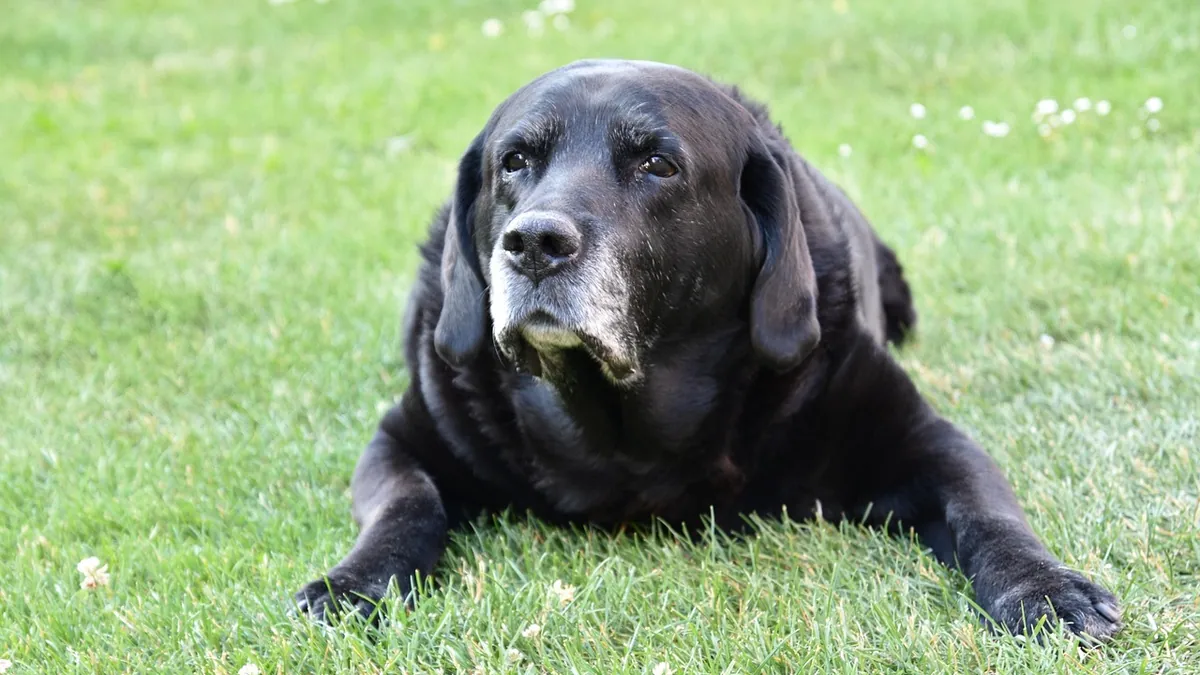
A senior dog yelping randomly is usually reacting to a sudden burst of pain, a muscle spasm, or a nerve misfire, even when nothing obvious happened. Older dogs are more likely to have arthritis, disc disease, dental pain, or cognitive changes that can trigger these yelps. This article is educational and is not a substitute for veterinary diagnosis or treatment.
Quick Answer
- A sudden yelp with no visible cause is a pain signal until proven otherwise, and older dogs often hide pain well [1].
- The most common triggers in seniors are neck or back pain, osteoarthritis, dental disease, and muscle spasms.
- Some geriatric dogs have myoclonus, a brief involuntary jerk or twitch that can look like a random yelp or startle [2].
- Do not give human pain relievers. Many are toxic to dogs, and the dose must be calculated by your veterinarian.
- If the yelping comes with weakness, wobbling, a swollen belly, collapse, or trouble breathing, treat it as an emergency.
What Random Yelping in an Older Dog Actually Looks Like
A yelp is a sharp, short vocalization. It can happen when your dog is standing, lying down, being petted, or simply shifting position. Some owners describe it as a cry, a squeal, or a startled bark.
The tricky part is that the trigger is often invisible. Your dog may yelp when barely touched, or when you pick up a food bowl, or when he turns his head. That does not mean the pain is mild. It means the painful structure moved in a way you did not see.
Pay attention to what happens right before and right after the yelp. Does your dog freeze? Does he look at his belly, neck, or rear leg? Does he pant, tremble, or refuse to lie down? Those details help your veterinarian narrow the list fast.
Normal vs. Not Normal
Normal senior dog sounds include grumbling when disturbed, groaning when settling, and excited barking at the doorbell. A random yelp that repeats over days is not normal.
Also watch for changes that owners often miss. Subtle pain signs in dogs include slowness when standing after rest, reduced play, hesitant paw lifting, a change in personality, and a fluctuating mood [1][3]. These can appear weeks before the first yelp.
Why Is My Senior Dog Yelping Randomly? The Main Causes
The table below covers the most common reasons an older dog yelps out of nowhere. Urgency is a general guide, not a diagnosis.
| Cause | Typical clues | How urgent |
|---|---|---|
| Neck or back pain (disc disease, spondylosis) | Yelps when turning the head, going down stairs, or being lifted. Stiff neck. Reluctance to jump | Same-day vet visit if repeated or if walking changes |
| Osteoarthritis | Slow to rise, stiff after rest, yelps when touched on hips or elbows, less play | Routine visit, sooner if yelping is frequent |
| Muscle spasm or cramp | Sudden yelp, then a few seconds of stiffness, then back to normal | Routine visit unless it keeps happening |
| Dental disease | Bad breath, drooling, chewing on one side, yelps when eating or when the muzzle is touched | Routine visit, sooner if not eating |
| Myoclonus with cognitive dysfunction | Brief jerks or twitches, night restlessness, staring, house soiling, disorientation | Routine visit with a cognitive screening |
| Injury or fracture | Yelp at a specific moment, limping, swelling, will not bear weight | Emergency if non-weight-bearing |
| Abdominal pain (including bloat) | Pacing, unproductive retching, hard belly, yelping when picked up | Emergency now |
| Anal gland or rear-end pain | Scooting, licking the rear, yelps when sitting | Routine visit |
Neck and Back Pain
This is one of the top causes in older dogs. A disc problem or arthritic change in the spine can make a small movement feel sharp. Your dog may yelp when he looks up at you, shakes his head, or goes down a step.
If your dog yelps and then holds his head low or refuses to turn it, that pattern points toward the neck. If the yelp comes with a hunched back or a wobbly rear end, the problem may be further down the spine. Both need a veterinary exam.
Osteoarthritis and Joint Pain
Arthritis pain is often called the hardest kind to spot. An arthritic dog may show nearly imperceptible signs, such as slowness when standing after sleeping [1]. Owners often notice the yelp before they notice the limp.
Validated owner questionnaires exist to measure this kind of pain, and they focus on how the dog moves, plays, and enjoys life [4]. That tells you something useful. Your description of daily function matters as much as an X-ray.
If your dog is limping instead of yelping, this guide can help you judge the timing: How to Tell If Your Senior Dog's Limp Is an Emergency or Can Wait.
Muscle Spasms and Twitching
A muscle spasm can produce a single sharp yelp followed by a few seconds of stiffness. Your dog may look startled, then act normal. Spasms often happen in the back legs or along the spine.
A different pattern is myoclonus, which is a brief involuntary jerk. In one survey of geriatric dogs over 7 years old, 89% of owners reported signs of canine cognitive dysfunction, and 89% of the dogs with those cognitive signs also showed myoclonus [2]. That does not mean every twitch is cognitive decline. It does mean the two can travel together in older dogs, so mention both to your veterinarian.
Dental and Mouth Pain
Dental pain is different from a broken bone, but both cause clear pain signs [1]. A dog with a painful tooth may yelp when biting a hard treat, when you touch the muzzle, or for no visible reason at all.
Watch for bad breath, drooling, dropping food, or chewing on one side. For more on that pattern, see Senior Dog Bad Breath Causes and How to Tell If Your Senior Dog's Bad Breath Is a Sign of Kidney Disease.
Pain Somewhere in the Belly
Abdominal pain can make a dog yelp when you pick him up or when he stretches. Causes range from mild stomach upset to serious problems. A hard, swollen belly with retching is an emergency.
Nerve Pain and Other Causes
Nerve irritation, ear disease, eye ulcers, and even constipation can cause sudden yelps. So can a torn nail or a foreign object stuck in a paw. Check the whole dog, not just the area where you think the pain is.
Red Flags That Mean Emergency
Go to an emergency clinic now if you see any of these:
- Unproductive retching with a swollen belly
- Collapse, fainting, or a seizure
- Sudden inability to use the back legs
- Crying that will not stop, or heavy panting that does not settle
- Trouble breathing, blue gums, or a cough that sounds new and harsh
- A yelp followed by a rigid body or loss of consciousness
- A swollen, hot, or deformed limb
- Bleeding that does not stop
Some of these overlap with other senior dog problems. A new cough or gagging sound is not usually a pain yelp, but it can signal airway disease. This article explains that pattern: Why Is My Dog Coughing And Gagging Randomly. A change in bark or breathing in an older large-breed dog can also point to laryngeal paralysis: Laryngeal Paralysis in Senior Dogs: GOLPP Symptoms and Tie-Back Surgery.
What You Can Safely Do at Home While You Wait
Your job before the appointment is to keep your dog comfortable and to gather good information. Do not try to diagnose or treat the pain yourself.
- Stop the trigger movements. No stairs, no jumping on furniture, no long walks. Use a ramp or lift your dog with both hands supporting the chest and rear.
- Keep the routine calm. Loud play, other pets, and slippery floors make pain worse. Put down rugs or yoga mats.
- Do not give human pain medicine. Ibuprofen, naproxen, and acetaminophen are dangerous for dogs. Your veterinarian will calculate any pain medication dose from your dog's weight and health.
- Write down each yelp. Note the time, what your dog was doing, how long it lasted, and what happened next. A short video is even better.
- Offer soft food and water. If chewing seems painful, soften the food. If your dog stops eating or drinking, call the vet that day.
- Use a harness instead of a neck collar. Pressure on the neck can trigger yelps in dogs with neck pain.
Owners are often better at spotting acute pain than they think. In one study, the most commonly reported behavior changes in dogs with acute pain were changes in walking, playing with an object, and playing with the owner [5]. Those are the details your veterinarian wants.
What Your Veterinarian Will Check and Test
The exam starts with a hands-on pain assessment. Your veterinarian will watch your dog walk, feel along the spine and neck, check each joint, and look in the mouth.
Expect questions about when the yelping started, what your dog was doing, and whether anything else changed. Bring your notes and videos.
Common next steps include:
- Neurologic exam to check reflexes, paw placement, and pain response
- Orthopedic exam to find joint swelling, crepitus, or a limited range of motion
- Dental exam, sometimes under sedation, to find painful teeth below the gumline
- Blood work and urine testing to check organ function before any medication
- X-rays of the spine, hips, elbows, or chest
- Advanced imaging such as CT or MRI if a disc or nerve problem is suspected
Pain scoring tools help your veterinarian track progress over time. One validated owner questionnaire for osteoarthritis pain measures how the condition affects your dog's daily life, and it is used to judge whether treatment is working [4]. Your answers drive those scores.
If the yelping is brief and twitch-like, your veterinarian may also screen for cognitive dysfunction. Cognitive decline is common in older dogs, and myoclonus often appears alongside it [2]. That changes the treatment plan.
Prevention and Monitoring for Senior Dogs
You cannot prevent every cause of random yelping, but you can catch problems earlier.
- Weigh your dog monthly. Weight gain worsens joint pain. Weight loss can signal dental or organ disease.
- Keep nails short. Long nails change how your dog stands and add strain to the toes and wrists.
- Use ramps and rugs. Slippery floors and furniture jumps are common triggers for neck and back pain.
- Brush teeth or use vet-approved dental products. Dental pain is one of the most under-treated problems in older dogs [1].
- Schedule twice-yearly exams after age 7 or 8. Senior dogs change fast, and early findings are easier to manage.
- Track good days and bad days. A simple calendar helps your veterinarian adjust treatment.
Pain in older dogs is common, and owners often underestimate it. In one large survey of owners who chose euthanasia for their dogs, 87% listed pain or suffering as a reason [6]. That number is a reminder to take repeated yelping seriously and to ask your veterinarian directly about pain control.
Limitations and When to Contact a Veterinarian
This article cannot tell you what is causing your dog's yelping. Only a veterinarian who examines your dog can do that, and individual cases always need a professional evaluation.
Call your veterinarian the same day if your dog yelps more than once in a day, yelps when touched, stops eating, starts limping, or seems dull and withdrawn.
Go to an emergency clinic now for collapse, a swollen belly with retching, sudden rear-leg weakness, nonstop crying, trouble breathing, or a seizure.
Book a routine visit soon if the yelps are occasional but keep returning, if your dog is slowing down, or if you have noticed bad breath, night restlessness, or reduced play. Early treatment usually means better comfort for your senior dog.
Frequently Asked Questions
Why does my dog yelp randomly when nothing touched him?
A small movement you did not notice can trigger a sharp pain, especially in the neck or back. Muscle spasms and brief involuntary jerks can also cause a sudden yelp with no obvious cause. Keep a log of each episode and have your dog examined.
My senior dog yelps when barely touched. Is that serious?
Yes, that pattern deserves a prompt veterinary visit. It usually means a specific area is painful, such as the spine, a joint, the belly, or the mouth. Until the exam, handle your dog gently and skip neck collars and stairs.
Can dementia cause yelping in old dogs?
Cognitive dysfunction can come with restlessness, night pacing, and disorientation, and myoclonus often appears in dogs with these cognitive signs. The twitching itself may startle a dog into a yelp. Your veterinarian can screen for this and rule out pain as the main cause.
Should I give my dog a painkiller before the vet visit?
No. Human pain relievers can poison dogs, and even dog-safe medications need a dose based on your dog's weight and health. Call your veterinarian or a pet poison hotline if your dog accidentally swallows any human medication.
How do I know if my senior dog is in pain if he only yelps sometimes?
Watch daily function, not just the yelp. Slowness rising, less play, hesitant paw lifting, mood changes, and stiffness after rest are all recognized pain signs in dogs. Video your dog walking and bring the clips to the appointment.
Related Articles
- How to Tell If Your Senior Dog's Bad Breath Is a Sign of Kidney Disease
- How to Tell If Your Senior Dog's Limp Is an Emergency or Can Wait
- Why Is My Dog Coughing And Gagging Randomly
- Senior Dog Bad Breath Causes
- Laryngeal Paralysis in Senior Dogs: GOLPP Symptoms and Tie-Back Surgery
- Why Is My Dog Acting restless and pacing? Bloat GDV & Pain Triage
- Why Is My Dog Yelping in Pain Randomly and Shaking?
- Why Is My Senior Dog Yelping in Sleep? Causes and Calming Tips
- Why Is My Dog Yelping in His Sleep? Is It Normal?
References
- Recognizing Pain In Pets. Pet Poison Helpline.
- Myoclonus in geriatric dogs and its association with canine cognitive dysfunction: an online survey. Frontiers in veterinary science, 2026.
- The abilities in dog pain sign recognition as assessed by presenting seventeen listed dog behavioural signs and three case descriptions to dog owners and non-dog owners. PloS one, 2026.
- Initial psychometric evaluation of the Korean version of the Canine Brief Pain Inventory for canine osteoarthritis. Journal of veterinary science, 2026.
- Acute pain sign recognition by dog owners in a home setting. PloS one, 2026.
- Poor quality of life and recent veterinary consultation are associated with increased owner-perceived pain and/or suffering prior to euthanasia in dogs. American journal of veterinary research, 2026.