Why Is My Dog Yelping in His Sleep? Is It Normal?
By Dr. Zubair Khalid, DVM, MS, PhD ·
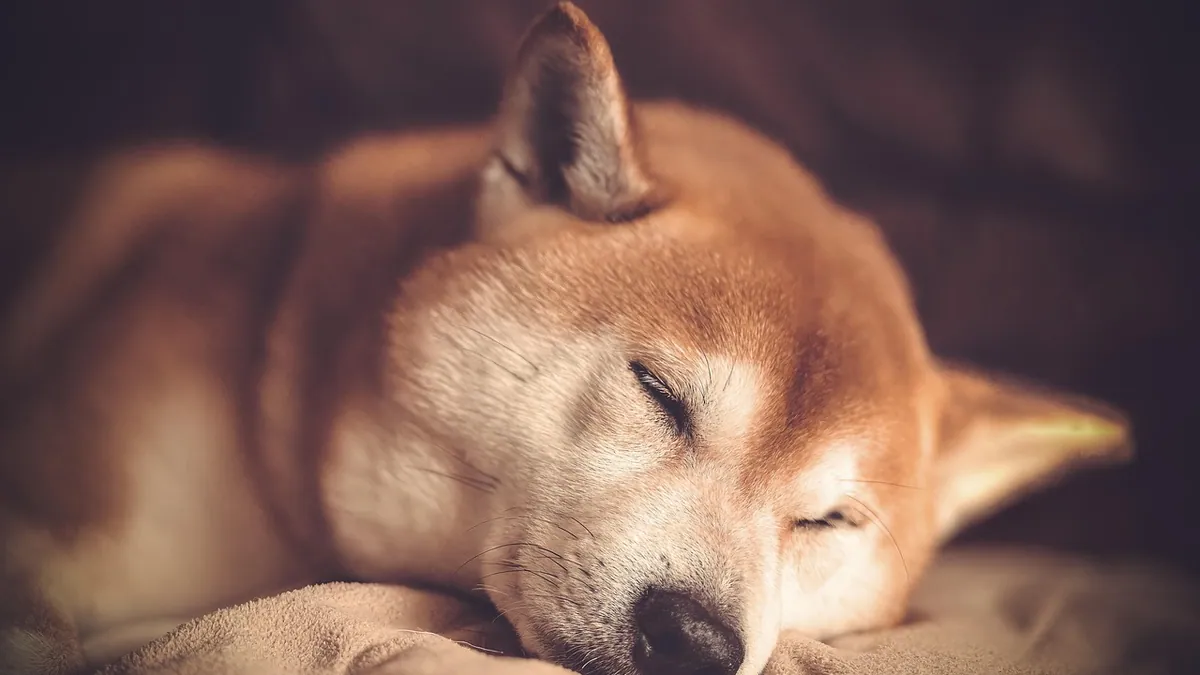
If your dog yelps in his sleep, the most likely explanation is that he is dreaming. Dogs cycle through sleep stages much like people do, and brief sounds, twitches, and paddling motions during dreaming are common and usually harmless. This article is educational and is not a substitute for veterinary diagnosis or treatment.
Quick Answer
- Sleep yelping is usually dreaming, especially if your dog is relaxed, eyes closed, and easy to rouse.
- Do not shake or startle your dog awake. Say his name softly and let him wake on his own.
- Yelping that happens only at night, with normal behavior when awake, is rarely an emergency.
- Yelping while awake, when touched, or when moving is more likely pain and needs a vet visit.
- Stiffening, paddling, drooling, urinating, or losing consciousness during an episode can point to a seizure and needs same-day veterinary care.
What Sleep Yelping Looks Like and What Is Normal
A dreaming dog often looks busy. His eyes may dart under closed lids. His legs may paddle, his lips may twitch, and he may make soft woofs, growls, whines, or short high-pitched yelps. Some dogs even seem to run in place. These movements come in bursts and stop when the dog shifts position or wakes up.
Normal sleep vocalization has a few features:
- It happens with the eyes closed and the body relaxed between twitches.
- It is brief, often seconds to a minute or two.
- Your dog wakes up normally and seems fine afterward.
- It does not happen when he is awake or when you touch a sore spot.
Dogs spend a large part of the day asleep, and their sleep includes dreaming phases. If your dog is otherwise eating, playing, and moving well, occasional sleep yelping is not a reason to panic.
One clue that dreaming is the cause is timing. Dogs tend to dream more in the hours after a lot of activity or excitement. If your dog yelps in his sleep after a long day at the park or a big play session, dreaming is even more likely.
Why Is My Dog Yelping in His Sleep? The Main Causes
Several conditions can cause a dog to yelp or make noise during sleep. Most are harmless, but a few need medical attention. The table below compares the common causes.
| Cause | Typical clues | How urgent |
|---|---|---|
| Dreaming | Eyes closed, twitching, paddling, brief yelps, wakes normally | Not urgent |
| Pain or discomfort | Yelping when touched or moved, limping, stiffness, yelping while awake too | See a vet soon |
| Seizure activity | Stiffening, paddling, drooling, urination, unresponsive during episode, confusion after | Emergency or same-day |
| Sleep-related breathing problems | Snoring, gasping, long pauses in breathing, restless sleep | See a vet soon |
| Cognitive dysfunction in older dogs | Night waking, pacing, confusion, house soiling, unsettled between 2 and 5 a.m. | Routine visit |
| Anxiety or disrupted routine | Pacing before bed, whining, yelping when left alone | Routine visit |
Dreaming
Dreaming is the top reason dogs yelp in their sleep. During rapid eye movement sleep, the brain is active and the body can twitch. A dog may relive a chase, a greeting, or a barking match. The yelp is simply a sound that comes out during the dream.
Pain or Discomfort
A dog in pain may yelp when he shifts position in his sleep, when he is touched, or when he tries to stand. Arthritis, back problems, dental pain, and abdominal discomfort can all cause this. The difference is that pain-related yelping usually also shows up when the dog is awake. You may see limping, reluctance to climb stairs, or a change in appetite.
Seizure Activity
Some seizures happen during sleep. A sleeping dog may stiffen, paddle, drool, urinate, or lose consciousness. He may not respond to his name during the episode. Afterward, he may seem confused, wobbly, or tired. Seizures can look like intense dreaming, so the key difference is how the dog behaves during and after the event.
Research on dogs with idiopathic epilepsy found that sleep quality and sleep interruptions caused by dreaming differ between epileptic dogs and healthy dogs [1]. This does not mean every sleep yelp is a seizure. It does mean that if your dog has a known seizure disorder, sleep changes are worth mentioning to your vet.
Sleep-Related Breathing Problems
Flat-faced breeds and dogs with airway disease may have disrupted sleep. They may snore loudly, gasp, or wake suddenly. A dog who yelps and then gasps for air may have a breathing issue. If your dog breathes fast or struggles while sleeping, read more about Dog Breathing Fast While Sleeping: Normal or a Problem?.
Cognitive Dysfunction in Older Dogs
Older dogs can develop canine cognitive dysfunction, which is similar to dementia in people. A study of dogs aged 8 and older found that poorer sleep quality, including trouble falling asleep and staying asleep, was linked to greater cognitive impairment [2]. These dogs often wake at night, pace, and seem unsettled, most often between 2 and 5 a.m. [2]. If your senior dog yelps at night and seems confused, this is worth a vet visit.
Anxiety and Routine Changes
Stress can also disrupt sleep. A new pet, a move, or a change in schedule may make a dog restless. Some dogs yelp in their sleep when they are overtired or anxious. This is usually easy to spot because the behavior improves once the routine settles.
Red Flags That Make It an Emergency
Most sleep yelping is not an emergency. Some signs are. Get emergency veterinary care if your dog:
- Has a seizure that lasts more than a few minutes, or has repeated seizures without fully waking up between them.
- Does not wake up or does not respond to you during an episode.
- Has trouble breathing, gasps, or turns blue during or after an episode.
- Yelps and then cannot stand, walk, or use his back legs.
- Shows sudden weakness, collapse, or a swollen painful abdomen.
- Yelps continuously while awake and cannot settle.
Call your vet the same day if your dog:
- Yelps during sleep more often than before.
- Yelps when touched or when moving during the day.
- Has a change in appetite, drinking, or urination along with the yelping.
- Seems confused, disoriented, or restless at night.
- Has a known seizure disorder and the pattern of episodes changes.
A dog who yelps in his sleep but is completely normal when awake can usually wait for a routine visit. A dog who yelps and also shows any of the emergency signs above should be seen right away.
Safe Things You Can Do at Home While You Wait
You cannot stop a dream, and you should not try to. Here is what helps.
Let Your Dog Wake Naturally
Do not shake, push, or shout at a sleeping dog. A dog who is startled out of a deep sleep may snap or bite before he knows what is happening. Say his name softly from a distance. Most dogs wake on their own within seconds.
Keep a Sleep Log
Write down the time, what you saw, and how long it lasted. Note whether your dog was easy to wake, whether he seemed confused afterward, and whether he yelped when awake too. This log is one of the most useful things you can bring to a vet visit.
Check for Obvious Pain
When your dog is awake and calm, gently run your hands along his legs, back, and belly. Watch for flinching, turning to look at you, or pulling away. Do not press on a spot that clearly hurts. If you find a tender area, mention it to your vet.
Support Good Sleep
- Give your dog a comfortable, supportive bed, especially if he is older.
- Keep the room quiet and dim at night.
- Stick to a consistent bedtime routine.
- Give a final potty break before bed.
- Avoid vigorous play right before sleep if it seems to trigger intense dreaming.
If your dog is peeing in his sleep as well as yelping, that is a separate problem worth checking. Read Why Is My Dog peeing in sleep? Urinary Incontinence and Hormone Deficiency. If he is also drinking and urinating more than usual, see Why Is My Dog Peeing So Much?.
Do Not Give Human Medications
Never give your dog human pain relievers, sleep aids, or sedatives. Many are toxic to dogs. If your dog seems to be in pain, call your vet for guidance. Your veterinarian will calculate any medication dose from your dog's weight and health.
What Your Veterinarian Will Check and Test
Your vet will start with a full history. Bring your sleep log and note any changes in behavior, appetite, or activity. Be ready to describe what the episodes look like and how often they happen.
The physical exam checks for pain, lameness, dental disease, abdominal tenderness, and neurologic problems. Your vet will also check your dog's heart and breathing.
Depending on what is found, your vet may recommend:
- Blood work to check organ function, blood sugar, and electrolytes.
- A seizure workup if episodes look like seizures.
- Imaging such as X-rays or ultrasound if pain or an internal problem is suspected.
- A referral to a veterinary neurologist for advanced testing.
- A sleep or video diary so your vet can see the episodes.
If your dog is an older dog with night restlessness, your vet may screen for cognitive dysfunction. A practical screening tool has been developed to help veterinarians assess sleep-wake disturbance in dogs with cognitive decline [2].
If your dog has a condition such as Chiari-like malformation, sleep interruptions from dreaming may be more common. A study of Cavalier King Charles Spaniels found that dogs with clinical signs had significantly more sleep interruptions caused by dreaming than dogs without signs [3]. This is a breed-specific finding, but it shows that some medical conditions can change how a dog sleeps.
Prevention and Monitoring
You cannot prevent every sleep yelp, but you can lower the odds of problems and catch issues early.
- Keep your dog at a healthy weight. Extra pounds worsen arthritis and breathing problems.
- Stay current on wellness visits, especially as your dog ages.
- Track changes in sleep over time. A gradual increase in night yelping matters.
- Watch for other signs, such as drooling, pacing, or house soiling. If your dog drools more than usual, see Why Is My Dog Drooling?.
- Ask about pain control if your dog has arthritis or a known painful condition.
- Keep a consistent daily routine with plenty of exercise and mental activity.
- For senior dogs, ask your vet about screening for cognitive dysfunction at each visit.
Sleep changes can be an early clue to a medical problem. A study of dogs with epilepsy found that almost all owners reported at least one autonomic sign, such as drooling or urination, around seizures [4]. If you notice new physical signs along with sleep yelping, tell your vet.
Limitations and When to Contact a Veterinarian
This article cannot tell you what is happening with your individual dog. Only a veterinarian who examines your dog can do that.
Contact a veterinarian the same day if your dog yelps during sleep more often, yelps when touched or moving, seems confused at night, or has a change in appetite, drinking, or urination.
Go to an emergency clinic now if your dog has a seizure lasting more than a few minutes, repeated seizures, trouble breathing, collapse, or cannot stand after an episode.
Schedule a routine visit if your dog yelps in his sleep occasionally but is completely normal when awake. Bring a video and a sleep log. That information helps your vet decide whether testing is needed.
Frequently Asked Questions
Is it normal for dogs to yelp in their sleep?
Yes, it is normal for many dogs to yelp, twitch, or paddle during sleep. These sounds usually happen during dreaming and stop when the dog wakes. If your dog is normal when awake and the episodes are brief, there is usually no cause for concern.
Why is my puppy yelping in his sleep?
Puppies dream too, and their sleep yelping is usually harmless. Puppies also sleep a lot, so you may notice more episodes simply because they are asleep more often. If your puppy yelps when awake or seems painful, call your vet.
How can I tell sleep yelping apart from pain?
Pain-related yelping usually happens when your dog is awake, when he is touched, or when he moves. Sleep yelping happens with the eyes closed and stops when he wakes. If your dog yelps in both situations, see your vet.
Should I wake my dog when he yelps in his sleep?
No, it is safer to let him wake on his own. Say his name softly and wait. Waking a dog suddenly from a deep sleep can cause a startle response, and some dogs may snap before they realize where they are.
When should I worry about my dog yelping in his sleep?
Worry if the episodes get more frequent, last a long time, or come with stiffening, drooling, urination, or confusion. Also worry if your dog yelps while awake or seems painful. Those signs need a veterinary exam.
Related Articles
- Dog Breathing Fast While Sleeping: Normal or a Problem?
- Why Is My Dog Peeing So Much?
- Why Is My Dog peeing in sleep? Urinary Incontinence and Hormone Deficiency
- Why Do Dogs Sleep So Much? Understanding Canine Sleep Patterns
- Why Is My Dog Drooling?
- Dog Panting and Restless at Night: When to Call the Vet
- Why Is My Dog Whimpering in His Sleep? Dreaming or Pain
- Why Does My Dog Twitch in His Sleep? What's Normal
- Why Does My Dog Bark in His Sleep? Dreaming Explained
References
- An Exploratory Study on the Relationship Between Idiopathic Epilepsy and Sleep in Dogs. Journal of veterinary internal medicine, 2025.
- Sleep-wake disturbance in canine cognitive dysfunction: Guardian-reported patterns and a practical screening tool. Veterinary journal (London, England : 1997), 2026.
- Owner Observed Sleep Disturbances in Cavalier King Charles Spaniels with and Without Clinical Signs Compatible with a Chiari-like Malformation. Animals : an open access journal from MDPI, 2026.
- Owner reported prevalence of autonomic signs in epileptic dogs. Frontiers in veterinary science, 2026.