Senior Dog Panting a Lot: Normal Aging or a Warning Sign?
By Dr. Zubair Khalid, DVM, MS, PhD ·
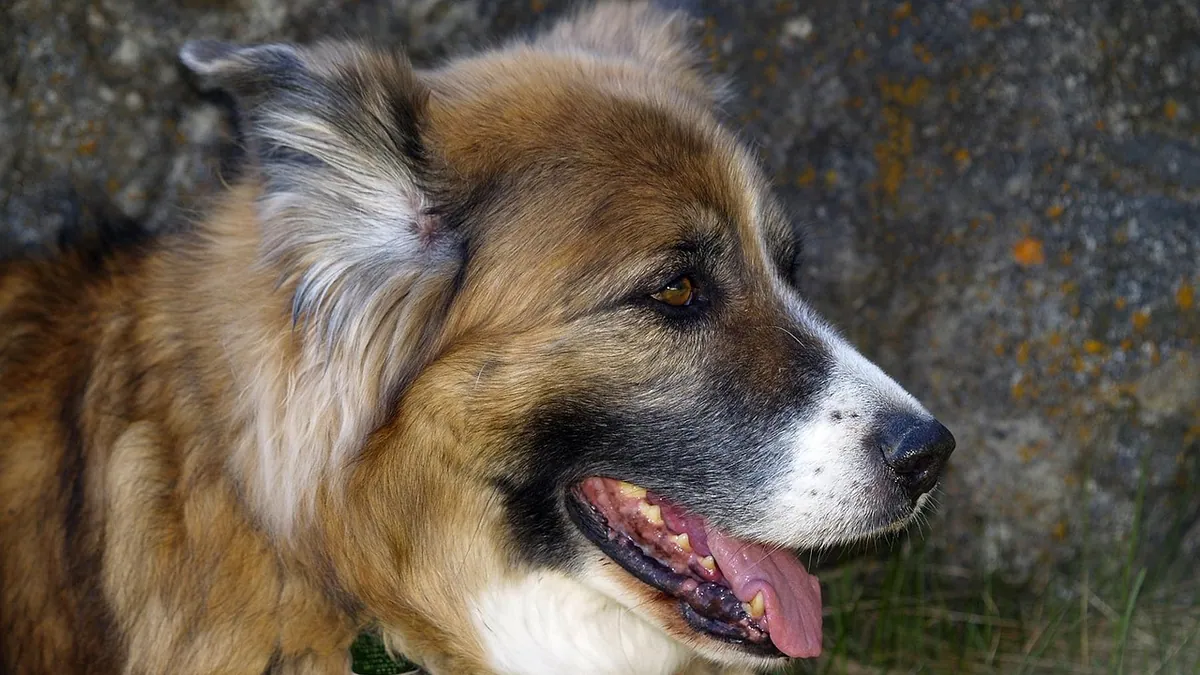
Some panting in an older dog is normal, especially after exercise or on a warm day. But when a senior dog pants a lot at rest, at night, or for no clear reason, it can signal pain, heart disease, Cushing's disease, or heat stress. This article is educational and is not a substitute for veterinary diagnosis or treatment.
Quick Answer
- Panting is a dog's main way to cool down, so some heavy breathing after activity or in heat is expected at any age.
- Panting that starts suddenly, lasts a long time, or happens while your dog is resting or sleeping deserves a veterinary visit.
- Older dogs often show pain, heart problems, or hormone issues through breathing changes before other signs appear.
- Never give human pain relievers or sedatives to a dog. Many are toxic, and the dose must be calculated by a veterinarian.
- If your dog pants with a blue or gray tongue, collapses, or cannot settle, treat it as an emergency and call a veterinary clinic right away.
What Senior Dog Panting a Lot Looks Like and What Is Normal
Panting is normal dog behavior. Dogs have few sweat glands, so they move air quickly over their tongue and airways to release heat. A healthy dog pants faster and harder after a walk, during play, or in warm weather, then settles within a few minutes once they cool off.
Normal panting in a senior dog usually has a clear trigger. The dog was active, the room is warm, or they are excited or mildly anxious. The breathing slows when the trigger goes away. Your dog can lie down, rest, and breathe comfortably through the nose.
Heavy panting that does not match the situation is different. You might notice your senior dog panting at night while sleeping, panting in a cool room, or breathing hard with the mouth open when they have barely moved. Some owners describe a senior dog always panting, even during quiet time on the couch.
Age itself changes how a dog handles heat and activity. Like people, older dogs lose some eyesight, hearing, and mobility, and their dietary and mental needs can shift [1]. A senior dog may tire faster and pant sooner than they did a few years ago. That gradual change can be normal aging. A sudden change is not.
Veterinarians also look at function, not just age. Aging in pets is now viewed as a functional assessment of how the animal experiences daily life, including frailty and quality of life [2]. A dog who pants a little more slowly over months is different from one who starts heavy panting over a few days.
Main Causes of Heavy Panting in Older Dogs
Many conditions can make a senior dog breathe heavily. The table below groups the most common ones by the clues owners notice and how urgent each one is.
| Cause | Typical clues | How urgent |
|---|---|---|
| Heat stress or heatstroke | Panting after heat or exercise, drooling, weakness, vomiting, collapse | Emergency |
| Pain (arthritis, dental, abdominal) | Panting at rest, pacing, stiffness, trouble rising, reluctance to climb stairs | Same-day to urgent |
| Heart disease | Heavy breathing at night, coughing, tiring on walks, fainting, swollen belly | Urgent |
| Cushing's disease | Panting with a pot belly, increased thirst and urination, hair loss, thin skin | Routine to urgent |
| Anxiety or stress | Panting with pacing, whining, hiding, triggered by storms or changes | Routine |
| Cognitive dysfunction | Panting with confusion, staring at walls, night restlessness, soiling | Routine |
| Respiratory disease | Noisy breathing, cough, exercise intolerance, nasal discharge | Urgent |
| Anemia or bleeding | Pale gums, weakness, fast breathing, collapse | Emergency |
| Fever or infection | Panting with lethargy, poor appetite, warm body, vomiting | Same-day |
| Medications or toxins | Panting after a new drug or possible exposure to a poison | Emergency if toxin suspected |
Pain is one of the most overlooked reasons a senior dog pants a lot. Dogs hide discomfort, and panting at rest, especially at night, is a common clue. Arthritis, dental disease, and abdominal pain can all show up this way. If your dog also seems anxious or restless, our guide on whether panting is a sign of pain or anxiety can help you sort out the pattern.
Heart disease often causes heavy breathing that is worse at night or when lying flat. Fluid can build up in or around the lungs, and the dog has to work harder to breathe. A senior dog panting at night with a cough or reduced stamina needs prompt evaluation.
Cushing's disease, a hormone disorder, causes panting along with a pot belly, increased thirst and urination, and coat changes. These signs develop slowly, so owners sometimes assume they are just part of aging.
Cognitive decline is another possibility. Aging dogs show widely variable cognitive changes, ranging from healthy brain aging to more serious decline [3]. Some dogs with cognitive dysfunction also show involuntary muscle jerks called myoclonus [4]. If your dog pants at night along with confusion or restlessness, see our article on senior dog cognitive dysfunction.
Red Flags That Make It an Emergency
Some breathing changes cannot wait. Call an emergency veterinary clinic right away if you see any of these:
- A blue, gray, or white tongue or gums
- Collapse, weakness, or inability to stand
- Breathing with the belly and chest heaving hard, or the elbows spread out
- Open-mouth breathing in a dog who normally breathes through the nose at rest
- Panting that starts suddenly and does not stop within a few minutes of rest
- Vomiting, drooling, or a swollen abdomen with heavy breathing
- Panting after possible exposure to a toxin, human medication, or spoiled food
For poison concerns, call the Pet Poison Helpline at 855-764-7661 or the ASPCA Animal Poison Control Center at 888-426-4435. These services may charge a consultation fee.
Heatstroke is a true emergency. Brachycephalic breeds, dogs with heart disease, and overweight seniors are at higher risk. Cool your dog with room-temperature water and a fan while you drive to the clinic. Do not use ice-cold water or ice packs, which can make things worse.
Safe Things You Can Do at Home While Waiting
While you wait for your appointment or decide whether to go in, keep your dog calm and cool.
- Move your dog to a cool, quiet room with good airflow.
- Offer small amounts of water. Do not force your dog to drink.
- Stop all exercise and let your dog rest.
- Take a short video of the panting, especially at night, to show your veterinarian.
- Note the time it started, what your dog was doing, and how long it lasts.
- Check the gums. Pink is normal, pale, blue, or gray is an emergency.
- Do not give any human medication, including aspirin, ibuprofen, acetaminophen, or sedatives.
Keep a simple log for a few days. Write down when the panting happens, how long it lasts, and what else you notice, such as coughing, pacing, or drinking more water. This record helps your veterinarian narrow down the cause quickly.
If your dog is panting heavily and also has other symptoms, our overview of why dogs pant so much covers more patterns to watch for.
What Your Veterinarian Will Check and Test
Your veterinarian will start with a full physical exam. They will listen to the heart and lungs, check the gums and pulse, feel the abdomen, and assess your dog's breathing effort. They will also ask about the timing of the panting, appetite, water intake, urination, and activity level.
Common tests include:
- Blood work to check organ function, blood cells, and hormone levels
- Urinalysis to look for infection, protein, and urine concentration
- Chest X-rays to look at the heart size and lungs
- Blood pressure measurement
- Heart ultrasound if heart disease is suspected
- A hormone test for Cushing's disease if signs fit
Urine testing can also reveal problems linked to other senior issues. In one study of aging dogs, urinalysis abnormalities such as protein in the urine were common, and urine concentration decreased with age [5]. That is one reason a simple urine sample is so useful in older dogs.
If your dog has bad breath along with other changes, kidney disease may be part of the picture. Our article on senior dog bad breath and kidney disease explains that link.
Treatment depends on the cause. Pain control, heart medication, hormone therapy, or cooling and supportive care are all tailored to your dog. Your veterinarian will calculate any medication dose from your dog's weight and health status. Never adjust or share prescriptions on your own.
Prevention and Monitoring for Senior Dogs
You cannot stop aging, but you can catch problems earlier.
- Schedule wellness exams at least twice a year for senior dogs.
- Keep your dog at a healthy weight to reduce strain on the heart and joints.
- Provide cool, shaded rest areas and avoid walks during the hottest part of the day.
- Watch for changes in thirst, urination, appetite, and sleep.
- Track breathing rate at home while your dog is asleep. A calm sleeping rate is a useful baseline.
- Ask your veterinarian about pain screening at every visit.
- Use ramps, rugs, and orthopedic bedding to ease mobility.
Aging is not one uniform process. Molecular changes in dogs during aging involve pathways related to DNA repair, collagen processing, and inflammation, and these overlap with human aging patterns [6]. This helps explain why senior dogs can develop several issues at once. Regular monitoring and early care make a real difference.
If your dog's panting is new, worsening, or paired with any other change, do not wait. Our guide on dog panting excessively and when to worry can help you decide how quickly to act.
Limitations and When to Contact a Veterinarian
This article gives general guidance only. Every dog is different, and only a veterinarian who examines your dog can diagnose the cause of heavy panting.
Contact a veterinarian the same day if your senior dog is panting more than usual, panting at rest, or showing mild lethargy, coughing, or reduced appetite.
Go to an emergency clinic now if you see a blue or gray tongue, collapse, severe breathing effort, a swollen abdomen, or panting after heat exposure or a possible poisoning.
Schedule a routine visit if the panting is mild, long-standing, and stable, but mention it at your next appointment. Do not assume it is just aging.
Frequently Asked Questions
Is it normal for a senior dog to pant at night?
Some panting at night can be normal if the room is warm or your dog is anxious. But new or frequent night panting often points to pain, heart disease, or another medical issue. Have your veterinarian evaluate any change in nighttime breathing.
How can I tell if my senior dog's panting is from pain?
Panting at rest, pacing, stiffness, and reluctance to move are common pain clues in older dogs. A dog in pain often cannot settle even when lying down. A veterinarian can examine your dog and recommend safe pain control.
Can heat cause heavy panting in an older dog?
Yes, and older dogs overheat faster than young ones. Heat stress can quickly become heatstroke, which is life-threatening. Move your dog to a cool area, offer water, and seek emergency care if they seem weak, wobbly, or confused.
Does Cushing's disease cause panting in dogs?
Cushing's disease commonly causes panting along with a pot belly, increased thirst and urination, and coat changes. These signs appear slowly, so owners often miss them. Blood and urine tests can confirm the diagnosis.
What should I do if my senior dog is panting and won't stop?
Keep your dog calm and cool, stop all activity, and check the gums for color. If the panting does not ease within a few minutes of rest, or if you see any emergency sign, call a veterinary clinic right away.
Related Articles
- Dog Panting Excessively: When to Worry
- Why Is My Dog Panting So Much?
- Senior Dog Cognitive Dysfunction: Is It Dementia or Just Aging?
- Is My Dog's Panting a Sign of Pain or Just Anxiety?
- How to Tell If Your Senior Dog's Bad Breath Is a Sign of Kidney Disease
- Signs Of Arthritis In Older Dogs
- Why Is My Dog Panting? Cancer, Heart Failure, and Surgery
- My Dog's Breathing Seems Weird: When to Worry
- Signs of Dog Aging: Normal Old Age vs. Decline
References
- Caring For Senior Pets. Pet Poison Helpline.
- Senior Versus Geriatric: Unpacking the Frailty of Aging. The Veterinary clinics of North America. Small animal practice, 2026.
- Aging dogs exhibit heterogeneous cognitive decline trajectories: A longitudinal comparative model. Journal of Alzheimer's disease : JAD, 2026.
- Myoclonus in geriatric dogs and its association with canine cognitive dysfunction: an online survey. Frontiers in veterinary science, 2026.
- The relationship between urinalysis abnormalities, soiling behavior, and cognitive decline in aging dogs. Journal of veterinary internal medicine, 2026.
- Multi-omic analysis of canine aging uncovers conserved aging pathways. GeroScience, 2026.