Labored Breathing in Dogs at Rest or Sleeping
By Dr. Zubair Khalid, DVM, MS, PhD ·
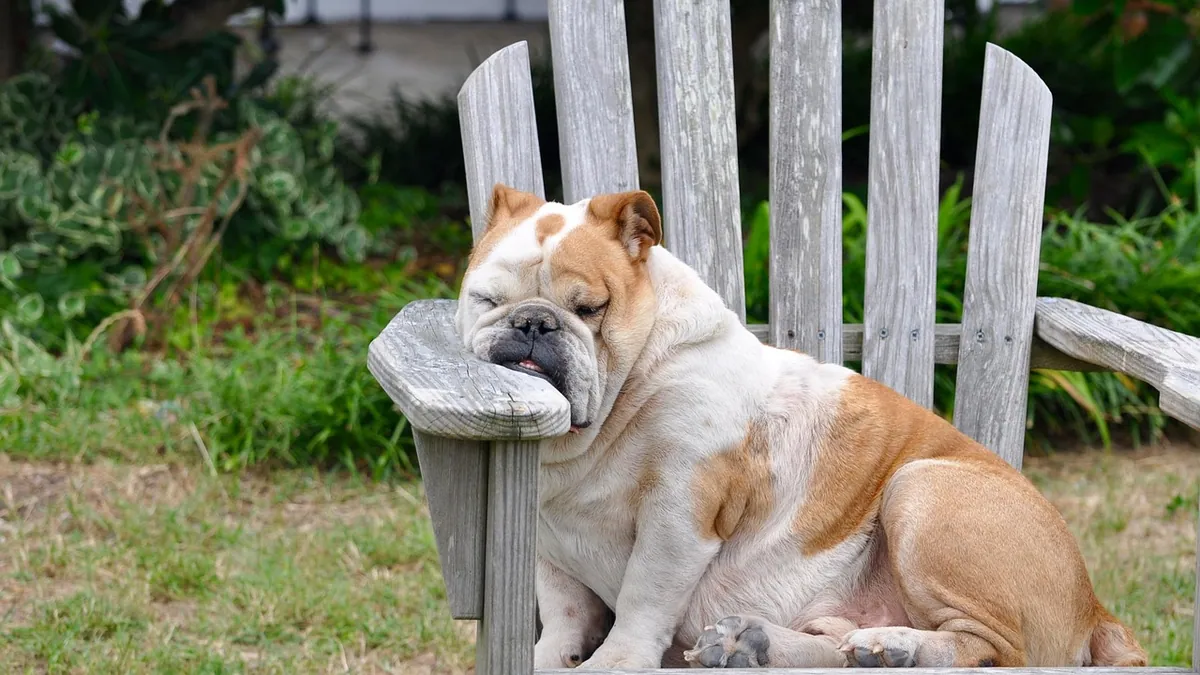
Labored breathing in dogs while sleeping means your dog is putting visible effort into each breath even though they are resting. A sleeping dog should breathe quietly and easily, so effort at rest is a warning sign, not a normal variation. It often points to a heart, lung, or airway problem, or to a complication after surgery, and it needs prompt veterinary care.
This article is educational and is not a substitute for veterinary diagnosis or treatment.
Quick Answer
- Normal resting breathing in dogs is quiet, easy, and usually under about 30 breaths per minute. Count the chest or belly rises for a full 30 seconds and double it.
- Labored breathing at rest looks like a wide chest, flared nostrils, a stretched neck, or a belly that pumps hard with every breath.
- Causes include fluid or air around the lungs, pneumonia, collapsing airways, heart disease, and reactions to anesthesia or pain after surgery [1][2][3][4].
- Breathing trouble that appears while your dog is resting or asleep is an emergency. Go to a veterinarian now, do not wait for morning.
- Keep your dog calm and cool, avoid forcing activity, and never give human medications or leftover pet drugs.
What Labored Breathing Looks Like in Dogs
Labored breathing is effort you can see. Your dog's chest may move in and out more than usual. The nostrils may flare with each inhale. The neck may stretch forward and the elbows may point out. The belly may pump like a bellows. Some dogs make grunting, wheezing, or "blowing" sounds as air moves through the lips [2].
You may also notice a posture change. Dogs in respiratory distress often sit or stand with the head and neck extended, refusing to lie flat. They may be unable to settle, even when tired. Gums can look pale, gray, or bluish, which signals poor oxygen in the blood [2].
What Normal Breathing Looks Like
A healthy dog at rest breathes quietly through the nose. You should see gentle chest movement and no obvious work. Sleep breathing can be slower and deeper than waking breathing, and brief twitching or sighing is normal. If you are unsure whether your dog's fast breathing during sleep is normal, read Dog Breathing Fast While Sleeping: Normal or a Problem?. Sleep habits also change with age and routine, and How Long Do Dogs Sleep explains typical patterns.
The best home tool is a resting respiratory rate. Count breaths when your dog is calm or asleep. Write the number down with the time. A rising trend over hours or days matters more than a single reading.
Main Causes of Labored Breathing at Rest or During Sleep
Many conditions cause labored breathing in dogs while resting. Some are emergencies. Others need same-day care. The table below groups the most common causes and the clues that point to each one.
| Cause | Typical clues | How urgent |
|---|---|---|
| Fluid or air in the chest cavity | Rapid, shallow breathing with labored inhalation, weakness, reluctance to lie down [1] | Emergency |
| Pneumonia | Deep cough, lethargy, poor appetite, bluish gums, fever, worse after activity [2] | Same day to emergency |
| Tracheal collapse | Dry honking cough, trouble breathing in or out, common in toy breeds, worse with excitement or obesity [3] | Same day |
| Congestive heart failure | Nighttime restlessness, coughing, fast resting rate, exercise intolerance, belly distension | Emergency |
| Post-surgical breathing problems | Trouble starting within hours to days after anesthesia or surgery, nosebleeds, rapid worsening [4] | Emergency |
| Sepsis or severe infection | Dyspnea, fast breathing (38 or more per minute), weakness, collapse [5] | Emergency |
| Diaphragm weakness | Poor chest expansion, distress that worsens with effort [6] | Same day |
| Noncardiac lung injury | Sudden severe distress with normal heart size on x-rays, diffuse lung changes [7] | Emergency |
Heart and Chest Cavity Causes
Fluid or air around the lungs is a classic cause of labored breathing at rest. Blood, clear fluid, or lymphatic fluid can collect in the pleural cavity, the space around the lungs. Signs include rapid shallow breathing with labored inhalation and weakness [1]. Air in that space, called pneumothorax, can collapse a lung and cause difficulty inhaling or rapid shallow breathing. This is an emergency that needs immediate veterinary attention [1].
Congestive heart failure is another common reason a dog struggles to breathe while sleeping. Fluid backs up into the lungs, so the dog wakes up restless, coughs, or breathes hard while lying down. A dog with heart disease may also have a swollen belly, a fast resting heart rate, or a history of a heart murmur. Labored breathing in dogs with congestive heart failure often gets worse at night because lying flat makes the lungs work harder.
Lung and Airway Causes
Pneumonia is inflammation of the lungs and airways. It causes breathing difficulty and low oxygen in the blood [2]. Common triggers include viral infections of the lower respiratory tract, such as canine distemper virus, adenovirus types 1 and 2, canine influenza virus, and parainfluenza virus. These viruses damage the airways and make pneumonia more likely [2]. Signs include lethargy, loss of appetite, a deep cough, labored breathing, "blowing" of the lips, and bluish mucous membranes, especially after exercise [2].
Tracheal collapse is most common in toy and miniature breeds. Affected dogs have a dry, honking, chronic cough and labored breathing. They can struggle on the inhale or the exhale [3]. Obesity, heart disease, and chronic bronchitis make it worse [3].
The diaphragm, the main breathing muscle, can also play a role. In dogs with respiratory distress, diaphragm movement measured by ultrasound differs from normal dogs, and breathing rate is the biggest factor affecting those measurements [6]. This helps explain why a fast, shallow pattern is a warning sign.
Post-Surgical and Anesthesia-Related Causes
Labored breathing in dogs after surgery deserves special attention. Anesthesia and pain medicine can affect breathing directly. In one report, two dogs developed immediate nosebleeds, dyspnea, and diffuse lung changes after a combination of an alpha 2-adrenergic agonist and a dissociative anesthetic. One dog was euthanized after seizures [4]. The authors noted that young patients or those premedicated with atropine may be at higher risk, and that careful monitoring during anesthesia matters [4].
Other post-surgical causes include pain, fluid overload, pneumonia, blood clots, and reactions to drugs. If your dog had surgery in the last few days and is now breathing hard at rest, call the clinic right away or go to an emergency hospital.
Other Serious Causes
Sepsis is a life-threatening whole-body response to infection. In a study of 130 critically ill dogs, sepsis was confirmed in 29 dogs (22.3%), and 18 died, a short-term mortality rate of 62.1% [5]. Dyspnea was linked to sepsis, and a respiratory rate of 38 or more per minute was also a risk factor [5]. Pneumonia and acute kidney injury were associated with sepsis as well [5].
Some dogs develop acute respiratory distress syndrome, a severe lung injury, from causes other than heart failure. One case report described a dog with sudden gagging, coughing, and lethargy, low oxygen saturation under 95%, and diffuse lung changes on x-rays with a normal heart size. Necropsy confirmed a pheochromocytoma and diffuse alveolar damage consistent with ARDS [7].
Recurrent nighttime breathing crises can also happen. One report described a dog with repeated nocturnal episodes of acute respiratory distress, coughing up blood, and short-lived high red blood cell counts. The dog was normal between episodes, and common infectious, cardiac, structural, and clotting causes were ruled out over time [8].
Red Flags That Mean Emergency Now
Go to an emergency veterinarian immediately if you see any of these:
- Breathing that is clearly hard work at rest or during sleep
- A resting respiratory rate that stays high or keeps climbing
- Gums that are blue, gray, or very pale [2]
- A neck stretched forward, elbows out, and refusal to lie down
- Open-mouth breathing in a dog that normally breathes through the nose
- Collapse, weakness, or unresponsiveness
- Breathing trouble within days after surgery or anesthesia [4]
- A honking cough with distress, especially in a toy breed [3]
- Sudden nosebleeds with hard breathing after a procedure [4]
Do not wait to see if it passes. Do not try to treat this at home with human drugs or leftover antibiotics.
Safe Things You Can Do at Home While Waiting
Your job is to keep your dog calm and get to the vet. Stress and heat make breathing harder.
- Keep the room cool and quiet. Turn off the TV and limit visitors.
- Let your dog choose a comfortable position. Do not force them to lie down.
- Loosen collars and harnesses so nothing presses on the neck or chest.
- Carry small dogs instead of making them walk.
- Offer small sips of water, but do not force drinking.
- Count the resting respiratory rate and write it down for the vet.
- Call ahead so the clinic can prepare oxygen and a quiet exam room.
Do not give any medication unless your veterinarian prescribed it for this problem. Do not give cough suppressants, steroids, or pain pills on your own. Doses depend on your dog's weight and health, and your veterinarian will calculate them.
What Your Veterinarian Will Check and Test
Your vet will start with the basics. They will watch your dog breathe from across the room, listen to the heart and lungs, and check gum color and pulse. They may measure oxygen saturation with a pulse oximeter. In one case report, a dog in distress had an oxygen saturation below 95% [7].
Next come imaging and lab work. Chest x-rays can show fluid, air, pneumonia, lung patterns, and heart size [1][2][7]. Ultrasound can look at the heart, the chest cavity, and the diaphragm [6]. Blood tests check for infection, anemia, clotting problems, and organ function. If sepsis is a concern, your vet may use scoring systems and lab values to judge risk [5].
Treatment depends on the cause. Draining fluid or air from the chest can relieve breathing distress and help identify the underlying problem, though the outlook for many causes of chest fluid is guarded to poor [1]. Pneumonia is treated with antibiotics, and the choice may be adjusted based on lab cultures. Bronchodilators and nebulization may help, and oxygen is given if gums are very blue [2]. Tracheal collapse is managed with weight loss, exercise restriction, less excitement, and medications such as cough suppressants, antibiotics, bronchodilators, and corticosteroids [3]. Dogs with pneumonia benefit from a warm, dry environment and may need repeat exams and chest x-rays [2].
Prevention and Monitoring
You cannot prevent every cause, but you can catch problems early.
- Track resting respiratory rate at home. Aim for a consistent time, such as when your dog is asleep. If you use a crate at night, a calm routine helps you get accurate readings. See Dog Crate Training For Sleep and Puppy Crate Training For Sleep.
- Keep your dog at a healthy weight. Weight loss is critical for dogs with tracheal collapse [3].
- Limit excitement and heavy exercise if your dog has a known heart or airway condition [3].
- Follow post-surgical instructions closely. Report any breathing change right away [4].
- Keep vaccines current. Several viruses that damage the airways and lead to pneumonia are preventable [2].
- Know your dog's normal. Some dogs snore or snort in sleep. If you hear noisy breathing that is new, check Dog Reverse Sneezing In Sleep to compare patterns.
Limitations and When to Contact a Veterinarian
This article cannot tell you what is wrong with your dog. Only a veterinarian who examines your dog can do that. Individual cases need a veterinarian, and breathing problems can change fast.
Call your veterinarian the same day if your dog has a new cough, a slightly fast resting rate, mild lethargy, or breathing that seems a bit more effortful than usual but is not severe.
Go to an emergency hospital now if your dog is working hard to breathe at rest or during sleep, has blue or gray gums, cannot lie down, collapses, or develops breathing trouble within days after surgery [1][2][4].
Schedule a routine visit if you have noticed a slow trend over weeks, such as a rising sleeping respiratory rate, a new honking cough, or less energy on walks [3].
Frequently Asked Questions
Is labored breathing in dogs while sleeping always an emergency?
No, but you should treat it as one until a veterinarian says otherwise. Effort at rest is never normal, and many causes, such as air or fluid around the lungs, need immediate care [1]. If your dog is struggling to breathe while asleep, go now.
Can heart disease cause labored breathing only at night?
Yes. Fluid buildup in the lungs from heart failure often worsens when a dog lies flat, so nighttime restlessness and hard breathing are common clues. A fast resting respiratory rate, coughing, and exercise intolerance also point to heart disease. Your vet can check the heart with an exam, x-rays, and ultrasound.
How soon after surgery can breathing problems start?
They can start within hours, and some reactions appear immediately after anesthesia [4]. Other complications, such as pneumonia or fluid overload, may show up over the first few days. Any breathing change after surgery is a reason to call the clinic right away.
What is a normal resting breathing rate for a dog?
Most healthy dogs breathe quietly at rest, and a rate under about 30 breaths per minute is a common guide. Count for 30 seconds and double it. A rate of 38 or more per minute was linked to sepsis risk in critically ill dogs, so a high or rising number deserves a call [5].
Should I give my dog anything at home to help breathing?
No. Do not give human medications, leftover antibiotics, or cough syrups. Keep your dog calm and cool, and get veterinary help. If your dog has a prescribed inhaler or oxygen plan, follow your veterinarian's exact instructions. Doses are based on your dog's weight and health, and your vet will calculate them.
Related Articles
- Dog Breathing Fast While Sleeping: Normal or a Problem?
- Dog Crate Training For Sleep
- How Long Do Dogs Sleep
- Dog Reverse Sneezing In Sleep
- Puppy Crate Training For Sleep
- Why Do Dogs Sleep So Much? Understanding Canine Sleep Patterns
- Labored Breathing in Dogs: What It Means and When to Worry
- Why Is My Dog Breathing Loudly at Rest?
- Dog Breathing Patterns: What's Normal and What's Not
References
- Accumulation of Fluid or Air in the Chest Cavity in Dogs - Dog Owners. Merck Veterinary Manual.
- Pneumonia in Dogs - Dog Owners. Merck Veterinary Manual.
- Tracheal Collapse in Dogs - Dog Owners. Merck Veterinary Manual.
- Dyspnea Induced by Alpha 2-Adrenergic Agonists and Dissociative Anesthetics Combination in Dogs and Cats. Animals : an open access journal from MDPI, 2026.
- Sepsis in critically ill dogs: identification of clinical and laboratory risk factors and evaluation of sepsis scoring systems. Journal of veterinary internal medicine, 2026.
- M-Mode and Tissue Doppler Ultrasonographic Assessment of Diaphragmatic Function in Dogs With and Without Respiratory Distress. Animals : an open access journal from MDPI, 2025.
- Acute respiratory distress syndrome associated with a pheochromocytoma in an adult dog. The Canadian veterinary journal = La revue veterinaire canadienne, 2024.
- Successful Management of Recurrent Hemoptysis, Polycythemia and Respiratory Distress in a Dog. Animals : an open access journal from MDPI, 2026.