Feline Viral Rhinotracheitis: Signs and Causes in Cats
By Dr. Zubair Khalid, DVM, MS, PhD ·
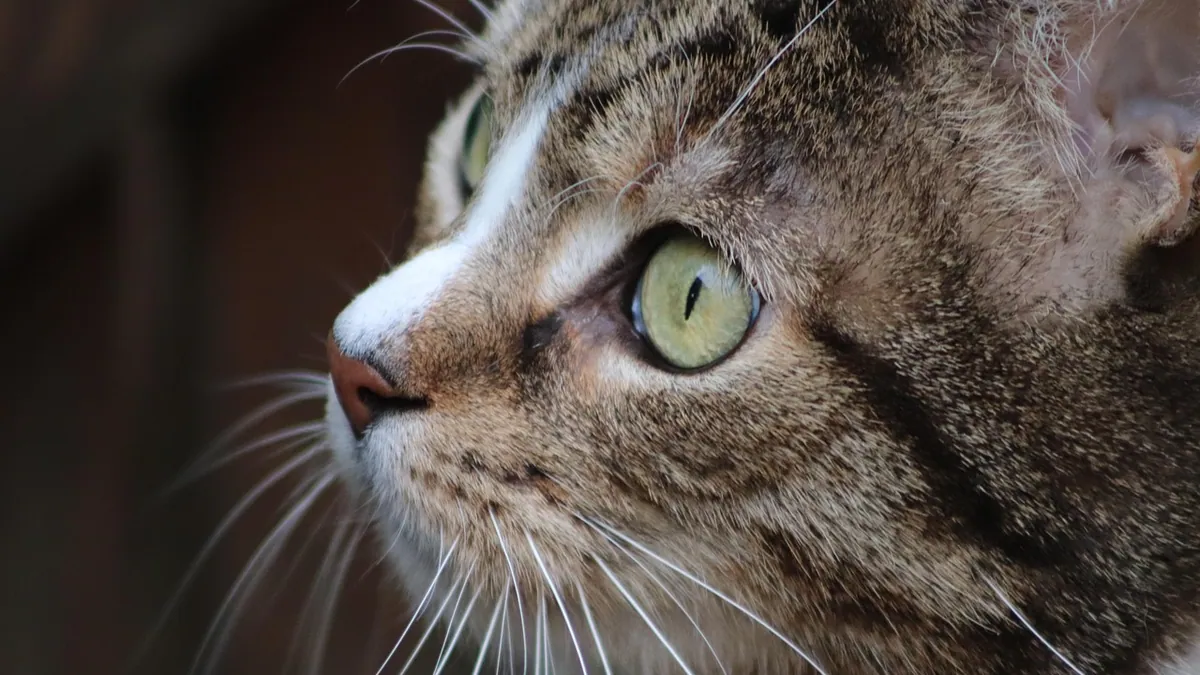
Feline viral rhinotracheitis in cats is an upper respiratory infection caused by feline herpesvirus type 1. It spreads easily between cats through sneezes and shared objects, and most cats that recover carry the virus for life. The main signs are sneezing, nasal discharge, runny eyes, and sometimes corneal damage.
This article is educational and is not a substitute for veterinary diagnosis or treatment.
Quick Answer
- Feline viral rhinotracheitis (FVR) is the same disease as feline herpesvirus type 1 (FHV-1) infection, and it is one of the two main viruses behind feline upper respiratory disease [1].
- The classic signs are sneezing, clear or thick nasal discharge, conjunctivitis, and excessive tearing [1].
- The virus spreads through droplets from a sneeze and through contaminated objects carried between cats by people [1].
- Stress can trigger a relapse in a cat that already had the infection months or years earlier [1].
- Supportive care at home is often enough for mild cases, but eye involvement, not eating, or trouble breathing needs a veterinarian.
What Is Feline Viral Rhinotracheitis?
Feline viral rhinotracheitis is an infection of the lining of the nose, sinuses, and eyes. The name describes what happens: rhino refers to the nose, trachea to the windpipe, and itis to inflammation. The virus itself is feline herpesvirus type 1, often shortened to FHV-1 [1].
FVR belongs to a group of illnesses veterinarians call the feline respiratory disease complex. The two principal players are feline viral rhinotracheitis and feline calicivirus, and a cat can be infected with both at the same time [1]. Other organisms can join in as well, which is one reason two cats with similar sneezing can end up with different diagnoses and different treatment plans.
This virus only affects cats. It does not infect dogs, and it does not infect people [2].
Signs of Feline Viral Rhinotracheitis
The signs of feline viral rhinotracheitis usually appear within a few days of exposure. Early on, many owners notice sneezing before anything else.
Common signs include:
- Sneezing, often frequent and wet
- Clear, watery nasal discharge that can thicken and become colored
- Inflammation of the eye lining (conjunctivitis) with red, squinting eyes
- Excessive tear production and ocular discharge [1]
- Salivation and, in some cats, mouth sores [1]
- Reduced appetite, often because a stuffy nose kills the sense of smell
- Lethargy and fever
- Squinting, pawing at the face, or sensitivity to light when the cornea is involved
A study of cats with respiratory disease found that oculonasal discharge was significantly associated with FHV-1 exposure, which matches what veterinarians see in practice [3]. Eye signs matter because herpesvirus can damage the cornea, not just the surface lining.
If your cat is sneezing, has goopy eyes, and is hiding more than usual, our guide to upper respiratory infection in cats symptoms walks through what to watch for at home.
How FVR Differs From Other Upper Respiratory Infections
Calicivirus and herpesvirus look alike at first glance, but a few clues help. Herpesvirus tends to hit the eyes and nose hard, while calicivirus is more often linked to mouth ulcers and, in severe outbreaks, joint or systemic illness [1]. Calicivirus can also reach the central nervous system in some cats, which herpesvirus does not typically do [4].
You cannot tell these apart by looking at your cat. Testing or a veterinary exam is the only reliable way to sort it out, and the treatment approach can differ.
What Causes Feline Viral Rhinotracheitis?
The cause is infection with feline herpesvirus type 1 [1]. The virus passes from cat to cat in two main ways:
- Small droplets in the air, such as from a sneeze [1]
- Contaminated objects, including bowls, bedding, toys, and even a handler's hands or clothing [1]
This second route is why the virus moves so well through shelters, catteries, and multi-cat homes. You can carry it on your sleeve without knowing it.
Recovering cats can shed the virus for many months after they look healthy again [1]. That is one reason a new cat with no signs can still infect a resident cat.
Latency and Flare-Ups
About 80 percent of infected cats establish lifelong latent infections [5]. The virus hides in nerve tissue and stays quiet. When something stresses the cat, it can reactivate and cause signs again [1].
Common triggers include:
- Moving to a new home
- A new cat or pet in the household
- Boarding or a shelter stay
- Surgery, illness, or a course of steroids
- Cold weather or poor ventilation
This is the pattern owners describe as "she gets this every year." It is not a new infection. It is the same virus waking up.
Risk Factors
Young cats are hit hardest. The clinical incidence of FHV-1 is close to 100 percent in some young cat populations, and the virus is described as a local contact-infectious pathogen [2]. Cats in shelters, breeding catteries, and crowded rescues face the highest exposure risk.
Co-infection with feline leukemia virus or feline immunodeficiency virus makes respiratory disease worse. In one pathology study, 14 of 22 cats with fatal respiratory viral disease also carried FeLV, FIV, or both [6]. If your cat has recurring severe respiratory signs, your veterinarian may suggest testing for these retroviruses.
How Veterinarians Diagnose FVR
Most cases start with a physical exam and a history. Your veterinarian will ask about sneezing, eye discharge, appetite, vaccination status, and any recent stress or new cats in the home.
Diagnostic tools include:
- PCR testing on nasal, throat, or eye swabs to detect FHV-1 genetic material
- A quadruplex PCR panel that can detect feline herpesvirus 1 alongside panleukopenia, calicivirus, and feline infectious peritonitis virus in one sample [7]
- Rapid antigen tests that can detect FHV-1 from nasopharyngeal secretions in about 10 minutes [2]
- Eye exams with fluorescein dye when corneal ulcers are suspected
A positive test does not always mean the virus is the cause of today's signs, since latently infected cats can test positive while healthy. Your veterinarian puts the test result together with the exam findings.
Treatment Options for Feline Viral Rhinotracheitis
There is no drug that clears herpesvirus from the body. Treatment focuses on supporting the cat while the immune system suppresses the active infection, and on controlling eye damage when the cornea is involved.
Supportive Care at Home
For mild cases, supportive care is often enough. This can include:
- Keeping the nose clear with warm compresses and gentle wiping
- Using a humidifier or steamy bathroom to loosen secretions
- Offering warmed, smelly food to tempt a cat that cannot smell well
- Encouraging water intake, sometimes with broth or wet food
- Keeping the cat warm, quiet, and away from other cats
Never give human cold medicines, pain relievers, or decongestants to a cat. Many are toxic to cats.
When Medication Is Needed
Veterinarians may prescribe oral antiviral medication for cats with significant eye involvement or severe signs. In one report, two young cats with corneal ulcers linked to a vaccine strain of FHV-1 were treated with oral antiherpesvirus medication and hyaluronic acid eye drops [8]. Your veterinarian calculates the dose from your cat's weight and health, so never use a dose from another cat or an online chart.
Antibiotics do not treat the virus. They are sometimes used when a secondary bacterial infection is suspected.
If your cat also has ear or skin problems, our articles on ear infections in cats symptoms and cat ear infection with odor cover those separate issues.
A Quick Comparison
| Feature | Feline Viral Rhinotracheitis (FHV-1) | Feline Calicivirus (FCV) |
|---|---|---|
| Main target | Nose, sinuses, eyes, cornea | Mouth, upper respiratory tract, sometimes joints |
| Classic sign | Sneezing with eye discharge | Mouth ulcers, drooling |
| Latency | Yes, about 80 percent of infected cats [5] | Not the same lifelong pattern |
| Nervous system | Not typical | Can occur in some cats [4] |
| Treatment | Supportive care, antivirals for eye cases | Supportive care, sometimes antivirals |
Recovery, Outlook, and Long-Term Management
Most cats recover from an acute episode in one to three weeks with good nursing care. The virus does not leave the body, so the goal shifts to reducing flare-ups.
What helps long term:
- Keep stress low. Predictable routines, quiet spaces, and slow introductions to new pets all matter.
- Stay current on vaccines. FHV-1 is a core vaccine for cats [8].
- Treat other illnesses promptly. Retroviral infections and dental disease both wear down a cat's reserves.
- Watch the eyes. Any squinting, cloudiness, or new discharge deserves a prompt exam.
- Keep the air clean. Dust, smoke, and strong scents irritate already sensitive airways.
Some cats have occasional mild sneezing for life and do fine. Others have repeated severe episodes. Your veterinarian can help you build a plan that fits your cat.
Prevention
Vaccination is the main tool. FHV-1 modified live vaccine is designated as a core vaccine for cats [8]. Vaccines reduce the severity of disease and how much virus a cat sheds, though they do not fully block infection [5].
Other steps:
- Isolate new cats for at least two weeks before mixing them with residents
- Wash hands and change clothes after handling a sick cat
- Do not share bowls, bedding, or toys between a sick cat and healthy cats
- Keep multi-cat households from getting overcrowded
- Reduce stress during boarding, travel, and vet visits
One study found that most vaccinated cats in its sample lacked detectable neutralizing antibodies, which suggests individual cats respond differently to vaccination [5]. That does not mean vaccines fail. It means immunity is not identical in every cat, so hygiene and stress control still matter.
Limitations and When to Contact a Veterinarian
This article cannot tell you what is wrong with your specific cat. Only a veterinarian who examines your cat can do that.
Contact your veterinarian the same day if your cat:
- Stops eating or drinking for more than 24 hours
- Has thick yellow or green nasal discharge
- Squints, holds an eye closed, or has a cloudy eye
- Seems painful around the face
- Is a kitten, senior, or has a known retroviral infection
Go to an emergency clinic now if your cat:
- Breathes with an open mouth or makes noisy breathing sounds
- Collapses or seems weak
- Has a swollen, bulging, or suddenly blind eye
- Cannot swallow or is drooling heavily
Schedule a routine visit if your cat has repeated sneezing episodes, chronic eye discharge, or a history of flare-ups that seem to be getting worse.
If you notice straining to urinate or accidents outside the box, that is a separate problem. Our guides on symptoms of urinary infection cats and signs of a urinary tract infection in my cat explain what those signs can mean.
Frequently Asked Questions
Can my cat give feline viral rhinotracheitis to me or my dog?
No. Feline herpesvirus type 1 only infects cats [2]. People and dogs cannot catch it, so you do not need to worry about passing it to other species in your home.
Is feline viral rhinotracheitis the same as cat herpes?
Yes. Feline viral rhinotracheitis, feline herpesvirus type 1, and FHV-1 all refer to the same virus [1]. The different names describe the virus itself versus the disease it causes.
Why does my cat keep getting sick again after recovering?
The virus stays hidden in the body after the first infection, and stress can wake it up [1]. This is called a flare-up, and it is not a new exposure. Keeping your cat's routine calm and stable can reduce how often this happens.
Do all cats that get this virus stay carriers for life?
Most do. About 80 percent of infected cats establish lifelong latent infections [5]. Some cats shed virus only during flare-ups, while others shed for months after the first illness [1].
Can a vaccinated cat still get feline viral rhinotracheitis?
Yes. Vaccines reduce how sick a cat gets and how much virus it spreads, but they do not block infection completely [5]. Vaccinated cats tend to have milder, shorter episodes than unvaccinated cats.
Related Articles
- Upper Respiratory Infection In Cats Symptoms
- Ear Infections In Cats Symptoms
- Cat Ear Infection with Odor: Causes and Treatment
- Symptoms Of Urinary Infection Cats
- Signs Of A Urinary Tract Infection In My Cat
- What Are The Signs That My Cat Has A Urinary Tract Infection
- Feline Herpes in Cats: Symptoms, Eyes, and Kittens
- Cat Flu and Viral Infections: Signs and When to Worry
- Nosebleeds in Cats: Causes and When to See a Vet
- Feline Upper Respiratory Infections: Causes, Transmission, and Treatment
- Feline Upper Respiratory Infections (Feline Herpesvirus, Calicivirus, and Bordetella): Etiology, Clinical Signs, Zoonotic Potential, and Therapeutics
References
- Feline Respiratory Disease Complex (Feline Viral Rhinotracheitis, Feline Calicivirus) - Cat Owners. Merck Veterinary Manual.
- Rapid and sensitive detection of feline herpesvirus-1 using fluorescent microspheres as labels for immunochromatographic test strips. Veterinary research communications, 2026.
- Tracing feline herpesvirus-1 exposure in domestic cats from Namibia: associations with neutralising antibodies, vaccination, clinical signs, and retroviral status. Veterinary research communications, 2026.
- Feline calicivirus localization in central nervous system cells of cats with neurological lesions. Veterinary and animal science, 2026.
- Detection of neutralizing antibody to Feline herpesvirus type 1 in cat serum. Comparative immunology, microbiology and infectious diseases, 2025.
- Feline herpesvirus and calicivirus: Occurrence and pathology in cats with respiratory disease. Topics in companion animal medicine, 2025.
- The quadruplex TaqMan MGB fluorescent quantitative PCR method for simultaneous detection of feline panleukopenia virus, feline herpesvirus 1, feline calicivirus and feline infectious peritonitis virus. Frontiers in cellular and infection microbiology, 2025.
- Corneal Lesions Associated With Feline Herpesvirus-1 Modified Live Vaccine Strain F2 in Two Cats. Case reports in veterinary medicine, 2026.