Dog Tear Stains: Causes and Safe Home Remedies
By Dr. Zubair Khalid, DVM, MS, PhD ·
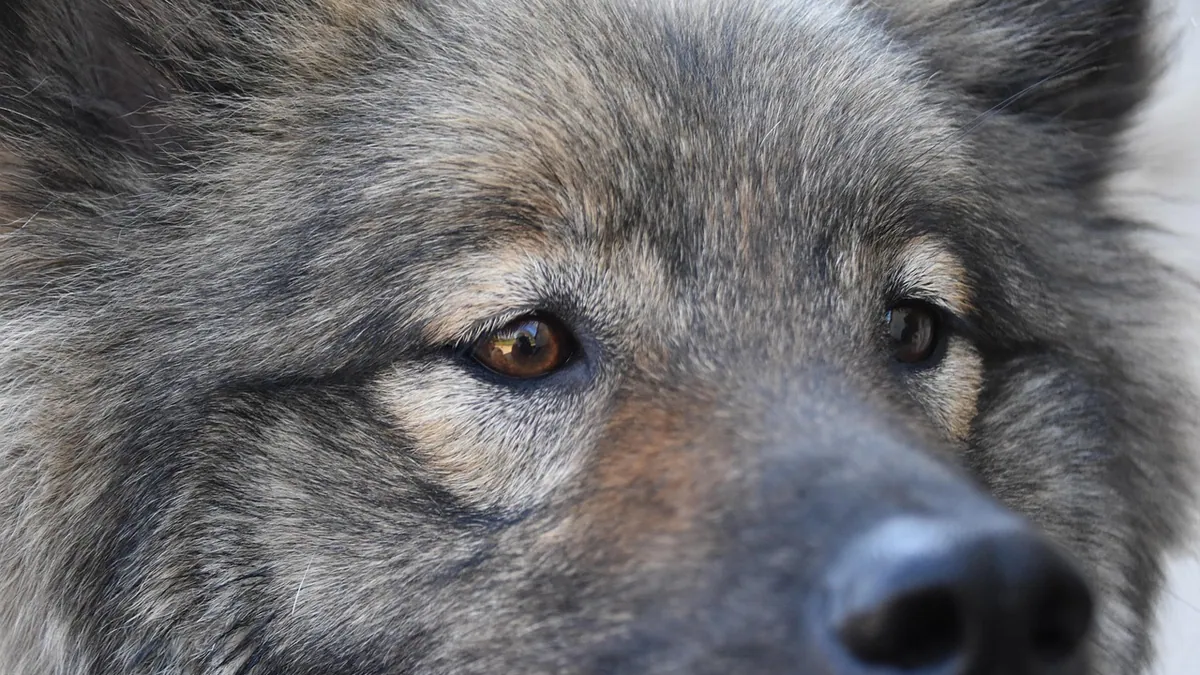
Tear stains are the reddish-brown streaks that form under a dog's eyes when tears spill onto light-colored fur and the iron in those tears oxidizes. Most cases are cosmetic, but staining can also point to blocked tear ducts, allergies, or an eye infection. Choosing the right dog food for tear stains and keeping the area clean are the two most useful things most owners can do at home.
This article is educational and is not a substitute for veterinary diagnosis or treatment.
Quick Answer
- Tear staining itself is usually harmless, but the cause behind excess tearing is what matters.
- Porphyrins, iron-containing pigments in tears, turn reddish-brown when they sit on the fur and meet air.
- Allergies are a common driver. In one study, 21 of 47 dogs with atopic dermatitis had tear production outside the normal range in at least one eye [1].
- Diet changes can help. Herbal supplements added to food reduced tear staining in Poodles and Bichons in a controlled study [2].
- Never use human whitening products, bleach, or hydrogen peroxide near your dog's eyes. Plain water, saline, or a vet-approved wipe is safer.
What Tear Staining Looks Like and What Is Normal
Tear staining shows up as a rust-colored or brownish stain in the fur below the inner corner of the eye. It is most obvious on white and light-coated breeds. The skin under the stain can look slightly pink, but it should not be swollen, crusted, or raw.
Normal tearing keeps the eye moist and clears small amounts of debris. Some dogs simply have shallow tear troughs or hair that wicks tears onto the face. Those dogs may stain for life without any underlying disease.
What is not normal is a sudden change. If staining appears in an adult dog that never had it, or if one eye stains while the other stays clean, that pattern deserves a closer look. So does staining that comes with squinting, redness, or a bad smell.
Why Does My Dog Have Tear Stains?
Tears contain proteins and pigments that protect the eye surface. Tear proteomics research has identified many of these proteins and shown that tear composition shifts with eye and body diseases, including keratoconjunctivitis sicca (dry eye), glaucoma, and diabetes [3]. In other words, tears are not just water. Their content reflects what is happening in the body.
When tears overflow and stay on the fur, the iron in porphyrin pigments oxidizes and leaves a stain. The more tears that sit on the face, the darker the stain tends to be.
The Main Causes
| Cause | Typical clues | How urgent |
|---|---|---|
| Anatomy (shallow tear troughs, hair near the eye) | Staining since puppyhood, both eyes, no redness or pain | Routine |
| Allergies (environmental or food) | Itchy skin, paw licking, ear infections, seasonal flare-ups | Routine to soon |
| Blocked or narrow tear ducts | One eye only, watery eye without much discharge, no redness | Soon |
| Eye infection or conjunctivitis | Yellow or green discharge, red eye, squinting, odor | Soon, same day if painful |
| Dry eye (KCS) | Thick discharge, dull cornea, frequent blinking | Soon |
| Irritants (smoke, dust, shampoo, wind) | Staining starts after a trigger, both eyes, mild | Routine |
| Teething in puppies | Staining during the teething months, otherwise healthy | Routine |
Allergies deserve special attention because they are so common. Atopic dermatitis can change how much tears a dog produces, and that change can push some dogs toward excess tearing and staining [1]. If your dog also scratches, chews its paws, or gets repeated ear infections, the eyes may be one more symptom of an allergy problem. Our guide to Dog Allergy Home Remedies covers the skin side of that picture.
What Diet Has to Do With It
Diet affects tear staining in two ways. First, food can be an allergen. Second, diet shapes the gut microbiome, and the microbiome appears to influence how the body handles iron and porphyrins.
In a study of 40 Poodle and Bichon dogs, adding 0.5% of Chrysanthemum morifolium, Cassia semen, or Poria cocos to the diet reduced tear staining over the study period [2]. The researchers linked the improvement to shifts in gut bacteria, especially Allobaculum, along with better iron status, immune markers, and antioxidant capacity [2]. That is one reason owners search for dog food for tear stains. The food itself may matter less than what it does to digestion and pigment handling.
Other work supports the gut angle. A pilot study found that a blend of Aloe vera, Artemisia annua, and Curcuma longa shifted the gut microbiome of healthy dogs toward bacteria that produce short-chain fatty acids, which support intestinal balance [4]. A separate study showed that a fresh-frozen diet improved fecal consistency in colony dogs compared with extruded kibble [5]. Neither study measured tear staining directly, so treat these as supporting context, not proof.
If your dog has loose stool along with staining, sorting out digestion first can be worthwhile. See Dog Upset Stomach: Safe Home Remedies and What to Avoid for what is safe to try at home.
Red Flags That Make It an Emergency
Call an emergency clinic right away if you see any of these:
- The eye looks bulging, cloudy, or different from the other eye.
- Your dog holds the eye shut and will not let you touch the face.
- There is sudden swelling, bleeding, or a visible wound near the eye.
- The eye is clearly painful, with whining, pacing, or pawing at the face.
- There is a large amount of thick yellow or green discharge.
- Your dog suddenly cannot see, bumps into things, or seems disoriented.
These signs can mean corneal ulcer, glaucoma, or trauma. Minutes matter for vision.
Safe Things You Can Do at Home While Waiting
Home care will not fix a blocked duct or an infection, but it can reduce staining and keep the skin healthy in the meantime.
Clean Gently, Once or Twice a Day
Use a soft cloth, cotton pad, or gauze soaked in warm water or plain saline. Wipe from the inner corner outward, using a fresh pad for each eye so you do not spread bacteria. Pat dry. Do not scrub. Rubbing irritates the skin and can make tearing worse.
Skip anything with bleach, hydrogen peroxide, boric acid, or "whitening" ingredients made for people. Those products can burn the eye surface. Our step-by-step guide, How to Safely Clean Your Dog's Eyes at Home, walks through the routine in detail.
Keep Hair Trimmed Away From the Eye
Long hair near the eye wicks tears onto the face and holds moisture against the skin. Ask a groomer to trim the area, or use blunt-tipped scissors with help from another person. Never point sharp scissors toward the eye.
Filter the Water and Change Bowls Often
Some owners report less staining with filtered water, though this is not well established in veterinary research. What is well established is that clean bowls reduce bacterial buildup around the face. Wash food and water bowls daily.
Address Allergies
If itching, paw licking, or ear problems come with the staining, allergy control may reduce tearing. Talk with your veterinarian about the best plan for your dog. For general background, see What Home Remedies For Dog Allergies.
Review the Diet With Your Vet
If you want to try a diet change, do it with guidance. Sudden switches can cause digestive upset. Your veterinarian can help you choose a food and decide whether a supplement trial makes sense. Do not give herbal supplements on your own, because dose and quality vary, and your veterinarian sets the dose based on your dog's weight and health.
What the Veterinarian Will Check and Test
A tear stain visit is usually quick and non-invasive. Expect the following.
History. Your vet will ask when staining started, whether it is one eye or both, and whether your dog itches, squints, or has had ear or skin problems.
Eye exam. A bright light and magnifier let the vet look at the eyelids, lashes, tear film, and cornea.
Schirmer tear test. A small paper strip measures tear production. Values above 25 mm/min suggest excess tearing, while low values suggest dry eye [1]. This test helps separate a dog that makes too many tears from one that makes too few.
Fluorescein stain. A yellow dye checks for scratches and ulcers on the cornea.
Tear duct flush. If a duct is blocked, the vet may flush it with saline. This can be both diagnostic and treatment.
Allergy workup. If the skin and ears point to allergies, your vet may recommend an elimination diet trial or allergy testing.
Tear protein testing. Tear proteomics is still a research tool, but it is moving toward clinical use for detecting eye and systemic disease from a simple tear sample [3]. Ask your vet if it is available in your area.
Prevention and Monitoring
Once the cause is under control, a simple routine keeps staining manageable.
- Wipe the eyes daily with water or saline.
- Keep face hair short around the eyes.
- Wash bowls daily and use filtered water if you wish.
- Feed a consistent diet and change foods slowly.
- Treat allergies, ear infections, and skin problems promptly.
- Take a photo of the eyes each month so you can spot slow changes.
Track what you see. Note whether staining is worse in spring, after outdoor play, or after a food change. That pattern helps your vet narrow the cause at the next visit.
Limitations and When to Contact a Veterinarian
Tear staining is often cosmetic, but it can be the first visible sign of a blocked tear duct, allergy, infection, or dry eye. Home cleaning and diet changes may reduce the stain, but they cannot diagnose or cure the underlying problem. Individual cases need a veterinarian who can examine your dog's eyes directly.
Contact your veterinarian the same day if you see yellow or green discharge, a red or cloudy eye, new staining in only one eye, or staining that appears suddenly in an adult dog.
Go to an emergency clinic now if your dog is squinting hard, holding the eye closed, pawing at the face, or showing any vision loss.
Schedule a routine visit if staining has been present since puppyhood, both eyes look the same, and your dog seems comfortable. Even then, an exam is worth it to rule out low-level problems.
Frequently Asked Questions
Can changing dog food really reduce tear stains?
It can help in some dogs, especially when allergies or digestion are part of the problem. In a controlled study, adding certain herbal ingredients to the diet reduced tear staining in predisposed breeds, likely through changes in gut bacteria and iron handling [2]. Ask your veterinarian before starting any supplement, since the dose depends on your dog's weight and health.
Is it safe to use human eye drops on my dog?
No, not without veterinary guidance. Some human products contain preservatives or medications that irritate or harm a dog's eye. Plain saline is generally safe for rinsing, but anything medicated should be chosen by your veterinarian.
Will my dog outgrow tear stains?
Some puppies stain during teething and improve as they mature, but many dogs keep staining for life if the anatomy or allergies do not change. Daily cleaning and good allergy control usually keep it manageable.
Does the color of the stain tell me anything?
The reddish-brown color comes from porphyrin pigments in tears that oxidize on the fur. Color alone does not tell you the cause. What matters more is whether the staining is new, one-sided, or paired with redness, discharge, or squinting.
Are tear stains a sign my dog is sick?
Usually not, but they can be. Staining that appears suddenly, affects one eye, or comes with pain, discharge, or vision changes needs a veterinary exam. Tear composition changes with several eye and body diseases, so a professional look is the only way to be sure [3].
Related Articles
- Dog Upset Stomach: Safe Home Remedies and What to Avoid
- Dog Allergy Home Remedies
- Dog Allergy Remedies Home Remedies
- How to Safely Clean Your Dog's Eyes at Home
- What Home Remedies For Dog Allergies
- Dog With Diarrhea Home Remedies
- Why Does My Dog Have Tear Stains? Causes and Fixes
- Dog Eye Tearing and Tear Stains: Causes and Care
- Dog Eye Wash and Wipes: Safe Cleaning and Tear Stain Care
References
- Tear production as measured by Schirmer tear test-1 in dogs with atopic dermatitis. The Canadian veterinary journal = La revue veterinaire canadienne, 2025.
- Effects of Traditional Chinese Herbal Extracts on Tear Staining, Iron Status, Immune Function, and Antioxidant Capacity in Dogs. Animals : an open access journal from MDPI, 2026.
- Canine Tear Proteomics: A New Frontier in Veterinary Ophthalmology. Veterinary ophthalmology, 2026.
- Impact of Combined Botanical Functional Ingredients on the Canine Gut Microbiome. Veterinary sciences, 2026.
- Impacts of a fresh-frozen dog food on fecal consistency and microbiome in colony dogs. Journal of animal science, 2026.