Why Does My Dog Have Tear Stains? Causes and Fixes
By Dr. Zubair Khalid, DVM, MS, PhD ·
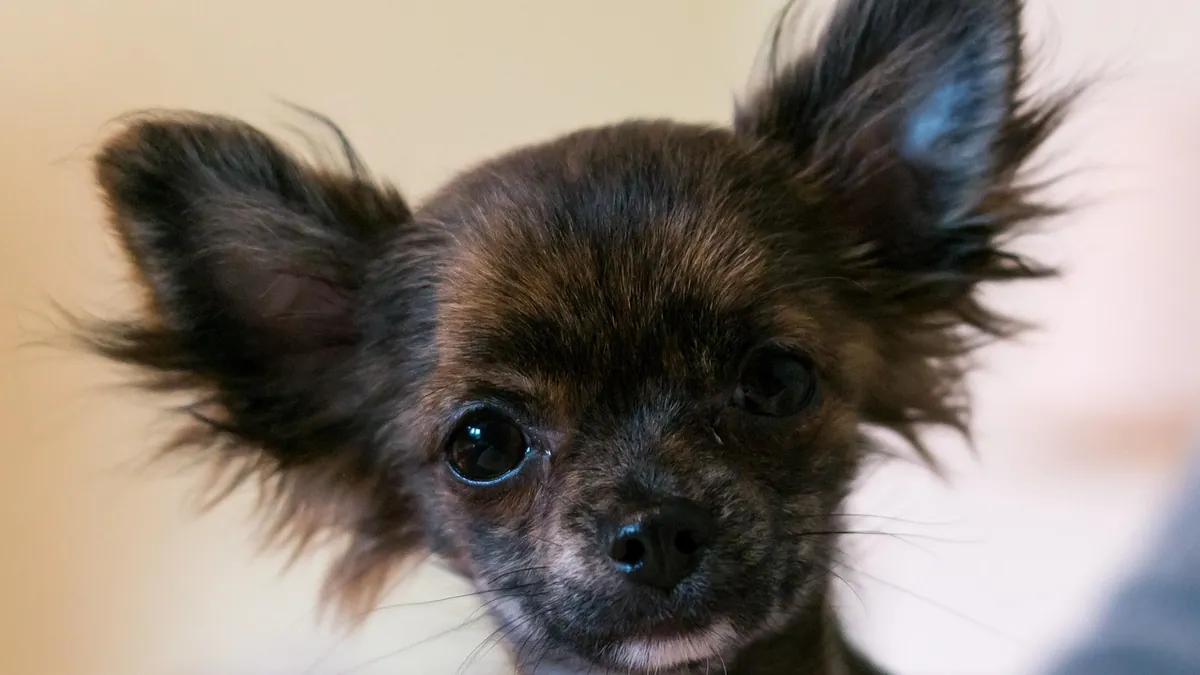
Tear stains happen when tears spill onto the fur around your dog's eyes and the iron-containing pigments in those tears leave reddish-brown marks. In many dogs this is purely cosmetic, but in others it signals extra tear production, a blocked drainage duct, or an irritated eye. Knowing what causes dog tear stains helps you decide whether to reach for a wipe or call your veterinarian.
This article is educational and is not a substitute for veterinary diagnosis or treatment.
Quick Answer
- Tear staining is usually caused by overflow tears (epiphora) that carry porphyrins, natural iron-containing pigments that oxidize to a reddish-brown color on light fur.
- Small breeds, flat-faced breeds, and dogs with light coats are most prone, and some of this is genetic.
- A blocked or narrow tear duct, eyelashes rubbing the eye, allergies, and eye infections can all increase tearing and staining.
- Yeast overgrowth on damp fur can add a musty smell and darken the stain.
- Any new discharge, squinting, redness, cloudiness, or swelling means a veterinary visit, not a cosmetic fix.
What Tear Stains Look Like and What Is Normal
Tear staining in dogs shows up as a reddish-brown, rust-colored, or sometimes dark streak running from the inner corner of the eye down the side of the muzzle. It is most obvious on white, cream, and light-colored coats. The fur may look damp, and the skin underneath can stay moist for hours.
Normal eyes are clear and bright. A small amount of clear tears at the inner corner after a nap, a walk in the wind, or a good scratch is ordinary. What you want to watch is change. A dog who has always had faint stains and no other signs is in a different category from a dog who suddenly develops heavy staining, thick discharge, or a squint.
The color itself comes from porphyrins. These are iron-containing compounds found in tears, saliva, and other body fluids. When they sit on fur and are exposed to air and light, they oxidize and turn reddish-brown. That is why the stain looks like rust instead of pus.
What Causes Dog Tear Stains?
Tear staining is a symptom, not a disease. The question is why tears are reaching the fur in the first place. There are several common pathways.
Epiphora: When Tears Overflow
The tear gland sits at the top outer edge of the eye and produces the watery part of tears. Nasolacrimal ducts then drain those tears from each eye into the nose [1]. When production outpaces drainage, tears spill over the eyelid and onto the face. This overflow is called epiphora.
Epiphora can come from making too many tears, from a drainage system that cannot keep up, or both. Some dogs are simply built with shallow eye sockets and short drainage channels, so a normal tear volume still spills over.
Porphyrins and the Rust Color
Porphyrins are the pigment behind the stain. They are normal, not toxic, and not a sign of infection by themselves. The amount of staining depends on how much tear sits on the fur, how light the coat is, and how often the area is cleaned.
Genetics and Breed Shape
Breed anatomy matters a great deal. Dogs with large, prominent eyes and short muzzles tend to have less efficient drainage. Small white breeds such as Poodles and Bichons are frequently affected. In one study of dogs predisposed to tear staining, dietary supplements reduced staining and were linked to changes in gut bacteria tied to iron and porphyrin metabolism [2]. That tells us staining has more than one driver, including internal factors like iron handling.
Blocked or Narrowed Tear Ducts
If the drainage duct is blocked, narrowed, or absent, tears have nowhere to go but down the face. These disorders can be present at birth or caused by infection, foreign objects in the eye, or trauma [1]. A duct problem is one of the reasons staining can appear on just one side.
Eye Irritation and Infection
Anything that irritates the eye surface triggers extra tearing. That includes eyelashes growing inward, entropion (eyelids rolling in), dry eye, allergies, and infections. A cyst of lacrimal tissue, called a dacryops, is uncommon in dogs but has been reported in brachycephalic breeds and can cause swelling near the eye along with epiphora [3]. These cases need a veterinarian, not a stain remover.
Allergies and Atopic Dermatitis
Allergic skin disease can affect the eyes too. In a study of 47 dogs with atopic dermatitis, 21 had tear production outside the normal range in at least one eye, and some had values high enough to suggest epiphora from excess tearing [4]. If your dog scratches, chews, or has recurring skin problems along with watery eyes, allergies may be part of the picture. See Why Is My Dog So Itchy? for more on that pattern.
Yeast Overgrowth
When fur stays damp, yeast such as Malassezia can multiply on the skin. This adds a musty or yeasty odor and can make the stained area darker and more irritated. Yeast overgrowth is a consequence of chronic moisture, not the original cause of the tearing.
Medications and Other Factors
Some drugs affect tear production. In a study of 128 dogs, systemic ivermectin treatment was associated with reduced aqueous tear production, and the authors suggested it may predispose susceptible dogs to subclinical dry eye [5]. Reduced tears can paradoxically irritate the eye and trigger reflex tearing. Tell your veterinarian about every medication and supplement your dog receives.
Cause Comparison Table
| Cause | Typical clues | How urgent |
|---|---|---|
| Normal anatomy and genetics | Light coat, small or flat-faced breed, staining since puppyhood, no other signs | Routine |
| Blocked or narrow tear duct | Staining on one side, chronic wetness, no discharge | Routine to soon |
| Eye irritation (lashes, entropion) | Squinting, pawing at the eye, redness | Soon, same day if painful |
| Infection or corneal ulcer | Thick yellow or green discharge, cloudiness, holding eye closed | Same day |
| Allergies or atopic dermatitis | Itching, ear problems, seasonal pattern | Routine |
| Yeast overgrowth | Musty odor, dark thickened skin under the stain | Routine |
| Lacrimal cyst or mass | Firm swelling near the eye, sometimes with squinting | Soon |
Red Flags That Mean See a Veterinarian Now
Some eye problems worsen quickly and can threaten vision. Contact a veterinarian the same day if you see any of these.
- Thick yellow or green discharge
- Squinting, blinking, or holding one eye closed
- Pawing at the face or rubbing the eye on furniture
- Cloudiness, a blue haze, or a visible white spot on the eye
- Redness of the white of the eye that is new or worsening
- Swelling around the eye or a lump near the eyelid
- Staining that appears suddenly on only one side
- Sensitivity to light or a reluctance to go outside
A corneal ulcer or a foreign object in the eye can go from mild to serious in a day. Do not wait to see if it settles.
Safe Things You Can Do at Home
Home care is about keeping the area clean and dry without irritating the eye. It will not fix an underlying duct or eyelid problem, but it can reduce staining and help you spot changes early.
Clean Gently and Often
Use a soft, clean cloth or cotton pad dampened with plain warm water or a veterinarian-approved eye wipe. Wipe from the inner corner outward, using a fresh pad for each eye. Pat the fur dry afterward. Damp fur feeds yeast, so drying matters as much as cleaning.
Keep Hair Trimmed Away From the Eye
Long hair near the eye traps moisture and can wick tears onto the face. A careful trim by you or a groomer can help. Never use scissors close to the eye. If you are unsure, ask your veterinarian or groomer to do it.
Address Allergies With Your Vet
If itching, ear infections, or seasonal flare-ups accompany the tearing, allergy management may reduce tear overflow. This is a medical plan, not a home remedy. Your veterinarian will decide what testing and treatment fit your dog. Related reading on skin and coat changes includes Why Is My Dog Losing Hair? and Why Are My Dog's Eyes Red?.
Be Careful With Dietary Supplements
Some owners try dietary additives to reduce staining. A study in Poodles and Bichons found that certain herbal supplements reduced tear staining and were associated with changes in gut bacteria linked to iron and porphyrin metabolism [2]. That is interesting, but it does not mean any product on a shelf is safe or effective for your dog. Ask your veterinarian before adding anything, especially if your dog takes other medications.
Do Not Use Human Products
Do not put human eye drops, contact lens solution, or cosmetic stain removers near your dog's eyes. Some contain ingredients that irritate or damage the eye surface. If you want an eye wipe, choose one made for dogs and cleared by your veterinarian.
What Your Veterinarian Will Check and Test
A tear stain visit starts with a full eye exam. Your veterinarian will look at the eyelids, lashes, tear film, and the surface of the eye under good light. They will compare both eyes, because one-sided staining points toward a local problem.
Common Tests
- Schirmer tear test. A small paper strip measures tear production. Values that are too low suggest dry eye, and values that are too high suggest excess tearing. In atopic dogs, tear production has been measured outside the normal range in a meaningful number of cases [4].
- Fluorescein stain. A yellow dye shows scratches, ulcers, and some duct openings.
- Tear duct flush. The veterinarian places fluid in the eye and watches for it to appear at the nostril. If it does not, the drainage path may be blocked or narrow [1].
- Eyelid and lash exam. This finds entropion, distichiasis, and other causes of chronic irritation.
- Discharge sampling. If infection is suspected, a sample may be cultured.
- Imaging. In unusual cases such as a suspected lacrimal cyst, ultrasound or advanced imaging may be used to map the structure before treatment [3].
What Treatment Might Look Like
Treatment depends entirely on the cause. A blocked duct may be flushed or surgically opened. An eyelid problem may need surgical correction. Allergies may need medication and diet changes. Dry eye needs tear-stimulating medication, and your veterinarian calculates the dose from your dog's weight and health. Yeast overgrowth needs medicated cleaning and sometimes topical treatment. There is no single stain cure because there is no single cause.
Prevention and Monitoring
You cannot change your dog's breed or eye shape, but you can lower the odds of heavy staining and catch problems early.
- Wipe and dry the eye area daily, especially after walks, naps, and meals.
- Keep the hair around the eyes short and clean.
- Note which eye is affected and whether it is one side or both.
- Photograph the eye every few weeks so you can compare over time.
- Track itching, ear infections, and seasonal patterns, since these often travel together.
- Keep vaccinations and wellness visits current, and mention any eye changes at each visit.
- Follow your veterinarian's plan for any diagnosed allergy, dry eye, or duct problem.
If staining is stable, mild, and your dog is comfortable, monitoring at home is reasonable. If it changes in color, amount, or comes with any discomfort, that is your signal to book a visit.
Limitations and When to Contact a Veterinarian
Tear staining itself is rarely dangerous, but the conditions behind it can be. Call your veterinarian the same day for new thick discharge, squinting, redness, cloudiness, swelling, or one-sided staining that appeared suddenly. Seek emergency care right away if your dog is in obvious pain, cannot open the eye, has a bulging eye, or if the eye looks different after an injury or a fight. A routine visit is appropriate for long-standing stains, mild odor, or a slow change over weeks. Individual cases vary, so your dog needs a veterinarian who can examine the eye directly and decide what testing and treatment are right.
Frequently Asked Questions
Are tear stains harmful to my dog?
Usually no. The stain is cosmetic pigment on the fur, and many dogs live comfortably with it. The concern is the reason behind the tears, such as a blocked duct, an irritated eye, or allergies. If your dog seems comfortable and the eyes look clear, the staining alone is not an emergency.
Can I get rid of tear stains without a vet visit?
You can reduce staining with daily gentle cleaning, drying, and keeping hair trimmed away from the eyes. You cannot fix a structural duct problem or an eyelid abnormality at home. If staining is heavy, one-sided, or comes with discharge or squinting, a veterinary exam is the faster path.
Does diet cause tear stains?
Diet can play a role in some dogs, but the evidence is still developing. One study found that certain dietary supplements reduced staining and were linked to gut bacteria involved in iron and porphyrin handling [2]. Talk with your veterinarian before changing food or adding supplements, since the right choice depends on your dog's overall health.
Why does only one eye have a stain?
One-sided staining often points to a local problem on that side, such as a blocked tear duct, an inward-growing eyelash, or a cyst near the eye. Lacrimal cysts are uncommon in dogs but have been reported in brachycephalic breeds and can cause swelling with epiphora [3]. Have your veterinarian examine both eyes to compare.
Can allergies make tear staining worse?
Yes. Allergic disease can change tear production, and in one study many dogs with atopic dermatitis had tear values outside the normal range [4]. If your dog also itches, has ear infections, or flares seasonally, managing the allergy may reduce the tearing and the staining. See Why Is My Dog Losing Hair in Patches? Common Causes and Next Steps for related patterns.
Related Articles
- Why Is My Dog Losing Hair?
- Why Are My Dog's Eyes Red?
- Why Is My Dog Losing Hair in Patches? Common Causes and Next Steps
- Why Is My Dog So Itchy?
- Why Does My Dog Have Bad Gas?
- Why Is My Dog Limping On Both Front Legs
- Dog Eye Tearing and Tear Stains: Causes and Care
- Dog Tear Stains: Causes and Safe Home Remedies
- Why Is My Dog's Skin Turning Black? Causes and Next Steps
References
- Disorders of the Nasal Cavity and Tear Ducts in Dogs - Dog Owners. Merck Veterinary Manual.
- Effects of Traditional Chinese Herbal Extracts on Tear Staining, Iron Status, Immune Function, and Antioxidant Capacity in Dogs. Animals : an open access journal from MDPI, 2026.
- Clinicopathologic Features, Surgical Treatment, and Pathological Characterization of Canine Dacryops with Different Localization. Veterinary sciences, 2025.
- Tear production as measured by Schirmer tear test-1 in dogs with atopic dermatitis. The Canadian veterinary journal = La revue veterinaire canadienne, 2025.
- Systemic Ivermectin Administration Reduces Aqueous Tear Production and Affects Ocular Surface Health in Clinically Healthy Dogs. Veterinary ophthalmology, 2026.