Why Is My Dog Licking Her Private Area So Much?
By Dr. Zubair Khalid, DVM, MS, PhD ·
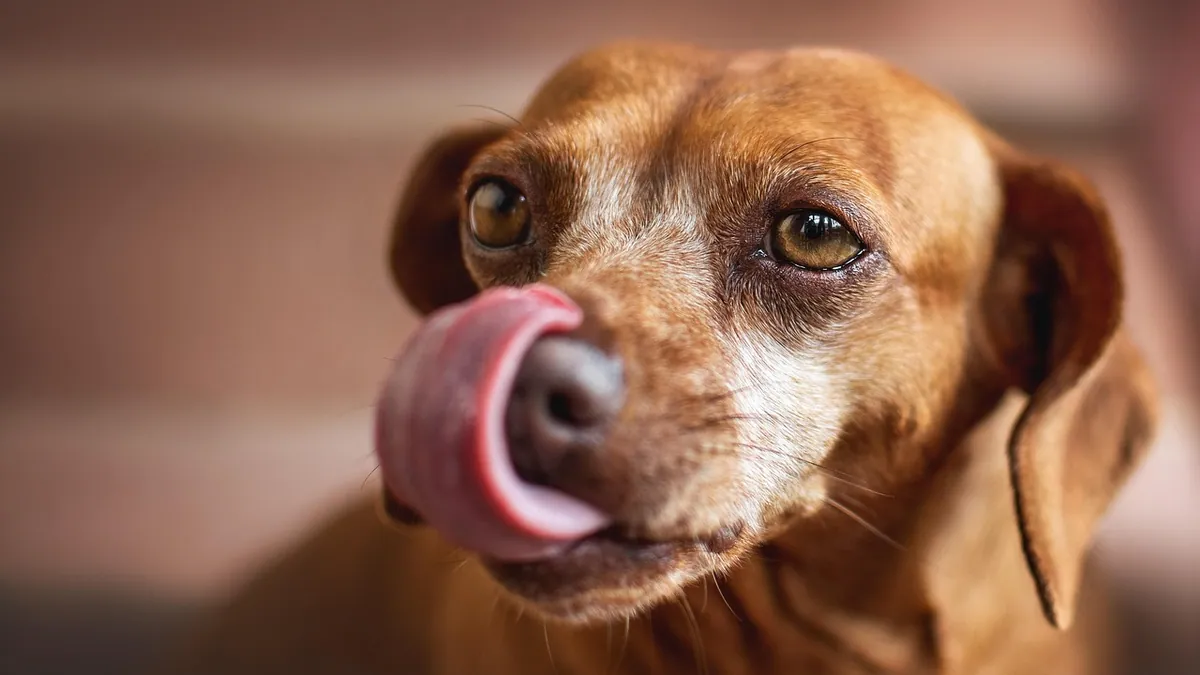
If your dog keeps licking her private area, the first thing to know is that some licking is normal. Dogs groom themselves, and a few quick licks after urinating or during a quiet moment are usually nothing to worry about. The problem starts when the licking becomes constant, focused, or intense enough to redden the skin, stain the fur, or keep you (and your dog) awake at night.
This article is educational and is not a substitute for veterinary diagnosis or treatment.
Quick Answer
- Occasional licking of the genital area is normal grooming, especially in puppies who are still learning body awareness.
- Constant, focused licking usually points to itching, pain, or irritation, not a behavioral quirk.
- The most common causes are urinary tract infections, allergies, anal gland problems, and skin infections.
- If your dog is whining while licking, straining to urinate, or has discharge or swelling, call your veterinarian.
- Never apply human creams, ointments, or essential oils to the genital area without veterinary guidance.
What Normal Grooming Looks Like
Dogs lick their genitals as part of routine cleaning. A healthy dog might spend 30 seconds to a minute on the area a few times a day. The skin should look normal, the fur should be dry, and your dog should not seem uncomfortable.
Puppies often lick more than adults simply because everything is new. A puppy licking her private area may be exploring sensation, cleaning after urination, or reacting to minor irritation from urine sitting on the skin. If your puppy licks her privates a lot but the area looks clean and she is eating, playing, and urinating normally, watch for a day or two.
The line between normal and abnormal is usually about frequency, intensity, and what the tissue looks like. Redness, swelling, hair loss, dark staining, a bad smell, or a dog who cannot be distracted from the area all suggest something more than grooming.
Why Is My Dog Licking Her Private Area So Much? The Main Causes
Many different problems can drive genital licking. Some are mild and self-limiting. Others need treatment. The table below groups the most common causes by what you are likely to see and how quickly you should act.
| Cause | Typical clues | How urgent |
|---|---|---|
| Normal grooming | Brief, occasional licking, normal skin, no odor | Not urgent |
| Urinary tract infection | Frequent urination, straining, small amounts of urine, accidents indoors | See a vet within 24 to 48 hours |
| Allergies (atopic dermatitis) | Itching at paws, face, ears, and groin, redness, recurrent skin problems | Routine visit, sooner if severe |
| Anal gland problems | Scooting, licking near the tail base, straining to defecate, fishy odor | See a vet within a few days |
| Skin infection (bacterial or yeast) | Red, moist, smelly skin, rash, discharge | See a vet within a few days |
| Vaginitis or vulvar irritation | Discharge, swelling, licking after urination | See a vet within 24 to 48 hours |
| Foreign material or trauma | Sudden onset, swelling, bleeding, pain when touched | Emergency if severe |
| Anatomical or urinary issues | Dribbling urine, chronic licking, repeated infections | Routine visit for workup |
| Behavioral or compulsive licking | Licking when bored, stressed, or alone, no skin changes | Routine visit after medical causes are ruled out |
Urinary Tract Infections and Bladder Problems
A urinary tract infection is one of the most common reasons a dog suddenly starts licking the genital area. Bacteria inflame the bladder lining, which causes a constant urge to urinate. Your dog may squat frequently, produce only a few drops, or have accidents in the house. Female dogs have a shorter urethra, so they tend to get urinary infections more often than males.
Bladder stones, crystals, and urethral obstruction can cause similar signs. A male dog who is straining and producing no urine at all needs emergency care, because a complete blockage can become life-threatening within hours.
Allergies and Atopic Dermatitis
Canine atopic dermatitis is a chronic inflammatory skin disease marked by itching and recurrent redness [1]. The groin, belly, paws, and face are common targets. A dog with allergies often licks the private area along with the paws and lips. You may notice Dog Licking Her Paws or Dog Keeps Licking Paws And Lips as part of the same pattern.
Allergies are not just a skin problem. They can affect the whole body, and researchers continue to look for better ways to measure severity. In one study of 143 dogs, serum levels of several cytokines (immune signaling proteins) differed between healthy dogs and dogs with atopic dermatitis, and some correlated with itch and lesion scores [1]. This kind of testing is not yet routine in general practice, but it shows how much is still being learned about the disease.
Skin Infections and Hot Spots
When a dog licks an area repeatedly, the skin barrier breaks down. Bacteria and yeast that normally live on the skin can then overgrow and cause infection. The result is a red, moist, smelly patch that itches even more, which drives more licking. This cycle is common in the groin and around the vulva or prepuce.
Some rare skin conditions can also cause nodules and itching. Cutaneous plasmacytosis is a rare disorder that usually causes multiple skin lumps without itching, but a recent case report described two dogs with atypical behavior, including one with progressive itching [2]. This is not a common cause of genital licking, but it is a reminder that unusual skin disease exists and may need a biopsy.
Anal Gland Problems
The anal glands sit on either side of the anus. When they become impacted or infected, dogs scoot, lick the rear end, and sometimes lick the genital area because the discomfort is nearby. You may notice a fishy smell or see your dog straining to poop. Anal gland issues are common in small breeds but can affect any dog.
Vaginitis, Vulvar Fold Dermatitis, and Discharge
Vaginitis causes discharge, swelling, and licking. In puppies, a mild form called puppy vaginitis can occur before the first heat cycle. It often clears on its own, but it should still be checked if the discharge is colored, bloody, or smelly. In older dogs, vaginal tumors and other conditions are possible.
Vulvar fold dermatitis happens when skin folds trap moisture and bacteria. It is more common in dogs with recessed vulvas or excess skin around the area. The skin becomes red, irritated, and sometimes infected.
Pain, Foreign Material, and Trauma
A grass awn, splinter, or other foreign object can lodge in the prepuce or vulva and cause sudden, intense licking. Trauma from a fall, a bite, or a foreign body can also cause swelling and pain. If your dog cries out when touched or the area looks bruised or bleeding, seek care right away.
Behavioral and Compulsive Licking
Once medical causes are ruled out, some dogs lick because of stress, boredom, or compulsive behavior. This is more likely in dogs who also lick floors, furniture, or their own paws. If your dog licks many surfaces, see Why Is My Dog Licking Everything? and Why Is My Dog Licking the Floor Constantly?. Compulsive licking often needs both behavior and medical management.
Red Flags That Make It an Emergency
Some signs mean you should stop reading and call a veterinarian now.
- Your dog is straining to urinate and nothing comes out.
- There is heavy bleeding from the genital area.
- The area is severely swollen, dark, or cold to the touch.
- Your dog is vomiting, collapsed, or unresponsive.
- Your dog is crying out in pain or cannot stand.
- You see a large wound, a protruding mass, or a foreign object you cannot safely remove.
For poison emergencies, call the ASPCA Animal Poison Control Center at (888) 426-4435 or the Pet Poison Helpline at (855) 764-7661. These numbers are for suspected poisoning, not for general questions about licking.
Safe Things You Can Do at Home While You Wait
You cannot diagnose the cause at home, but you can keep your dog comfortable and prevent the problem from getting worse.
- Stop the licking. An Elizabethan collar (cone) or a soft recovery collar is the single most effective home measure. Licking keeps skin wet and infected.
- Keep the area clean and dry. Gently wipe with a damp cloth and pat dry. Do not scrub.
- Check for discharge, swelling, or odor. Note the color and smell so you can describe it to your vet.
- Do not use human creams, steroid ointments, or essential oils. Some are toxic to dogs, and the genital skin is thin and absorbs quickly.
- Offer plenty of water and frequent bathroom breaks. This can ease discomfort from urinary issues.
- Watch for changes in urination, appetite, and energy. Write down what you see.
If your dog is whining and licking his private area, that combination usually means pain or significant itch. Do not wait more than a day to call your veterinarian.
What Your Veterinarian Will Check and Test
Your veterinarian will start with a full history. They will ask when the licking started, whether your dog is urinating normally, whether there is discharge, and whether other body areas are itchy.
The physical exam focuses on the genital area, the skin folds, the anal glands, and the abdomen. Your vet may also check the paws, ears, and face for signs of allergies.
Common tests include:
- Urinalysis and urine culture to look for infection, crystals, or blood.
- Skin cytology to check for bacteria and yeast.
- Skin scraping to rule out mites.
- Anal gland expression and examination.
- Blood work if your dog is unwell or if anesthesia is planned.
- Imaging (X-rays or ultrasound) if stones, masses, or bladder problems are suspected.
- Biopsy for unusual skin lumps or persistent lesions that do not respond to treatment [2].
If allergies are suspected, your vet may discuss allergy testing or a diet trial. Treatment for atopic dermatitis can include medications that target itch, topical therapies, and management of secondary infections. A recent trial found that a topical cream containing essential oils, zinc, and salicylic acid reduced itch scores in dogs with chronic noninfectious itching compared with a placebo [3]. Another study looked at localized cryotherapy for itchy interdigital skin in dogs with atopic dermatitis and found improvement in redness and severity scores after treatment [4]. These options are not right for every dog, and your veterinarian will decide what fits your pet.
Prevention and Monitoring
You cannot prevent every cause of genital licking, but you can lower the odds and catch problems early.
- Keep the genital area clean and dry, especially in dogs with skin folds.
- Manage allergies with your vet's plan. Uncontrolled allergies lead to recurrent skin and ear infections.
- Keep anal glands on the radar if your dog has a history of impaction.
- Watch for changes in urination. Early urinary infections are easier to treat.
- Use a cone at the first sign of focused licking. Breaking the cycle early prevents skin damage.
- Schedule routine exams. Your vet can spot subtle skin and urinary changes before they become severe.
- Track episodes. Note the date, duration, and any triggers. This helps your vet find patterns.
Some research suggests that immune factors in the gut may play a role in canine atopic dermatitis. In one study, fecal IgA was significantly lower in dogs with atopic dermatitis than in healthy controls, while salivary IgA was not [5]. This does not change how you care for your dog today, but it may shape future testing and treatment.
Limitations and When to Contact a Veterinarian
This article cannot tell you what is causing your dog's licking. Only a veterinarian who examines your dog can do that. Individual cases need a veterinarian, and the timing matters.
Call your veterinarian the same day if:
- Your dog is licking constantly and cannot be distracted.
- You see discharge, swelling, or a bad smell.
- Your dog is whining while licking.
- Your dog is urinating more often or having accidents.
- The skin looks red, raw, or infected.
Go to an emergency clinic now if:
- Your dog is straining to urinate with no urine produced.
- There is heavy bleeding or a deep wound.
- Your dog is vomiting, weak, or collapsed.
- Your dog is in severe pain.
Schedule a routine visit if:
- The licking is mild but has lasted more than a few days.
- Your dog has a history of allergies or anal gland problems.
- You want to rule out medical causes before treating this as a behavior issue.
Frequently Asked Questions
Why is my puppy licking her private area?
Puppies lick their private area for the same reasons adult dogs do, including normal grooming, mild irritation from urine, and early urinary or vaginal issues. A puppy who licks a lot but looks comfortable and urinates normally may just be exploring. If the licking is constant, the area looks red, or there is discharge, have your vet check her.
My dog keeps licking his private area. Is that different from a female dog?
Male dogs lick the prepuce, and the causes overlap with females: urinary problems, allergies, skin infections, and foreign material. Males can also develop balanoposthitis, which is inflammation of the prepuce and penis. If your male dog is licking and there is discharge or swelling, see your vet.
Can allergies really cause licking in that area?
Yes. Atopic dermatitis causes itching in many body areas, and the groin is a common spot. Dogs with allergies often lick the paws, face, and private area together. Managing the allergy usually reduces the licking, but secondary skin infections also need treatment.
Should I use a cone on my dog?
A cone or soft recovery collar is one of the safest things you can do at home. It stops the licking that keeps skin wet and infected. Use it until your veterinarian examines your dog, and follow their advice on how long to keep it on.
When should I worry about whining and licking together?
Whining plus licking usually means pain or intense itch, and it deserves a call to your veterinarian within a day. If your dog is also straining to urinate, vomiting, or unable to settle, treat it as urgent. Do not wait to see if it improves on its own.
Related Articles
- Why Is My Dog Licking the Floor Constantly?
- Why Is My Dog Licking Everything?
- Dog Keeps Licking My Feet
- Dog Licking Her Paws
- Dog Keeps Licking Paws And Lips
- Dog Keeps Licking On Paw
- Why Is My Dog Itching the Same Spot? Causes and Relief
- Why Is My Dog Licking the Air?
- Is It Safe for Dogs to Lick Your Face?
References
- Serum Cytokine Profiles and Their Association with Clinical Severity in Dogs with Atopic Dermatitis. Animals : an open access journal from MDPI, 2026.
- Cutaneous plasmacytosis with atypical clinical behavior in two dogs. The Journal of veterinary medical science, 2026.
- Topical cream with essential oils, zinc and salicylic acid reduces pruritus and skin lesion scores in pruritic dogs. Australian veterinary journal, 2026.
- Effect of localized cryotherapy on interdigital pruritus of dogs with canine atopic dermatitis. Journal of veterinary science, 2025.
- Faecal IgA but not salivary IgA is associated with canine atopic dermatitis. The Journal of small animal practice, 2026.