Why Does My Dog Get Hiccups After Eating?
By Dr. Zubair Khalid, DVM, MS, PhD ·
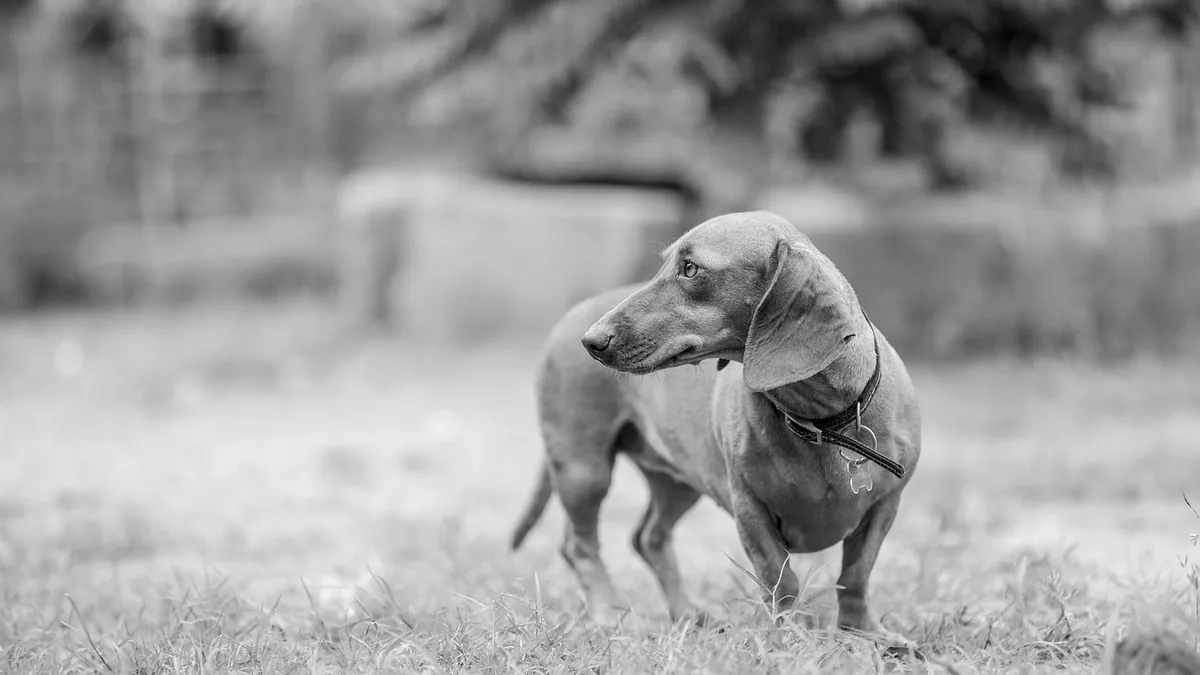
Hiccups in dogs after eating are usually a harmless reflex. They happen most often in puppies because their eating habits and anatomy make them prone to them. Most episodes pass within a few minutes and need no treatment.
This article is educational and is not a substitute for veterinary diagnosis or treatment.
Quick Answer
- Hiccups after eating are common and usually harmless, especially in puppies under 6 months old.
- Fast eating, swallowing air, and a full stomach are the most likely triggers.
- Most episodes last a few minutes and stop on their own.
- Hiccups that come with vomiting, bloating, or trouble breathing are not normal hiccups and need a vet right away.
- You can slow your dog's eating with a puzzle bowl or a flat plate, and keep meals calm.
What Dog Hiccups After Eating Look Like
A hiccup is a sudden, repeated contraction of the diaphragm. In dogs, it shows up as a quick, sharp inward breath, often with a small "hic" sound or a slight jerk of the chest and belly. Your dog may stand still, look mildly surprised, or keep walking around as if nothing happened.
Normal hiccups after a meal have a few features:
- They start within minutes of eating or drinking.
- They come in short bursts, then stop.
- Your dog stays bright, alert, and comfortable.
- Breathing between hiccups is normal.
- They stop within a few minutes, though some puppies hiccup on and off for 10 to 15 minutes.
Puppies hiccup more than adult dogs. Their diaphragm and the nerves that control it are still maturing, and they tend to eat fast and gulp air. Owners often search for "why does my puppy get hiccups after eating" for exactly this reason. It is one of the most common harmless signs in young dogs.
Why Does My Dog Get Hiccups After Eating?
The short answer is that the diaphragm gets irritated or stimulated right after a meal. Several things can set that off.
Fast eating and swallowed air
Dogs that wolf down food swallow a lot of air. A stomach full of food and air presses upward on the diaphragm, and that pressure can trigger the hiccup reflex. This is the single most common cause in puppies and in adult dogs that eat quickly, especially in multi-dog homes where food competition is real.
A very full stomach
A large meal stretches the stomach. The stretched stomach pushes against the diaphragm, and the phrenic nerve (the nerve that controls the diaphragm) reacts. Smaller, more frequent meals often reduce this.
Diet composition and digestion
What is in the bowl can change how the gut and hormones behave after a meal. Diets with different carbohydrate sources and chemical compositions can change the glycemic and insulin response in healthy dogs [1]. High protein, low carbohydrate diets raise postprandial glucagon and amino acid levels and tend to lower glucose compared with moderate protein, moderate carbohydrate diets [2]. Replacing dietary carbohydrate with protein versus fat also changes postprandial circulating hormones and macronutrient metabolism [3]. These shifts do not directly cause hiccups, but they show that the meal itself sets off a wave of hormonal and digestive activity. In some dogs, that activity seems to come with a short bout of hiccups.
Eating too fast after a long gap
A dog that has waited all day may eat faster than usual. The first meal of the day can also prime the body for how it handles the next meal, a pattern studied as the second-meal phenomenon [4]. Hunger-driven speed eating is a practical trigger you can often fix at home.
Underlying stomach or swallowing problems
Less often, hiccups after eating point to something in the stomach or esophagus. Delayed stomach emptying (gastroparesis) can cause a dog to vomit undigested food and have a distended belly [5]. That is a different picture from simple hiccups, but it is one reason vets ask about vomiting and appetite.
Table: Causes at a Glance
| Cause | Typical clues | How urgent |
|---|---|---|
| Fast eating, swallowed air | Hiccups right after meals, otherwise normal, puppy or greedy eater | Not urgent, manage at home |
| Large meal or full stomach | Hiccups after big meals, mild belly discomfort | Not urgent, split meals |
| Diet or digestion changes | Hiccups with a recent food switch, gas, soft stool | Routine visit if it persists |
| Eating after a long fast | Hiccups after the first meal of the day, very fast eating | Not urgent, adjust feeding schedule |
| Gastroparesis or stomach disease | Vomiting undigested food, bloated belly, weight loss [5] | Same-day vet visit |
| Bloat (gastric dilatation-volvulus) | Hard swollen belly, retching without vomit, restlessness | Emergency now |
When Hiccups Are a Red Flag
Most hiccups are harmless. Some signs are not hiccups at all, or they mean the hiccups are a side effect of something serious.
Call your vet right away or go to an emergency clinic if you see:
- A hard, swollen, drum-like belly
- Retching or trying to vomit with nothing coming up
- Restlessness, pacing, or inability to get comfortable
- Heavy drooling or gagging
- Trouble breathing or noisy breathing
- Pale or blue gums
- Collapse or weakness
- Hiccups that last hours without stopping
- Hiccups with repeated vomiting, especially undigested food [5]
Bloat is the one to know by heart. It can progress fast and is a true emergency. If your dog's belly looks distended and they are retching, do not wait to see if it passes.
If your dog is vomiting after meals, that is a different problem from hiccups. See Dog Vomiting After Eating: Causes and When to Call the Vet and Dog Vomiting Bile And Undigested Food. Loose stool after meals is covered in Dog Diarrhea After Eating: Causes and How to Help.
What You Can Do at Home
If your dog is bright, breathing normally, and the hiccups are short, you can wait them out. A few safe steps help.
- Let the episode pass. Do not hold your dog upside down or press on the belly.
- Offer a small drink of water. Swallowing can sometimes reset the rhythm.
- Keep the room calm. Excitement and rough play right after a meal make gulping worse.
- Slow the next meal. Use a puzzle bowl, a snuffle mat, or scatter kibble on a flat plate.
- Split meals. Two or three smaller meals beat one large one.
- Separate dogs at feeding time if one eats faster than the other.
- Keep a simple log. Note the time, the food, and how long the hiccups lasted.
Do not give human hiccup remedies, and do not give any medication without asking your vet. Your veterinarian calculates any dose from your pet's weight and health.
What Your Veterinarian Will Check
A routine visit for hiccups starts with a full history. Your vet will ask when the hiccups started, how long they last, what your dog eats, how fast, and whether there is vomiting, gas, or weight change.
The physical exam focuses on:
- Body condition and weight trend
- Belly palpation for pain, gas, or distension
- Heart and lung sounds
- Gum color and hydration
- Temperature
If the story is simple and your dog looks well, your vet may not need any tests. If something seems off, common next steps include:
- Blood work to check organ function and electrolytes
- Fecal testing for parasites
- X-rays or ultrasound to look at the stomach and intestines
- A barium contrast study if delayed stomach emptying is suspected [5]
Your vet may also ask about diet. Postprandial glucose and insulin responses differ between diets in healthy dogs [1], and protein versus fat swaps change postprandial hormones and metabolism [3]. If your dog has other gut signs, a diet change may be part of the plan. Do not switch foods on your own if your dog is on a prescription diet.
Prevention and Monitoring
You cannot stop every hiccup, but you can lower the odds.
- Feed two to three smaller meals instead of one large one.
- Use a slow feeder or a flat plate for fast eaters.
- Keep meals quiet and separate in multi-dog homes.
- Avoid hard play or heavy exercise for 30 to 60 minutes after eating.
- Change foods gradually over about a week if you switch.
- Track episodes for two weeks so you can tell your vet whether they are getting better or worse.
Most puppies outgrow frequent hiccups as they mature. If your adult dog starts hiccupping after every meal when they never used to, that change is worth a call.
Limitations and When to Contact a Veterinarian
This article covers the common, harmless pattern. It cannot tell you what is happening in your dog's body. Individual cases need a veterinarian who can examine your dog.
Use these timing rules:
- Emergency now: hard swollen belly, retching without vomit, trouble breathing, collapse, pale gums.
- Same day: repeated vomiting of undigested food, a distended belly that comes and goes, refusing food, marked lethargy [5].
- Routine visit: hiccups after most meals for more than a few days, hiccups with gas or soft stool, or any new pattern in an adult dog.
If you are unsure, call your vet's office and describe what you see. A phone call costs nothing and can save time.
Frequently Asked Questions
Are hiccups in dogs after eating dangerous?
Almost never. Simple hiccups after a meal are a harmless reflex and stop on their own. They are only a concern when they come with vomiting, a swollen belly, or breathing trouble.
Why does my puppy get hiccups after eating so often?
Puppies have a maturing diaphragm and a habit of eating fast and gulping air. That combination makes post-meal hiccups very common. Most puppies grow out of it as their eating habits settle.
Can I stop my dog's hiccups?
You usually do not need to. Offering a small drink or letting the episode pass is enough. For prevention, slow the meal with a puzzle bowl or split it into smaller portions.
Should I change my dog's food if they hiccup after eating?
Not on your own. Diet does change postprandial hormone and glucose responses, but hiccups alone are rarely a reason to switch. Talk to your vet first, especially if your dog is on a prescription diet.
When should I call the vet about hiccups?
Call the same day if hiccups come with vomiting, a bloated belly, or appetite loss. Go to an emergency clinic right away if the belly is hard and swollen or your dog is retching without producing vomit.
Related Articles
- Dog Diarrhea After Eating: Causes and How to Help
- Dog Vomiting After Eating: Causes and When to Call the Vet
- Why Is My Dog Throwing Up After Taking Medicine?
- Dog Vomiting Bile And Undigested Food
- Dog Keeps Reverse Sneezing After Eating
- Dog Vomiting Undigested Food: Causes and What to Do
- Why Is My Dog Panting After Eating? Causes and When to Worry
- Dog Zoomies After Eating: Normal or a Bloat Risk?
- Can Dogs Run After Eating? Bloat Risk Explained
References
- Effect of diet on postprandial glycemic and insulin responses in healthy dogs. Frontiers in veterinary science, 2023.
- Dogs fed a high protein, low carbohydrate diet have elevated postprandial plasma glucagon and amino acid concentrations and tend to have lower glucose concentrations compared to two different moderate protein, moderate carbohydrate diets. Translational animal science, 2025.
- Replacement of Dietary Carbohydrate with Protein versus Fat Differentially Alters Postprandial Circulating Hormones and Macronutrient Metabolism in Dogs. Metabolites, 2024.
- Morning Elevation in Insulin Enhances Afternoon Hepatic Glucose Disposal in Dogs by Increasing Both Insulin Signaling and Glucose Action. Diabetes, 2026.
- Severe post-GDV gastroparesis managed with sleeve-type gastrectomy in a dog. The Journal of small animal practice, 2026.