
Dog Coughing: Causes, Red Flags, and Veterinary Diagnosis
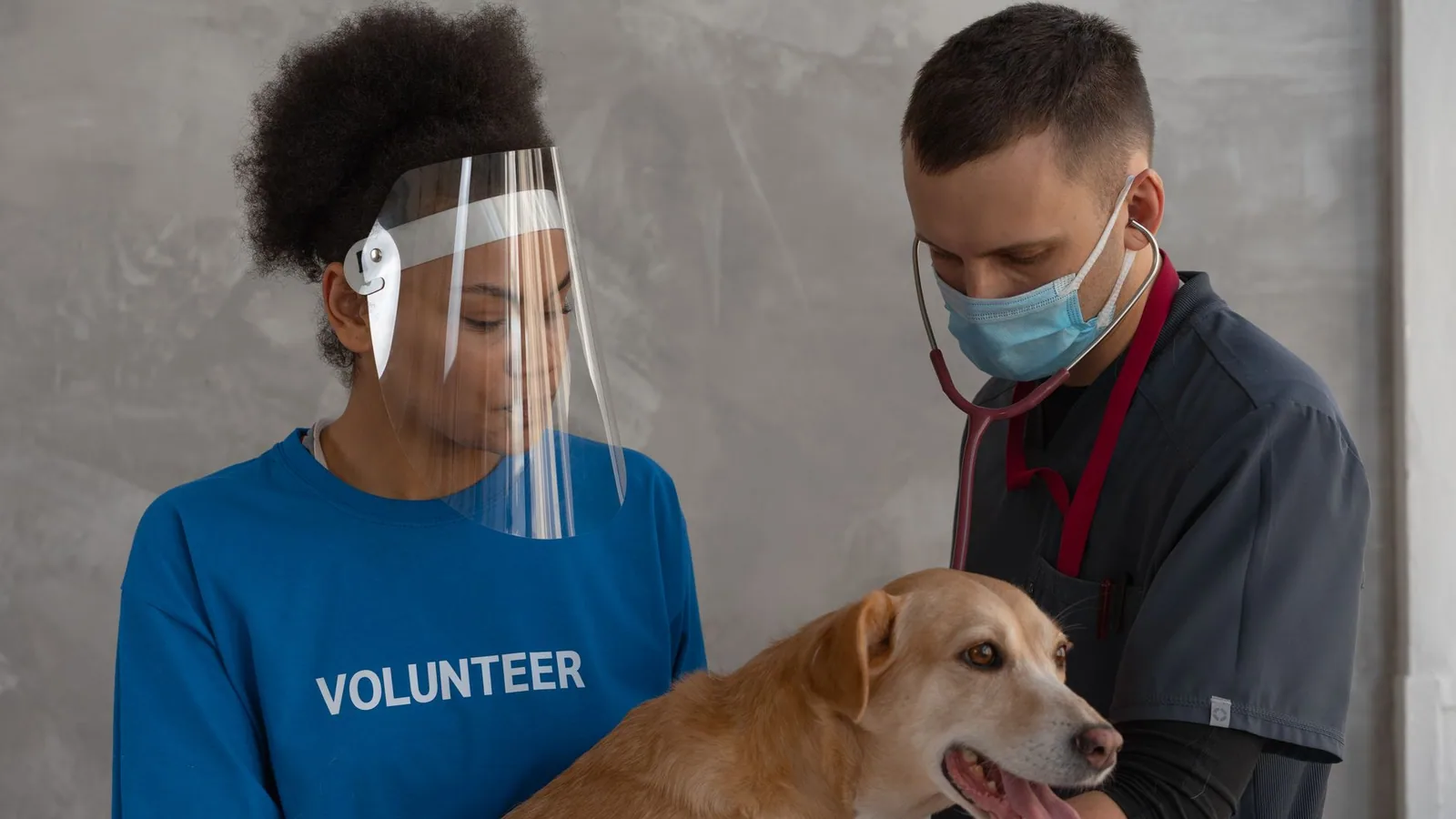
This article is educational and is not a substitute for veterinary diagnosis or treatment.
A coughing dog is one of the most common reasons owners seek veterinary care. Coughing can signal something as minor as a mild kennel cough that resolves on its own, or as serious as heart failure, pneumonia, or a collapsing airway. The key is knowing what to watch for and when to act.
This guide covers the full range of causes for dog coughing, explains how to distinguish coughing from gagging, reverse sneezing, and vomiting, and outlines the veterinary diagnostic process from physical exam to advanced imaging. You will also learn the red flags that demand immediate veterinary attention.
At a Glance: Cough vs. Other Sounds and Common Causes
| Sound or Sign | What It Looks Like | Most Likely Cause | Key Red Flag |
|---|---|---|---|
| Moist cough | Productive, sounds wet or gurgly | Pneumonia, bronchitis, or aspiration | Fever, lethargy, difficulty breathing |
| Dry, honking cough | Harsh, goose-like sound | Tracheal collapse or kennel cough | Worsens with excitement or pulling on leash |
| Gagging | Retching motion, no vomit produced | Laryngeal irritation, tonsillitis, or foreign body | Persistent gagging with pawing at mouth |
| Reverse sneezing | Rapid snorting, dog stands still, neck extended | Nasal irritation, allergies, or elongated soft palate | Usually harmless; stops within seconds |
| Vomiting | Forceful abdominal contraction, bile or food expelled | Gastrointestinal disease, pancreatitis, or toxin | Bilious or bloody vomitus, lethargy |
| Heart cough | Soft, persistent cough, often at night | Myxomatous mitral valve disease or cardiomyopathy | Cough with exercise intolerance, fainting, or blue gums |
Why Is My Dog Coughing? Understanding the Mechanism
Coughing is a protective reflex that clears the airways of mucus, foreign material, or irritants. The cough reflex involves sensory receptors in the larynx, trachea, bronchi, and lung parenchyma. When these receptors are stimulated by inflammation, mechanical pressure, or chemical irritants, they send signals to the cough center in the medulla oblongata. The result is a forced expiration against a closed glottis, followed by a sudden opening that expels air at high velocity.
In dogs, the cough reflex can be triggered by problems in the upper airways (nose, throat, larynx, trachea) or lower airways (bronchi, bronchioles, alveoli). It can also be triggered by pressure from an enlarged heart or by fluid in the lungs from heart failure. Understanding this mechanism helps explain why coughing has so many possible causes.
Distinguishing Cough from Other Common Sounds
Many owners confuse coughing with gagging, reverse sneezing, or vomiting. Correctly identifying the sound is the first step in determining the cause.
Cough vs. Gagging
A cough is a forceful expulsion of air from the lungs. Gagging is a retching motion that involves the throat and upper airway. Dogs with kennel cough often cough and then gag at the end of the episode as they try to clear mucus from the pharynx. True gagging without preceding cough suggests a problem in the throat such as tonsillitis, a foreign body, or laryngeal paralysis. Gagging can also occur with esophageal disease, where food or saliva pools in the pharynx [8].
Cough vs. Reverse Sneezing
Reverse sneezing (paroxysmal respiration) is a rapid, forceful inhalation through the nose. The dog typically stands still, extends the neck, and makes a snorting sound. It is caused by irritation of the nasopharynx and is usually harmless. Unlike coughing, reverse sneezing does not involve expulsion of air from the chest. It typically stops within 30 seconds and requires no treatment.
Cough vs. Vomiting
Vomiting involves active contraction of the abdominal muscles and expulsion of stomach contents. Some dogs with a deep cough may retch and bring up bile or foam, which owners mistake for vomiting. The key distinction is that coughing precedes the retching, and the material expelled is usually mucus or bile rather than undigested food.
Primary Causes of Dog Coughing
Canine Infectious Respiratory Disease Complex (CIRDC)
CIRDC, commonly called kennel cough or infectious tracheobronchitis, is the most common cause of acute coughing in dogs. It is a syndrome caused by multiple viral and bacterial pathogens that are highly contagious among dogs [6]. The classic presentation is a dry, hacking cough that sounds like a goose honk. Many dogs remain bright and active with a normal appetite.
Bacterial pathogens include Bordetella bronchiseptica, Mycoplasma cynos, Mycoplasma canis, and Streptococcus zooepidemicus [5][7]. Bordetella bronchiseptica is the most frequently isolated bacterial agent and can cause severe disease, especially in young or immunocompromised dogs [13][15]. Mycoplasma cynos has been detected as the sole pathogen in some CIRDC clusters, indicating it may be an important primary agent [1].
Viral pathogens include canine parainfluenza virus (CPIV), canine adenovirus type 2 (CAV-2), canine respiratory coronavirus (CRCoV), canine distemper virus, and canine influenza virus [5][13]. CPIV is one of the most frequently detected viruses in dogs with acute respiratory signs [15]. CRCoV, a betacoronavirus discovered in 2003, causes persistent cough and nasal discharge and is highly infectious in shelter environments [12].
Co-infections are common. In one study, 47.9% of dogs positive for Bordetella bronchiseptica had co-infections with other agents [15]. This complicates diagnosis and treatment because different pathogens may require different antimicrobial strategies.
Atypical CIRD (aCIRD) emerged as a concern in 2023-2024, with reports of increased case fatality and limited antibiotic effectiveness. A survey of US dog owners found case fatality rates ranging from 6.7% in the Northeast to 17.9% in the Southwest. Clinical signs such as lethargy, fever, difficult breathing, and sneezing were associated with 8-fold higher odds of death [3].
Tracheal Collapse
Tracheal collapse is a common cause of chronic coughing in small breed dogs such as Yorkshire Terriers, Pomeranians, and Chihuahuas. The tracheal rings weaken and flatten, causing the trachea to narrow during inspiration or expiration. The cough is typically dry and honking, and it worsens with excitement, exercise, or pulling on a leash. In severe cases, the dog may develop respiratory distress.
Bronchitis
Chronic bronchitis is defined as coughing on most days for at least 2 months without evidence of other causes. It involves inflammation of the bronchial walls, leading to mucus production and coughing. Diagnosis is made by ruling out other causes and may involve thoracic computed tomography (CT). In one study, CT had moderate accuracy (57%) for diagnosing chronic bronchitis, with high specificity (90%) but low sensitivity (46%) [20]. This means a normal CT does not rule out bronchitis.
Pneumonia
Pneumonia refers to inflammation of the lung parenchyma, usually caused by infection. Bacterial pneumonia can result from CIRDC pathogens, aspiration of foreign material, or spread from other sites. Dogs with pneumonia have a moist, productive cough, fever, lethargy, and often reduced appetite. Auscultation may reveal crackles or wheezes. Thoracic radiographs show alveolar or interstitial patterns.
Aspiration pneumonia is a particular concern in dogs with laryngeal paralysis, megaesophagus, or other swallowing disorders. In one study of dogs presenting for cough without gastrointestinal signs, 81% had abnormalities on videofluoroscopic swallow studies, including pharyngeal or esophageal hypomotility, reflux, and penetration-aspiration [8]. This highlights how often aerodigestive disorders contribute to coughing.
Heart Disease (Heart Cough)
Myxomatous mitral valve disease (MMVD) is the most common acquired heart disease in dogs, particularly in small breeds like Cavalier King Charles Spaniels. As the mitral valve degenerates, blood leaks backward into the left atrium, causing volume overload and eventually left-sided congestive heart failure. The enlarged left atrium and pulmonary veins compress the left mainstem bronchus, triggering a cough.
The LOOK-Mitral registry, which enrolled 6,102 dogs with MMVD, found that cough was significantly more common in dogs in Stage C (congestive heart failure) compared to earlier stages. Dogs in Stage C were also more likely to have tachypnea, dyspnea, and syncopal episodes [16]. Treatment with angiotensin-converting enzyme inhibitors like benazepril has been shown to improve cough scores in dogs with mitral insufficiency [17].
The term "heart cough" is sometimes used to describe this type of cough, but it is important to note that not all coughing in dogs with heart disease is due to heart failure. Concurrent respiratory disease is common, and a thorough diagnostic workup is needed to determine the primary cause.
Foreign Body
Dogs may inhale or swallow foreign material that lodges in the pharynx, larynx, trachea, or bronchi. Grass awns, seeds, and small bones are common culprits. The cough is acute in onset and may be accompanied by gagging, pawing at the mouth, or respiratory distress. Bronchoscopy is often required for diagnosis and removal.
Parasitic Infections
Lungworms such as Angiostrongylus vasorum and Oslerus osleri can cause chronic coughing in dogs. Strongyloides stercoralis, a soil-transmitted nematode, has been reported in dogs with recurrent coughing. In one case from Argentina, a dog with recurrent cough was found to have S. stercoralis larvae on Baermann examination, and the infection was confirmed by molecular testing [19]. Parasitic causes should be considered in dogs with travel history or exposure to contaminated environments.
Neoplasia
Primary lung tumors, metastatic disease, and tracheal masses can all cause coughing. Tracheal mast cell tumors are rare but have been reported. In one case, an 8-year-old mixed breed dog presented with dyspnea, coughing, and choking. Tracheobronchoscopy revealed a mass obstructing the tracheal lumen, which was confirmed as a mast cell tumor on histopathology [18]. Neoplasia should be considered in older dogs with progressive, non-productive cough.
Aerodigestive Disorders
Aerodigestive disorders represent a pathologic link between the respiratory and alimentary tracts. They include conditions like hiatal hernia, gastroesophageal reflux, and laryngeal obstruction. These disorders may present with respiratory signs without obvious gastrointestinal signs, making them easy to miss. In the study by Grobman et al., 81% of dogs presenting for cough without gastrointestinal signs had abnormalities on videofluoroscopic swallow studies [8].
Red Flags: When to Seek Emergency Care
Not all coughing requires an emergency visit, but certain signs indicate a potentially life-threatening condition. Seek immediate veterinary care if your dog has any of the following:
- Difficulty breathing: Labored breathing, rapid breathing, or breathing with the mouth open and neck extended
- Blue or pale gums: Indicates lack of oxygen
- Collapse or fainting: Syncope suggests heart disease or severe respiratory compromise
- Coughing up blood: Hemoptysis can indicate trauma, infection, or neoplasia
- Lethargy and fever: Suggests pneumonia or systemic infection
- Inability to eat or drink: May indicate laryngeal paralysis or esophageal obstruction
- Sudden onset of severe cough: Especially if the dog was previously healthy
- Progressive worsening over hours: Indicates rapid disease progression
Veterinary Diagnosis of Dog Coughing
The diagnostic approach to a coughing dog begins with a thorough history and physical examination. The goal is to identify the underlying cause and determine the severity of disease.
History and Signalment
The veterinarian will ask about:
- Duration and progression of the cough
- Character of the cough (dry vs. productive)
- Triggers (exercise, excitement, eating, drinking)
- Exposure to other dogs (boarding, daycare, dog parks)
- Vaccination history (especially Bordetella and influenza)
- Travel history
- Other clinical signs (nasal discharge, sneezing, lethargy, appetite changes)
- Past medical history (especially heart disease, respiratory disease, or gastrointestinal disease)
Signalment is important because certain breeds are predisposed to specific conditions. Small breeds are more prone to tracheal collapse and MMVD. Brachycephalic breeds are at risk for airway obstruction and aspiration. Young dogs are more likely to have infectious causes, while older dogs are more likely to have neoplasia or heart disease [10].
Physical Examination
The veterinarian will auscultate the heart and lungs, assess respiratory rate and effort, and examine the upper airway. Key findings include:
- Crackles or wheezes: Suggest lower airway disease or pneumonia
- Muffled heart sounds: May indicate pleural effusion
- Heart murmur: Raises suspicion for MMVD or other valvular disease
- Tracheal sensitivity: A cough elicited by gentle palpation of the trachea is common in tracheitis or tracheal collapse
- Nasal discharge: Suggests upper respiratory infection
- Fever: Indicates infection or inflammation
Thoracic Radiographs
Radiographs are a cornerstone of the diagnostic workup for coughing dogs. They can identify:
- Alveolar or interstitial patterns (pneumonia)
- Bronchial patterns (bronchitis)
- Cardiomegaly and pulmonary edema (heart failure)
- Tracheal narrowing (tracheal collapse)
- Masses or foreign bodies
However, radiographs have limitations. They may be normal in early or mild disease. In one study, thoracic radiographs were unremarkable in 11 of 31 dogs that were later found to have aerodigestive disorders on VFSS [8].
Advanced Imaging
Computed Tomography (CT) provides detailed cross-sectional images of the lungs and airways. It is more sensitive than radiography for detecting subtle changes in the lung parenchyma and airways. CT is particularly useful for diagnosing chronic bronchitis, bronchiectasis, and small airway disease. However, its accuracy for diagnosing chronic bronchitis is moderate, with one study reporting 57% accuracy, 46% sensitivity, and 90% specificity [20].
Fluoroscopy allows real-time visualization of the airways during breathing. It is the gold standard for diagnosing tracheal collapse and dynamic airway obstruction.
Videofluoroscopic Swallow Study (VFSS) is used to evaluate aerodigestive disorders. It involves recording the dog swallowing a barium-impregnated food or liquid and assessing pharyngeal and esophageal function. As noted earlier, VFSS can detect abnormalities in a high proportion of dogs presenting for cough without gastrointestinal signs [8].
Bronchoscopy and Airway Sampling
Bronchoscopy allows direct visualization of the trachea and bronchi. It is indicated when:
- A foreign body is suspected
- A mass or lesion is seen on imaging
- Airway sampling is needed for cytology or culture
- The cough is chronic and undiagnosed
During bronchoscopy, the veterinarian can collect bronchoalveolar lavage fluid (BALF) for cytology, culture, and PCR testing. BALF analysis can identify infectious agents, inflammatory cells, and neoplastic cells.
PCR and Molecular Diagnostics
PCR testing of nasal swabs, pharyngeal swabs, or BALF is the most sensitive method for detecting respiratory pathogens. It can identify viruses, bacteria, and mycoplasma species that may not grow on culture. In one study, PCR detected Bordetella bronchiseptica in 16.1% of BALF samples from dogs with persistent lower respiratory signs, while culture was negative in 40% of those cases [14].
However, PCR results must be interpreted cautiously. PCR can amplify DNA from non-viable organisms or colonizers, so a positive result does not confirm active infection. Co-infections are common, and the clinical significance of each pathogen must be assessed in the context of the whole case [14][15].
Multiplex qPCR/RT-qPCR assays can detect up to 12 pathogens simultaneously. In a study of CIRDC cases from winter 2023-2024, 64% of samples tested positive for various pathogens, with Mycoplasma canis being the most frequently detected agent [7].
Echocardiography
Echocardiography is indicated when heart disease is suspected based on history, physical examination, or radiographs. It can confirm the presence and severity of MMVD, cardiomyopathy, or other cardiac conditions. The LOOK-Mitral registry demonstrated that echocardiographic indices of left atrial and ventricular size correlate with disease stage and clinical signs [16].
Evidence-Based Management of Dog Coughing
Treatment depends on the underlying cause. The following approaches are supported by the literature.
Antimicrobial Therapy
For bacterial CIRDC, doxycycline is frequently used as a first-line agent. In a case series of dogs with Mycoplasma cynos-associated pneumonia, doxycycline, amoxicillin-clavulanic acid, and fluoroquinolones were commonly prescribed for at least 2 weeks [1]. However, antimicrobial resistance is a growing concern. In the aCIRD survey, doxycycline was the most used treatment (30.8% to 50.0% of cases), but limited antibiotic effectiveness was noted [3].
Antimicrobial therapy should ideally be guided by culture and susceptibility testing, especially in chronic or severe cases. In one study, 91% of dogs with Bordetella bronchiseptica had received antibiotics prior to BALF collection, highlighting the need for targeted therapy [14].
Anti-inflammatory Therapy
Corticosteroids are used to reduce airway inflammation in chronic bronchitis and tracheal collapse. They should be used cautiously in dogs with suspected infectious disease, as they can suppress the immune response. Inhaled corticosteroids are an alternative to systemic therapy and may have fewer side effects.
Bronchodilators
Bronchodilators such as theophylline or terbutaline may provide symptomatic relief in dogs with bronchoconstriction. They are not first-line therapy but can be useful in chronic bronchitis or tracheal collapse.
Antitussives
Antitussive medications suppress the cough reflex. They are reserved for dry, non-productive coughs that are causing significant distress or interfering with sleep. They should not be used in dogs with productive coughs, as suppressing the cough can lead to mucus accumulation and worsening infection.
Nonpharmacologic Strategies
Weight management, avoidance of irritants (smoke, dust, perfumes), and use of a harness instead of a collar can reduce coughing in dogs with tracheal collapse or chronic bronchitis. For dogs with aerodigestive disorders, dietary modifications such as elevated feeding and small, frequent meals may help.
Vaccination
Vaccination is a key preventive strategy for CIRDC. The core respiratory vaccines include those for canine parainfluenza virus and Bordetella bronchiseptica. An oral combination vaccine has been shown to provide one year of immunity, with significant reduction in clinical signs and viral shedding after challenge [11].
The AVMA recommends vaccination for dogs at risk of exposure, such as those that frequent boarding facilities, dog parks, or grooming salons [22]. Vaccination does not prevent all cases but reduces disease severity and duration.
Unsafe Home Remedies
Many home remedies for coughing dogs are ineffective or dangerous. The following should be avoided:
- Human cough medications: Many contain ingredients that are toxic to dogs, such as dextromethorphan, acetaminophen, or pseudoephedrine. Do not give any human medication without veterinary guidance.
- Essential oils: Some oils (tea tree, eucalyptus) can cause respiratory irritation or toxicity when inhaled or ingested.
- Honey: While honey has antimicrobial properties, it has not been proven effective for canine cough and can cause gastrointestinal upset in large amounts.
- Steam therapy: Running a hot shower and sitting with the dog in the bathroom may help loosen mucus, but it should not replace veterinary care.
Prevention and Prognosis
Prevention of infectious respiratory disease relies on vaccination, good hygiene, and minimizing exposure to sick dogs. The AVMA recommends keeping dogs up to date on core vaccines and avoiding shared water bowls and close contact with coughing dogs [22].
The prognosis depends on the underlying cause. Most cases of CIRDC resolve within 1-3 weeks with supportive care. However, some dogs progress to severe disease, and case fatality rates for atypical CIRD range from 6.7% to 17.9% depending on region [3]. Chronic conditions like tracheal collapse and bronchitis can be managed but not cured. Heart disease requires lifelong therapy and monitoring.
The Diagnostic Journey: What to Expect at the Veterinary Clinic
When you bring your coughing dog to the veterinarian, the diagnostic process is designed to systematically narrow the list of possible causes. Understanding this workflow can help you prepare for the visit and appreciate why certain tests are recommended.
The Importance of a Detailed History
Your veterinarian will begin by asking specific questions about the cough. Be prepared to describe when the cough started, whether it is worse at certain times of day, and what seems to trigger it. Note whether the cough occurs during exercise, excitement, eating, drinking, or when your dog is resting at night. The character of the cough matters greatly, a dry, honking cough suggests different causes than a moist, productive one.
Your veterinarian will also ask about your dog’s environment and lifestyle. Has your dog been to boarding facilities, dog parks, grooming salons, or training classes recently? What is your dog’s vaccination status, particularly for Bordetella, canine parainfluenza, and canine influenza? Has your dog traveled recently, either domestically or internationally? These details help assess the likelihood of infectious causes versus other conditions.
Past medical history is equally important. Dogs with a history of heart murmurs, previous respiratory infections, or gastrointestinal issues such as vomiting or regurgitation may have underlying conditions that contribute to coughing. The study by Grobman et al. found that 81% of dogs presenting for cough without gastrointestinal signs had abnormalities on videofluoroscopic swallow studies, highlighting how often aerodigestive disorders are overlooked when the history focuses only on respiratory signs [8].
Signalment as a Diagnostic Clue
Your dog’s breed, age, and size provide important diagnostic clues. Small breed dogs such as Yorkshire Terriers, Pomeranians, and Chihuahuas are predisposed to tracheal collapse, while Cavalier King Charles Spaniels and other small breeds are at high risk for myxomatous mitral valve disease (MMVD). Brachycephalic breeds like Bulldogs, Pugs, and French Bulldogs have anatomical features that predispose them to airway obstruction, aspiration, and chronic respiratory issues.
Age is another critical factor. Young dogs are more likely to have infectious causes such as CIRDC, while older dogs are more likely to have neoplasia, chronic bronchitis, or heart disease [10]. However, these are general trends, and any dog of any age can develop any of these conditions.
Physical Examination: What the Veterinarian Is Looking For
During the physical examination, your veterinarian will observe your dog’s respiratory rate and effort, listen to the heart and lungs with a stethoscope, and palpate the trachea. The presence of a heart murmur raises suspicion for MMVD or other valvular disease. Crackles or wheezes on lung auscultation suggest lower airway disease or pneumonia. A cough elicited by gentle tracheal palpation is common in tracheitis or tracheal collapse.
Your veterinarian will also examine your dog’s mouth and throat, looking for signs of foreign bodies, tonsillitis, or laryngeal paralysis. The color of the gums and mucous membranes provides information about oxygenation and perfusion. Pale or blue gums indicate a medical emergency.
The Role of Thoracic Radiographs
Thoracic radiographs are a cornerstone of the diagnostic workup for coughing dogs. They provide information about the lungs, heart, and major airways. Radiographs can identify alveolar or interstitial patterns consistent with pneumonia, bronchial patterns suggesting bronchitis, cardiomegaly and pulmonary edema indicating heart failure, tracheal narrowing in tracheal collapse, and masses or foreign bodies.
However, radiographs have limitations. They may appear normal in early or mild disease. In the study by Grobman et al., thoracic radiographs were unremarkable in 11 of 31 dogs that were later found to have aerodigestive disorders on videofluoroscopic swallow studies [8]. This means that normal radiographs do not rule out significant disease, and further testing may be necessary.
Advanced Imaging: When and Why
Computed tomography (CT) provides detailed cross-sectional images of the lungs and airways. It is more sensitive than radiography for detecting subtle changes in the lung parenchyma and airways. CT is particularly useful for diagnosing chronic bronchitis, bronchiectasis, and small airway disease. However, its accuracy for diagnosing chronic bronchitis is moderate, with one study reporting 57% accuracy, 46% sensitivity, and 90% specificity [20]. This means that a normal CT does not rule out bronchitis, and clinical judgment remains essential.
Fluoroscopy allows real-time visualization of the airways during breathing. It is the gold standard for diagnosing tracheal collapse and dynamic airway obstruction. Videofluoroscopic swallow studies (VFSS) are used to evaluate aerodigestive disorders, as discussed earlier.
Bronchoscopy and Airway Sampling
Bronchoscopy involves passing a flexible endoscope into the trachea and bronchi under anesthesia. It allows direct visualization of the airways and collection of samples for analysis. Bronchoscopy is indicated when a foreign body is suspected, a mass or lesion is seen on imaging, airway sampling is needed for cytology or culture, or the cough is chronic and undiagnosed.
During bronchoscopy, bronchoalveolar lavage fluid (BALF) is collected for cytology, culture, and PCR testing. BALF analysis can identify infectious agents, inflammatory cells, and neoplastic cells. In one study, PCR detected Bordetella bronchiseptica in 16.1% of BALF samples from dogs with persistent lower respiratory signs, while culture was negative in 40% of those cases [14]. This highlights the importance of molecular testing in addition to traditional culture.
PCR and Molecular Diagnostics: Interpretation Challenges
PCR testing of nasal swabs, pharyngeal swabs, or BALF is the most sensitive method for detecting respiratory pathogens. Multiplex qPCR/RT-qPCR assays can detect up to 12 pathogens simultaneously. In a study of CIRDC cases from winter 2023-2024, 64% of samples tested positive for various pathogens, with Mycoplasma canis being the most frequently detected agent [7].
However, PCR results must be interpreted cautiously. PCR can amplify DNA from non-viable organisms or colonizers, so a positive result does not confirm active infection. Co-infections are common, and the clinical significance of each pathogen must be assessed in the context of the whole case [14][15]. Your veterinarian will consider the PCR results alongside the clinical presentation, physical examination findings, and other diagnostic tests.
Echocardiography: When Heart Disease Is Suspected
Echocardiography is indicated when heart disease is suspected based on history, physical examination, or radiographs. It can confirm the presence and severity of MMVD, cardiomyopathy, or other cardiac conditions. The LOOK-Mitral registry demonstrated that echocardiographic indices of left atrial and ventricular size correlate with disease stage and clinical signs [16].
Echocardiography is a noninvasive, painless procedure that uses ultrasound waves to create images of the heart. It provides information about heart chamber size, wall thickness, valve function, and blood flow. This information is essential for staging heart disease and guiding treatment.
Owner Observation: What to Record Before the Veterinary Visit
As an owner, you can provide valuable information by observing your dog’s cough and recording details before the veterinary visit. This information helps the veterinarian make a more accurate diagnosis and reduces the need for unnecessary tests.
How to Record the Cough
Use your smartphone to record a video of your dog coughing. Capture the entire episode, including any sounds, body position, and what happens before and after the cough. Note whether the cough is dry or moist, whether it is followed by gagging or retching, and whether your dog produces any phlegm or foam.
Record the frequency of the cough. Is it constant, intermittent, or only triggered by specific activities? Does it occur at night, after exercise, or during excitement? Does your dog cough when pulling on a leash or wearing a collar?
What to Note About Your Dog’s Behavior
Observe your dog’s overall behavior and energy level. Is your dog eating and drinking normally? Is your dog playful and active, or lethargic and withdrawn? Has there been any change in appetite, thirst, or urination? Has your dog had any episodes of vomiting, regurgitation, or diarrhea?
Note any other respiratory signs such as nasal discharge, sneezing, or difficulty breathing. Observe your dog’s breathing rate when resting. A normal resting respiratory rate for dogs is typically 15 to 30 breaths per minute. An elevated rate may indicate respiratory distress or heart failure.
Environmental and Exposure History
Think about your dog’s recent activities and exposures. Has your dog been to boarding facilities, dog parks, grooming salons, or training classes? Has your dog been around other dogs that were coughing? Has your dog traveled recently? Has your dog been exposed to smoke, dust, perfumes, or other irritants?
Also consider your dog’s diet and feeding routine. Does your dog eat quickly, vomit after eating, or regurgitate food? Does your dog have a history of swallowing disorders or choking? These details may suggest aerodigestive disorders.
Prevention Strategies for Respiratory Health
Preventing respiratory disease in dogs involves a combination of vaccination, environmental management, and lifestyle modifications.
Vaccination: What You Need to Know
The core respiratory vaccines for dogs include those for canine parainfluenza virus and Bordetella bronchiseptica. An oral combination vaccine has been shown to provide one year of immunity, with significant reduction in clinical signs and viral shedding after challenge [11]. The AVMA recommends vaccination for dogs at risk of exposure, such as those that frequent boarding facilities, dog parks, or grooming salons [22].
Vaccination does not prevent all cases of CIRDC, but it reduces disease severity and duration. It also reduces the risk of shedding pathogens to other dogs. Talk to your veterinarian about which vaccines are appropriate for your dog based on lifestyle and risk factors.
Environmental Management
Minimizing exposure to respiratory irritants can reduce the risk of coughing in dogs. Avoid smoking around your dog, and limit exposure to dust, perfumes, aerosol sprays, and other airborne irritants. Use a harness instead of a collar for dogs predisposed to tracheal collapse, as pulling on a collar can worsen coughing.
Maintain good hygiene in multi-dog households. Wash food and water bowls regularly, and avoid sharing bowls between dogs. Isolate dogs that are coughing from other dogs in the household to prevent spread of infectious agents.
Lifestyle Modifications
Weight management is important for dogs with respiratory disease. Obesity increases the work of breathing and can worsen coughing in dogs with tracheal collapse, bronchitis, or heart disease. Work with your veterinarian to develop a weight management plan if your dog is overweight.
For dogs with aerodigestive disorders, dietary modifications may help. Elevated feeding, small frequent meals, and avoiding feeding immediately before exercise can reduce the risk of aspiration. Your veterinarian may recommend a specific diet or feeding strategy based on your dog’s condition.
Prognosis and Long-Term Management
The prognosis for a coughing dog depends on the underlying cause. Most cases of CIRDC resolve within 1 to 3 weeks with supportive care. However, some dogs progress to severe disease, and case fatality rates for atypical CIRD range from 6.7% to 17.9% depending on region [3].
Chronic conditions like tracheal collapse and bronchitis can be managed but not cured. These conditions require lifelong therapy and monitoring. Dogs with tracheal collapse may benefit from weight management, use of a harness, and medications such as bronchodilators, corticosteroids, or antitussives. Dogs with chronic bronchitis may require long-term anti-inflammatory therapy and periodic rechecks.
Heart disease requires lifelong therapy and monitoring. Dogs with MMVD may be managed with medications such as angiotensin-converting enzyme inhibitors, diuretics, and pimobendan. Regular rechecks with echocardiography are needed to monitor disease progression and adjust treatment.
Neoplasia carries a guarded to poor prognosis depending on the type and stage of cancer. Treatment options include surgery, chemotherapy, and radiation therapy. Early diagnosis and intervention improve outcomes.
Special Population Considerations
Puppies and Young Dogs
Puppies and young dogs are more susceptible to infectious respiratory diseases due to their immature immune systems. They are also at higher risk for severe disease from pathogens such as Bordetella bronchiseptica and canine distemper virus [13][15]. Vaccination is particularly important for this age group.
Puppies with coughing should be evaluated promptly, as they can deteriorate quickly. Aspiration pneumonia is a concern in puppies with swallowing disorders or those that eat too quickly. Owners should monitor for signs of respiratory distress and seek veterinary care if the cough worsens or is accompanied by lethargy, fever, or difficulty breathing.
Senior Dogs
Senior dogs are more likely to have chronic conditions such as heart disease, chronic bronchitis, and neoplasia. They may also have concurrent diseases that complicate diagnosis and treatment. A thorough diagnostic workup is essential to identify all contributing factors.
Senior dogs with coughing should be evaluated for heart disease, as MMVD is common in older small breed dogs. Echocardiography is recommended if a heart murmur is detected or if radiographs suggest cardiomegaly. Treatment of heart disease can improve cough and quality of life.
Brachycephalic Breeds
Brachycephalic breeds such as Bulldogs, Pugs, and French Bulldogs have anatomical features that predispose them to respiratory issues. These include elongated soft palate, stenotic nares, everted laryngeal saccules, and hypoplastic trachea. These dogs are at high risk for airway obstruction, aspiration, and chronic respiratory disease.
Coughing in brachycephalic breeds should be evaluated carefully, as it may indicate worsening of their underlying airway disease. Owners should avoid strenuous exercise, heat exposure, and stress, which can trigger respiratory distress. Surgical intervention may be needed to correct anatomical abnormalities.
Dogs with Concurrent Diseases
Dogs with concurrent diseases such as megaesophagus, laryngeal paralysis, or immune-mediated conditions are at increased risk for respiratory complications. Aspiration pneumonia is a particular concern in dogs with swallowing disorders. These dogs require careful management and monitoring.
Dogs with immune-mediated diseases that require immunosuppressive therapy may be at increased risk for respiratory infections. Vaccination and infection control measures are important for this population.
When to Seek a Second Opinion
If your dog’s cough persists despite treatment, or if the diagnosis is unclear, seeking a second opinion may be appropriate. A specialist in internal medicine, cardiology, or respiratory disease may have additional expertise and access to advanced diagnostic tools.
Consider a second opinion if your dog has undergone extensive testing without a definitive diagnosis, if the cough is worsening despite treatment, or if you are concerned about the recommended treatment plan. A second opinion can provide peace of mind and ensure that all options have been considered.
Frequently Asked Questions
1. Why is my dog coughing like something is stuck in his throat?
This sound is often a dry, honking cough followed by a gag. It is most commonly caused by kennel cough (infectious tracheobronchitis), where inflammation of the trachea triggers the cough reflex and the gag at the end is the dog trying to clear mucus. Other causes include tracheal collapse or a foreign body in the throat.
2. Can I give my dog over-the-counter cough medicine?
No. Human cough medications can contain ingredients toxic to dogs, such as dextromethorphan, acetaminophen, or pseudoephedrine. Always consult your veterinarian before giving any medication.
3. How do I tell the difference between kennel cough and heart cough?
Kennel cough is typically acute, dry, and honking, often triggered by excitement or pulling on the leash. Heart cough is usually softer, more persistent, and may occur at night or after exercise. Heart cough is accompanied by other signs of heart disease such as exercise intolerance, fainting, or a heart murmur. A veterinary examination with radiographs and echocardiography can distinguish the two.
4. When should I worry about my dog coughing?
Worry if the cough is accompanied by difficulty breathing, blue gums, collapse, fever, lethargy, or coughing up blood. Also seek immediate care if the cough is sudden and severe, or if your dog cannot eat or drink.
5. Is dog coughing contagious to other dogs or humans?
Most causes of infectious coughing in dogs are contagious to other dogs but not to humans. Bordetella bronchiseptica can rarely infect immunocompromised people, but this is extremely uncommon. Canine influenza and distemper are species-specific and do not infect humans.
6. How long does kennel cough last in dogs?
Most cases of kennel cough resolve within 1 to 3 weeks. Some dogs may cough for up to 6 weeks. If the cough persists longer or worsens, a veterinary recheck is warranted to rule out secondary pneumonia or other complications.
7. Can a dog cough from allergies?
Yes, but allergic airway disease is less common in dogs than in humans. Allergies more commonly cause skin issues (itching, hot spots) or sneezing. A cough that is seasonal or associated with specific environments may suggest an allergic component, but other causes should be ruled out first.
8. What does a dog pneumonia cough sound like?
A pneumonia cough is typically moist and productive, sounding wet or gurgly. The dog may produce phlegm or foam. Pneumonia is often accompanied by fever, lethargy, loss of appetite, and difficulty breathing. Thoracic radiographs are needed for diagnosis.
Related Veterinary Guides
- Dog Reverse Sneezing: Causes and When to Worry
- Canine Heart Disease: Symptoms and Management
- Kennel Cough in Dogs: Treatment and Prevention
- Dog Breathing Problems: Emergency Signs and First Aid
- Pneumonia in Dogs: Causes, Diagnosis, and Recovery
- Tracheal Collapse in Dogs: What Every Owner Should Know
References
[1] Williams DM. Mycoplasma cynos-Associated Canine Infectious Respiratory Disease Complex Pneumonia in 13 Dogs. J Vet Emerg Crit Care (San Antonio). 2025. https://pubmed.ncbi.nlm.nih.gov/41178398/
[2] Appel M, Bemis DA. The canine contagious respiratory disease complex (kennel cough). Cornell Vet. 1978. https://pubmed.ncbi.nlm.nih.gov/204455/
[3] Hasan M, Romano TA, Miller LC. Characteristics and case fatality factors of atypical canine infectious respiratory disease: an observational survey using dog owners' data in the United States. Am J Vet Res. 2025. https://pubmed.ncbi.nlm.nih.gov/40628286/
[4] Cordisco M, Lucente MS, Sposato A et al. Canine Parainfluenza Virus Infection in a Dog with Acute Respiratory Disease. Vet Sci. 2022. https://pubmed.ncbi.nlm.nih.gov/35878363/
[5] Priestnall SL, Mitchell JA, Walker CA et al. New and emerging pathogens in canine infectious respiratory disease. Vet Pathol. 2014. https://pubmed.ncbi.nlm.nih.gov/24232191/
[6] Reagan KL, Sykes JE. Canine Infectious Respiratory Disease. Vet Clin North Am Small Anim Pract. 2020. https://pubmed.ncbi.nlm.nih.gov/31813556/
[7] Thieulent CJ, Laverack M, Carossino M et al. Detection of pathogens in dogs with respiratory disease during winter 2023-2024 using multiplex qPCR/RT-qPCR assays and next-generation sequencing. Front Vet Sci. 2025. https://pubmed.ncbi.nlm.nih.gov/40905007/
[8] Grobman ME, Masseau I, Reinero CR. Aerodigestive disorders in dogs evaluated for cough using respiratory fluoroscopy and videofluoroscopic swallow studies. Vet J. 2019. https://pubmed.ncbi.nlm.nih.gov/31492390/
[9] Jaffey JA, Harmon M, Masseau I et al. Presumptive Development of Fibrotic Lung Disease From Bordetella bronchiseptica and Post-infectious Bronchiolitis Obliterans in a Dog. Front Vet Sci. 2019. https://pubmed.ncbi.nlm.nih.gov/31649945/
[10] Munro MJL. The Approach to Chronic Cough in Dogs and Cats. Vet Clin North Am Small Anim Pract. 2026. https://pubmed.ncbi.nlm.nih.gov/42086413/
[11] Wiechert-Brown SA, Classe HM, Dant JC et al. One year duration of immunity of a combination Bordetella bronchiseptica - canine parainfluenza oral vaccine in dogs. Front Vet Sci. 2025. https://pubmed.ncbi.nlm.nih.gov/41164231/
[12] Priestnall SL. Canine Respiratory Coronavirus: A Naturally Occurring Model of COVID-19?. Vet Pathol. 2020. https://pubmed.ncbi.nlm.nih.gov/32369435/
[13] Mochizuki M, Yachi A, Ohshima T et al. Etiologic study of upper respiratory infections of household dogs. J Vet Med Sci. 2008. https://pubmed.ncbi.nlm.nih.gov/18628596/
[14] Atencia S, Mateu N, Rodríguez-Cobos A et al. Real-time PCR versus culture of bronchoalveolar lavage fluid for detecting Bordetella bronchiseptica in dogs with persistent lower respiratory signs: a retrospective study of 23 cases. Vet Res Commun. 2025. https://pubmed.ncbi.nlm.nih.gov/40663178/
[15] Schulz BS, Kurz S, Weber K et al. Detection of respiratory viruses and Bordetella bronchiseptica in dogs with acute respiratory tract infections. Vet J. 2014. https://pubmed.ncbi.nlm.nih.gov/24980809/
[16] Franchini A, Borgarelli M, Abbott JA et al. The Longitudinal Outcome Of Canine (K9) myxomatous mitral valve disease (LOOK-Mitral registry): Baseline characteristics. J Vet Cardiol. 2021. https://pubmed.ncbi.nlm.nih.gov/34062479/
[17] Kitagawa H, Wakamiya H, Kitoh K et al. Efficacy of monotherapy with benazepril, an angiotensin converting enzyme inhibitor, in dogs with naturally acquired chronic mitral insufficiency. J Vet Med Sci. 1997. https://pubmed.ncbi.nlm.nih.gov/9271444/
[18] Souza FR, Nakagaki KYR, Miranda FF et al. Tracheal mast cell tumor in a dog - surgical approach and diagnosis. Braz J Vet Med. 2025. https://pubmed.ncbi.nlm.nih.gov/40874194/
[19] Borrás P, Pérez MG, Repetto S et al. First identification of Strongyloides stercoralis infection in a pet dog in Argentina, using integrated diagnostic approaches. Parasit Vectors. 2023. https://pubmed.ncbi.nlm.nih.gov/37891629/
[20] Mortier JR, Mesquita L, Ferrandis I et al. Accuracy of and interobserver agreement regarding thoracic computed tomography for the diagnosis of chronic bronchitis in dogs. J Am Vet Med Assoc. 2018. https://pubmed.ncbi.nlm.nih.gov/30179097/
[21] Merck Veterinary Manual: Coughing in Dogs. https://www.merckvetmanual.com/dog-owners/lung-and-airway-disorders-of-dogs/symptoms-of-lung-and-airway-disorders-in-dogs
[22] AVMA Canine Infectious Respiratory Disease Complex. https://www.avma.org/resources-tools/pet-owners/petcare/canine-infectious-respiratory-disease-complex-cirdc