Why Is My Dog Breathing Hard Through the Nose?
By Dr. Zubair Khalid, DVM, MS, PhD ·
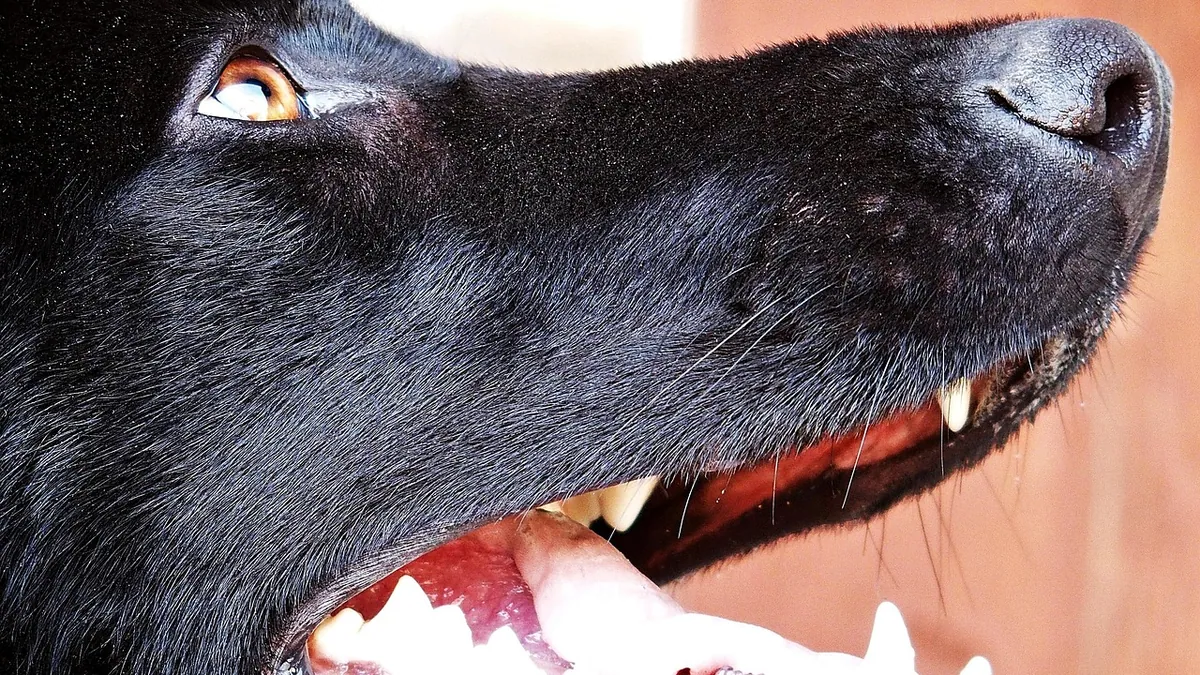
Dogs breathe through their noses most of the time, so noisy or effortful nasal breathing usually points to a problem in the nose, throat, or airways. If your dog is breathing hard through the nose, the cause may be something minor like allergies or something serious like a foreign object or tumor. This article is educational and is not a substitute for veterinary diagnosis or treatment.
Quick Answer
- Nasal breathing is normal for dogs. Open-mouth panting is also normal during exercise, heat, or stress.
- Noisy nasal breathing at rest, especially with discharge, sneezing, or a one-sided blockage, needs a veterinary visit.
- A foreign body (grass awn, seed, foxtail) in the nose is common and often causes sudden violent sneezing and pawing at the face.
- Brachycephalic breeds (pugs, bulldogs, Boston terriers) often have narrowed airways that make nasal breathing loud and labored.
- If your dog's gums are blue, gray, or white, or if your dog collapses or cannot catch its breath, go to an emergency clinic now.
What Normal Breathing Looks Like and What "Hard" Breathing Looks Like
A healthy dog at rest breathes quietly through the nose. You should not hear much at all. The chest rises and falls gently. The nostrils may flare slightly with each breath, but there is no whistling, snorting, or straining.
When a dog is breathing hard through the nose, you may notice:
- A whistling, snoring, or rattling sound with each breath
- Nostrils flaring wide on every inhale
- The belly pulling in sharply (abdominal effort)
- Head held low or extended forward to open the airway
- Pawing at the nose or face
- Mouth breathing at rest, which is not normal for most dogs
Dogs can also breathe out of the mouth when they are hot, excited, or in pain. That kind of panting is usually quiet and easy. Hard nasal breathing is different. It is work. The dog is using extra muscles to move air.
One useful check is the respiratory rate at rest. Count the breaths for 15 seconds and multiply by 4. A normal resting rate for most dogs is under 30 breaths per minute. If the rate is higher, or if the effort looks labored, that is a reason to call your vet.
Why Is My Dog Breathing So Hard? Main Causes
Many conditions can make a dog breathe hard through the nose. Some are mild and some are emergencies. The table below groups the most common ones.
| Cause | Typical clues | How urgent |
|---|---|---|
| Foreign body (grass awn, seed, foxtail) | Sudden violent sneezing, pawing at nose, one-sided bloody or pus discharge | Urgent, same day |
| Rhinitis or sinusitis | Long-term runny nose, sneezing, mucus, sometimes bad breath | Routine visit, sooner if worse |
| Nasal polyps | Chronic noisy breathing, especially in flat-faced breeds, often with other airway disease | Urgent if breathing is hard |
| Brachycephalic syndrome | Loud snoring, snorting, exercise intolerance, gagging, worse in heat | Routine if mild, urgent if distress |
| Allergies or irritants | Clear discharge, sneezing, itchy eyes, seasonal pattern | Routine |
| Tumor or fungal infection | One-sided discharge, nosebleeds, facial swelling, weight loss | Urgent |
| Rhinolith (nasal stone) | Long-term nasal discharge, noisy breathing, obstruction | Urgent |
| Dental root abscess | Bad breath, drooling, pain when eating, nasal discharge | Urgent |
| Lower airway or lung disease | Cough, fast breathing, blue gums, weakness | Emergency |
Foreign Bodies in the Nose
This is one of the most common reasons a dog suddenly breathes loudly through the nose. A grass awn, seed, or foxtail gets inhaled or lodged in the nasal passage. The dog may sneeze violently, paw at its face, and have a bloody or pus-like discharge from one nostril. The breathing sound is often one-sided and harsh. This is not something you can fix at home. The object usually needs to be removed with a scope or forceps under sedation.
Rhinitis and Sinusitis
Rhinitis is inflammation of the mucous membranes in the nose. It often comes with sinusitis, which is inflammation of the sinus lining. When the nasal passages do not work properly, the nose cannot filter dust and organisms as well, and the lungs get exposed to heavier loads [1]. Long-term rhinitis can come from chronic inflammatory disease, trauma, parasites, foreign bodies, tumors, or fungal infection [1]. A root abscess on an upper tooth can also spread upward and cause rhinitis or sinusitis [1]. Dogs with long-term rhinitis often get bacterial infections in the nose and sinuses because of extra mucus [1].
Nasal Polyps
Polyps are soft tissue growths inside the nose. They are common in cats but rare in dogs. A recent case described a pug with chronic upper airway obstruction from brachycephalic obstructive airway syndrome (BOAS) that also had intranasal inflammatory polyps causing marked airflow blockage [2]. Surgery to remove the polyps and correct the BOAS improved the dog's signs a lot [2]. This matters because flat-faced dogs with ongoing or unusual breathing problems may have more than one issue going on [2].
Brachycephalic Syndrome
Pugs, French bulldogs, English bulldogs, Boston terriers, and similar breeds have short noses and narrow airways. Their nasal passages are crowded. They often snore, snort, and breathe loudly even when resting. Heat and exercise make it worse. Some of these dogs also have everted laryngeal saccules or a long soft palate. If your flat-faced dog is working hard to breathe, that is not just "normal for the breed." It needs a veterinary exam.
Allergies and Irritants
Just like people, dogs can react to pollen, dust, mold, smoke, and strong odors. The nose may run clear, and the dog may sneeze. The breathing sound is usually mild and comes and goes with the season or environment. This is less likely to cause severe distress, but it can still be uncomfortable.
Tumors, Fungal Infection, and Rhinoliths
Nasal tumors and fungal infections often cause one-sided discharge, nosebleeds, and a bad smell. They tend to get worse over weeks to months. A rhinolith is a stone-like mass that forms in the nose. One case described an 8-year-old Chihuahua with 7 months of breathing difficulty, noisy breathing, and right-sided nasal discharge. CT found a mineralized structure in the right nasal cavity, and surgery through the upper jaw removed it completely [3]. The dog's signs resolved and there was no recurrence at follow-up [3].
Dental Disease
An abscess at the root of an upper tooth can push into the nasal cavity. You may notice bad breath, drooling, chewing on one side, or a runny nose. This is a dental problem that affects breathing. It needs treatment. If your dog also has bad breath and gas, see Why Does My Dog Have Bad Breath And Gas. If the bad breath came on suddenly, see Why Does My Dog Have Bad Breath Suddenly.
Lung and Lower Airway Disease
Not all hard breathing starts in the nose. Fluid in the lungs, pneumonia, or acute respiratory distress syndrome (ARDS) can make a dog breathe fast and hard. One case described a 16-year-old shih tzu with 24 hours of gagging, coughing, and lethargy. The dog had trouble breathing, crackles and wheezes in the lungs, and oxygen saturation below 95%. ARDS was confirmed after death [4]. Another case described a young Rottweiler with ARDS linked to canine respiratory coronavirus and suspected aspiration. The dog needed a ventilator and did not survive [5]. These are extreme examples, but they show why fast, labored breathing is never something to wait out.
Red Flags That Mean Emergency
Call an emergency clinic right away if you see any of these:
- Gums that are blue, gray, or white
- Collapse or fainting
- Breathing that is fast and shallow with the belly pumping hard
- Standing with elbows out and neck stretched, unable to lie down
- Open-mouth breathing at rest in a dog that normally breathes through the nose
- A sudden turn for the worse, especially after vomiting or regurgitation
- A known foreign body in the nose with heavy bleeding
A dog that cannot get enough air will not wait. Minutes matter. If you are not sure, call the clinic and describe what you see.
What You Can Safely Do at Home While You Wait
You cannot remove a nasal foreign body at home. Do not try. You can make your dog more comfortable and avoid making things worse.
- Keep your dog calm and quiet. Stress increases oxygen demand.
- Move your dog to a cool, well-ventilated room. Heat makes airway swelling worse.
- Do not put anything in the nose, including cotton swabs, tweezers, or drops unless your vet told you to.
- Do not give human cold medicines or antihistamines without veterinary guidance. The dose depends on your dog's weight and health.
- Offer small sips of water. Do not force food if your dog is struggling to breathe.
- If your dog has a known allergy and mild clear discharge, a vet may approve an antihistamine. Never guess the dose.
If your dog is panting heavily and you are not sure whether it is normal, see Why Is My Dog Panting So Much?. If your dog is coughing and gagging along with the breathing changes, see Why Does My Dog Cough And Gag So Much.
What Your Veterinarian Will Check and Test
Your vet will start with a full physical exam. They will watch your dog breathe from across the room before touching it. They will check gum color, listen to the heart and lungs, and feel the throat and face. They may check for a nasal airflow difference between the two nostrils by holding a cold mirror or a wisp of cotton near each side.
Common tests include:
- Otoscope or rhinoscopy to look inside the nose
- X-rays of the chest and skull
- CT scan, which is very useful for nasal masses, foreign bodies, and rhinoliths [3]
- Blood work to check for infection, organ function, and clotting
- Cultures or biopsies if discharge or a mass is found
- Dental exam and dental X-rays if a tooth root problem is suspected
Your vet will also ask about the timeline. A problem that started suddenly is more likely a foreign body. A problem that has been building for months is more likely rhinitis, a polyp, a tumor, or a dental issue.
Treatment depends on the cause. Foreign bodies are removed. Infections get antibiotics or antifungal medicine. Allergies get managed with avoidance and sometimes medication. Polyps and tumors may need surgery. Brachycephalic dogs may need airway surgery. Your vet will calculate any medication dose based on your dog's weight and health.
Prevention and Monitoring
You cannot prevent every cause of nasal breathing trouble, but you can lower the risk and catch problems early.
- Keep your dog away from tall dry grass and foxtails during walks.
- Use a harness instead of a neck collar if your dog has airway disease. Pressure on the throat makes breathing harder.
- Keep flat-faced dogs cool and avoid heavy exercise in heat.
- Brush your dog's teeth or use vet-approved dental care to lower the risk of tooth root abscess.
- Track your dog's resting breathing rate at home. Write it down. A rising trend is a reason to call your vet.
- Watch for one-sided discharge, nosebleeds, or a bad smell from the nose. These need a vet visit.
If your dog has a bloated, hard belly along with breathing changes, that can be a separate emergency. See Why Is My Dog's Stomach So Bloated And Hard.
Limitations and When to Contact a Veterinarian
This article cannot tell you what is wrong with your dog. Only a veterinarian who examines your dog can do that. Individual cases need a veterinarian.
Contact your vet the same day if your dog has noisy nasal breathing at rest, one-sided discharge, sneezing fits that will not stop, or a sudden change in breathing.
Go to an emergency clinic now if your dog has blue, gray, or white gums, collapses, breathes with a hard belly effort, or cannot lie down because it is working so hard to breathe.
Schedule a routine visit if your dog has mild, long-term sneezing or clear discharge that comes and goes, especially if it follows a seasonal pattern.
Frequently Asked Questions
Why is my dog breathing hard through the nose but acting normal?
Mild nasal noise with normal energy and appetite often points to allergies, a mild irritant, or a breed-related narrow airway. Even so, a vet visit is wise if the sound is new or getting worse. A dog can look fine early in a nasal problem and decline later.
Can a foreign body in the nose come out on its own?
Sometimes a dog sneezes a small object out, but many foreign bodies stay lodged and cause infection or swelling. Do not try to pull anything out with tweezers or cotton swabs. A vet can remove it safely with a scope or forceps under sedation.
Is reverse sneezing the same as hard nasal breathing?
No. Reverse sneezing is a rapid, snorting inhale that usually lasts seconds and sounds scary but is often harmless. Hard nasal breathing is a steady effort with every breath. If the episodes are long, frequent, or come with discharge, have your dog checked.
Do flat-faced dogs always breathe loudly?
Many do, but that does not mean it is safe or normal. Brachycephalic dogs can have narrowed nostrils, a long soft palate, and other blockages. Some also have polyps or other nasal disease on top of it [2]. If your flat-faced dog struggles in heat or exercise, ask your vet about airway evaluation.
When should I worry about my dog breathing out hard?
Worry when the effort is visible, when the resting rate is high, or when your dog cannot rest comfortably. Breathing out hard can point to lower airway or lung disease, not just the nose. A dog with a fast rate, blue gums, or collapse needs emergency care right away.
Related Articles
- Why Is My Dog Panting So Much?
- Why Does My Dog Have Bad Breath And Gas
- Why Is My Dog's Stomach So Bloated And Hard
- Why Does My Dog Cough And Gag So Much
- Why Does My Dog Have Bad Breath Suddenly
- Why Is My Dog Suddenly Coughing And Gagging
- Why Is My Dog Breathing With Its Mouth Open?
- Why Is My Dog Breathing Fast and Shallow?
- My Dog's Breathing Seems Weird: When to Worry
References
- Rhinitis and Sinusitis in Dogs - Dog Owners. Merck Veterinary Manual.
- Intranasal inflammatory polyps associated with brachycephalic obstructive airway syndrome in a pug dog. The Canadian veterinary journal = La revue veterinaire canadienne, 2026.
- Endogenous rhinolithiasis in a dog: computed tomographic findings, histopathology and surgical removal via a transalveolar approach. The Journal of small animal practice, 2026.
- Acute respiratory distress syndrome associated with a pheochromocytoma in an adult dog. The Canadian veterinary journal = La revue veterinaire canadienne, 2024.
- Acute Respiratory Distress Syndrome in a Dog With Canine Respiratory Coronavirus Infection. Journal of veterinary emergency and critical care (San Antonio, Tex. : 2001), 2026.