Do Cats Bleed When in Heat? What to Expect
By Dr. Zubair Khalid, DVM, MS, PhD ·
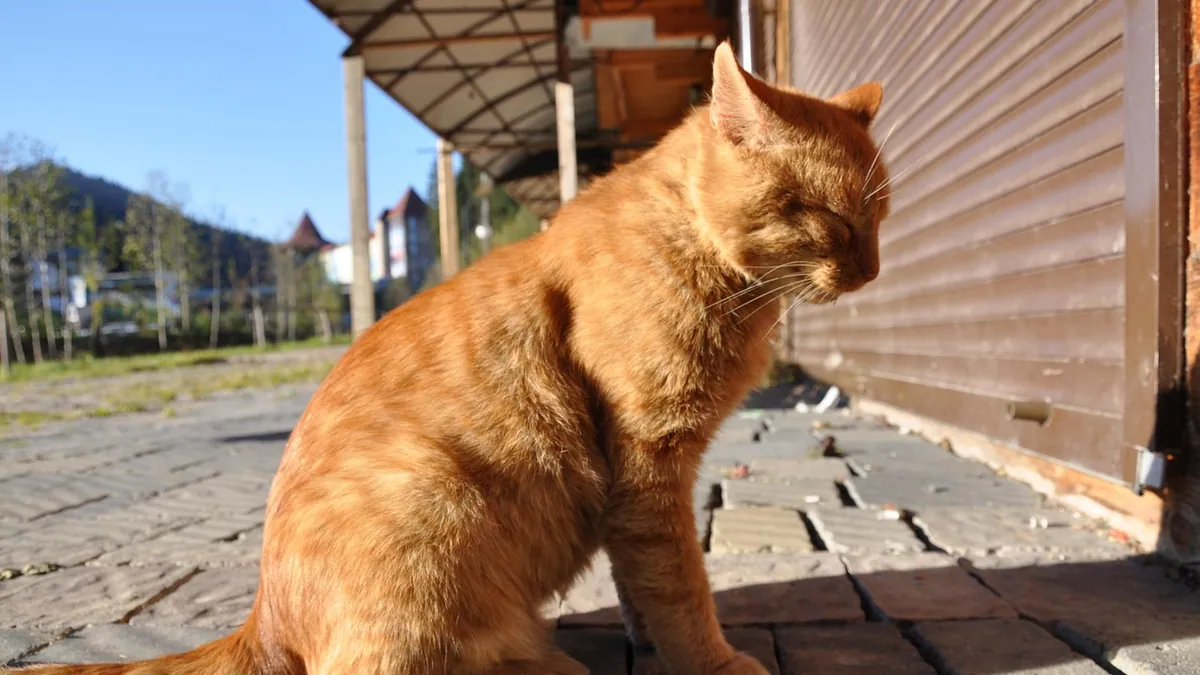
Do cats bleed when in heat? In almost every case, the answer is no. A healthy cat in heat does not bleed from the vulva, and any true bleeding during or around a heat cycle is a reason to call your veterinarian. What you may notice is a small amount of clear or slightly cloudy mucus, which is normal and easy to miss.
This article is educational and is not a substitute for veterinary diagnosis or treatment.
Quick Answer
- Normal heat (estrus) in cats does not involve bleeding. The vulva may look slightly swollen and may have a little clear discharge, but blood is not expected.
- Most of what owners notice during heat is behavioral: loud yowling, restlessness, rolling, and a raised rear end when petted.
- Blood from the vulva, bloody urine, or a foul-smelling discharge is not a normal heat sign and needs a veterinary visit.
- A cat who is bleeding heavily, straining to urinate, vomiting, or acting painful needs emergency care right away.
- Spaying removes the heat cycle and the reproductive conditions that can cause bleeding, so it is the most reliable prevention.
What Normal Heat Looks Like in Cats
A cat's reproductive cycle is built around being ready to mate, not around shedding a uterine lining the way people and some other animals do. That is the main reason bleeding is not part of a normal feline heat. Cats are seasonal breeders with multiple estrus cycles, and their hormone patterns during estrus, pregnancy, and lactation have been measured in detail [1]. Estradiol, the main estrogen, peaks during estrus, and that peak drives the behavior owners recognize [1].
During estrus, you may see:
- Loud, persistent vocalizing, sometimes described as a yowl
- Restlessness, pacing, and rubbing against furniture or people
- Rolling on the floor and a raised hind end when you pet her back
- Increased affection or, in some cats, irritability
- A slightly swollen vulva with a small amount of clear or cloudy mucus
That mucus is the closest thing to "discharge" you should see. It is usually thin, odorless, and easy to overlook because cats groom themselves constantly. If you are trying to sort out normal cycling from a problem, our guide on how often cats go into heat walks through the timing and signs.
One more point that surprises many owners: cats are often described as induced ovulators, meaning mating triggers ovulation. However, ovulation without any male contact does happen. In one group of intact queens, 9 of 29 (31.0%) ovulated spontaneously [2]. That matters because a cat who ovulates without mating can still develop the hormone changes that follow ovulation, and those changes can sometimes set the stage for uterine problems later.
Do Cats in Heat Bleed? Causes of Bleeding or Discharge
When a cat does bleed or produce abnormal discharge, it is usually a sign of something other than a normal heat cycle. The table below covers the most common reasons and how quickly you should act.
| Cause | Typical clues | How urgent |
|---|---|---|
| Normal estrus mucus | Clear or cloudy, odorless, small amount, cat acts otherwise well | Routine, monitor at home |
| Urinary tract problem (infection, stones, inflammation) | Blood in urine, frequent trips to the litter box, straining, licking the vulva | Same day, emergency if she cannot urinate |
| Vaginal or vulvar injury | Fresh blood, visible wound, recent trauma or mating | Same day, emergency if bleeding is heavy |
| Uterine infection (pyometra) | Foul-smelling discharge, lethargy, poor appetite, vomiting, often after a heat cycle | Emergency now |
| Vaginal or uterine mass | Persistent or recurring bleeding, often in an older unspayed cat | Same day to urgent |
| Bleeding disorder or toxin exposure | Bleeding from multiple sites, bruising, weakness | Emergency now |
| Post-surgical bleeding after spay | Blood at the incision, swelling, drainage | Emergency now |
A few of these deserve extra attention.
Urinary Causes
Blood that appears to come from the vulva is often actually blood in the urine. Cats with urinary inflammation, stones, or infection may lick the area so much that the skin looks irritated, which can look like vaginal bleeding. If your cat is straining in the litter box, crying out, or producing only drops of urine, treat it as urgent. A complete blockage is life threatening within a day. Our article on blood in the urine with a normal-acting cat explains what to watch for.
Uterine Infection
Pyometra is the diagnosis veterinarians worry about most in an unspayed cat with discharge. The uterus fills with infected material, and the cat often becomes quiet, stops eating, and may vomit. Some cats have an open cervix and drain foul-smelling fluid, while others have a closed cervix and show no discharge at all, which makes them sicker faster. This is a surgical emergency.
Hormonal and Reproductive Conditions
Reproductive hormones shift in predictable ways across estrus, pregnancy, and lactation, and estradiol peaks during estrus [1]. When those cycles are disrupted, bleeding can follow. Research into feline anti-Mullerian hormone shows that when this hormone is pushed very high, cats develop abnormal estrus cyclicity, non-follicular ovarian cysts, and a decline in follicle numbers [3]. That work is about contraception research, but it illustrates how sensitive the feline reproductive system is to hormonal changes.
Lactation is another time when the cycle can behave unexpectedly. In a survey of 195 births with complete data, 96 queens (49%) came into heat while still nursing, and 37 of those cases were linked to problems such as loss of maternal interest or reduced milk quantity [4]. A cat in this situation may show heat behavior and discharge at a time when you would not expect it.
Injuries and Other Bleeding
Trauma, a rough mating, a foreign object, or a bleeding disorder can all cause vulvar bleeding. If the blood is bright red and continuous, or if your cat is weak or pale, skip the waiting and go to an emergency clinic.
Red Flags That Mean Emergency
Call an emergency veterinary hospital now if you see any of these:
- Heavy or continuous bleeding from the vulva
- Straining to urinate with little or no urine produced
- A swollen, painful abdomen
- Foul-smelling or pus-like discharge
- Vomiting, collapse, pale gums, or labored breathing
- Bleeding from more than one place, or bruising on the skin
- Bleeding after a recent spay
For bleeding that is not from the reproductive tract, such as a nosebleed that will not stop, see our guide on cat bleeding from the nose. And if your cat is scratching or chewing herself raw, that is a separate problem covered in cat scratching until bleeding and cat hot spot or something else.
What You Can Safely Do at Home
While you wait for your appointment, keep things calm and simple.
- Do not insert anything into the vagina. No cotton swabs, no wipes, no douches. You can cause injury or push bacteria higher into the tract.
- Do not give human medications. Pain relievers like ibuprofen and acetaminophen are toxic to cats. Your veterinarian will calculate any drug dose from your cat's weight and health.
- Take a photo of the discharge and note the time you saw it. Color, amount, and smell help your vet a lot.
- Keep her indoors and away from intact male cats. A cat in heat will try to get outside.
- Offer water and normal food. If she refuses to eat for more than a day, call your vet.
- Use a clean, light-colored towel or puppy pad in her bed so you can see how much she is bleeding and what color it is.
- If she is licking constantly, a cone collar can reduce irritation until you are seen.
What Your Veterinarian Will Check
Your vet will start with a full physical exam, including the vulva, abdomen, and lymph nodes. Expect questions about her last heat cycle, whether she has been around male cats, and whether she has been spayed.
Common tests include:
- A urine sample to check for blood, bacteria, and crystals
- Blood work to look at white blood cells, red blood cells, and organ values
- An ultrasound of the uterus and ovaries, which is the best way to find pyometra, cysts, or masses
- Vaginal cytology, where a gentle swab is used to look at cells under a microscope
- X-rays in some cases, especially if a mass or stone is suspected
If pyometra is confirmed, surgery to remove the uterus and ovaries is usually the treatment. If a urinary problem is found, treatment depends on the cause and may include antibiotics, a prescription diet, or procedures to remove stones. Your vet will explain the options and the expected recovery.
Prevention and Monitoring
The single most effective way to prevent heat-related bleeding and the conditions behind it is spaying. Removing the uterus and ovaries ends the heat cycle entirely and eliminates the risk of pyometra and uterine masses. For female cats, ovariohysterectomy is the only method that produces permanent infertility [3].
If your cat is not spayed, keep a simple log. Note the dates you see heat behavior, how long it lasts, and any discharge. Cats cycle more when days are long, and controlled lighting studies show that a long photoperiod increases ovarian activity [5]. That means many cats cycle more in spring and summer, which is useful context when you are tracking patterns.
Other monitoring tips:
- Weigh your cat monthly. Unexplained weight loss with discharge is a red flag.
- Watch litter box habits. Changes in frequency or straining often show up before other signs.
- Keep up with wellness exams, especially for unspayed cats over 5 years old.
- If you are not planning to breed, talk to your vet about spaying at your next visit.
Limitations and When to Contact a Veterinarian
This article covers general patterns, and every cat is different. A small amount of clear mucus during heat can be normal, but blood, pus, foul odor, pain, or lethargy never are. Contact your veterinarian the same day for any new discharge, blood in the urine, or changes in appetite and energy. Go to an emergency clinic immediately for heavy bleeding, a swollen painful belly, straining to urinate with no urine, collapse, or vomiting with a distended abdomen. Schedule a routine visit for cycle tracking questions, spay planning, or if you simply are not sure whether what you are seeing is normal. Your veterinarian can examine your cat and give you a clear answer.
Frequently Asked Questions
Do cats in heat bleed?
No. A normal feline heat cycle does not cause bleeding. You might see a small amount of clear or cloudy mucus, but blood is not part of a healthy estrus.
When do cats in heat bleed?
They should not bleed at any point during a normal heat. If you see blood during, between, or after heat cycles, that points to a separate problem such as a urinary issue, infection, injury, or mass, and it needs a veterinary exam.
How much does a cat in heat bleed?
A healthy cat in heat bleeds zero. Any visible blood is abnormal, whether it is a few drops or a steady flow. Even a small amount of fresh blood is worth a same-day call to your vet.
Can a cat bleed after mating?
Some spotting can happen if mating was rough, but it is not expected. If bleeding continues, gets heavier, or comes with pain or lethargy, have her examined.
Is bloody discharge ever normal in an unspayed cat?
No. Bloody or foul-smelling discharge in an unspayed cat is a warning sign, and pyometra is the top concern. This condition can become life threatening quickly, so seek veterinary care right away.
Related Articles
- Cat Hot Spot or Something Else? How to Tell and What to Do
- How Often Do Cats Go Into Heat? Feline Estrous Cycle & Signs Guide
- Cat Scratching Until Bleeding: Emergency or Manageable?
- Cat Bleeding from Nose: When to See a Vet
- Cat Blood in Urine but Acting Normal: Causes and Next Steps
- Why Is My Cat having cold extremities? Arterial Thromboembolism and Shock
- Are Cats in Pain When in Heat? Feline Estrus Explained
- Why Is My Cat in Heat So Often? Feline Heat Cycle Explained
- How to Help a Cat in Heat: Care and Cooling Tips
References
- Hormonal trends during reproductive stages and ultrasonographic monitoring of gestational age in British Shorthair cats. Veterinary journal (London, England : 1997), 2025.
- Spontaneous ovulation in the cat: incidence among queens presented at a veterinary teaching facility. Journal of feline medicine and surgery, 2024.
- Gene therapy with feline anti-Müllerian hormone analogs disrupts folliculogenesis and induces pregnancy loss in female domestic cats. Nature communications, 2025.
- Prevalence of lactational oestrus in cats and consequences for kittens. Journal of feline medicine and surgery, 2023.
- Comparison of Different Lighting Protocols on Female Cat Reproduction. Reproduction in domestic animals = Zuchthygiene, 2026.